All categories
Business & Offices
Electronics & Media
Fashion & Accessories
Groceries & Essentials
Health & Personal Care
Home & Living
Kids & Family
Sports & Outdoors
Search in ZoneOffer
Loading...
If you're planning a paint job, big or small, paint rollers deserve a starring role. They cover more surface in less time than brushes, reduce streaks if used right, and make walls look professional without hiring a pro. Think of a paint roller like a lawn mower for paint — instead of tediously trimming every blade, you cover wide swaths quickly and evenly. In this guide you'll find everything from roller types and nap lengths to the best accessories and money-saving tips.
Choosing the right roller isn't just about picking the fanciest handle. It boils down to three things: the surface you're painting, the type of paint you're using, and the finish you want. A high-pile roller holds more paint for rough surfaces, while a short-nap roller gives a smooth finish on plaster or metal. Match the roller to the task and you'll cut time, mess, and frustration.
Nap length is the hair length on a roller cover and it's measured in fractions of an inch. For very smooth surfaces, choose a 1/8-inch to 3/16-inch nap for ultra-smooth finishes. For lightly textured walls, a 3/8-inch nap works great. For rough surfaces like stucco or textured plaster, go with 3/4-inch or 1-inch naps to hold more paint and reach into crevices.
Roller materials make a big difference. Foam rollers are excellent for ultra-smooth surfaces and trim work, delivering a fine finish without lint. Microfiber and synthetic (polyester or nylon) covers are versatile; microfiber excels with water-based paints and gives a smoother finish than standard synthetic. Natural fiber covers (like lambswool) are better for oil-based paints and rough surfaces. Pick material based on paint type and desired finish.
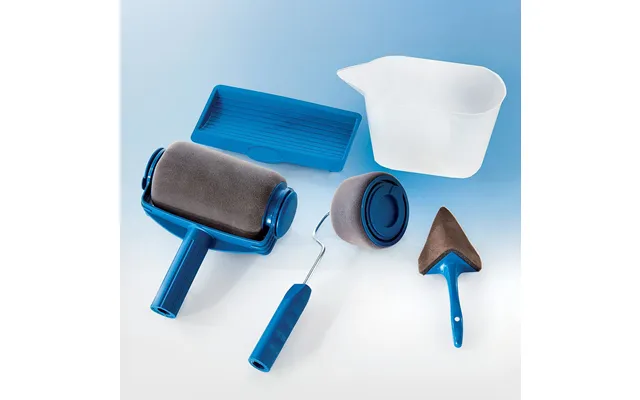
Not all rollers are created equal — some are made for speed, others for detail. Here's a quick rundown so you know which to grab from the toolkit.
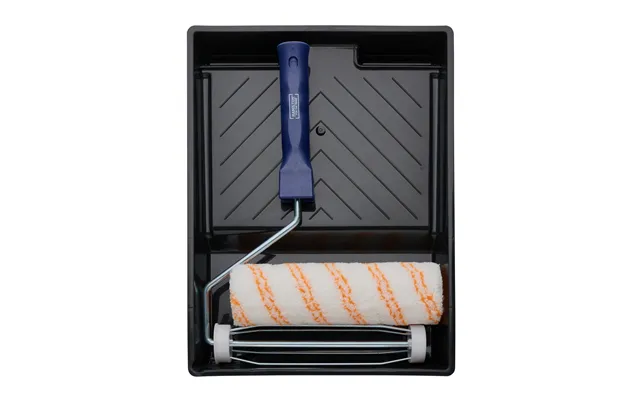
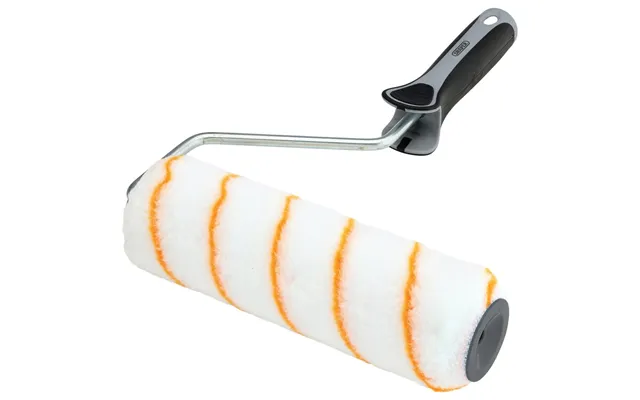
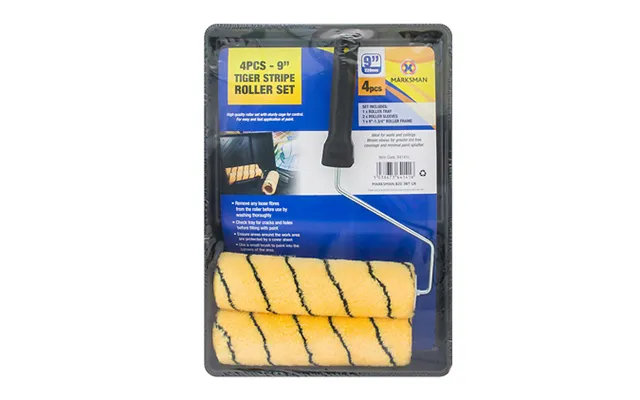
The 9-inch roller is the workhorse for walls and ceilings. It balances coverage and control, rolling smoothly over large areas and fitting well into standard frames. If you're doing a whole room, a 9-inch cover with the right nap will be your best friend. Pair it with a good frame and an extension pole for ceilings and high walls.
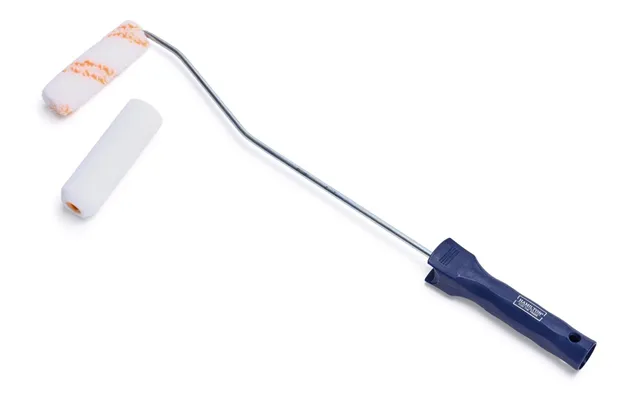
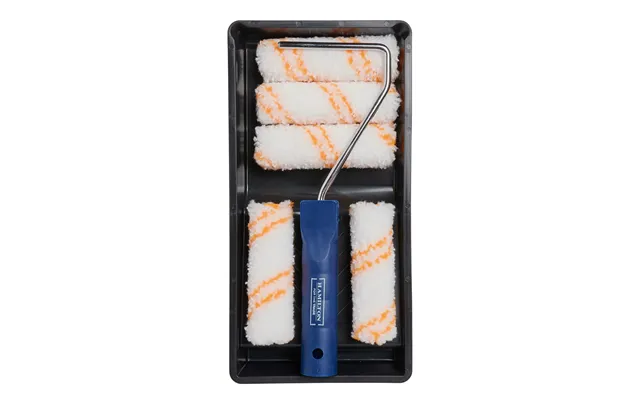
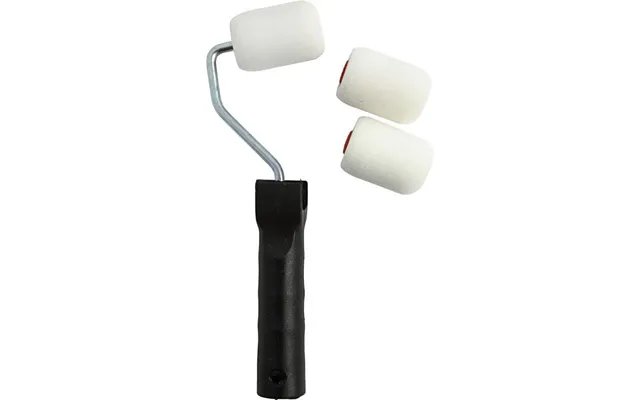
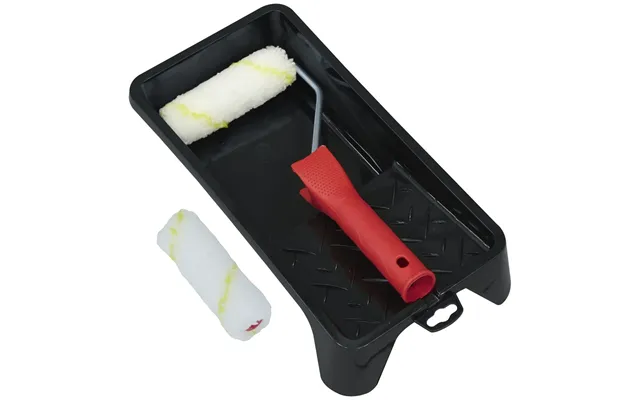
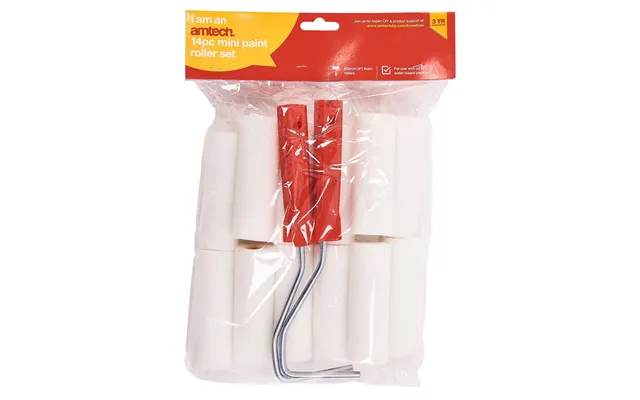
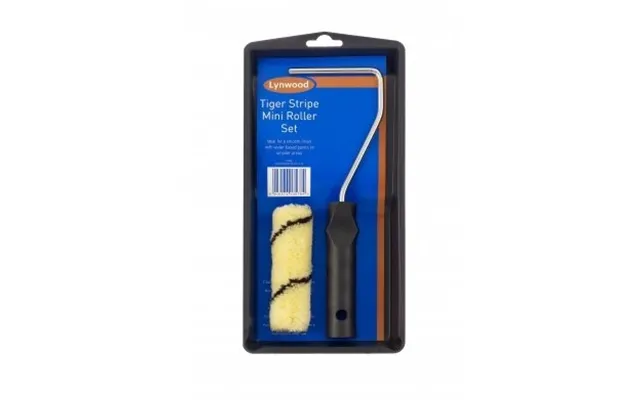
Mini rollers are like the artist's brush in a carpenter's toolbox — perfect for radiators, trim, narrow walls, and tight corners. A 4-inch mini is ideal for window frames and small cabinets, while a 6-inch mini can tackle doors and narrow wall sections. They reduce drips and are easy to control around obstacles.
Foam rollers deliver a near-spray finish, making them great for doors, cabinets, furniture, and metal surfaces. They sit flat and spread paint thinly and evenly. Foam works best with waterborne paints and is not ideal for heavily textured walls because it doesn't hold much paint.
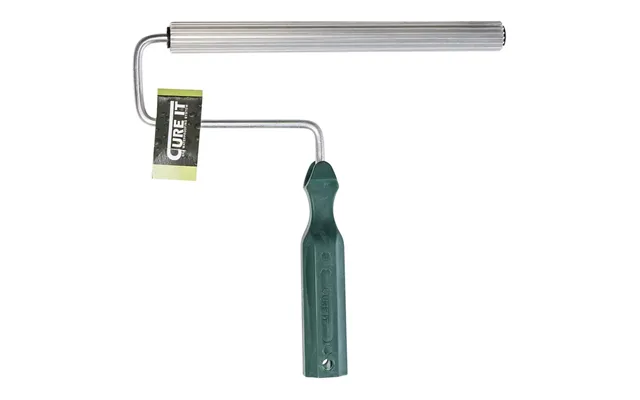
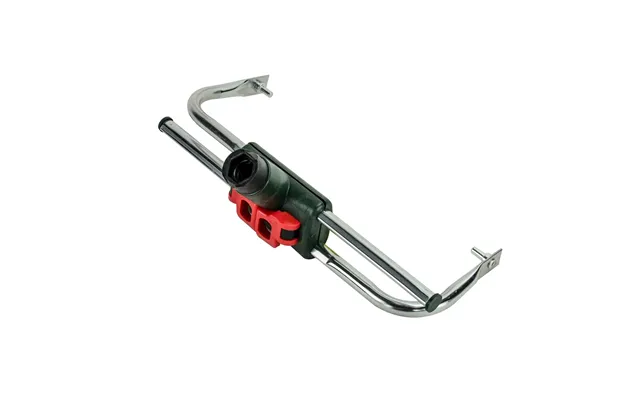
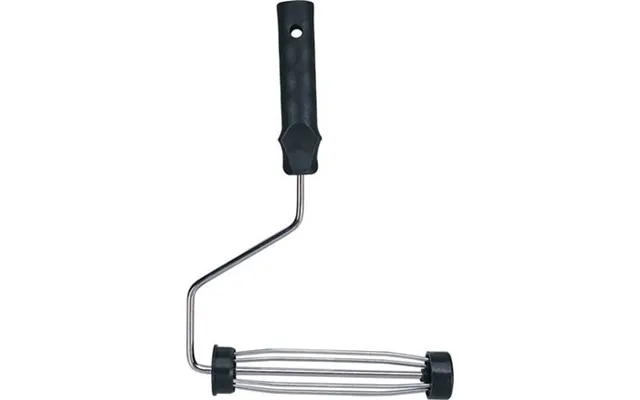
The cover matters, but so does the frame beneath it. A sturdy frame gives you consistent pressure and avoids wobble. Look for frames with a solid metal cage and a comfortable handle with good grip. A twist-lock handle or threaded connection is useful for add-on extension poles.
Extension poles commonly come in lengths from 4 feet to 12 feet. For most living room ceilings and taller walls, a 6-foot to 8-foot pole is practical. If you're painting a two-story interior or high exterior walls, you might choose a pole that extends to 12 feet. Remember: longer poles can be harder to control, so balance reach with stability.
Accessories are the unsung heroes of painting. They save time, reduce mess, and help you get professional-looking results without a giant learning curve.
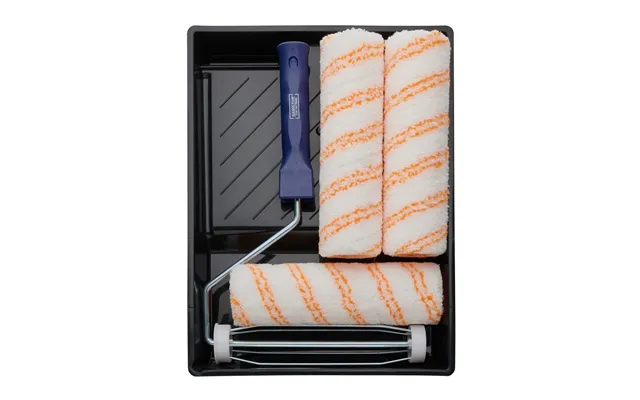
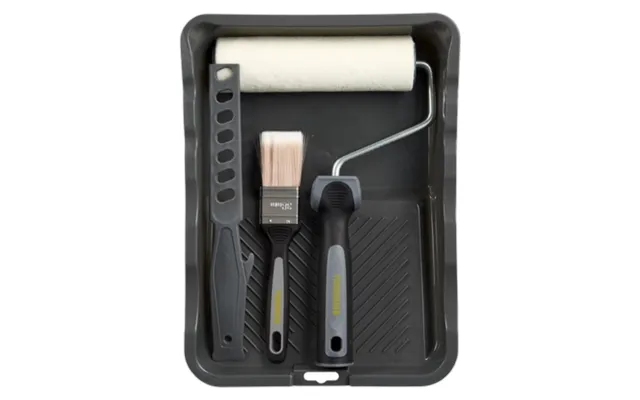
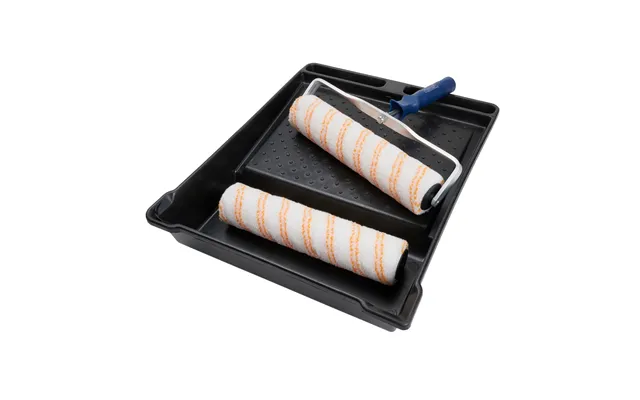
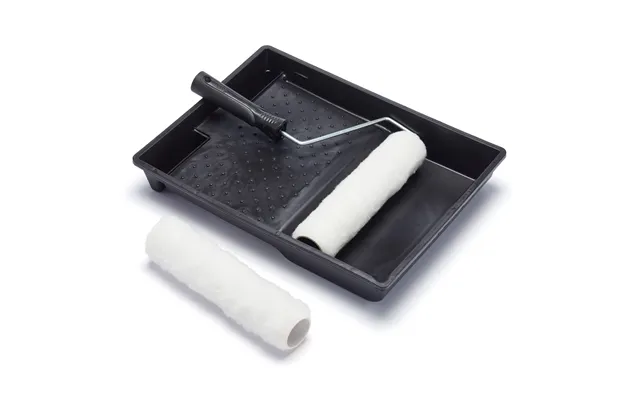
A sturdy roller tray ensures even loading of your cover. Using disposable tray liners speeds cleanup and prevents cross-contamination between paint colors. For larger jobs, consider a deep well tray that holds more paint and cuts refill trips by half.
For exterior work or large interior projects, a paint bucket with a metal grid can be more efficient than a tray. Dip the roller into the bucket and roll against the grid to remove excess. This system cuts down on spills and lets you carry more paint while moving around ladders and scaffolding.
Latex (water-based) and oil-based paints behave differently. For latex paints, microfiber or synthetic covers are top choices because they hold and release water-based paints effectively. For oil-based paints or varnishes, natural fiber covers (like mohair or lambswool) excel because they can carry solvent-based finishes without breaking down.
Primers sometimes require a different approach. A thicker primer on a rough wall might need a longer nap to ensure full coverage, while a skim coat primer on smooth drywall calls for a short nap. When applying topcoat, switch to the nap recommended for finish quality to avoid texture differences between coats.
Estimating coverage helps you buy the right amount of paint and roller supplies. One gallon of paint typically covers about 350 to 400 square feet per coat on smooth surfaces. A 9-inch roller will cover roughly 150 to 200 square feet per full cover session before you need to reload, depending on nap and surface texture. For a 12-foot by 12-foot room (144 square feet of wall per side), plan paint and roller refills accordingly.
For a single coat on a typical room, one high-quality 9-inch cover can last an entire room if you clean it between coats. For textured walls or multiple colors, keep extra covers on hand—one or two backups in 9-inch and 4-inch sizes will save time when switching colors or tackling trim work.
Want smoother walls and fewer touch-ups? These practical tips will lift your results from DIY to near-pro.
Load the roller evenly in the tray, then start each section by rolling in a large “W” or “M” shape and filling it in without lifting the roller. This distributes paint evenly and avoids roller lines. Work in 3- to 4-foot sections for consistent coverage.
When paint starts to dry, going over it repeatedly creates texture and marks. Apply the paint, lightly level it, and move on. Finish with light, single-direction strokes for a uniform look.
Cleaning roller covers properly extends their life and keeps lint off your walls. For water-based paints, rinse the cover in warm water until water runs clear, then use a little dish soap and a gentle squeeze. For oil-based paints, you’ll need a solvent like mineral spirits — always follow safety directions and avoid open flames.
If you plan to reuse covers the next day, wrap them tightly in plastic wrap or put them in a sealed plastic bag to prevent drying. For longer storage, clean thoroughly and let them dry completely before stashing them in a cool, dry place.
Budget rollers are tempting, but they can shed fibers and leave imperfect finishes. Premium covers cost more up front but provide better coverage, less linting, and a smoother finish — which can reduce the need for extra coats. For one-time small jobs, budget covers can be fine, but for whole-room projects or high-visibility surfaces, invest in a mid-range to premium cover.
Save on disposable accessories like cheap liners or single-use trays; splurge on covers and a solid frame. A good frame lasts many projects and a quality cover often halves the time you’d spend applying multiple thin coats.
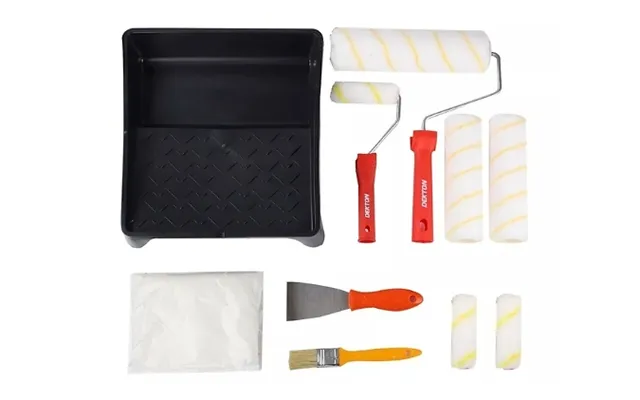
Shopping around pays. Comparison websites and price trackers let you view offers across multiple sellers so you can spot seasonal sales and combo deals on roller kits. Look for multipacks that include 9-inch and mini covers, a sturdy frame, a tray, and an extension pole for the best value. Always read product reviews to confirm the real-world performance of a roller cover.
Before you roll, make a checklist: the correct nap for the surface, enough coverage per gallon, a couple of backup covers, a tray or bucket grid, and a comfortable extension pole if needed. Cover floors and furniture with drop cloths and use painter’s tape to protect trim. With the right prep, rolling becomes fast, clean, and oddly satisfying.
Paint rollers are simple tools with a big effect. Choosing the right nap, material, and size turns a tiring job into a quick, clean, and professional-looking task. Whether you're tackling walls, ceilings, cabinets, or trim, understanding the differences between foam, microfiber, and natural fiber covers — and matching them to your paint and surface — will save time and money. Keep a couple of backup covers, invest in a decent frame, and use the right accessories and techniques. The result? Smooth walls, fewer touch-ups, and a room you'll be proud to show off.
| Paint Rollers | Price | |
|---|---|---|
| Probuilder Paint Roller Set 18cm - 5 Pieces | £ 4,04 | |
| Harris 101092006 Essentials 9 Walls & Ceilings Roller On A Pole | £ 6,07 |