All categories
Business & Offices
Electronics & Media
Fashion & Accessories
Groceries & Essentials
Health & Personal Care
Home & Living
Kids & Family
Sports & Outdoors
Search in ZoneOffer

Loading...
If you’re tired of juggling bottles, pods, and chemical-laden liquids every laundry day, laundry balls might be the simple switch that finally makes washing feel effortless. These compact helpers promise cleaner clothes, fewer chemicals, and lower costs — all while cutting down drying time. In this guide I’ll walk you through what laundry balls are, how they work, which types are worth buying, and how they stack up against traditional detergents and dryer sheets. Think of this as your one-stop primer to pick the right laundry supplies for your home.
Laundry balls are reusable items you toss into the washing machine or dryer to boost cleaning or soften fabrics without traditional chemicals. They come in a few main forms: plastic or rubber balls with spines, mineral-based balls filled with ceramic beads, and natural wool dryer balls. Each design aims to reduce detergent use, prevent tangles, speed up drying, or soften clothes. They’re lightweight — often less than 6 ounces each — and built to last dozens to hundreds of loads.
Don’t worry — there’s no magic, just physics and a little chemistry. In the washer, spiky or nodular surfaces help mechanically loosen dirt and detangle garments. Mineral balls use ceramic beads to alter water hardness and pH slightly, helping detergents work better so you can use less. In the dryer, wool balls tumble between clothes, separating items and improving airflow, which shortens drying time by up to 20–30 percent on a typical 8–10 lb load. The result: less energy used and less wear on your fabrics.
Choosing a laundry ball depends on what you want to achieve: cleaning boost, softening, or energy savings. Here’s a quick rundown of popular options and when to pick them.
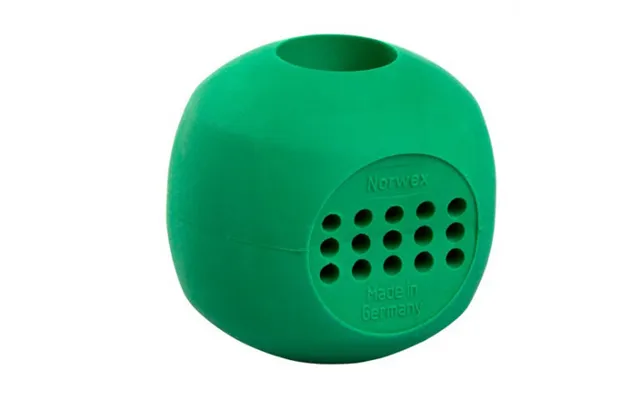
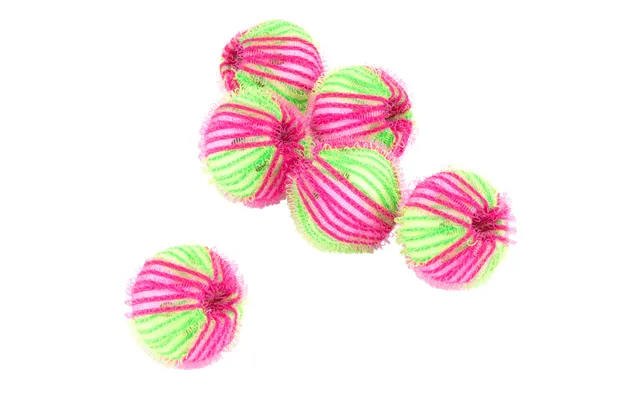
These are often studded with spikes or fins and are great if you want mechanical agitation to help remove grime. They’re lightweight and durable, usually good for cold or warm washes in machines handling 8–12 lb loads. They pair well with small amounts of detergent rather than replacing it completely.
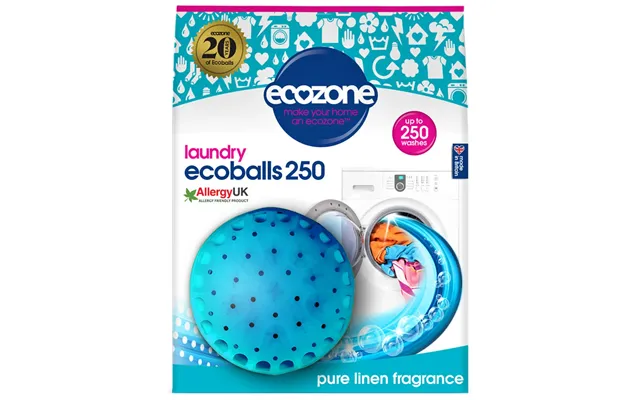
Filled with tiny ceramic beads, these balls claim to change water characteristics so detergent works harder and you can cut back on amounts. If your water is hard and you want to save on detergent, mineral balls can be a helpful addition. Expect to replace or recharge some types every 6–12 months depending on usage.
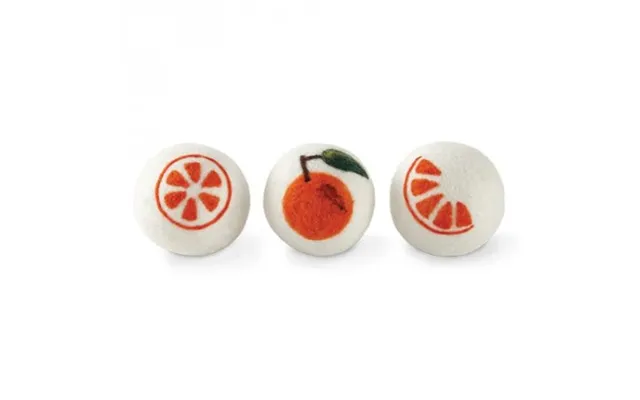
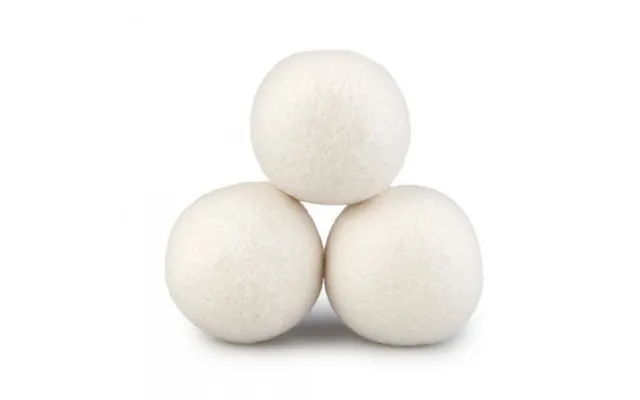
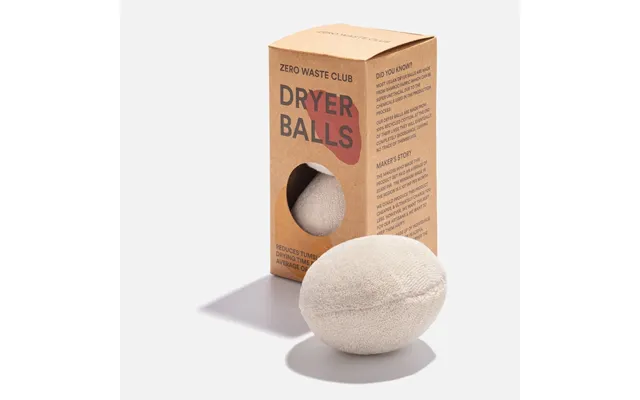
Made from felted wool, these are the quiet workhorses in the dryer. Toss in 3–6 wool balls for a typical load of 8–10 lbs to reduce drying time and static, and to soften textiles without chemical softeners. Wool balls are naturally odor-resistant and biodegrade when worn out, usually after 1–2 years of regular use.
If you switch to laundry balls, you’ll see practical wins almost immediately: lower detergent use, reduced energy bills from shorter dry cycles, fewer wrinkles, and softer clothes without added chemicals. For families with sensitive skin, wool dryer balls and mineral-based options reduce exposure to fragrances and synthetic softeners. And yes — fewer plastic bottles in your recycling bin is a nice bonus for the planet.
They’re not a cure-all. Stubborn stains, oily residues, and heavy soiling may still need targeted stain removers or a small dose of detergent. Laundry balls are best for everyday loads — shirts, sheets, towels, and mixed fabrics. If you’re washing baby clothes or heavily soiled work gear, keep a bottle of enzyme stain remover or a strong detergent on hand for spot treatments.
Getting the best results means using laundry balls the right way. For washers, drop the balls in with your clothes at the start of the cycle. If you’re using mineral balls, follow manufacturer instructions about “recharging” them in sunlight or boiling water. In the dryer, use 3–6 wool balls for a standard load; more balls equal shorter dry times. Avoid overloading your machine — a washer stuffed beyond an 8–12 lb capacity will limit the balls’ effectiveness.
Do pair laundry balls with a small amount of detergent for extra-dirty loads. Don’t leave rubber washing balls in direct sunlight for long periods, as UV can degrade plastics. Do separate delicate fabrics and use the gentle cycle. Don’t assume one type works for everything — combine tools when needed for best results.
There are plenty of brands and styles vying for attention, but a few categories stand out. Wool dryer balls tend to get top marks for softening and eco-credentials. Ceramic mineral balls are popular for detergent reduction, while rubber washing balls are praised for mechanical cleaning action. When comparing, look at load ratings (how many pounds they'll effectively handle), lifespan in loads or months, and any claims about chemical-free cleaning that are backed by user reviews.
If you’re washing light-weight activewear, a set of 4 wool dryer balls will speed up drying and keep fabrics fluffy. For families managing laundry with hard water and frequent loads, a pack of ceramic balls plus a small amount of detergent can reduce soap use. For older washers or heavily soiled loads, a pair of rubber washing balls can add scrubbing motion to help releases dirt.
One of the most attractive things about laundry balls is the long-term value. An initial investment in several wool balls or a set of mineral balls typically pays off in lower detergent purchases and faster drying — savings that add up quickly with regular loads. Expect wool dryer balls to cost anywhere from a few dollars per ball up to about $8–$10 per ball for premium handcrafted options; ceramic sets and rubber variants usually fall in a similar one-time price range. When you factor in avoiding disposable dryer sheets and reducing detergent by 25–50 percent, the math becomes compelling within just a few months for a busy household.
Care is simple. Wool balls can be refreshed in a quick wash to remove lint and can be sun-dried to deodorize. Mineral balls sometimes need “recharging” according to the maker — typically by placing them in direct sunlight for a few hours or boiling for a short time. Rubber and plastic balls are low-maintenance; just rinse and air-dry occasionally. Replace any ball that starts shedding, cracking, or breaking apart to avoid linting or machine damage.
Swap disposable sheets and excess detergent for reusable laundry balls, and you cut single-use waste and chemical runoff. Wool balls, made from natural fibers, are biodegradable at end-of-life, while ceramic variants don’t leach chemicals into water. Energy savings from shorter dry times also reduce household carbon footprint. For environmentally conscious shoppers, the switch to laundry balls is a meaningful way to shrink both bills and the home’s ecological footprint.
Don’t be swayed by flashy claims alone. Look for verified reviews, clear lifespan estimates (how many loads or months), and straightforward instructions for care and recharging. For buyers with allergies or sensitive skin, choose unscented wool balls or mineral balls that don’t carry added fragrances. If you have a compact top-loader or small-capacity washer under 8 lbs, choose a smaller pack or fewer balls to maintain proper tumble action.
Do you want to reduce chemicals, save time, or both? How many loads do you do per week? What are your most frequent wash types — delicate, heavy-duty, or mixed? Each answer helps determine whether you need wool dryer balls, mineral washing balls, or hybrid solutions that combine benefits.
If your goals are to simplify routines, reduce chemical exposure, and cut energy and detergent costs, laundry balls are a low-risk, high-reward experiment. They won't replace specialized stain removers or heavy-duty degreasers, but for everyday laundry they make a surprisingly big difference. Start with a set of wool dryer balls and a small pack of mineral or rubber washing balls to test what fits your household best.
Laundry balls are an easy, cost-effective, and eco-friendly tool that can streamline your laundry routine. Whether you pick wool dryer balls to cut drying time and soften clothes, or mineral and rubber types to reduce detergent use and boost cleaning, these small items can deliver steady savings and fewer chemicals in your home. With the right choices and a little maintenance, you’ll enjoy cleaner clothes, lower bills, and a greener laundry room — one load at a time.
| Laundry Balls | Price | |
|---|---|---|
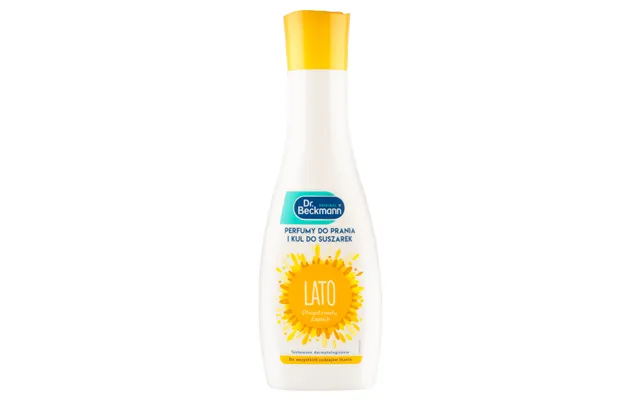
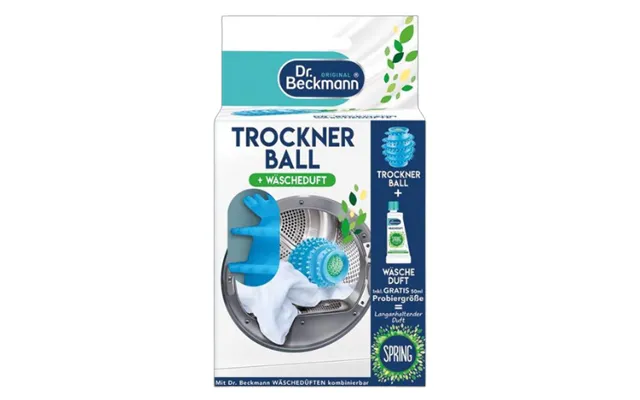
| Dr. Beckmann - Fragrance For Laundry And Dryer Balls | £ 4,50 | |
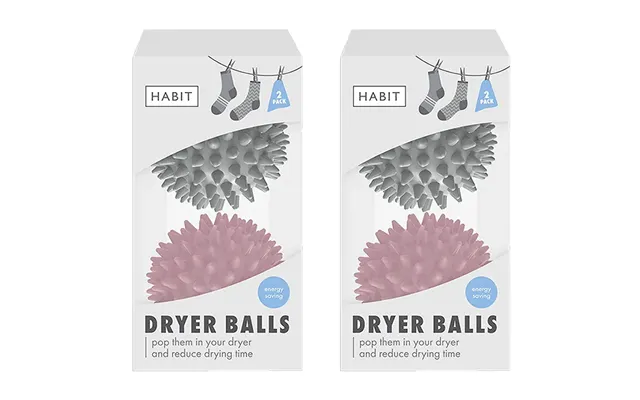
| Habit Fabric Softening Tumble Dryer Balls - 2 Pack | £ 4,99 | |
| Swirl Fabric Softening Tumble Dryer Balls - Pink | £ 4,99 | |
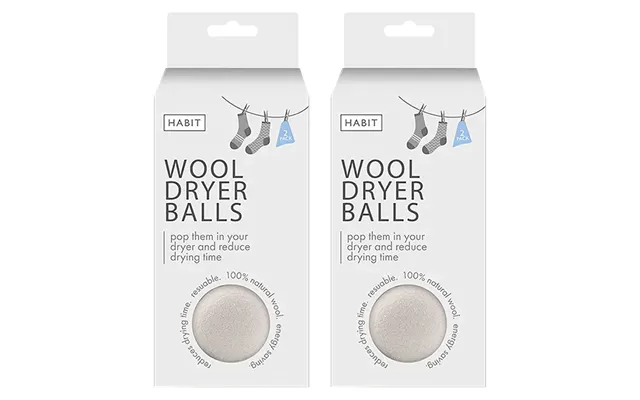
| Habit Fabric Softening Tumble Dryer Balls - Wool | £ 5,99 | |
| Swirl Fabric Softening Tumble Dryer Balls - Pink | £ 7,99 | |
| Habit Fabric Softening Tumble Dryer Balls - 2 Pack | £ 7,99 | |
| Habit Fabric Softening Tumble Dryer Balls - Wool | £ 8,99 | |
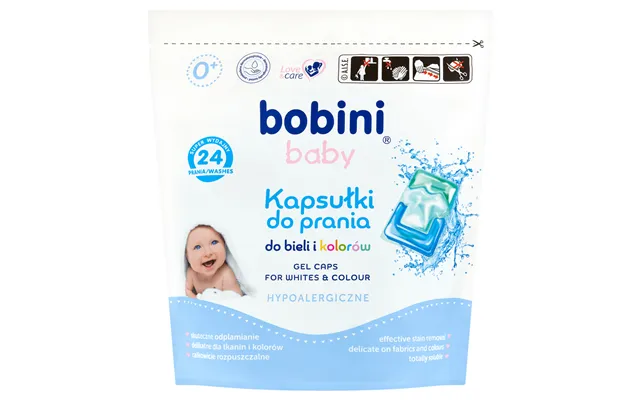
| Baby Bobbins - Washing Capsules | £ 9,20 | |
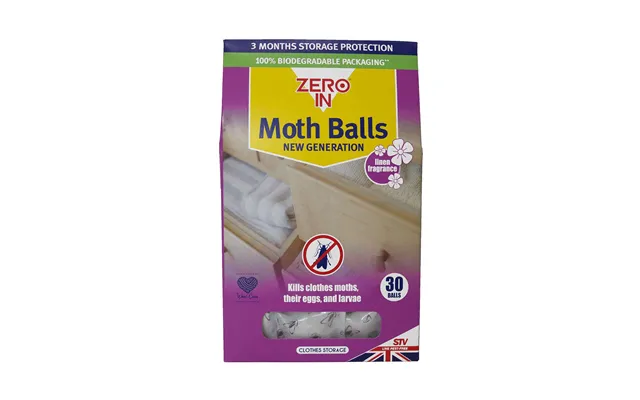
| Moth Balls 30 Sachet Packs | £ 11,99 | |
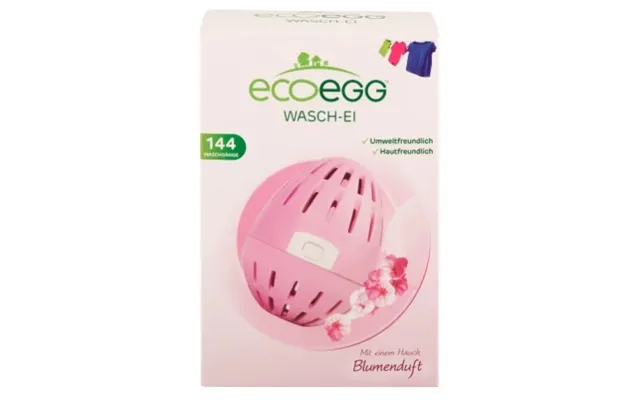
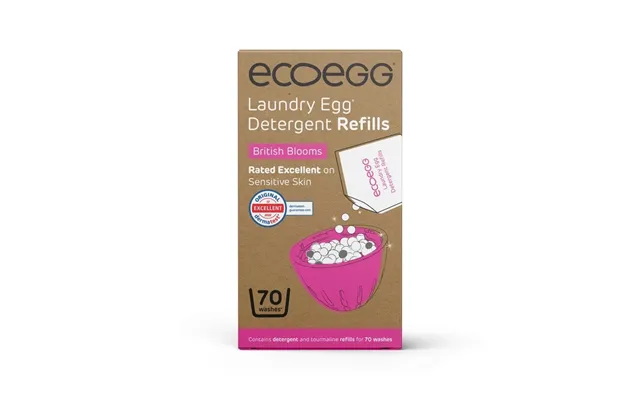
| Ecoegg - Laundry Ball Container | £ 27,20 |