All categories
Business & Offices
Electronics & Media
Fashion & Accessories
Groceries & Essentials
Health & Personal Care
Home & Living
Kids & Family
Sports & Outdoors
Search in ZoneOffer
Loading...
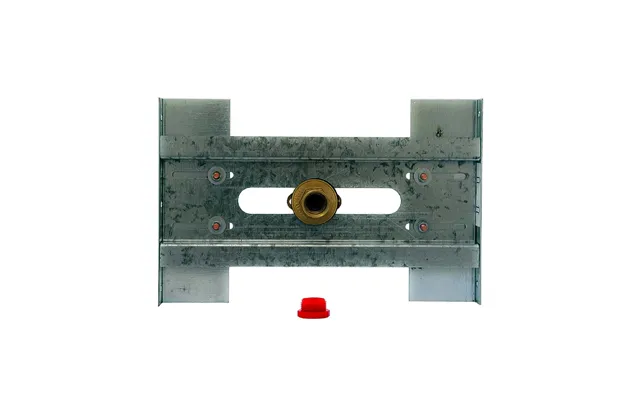
Plumbing flanges are the unsung heroes of your piping system — they connect pipes to fixtures, anchor toilets to the floor, and create a sealed junction that prevents leaks and odors. Think of a flange as the bridge between two worlds: the rigid pipe network and the fixture that needs a secure home. If you want plumbing that holds up over time, choosing the right flange and installing it correctly can save you headaches, water damage, and repeated repairs.
Flanges come in many shapes and materials, and each one is designed for a specific job. Knowing the common types helps you match the right flange to the right application and avoid costly mismatches.
PVC flanges are lightweight, resistant to chemical corrosion, and often used for drain and vent systems. They come in sizes measured in inches and are easy to glue or solvent-weld, making them a budget-friendly option for many DIY projects.
Stainless steel flanges are prized for their strength and corrosion resistance. They’re a top pick for exposed plumbing, outdoor installations, or situations where water quality and longevity matter. A stainless flange paired with the right gasket can last for decades.
Cast iron flanges are heavy-duty and commonly used in older homes or in systems where noise dampening is important. They are robust but may require special bolts and gaskets to ensure a tight seal, particularly when mating with modern pipe materials.
Closet flanges — often called toilet flanges — attach the toilet to the drain pipe and secure it to the floor. They’re available in PVC, ABS, brass, and stainless steel, and come with different mounting patterns to fit various toilet designs. The correct closet flange is essential to prevent leaks and keep sewer gases out of your home.
Floor flanges anchor piping to a floor or substrate, while hub flanges provide a socket for pipe insertion and are common on larger-diameter drains. Both types provide mechanical support and a connection point for seals and bolts.
Size matters with flanges. Flange sizing is usually expressed in inches and relates to the pipe diameter it mates with. Common residential sizes include 1-1/2", 2", 3", and 4" for drain lines, while toilet flanges typically fit a 3" or 4" waste outlet. Always measure the outside diameter of the pipe or the inside diameter of the flange hub when confirming compatibility. When in doubt, carry a tape measure to the store or compare specs on a trusted comparison site.
Choosing the right material comes down to environment and budget. PVC and ABS resist many chemicals and won’t rust, making them ideal for indoor drain systems. Stainless steel and brass provide superior longevity in wet or outdoor environments, and they resist the corrosive effects of hard water and acids. Cast iron offers durability and sound-dampening but needs proper sealing when paired with modern pipes. Match the material to the job and the expected lifespan.
When selecting a flange, ask yourself a few straightforward questions: What diameter does the pipe require in inches? Is the installation indoor, outdoor, or buried? Will the flange be exposed to chemicals or salt air? What’s my budget? A PVC flange may be perfect for a basement sink drain, while a stainless steel flange is the better investment for an outdoor hose or a marine application. Also consider whether you’ll need extension rings or adapters if the finished floor height is different from the pipe top.
Installing a flange might look intimidating, but with the right tools and a methodical approach you can handle many flange jobs yourself. Below are the core steps you’ll take in a typical flange installation, along with safety tips and quick tricks to make the job smoother.
Gather a tape measure in inches, a screwdriver or impact driver, a socket set for flange bolts, a level, sealing caulk or flange sealant, a flange gasket or wax ring for toilets, stainless or plated flange bolts, and a saw or pipe cutter if trimming is required. For cast iron flanges you may need nuts and bolts rated for that material.
Start by turning off water and ensuring the work area is dry. If replacing an old flange, remove the fixture and clean away old sealant and debris. Dry-fit the new flange to check alignment with the pipe and the fixture’s bolt pattern. For toilets, center the flange over the drain and make sure the top of the flange sits flush with the finished floor.
Apply the recommended gasket or wax ring for toilets, or a neoprene gasket for other flanges. Secure the flange to the floor using corrosion-resistant screws or bolts; for concrete floors use anchors sized for the bolt diameter. Tighten bolts evenly in a star pattern to avoid warping the flange and causing leaks.
Once sealed and bolted, reinstall the fixture and reconnect the water if applicable. For drain systems, run water and check for leaks at the flange and around bolts. If you’re installing a toilet, gently sit and rock on the toilet to set the wax ring, then torque the bolts to manufacturer specs. Wipe away excess sealant before it cures for a clean finish.
Even with careful installation, flanges can run into problems over time: bolts corrode, gaskets compress, and floors shift. If you notice leaks, start by checking bolt tightness and gasket condition. For a toilet flange that’s cracked or broken, use a flange repair kit or a flange spacer to raise and stabilize the connection. If water pools around the base, inspect the floor for rot and replace any damaged subfloor before reinstalling a flange or fixture.
Not every damaged flange requires full replacement. Repair kits, flange extenders, and spacer rings can restore a flange that’s slightly damaged or too low relative to the finished floor. For severely corroded or cracked flanges, replace the flange and consider upgrading to a stronger material like stainless steel or brass. When replacing, match the flange bolt pattern and pipe size in inches to ensure a proper fit.
A quality flange is only as secure as the accessories you use. Pick stainless bolts and washers, a good gasket or wax ring for toilets, and a high-quality sealant rated for plumbing. Flange repair kits, flange extenders, and neoprene gaskets extend life and adaptability. You might also invest in a torque wrench to tighten bolts correctly and a flange-leveling ring to get the flange flush with the finished floor.
While flanges don’t directly influence water flow, a properly sealed flange prevents leaks that waste water and energy over time. A leaky toilet flange, for example, can lead to constant water loss or the need for frequent flushes. Investing in corrosion-resistant materials and proper sealing not only saves you money on repairs but also reduces waste and helps your home run more efficiently.
Flange prices vary by material, size, and brand. PVC flanges are typically the most affordable, while stainless steel and brass carry a premium. To find the best deal, compare specifications side by side: flange diameter in inches, bolt pattern, material grade, and whether the kit includes gaskets or bolts. Use a comparison site to view multiple offers at once and read user reviews to weigh durability versus cost effectively.
Small flange jobs are DIY-friendly, but certain situations call for a professional. If your work involves gas lines, structural floor repair, major cast iron manipulation, or complex waste stacks, hire a licensed plumber. Always wear eye protection and gloves; when drilling into concrete floors, use a dust mask. If you smell sewer gas or experience persistent leaks after your repair, stop and get expert help to avoid health hazards and structural damage.
Newer flange designs focus on ease of installation and longevity. You’ll see snap-on gaskets, corrosion-resistant composite flanges, and adjustable-height flanges that simplify renovation projects where floor height has changed. These innovations help homeowners retrofit fixtures without tearing up large sections of flooring, saving time and money.
Before you buy, run through a quick checklist: measure the pipe diameter in inches, identify the floor or pipe material, choose a flange material that resists the local conditions, confirm the bolt pattern fits your fixture, and decide whether you need a full kit or just a replacement flange. This simple checklist keeps you from overbuying and ensures the flange will fit right the first time.
A well-chosen flange installed with care can last many years and protect your home from water damage and bad smells. Spend a little time matching flange type to application, use quality gaskets and bolts, and don’t skimp on corrosion protection. The extra upfront care pays off in reduced maintenance and fewer emergency repairs down the road.
Conclusion: Plumbing flanges are small parts with a big job. Understanding types, materials, sizes in inches, and installation steps empowers you to pick the right flange and extend the life of your plumbing. Whether you’re replacing a toilet flange, upgrading to a stainless steel floor flange, or comparing options online, a smart purchase and careful installation will keep things flowing smoothly.
| Plumbing Flanges | Price | |
|---|---|---|
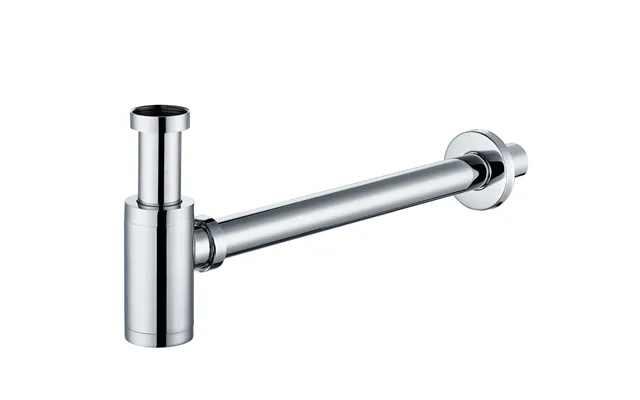
| Bradfords Modern Bottle Trap Inc. Extension & Flange - Black | £ 36,88 | |
| Bradfords Modern Bottle Trap Inc. Extension & Flange - Brushed Brass | £ 40,57 | |
| Bradfords Modern Bottle Trap Inc. Extension & Flange - Chrome | £ 44,24 |