All categories
Business & Offices
Electronics & Media
Fashion & Accessories
Groceries & Essentials
Health & Personal Care
Home & Living
Kids & Family
Sports & Outdoors
Search in ZoneOffer

Loading...
When you think of shipping supplies, you probably picture boxes and tape. But the "other" category is where the unsung heroes live — the small items that stop your order from arriving looking like it went through a demolition derby. Think bubble wrap rolls, padded mailers, void fill, stretch wrap, labels, and specialty tapes. These items might seem minor, but they’re essential for professional-looking packages, fewer returns, and happier customers.
Ever received a cracked vase or dented electronics? Those tiny accessories make the difference between a five-star delivery and a replacement claim. They protect contents, reduce shipping damage, and can even speed up fulfillment. Plus, choosing the right materials can save money over time — and who doesn’t like saving while keeping customers smiling?
Bubble wrap is the classic cushion, but there’s more variety than you might expect. From small 1/8-inch bubbles for delicate jewelry to large 1-inch bubbles for heavy, shock-prone items, matching the bubble size to the product is key to efficient packing. Rolls commonly come in widths like 12 inches, 24 inches, and 48 inches — pick what fits your product range so you waste less material.
If you’re shipping small, fragile items such as glassware or ceramics, choose small bubble wrap for a snug fit and less bulk. For electronics, framed artworks, or large ceramics, larger bubbles absorb more impact. A good rule of thumb: heavier or more valuable items get larger bubbles, while lightweight goods work well with smaller bubbles.
Padded mailers are the go-to for single items that need light protection — they come lined with bubble or foam and are available in sizes like 6x9 inches, 9x12 inches, and 12x15 inches. Poly mailers are lightweight, tear-resistant bags ideal for soft goods like clothing. Corrugated mailers provide rigid protection for flat or slightly fragile items and can be found in single-wall or double-wall formats.
Measure your product’s length, width, and height in inches, then select a mailer that provides at least 1 inch of clearance on all sides for padding. For example, a 10x8x2-inch product fits comfortably in a 12x10-inch padded mailer with bubble lining. Buying the right size reduces waste and shipping costs.
Void fill is the unsung space-filler that prevents shifting. Loose-fill packing peanuts are lightweight and excellent for irregularly shaped items. Paper void fill, like kraft paper crumpled into the box, is eco-friendlier and creates good shock resistance. Many sellers mix both approaches depending on the product and sustainability goals.
Loose-fill peanuts are fast and effective for machine-fill operations but can be messy. Paper fill is cleaner and more recyclable, though it may require more volume to achieve similar cushioning. If you’re shipping fragile decorative items, a combination of small bubble wrap plus paper fill often delivers the best protection with a tidy unboxing experience.
Packing tape quality matters more than most people think. Acrylic tapes are reliable for general use, while hot melt tapes offer stronger adhesion for heavy boxes. Tape widths commonly used are 2 inches for standard carton sealing and 3 inches for larger or heavier packages. Tape dispensers and semi-automatic machines speed up sealing and reduce wrist strain on busy days.
For boxes up to 30 pounds, a 2-inch acrylic tape is usually fine. For heavier boxes or recycled cardboard, use 2 to 3-inch hot melt tape. If you’re sealing dozens of boxes a day, a weighted dispenser or bench tape machine can cut minutes off your packing time and ensure consistent seals. Think of dispensers like a cash-counting machine for speed — once you have one, you’ll wonder how you managed without it.
When you ship multiple cartons on a pallet, stretch wrap and pallet wrap keep everything stable during transit. Wraps typically range in width from 12 inches to 20 inches and come in core lengths calculated in feet per roll. Pre-stretch films save material because they cling better, letting you use fewer layers while maintaining load stability.
Start with a base layer around the pallet legs, then work in a spiral up the stack. Overlap each wrap by about 50% to maintain tension and reduce shifting. For heavy loads, consider strapping with polypropylene or steel bands for extra security. Proper pallet wrapping reduces product loss and keeps handling simple for carriers.
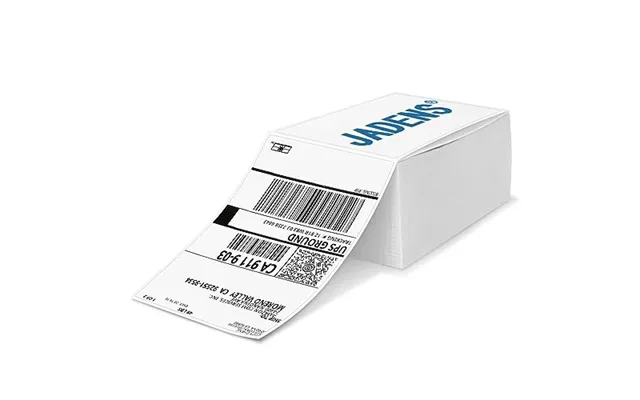
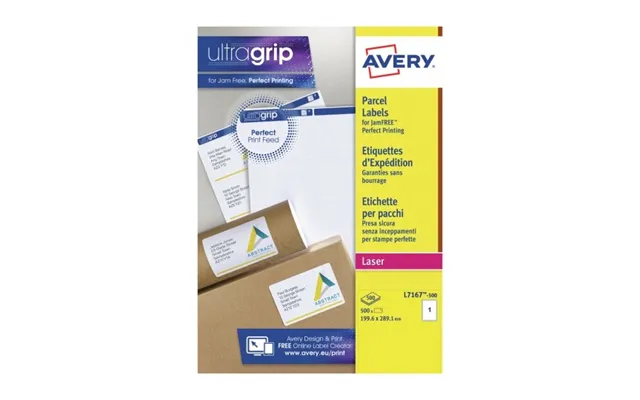
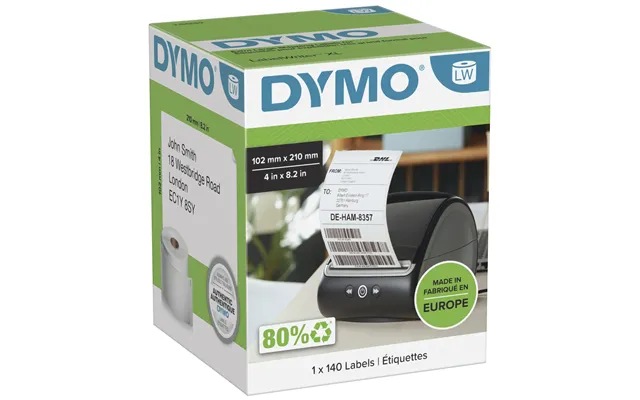
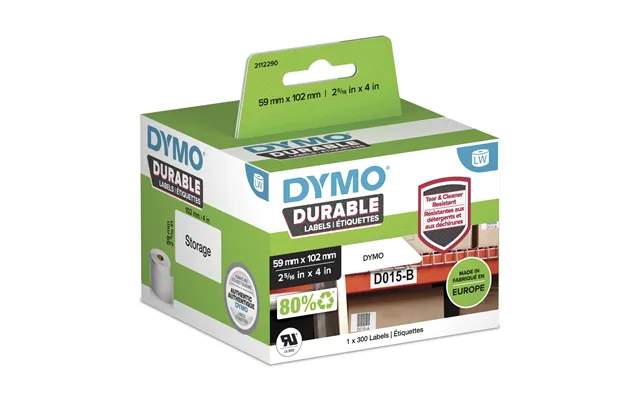
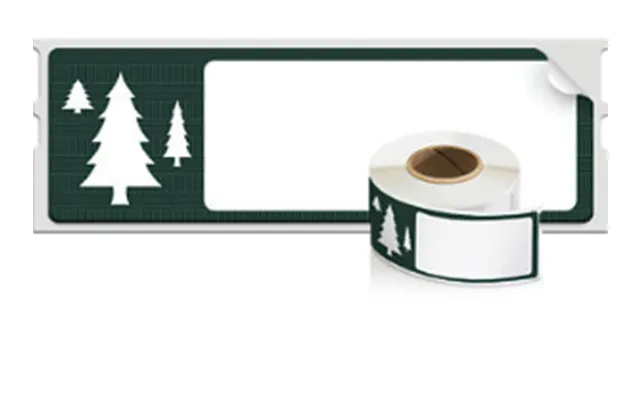
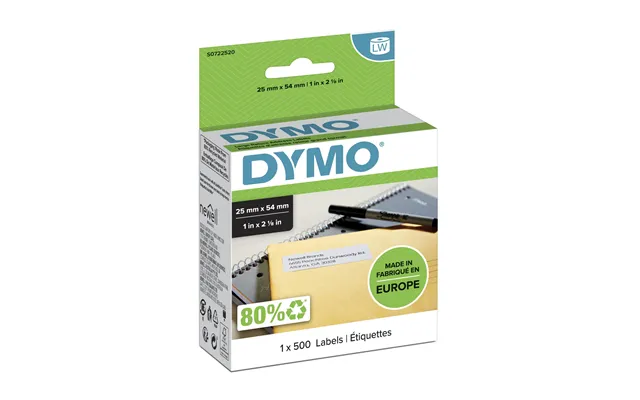
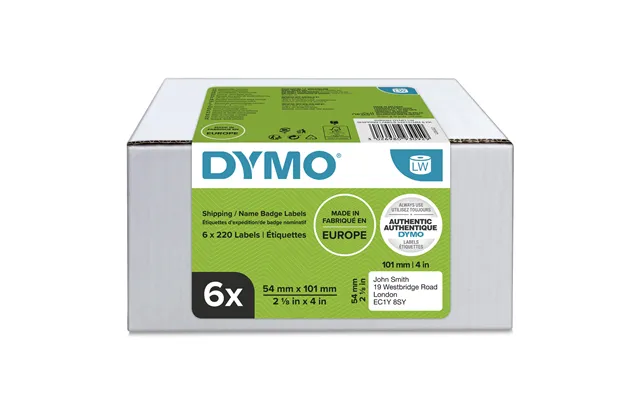
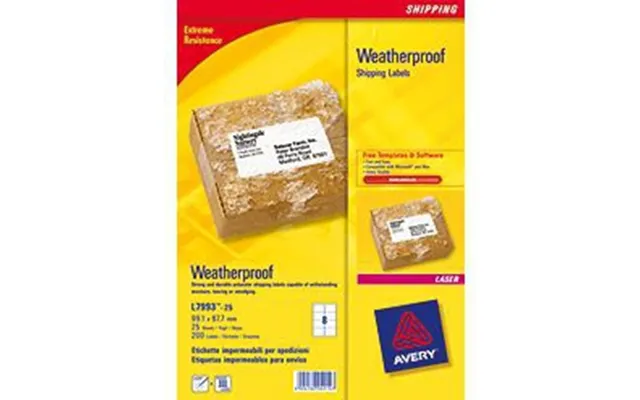
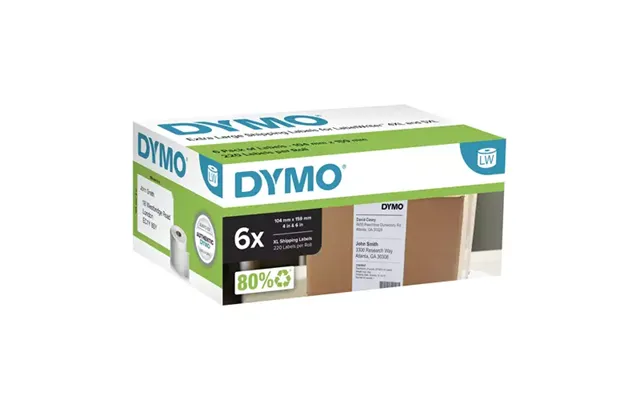
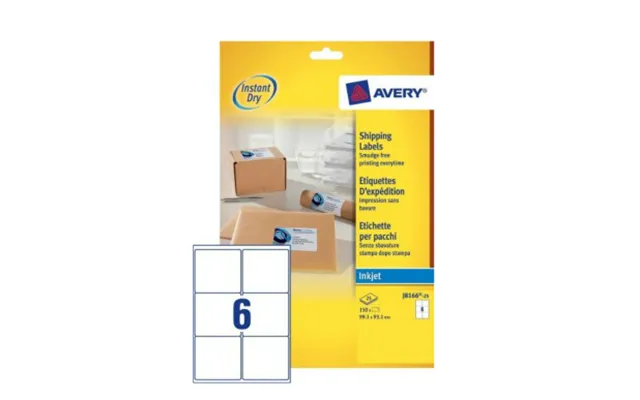
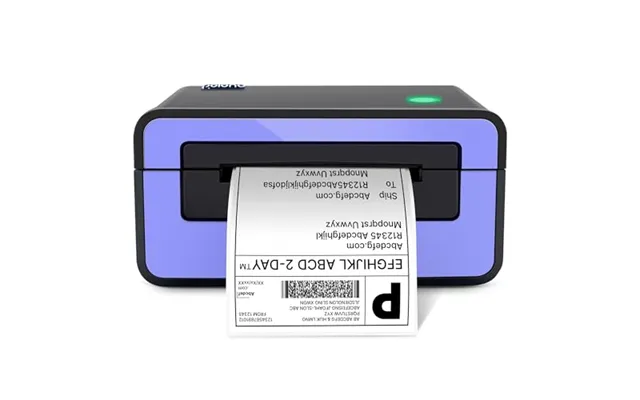
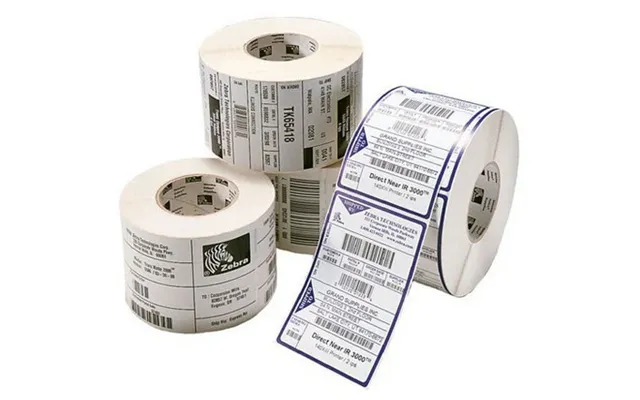
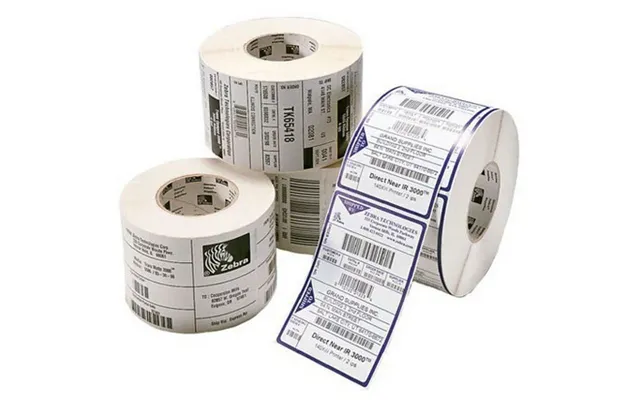
Shipping labels and barcode labels are the glue between your item and the carrier’s tracking system. Common label sizes are 4x6 inches for shipping labels and 2x4 inches for smaller barcode or product labels. Thermal printing eliminates the need for ink and delivers durable labels that resist smudging and moisture — a must for high-volume operations.
Always place labels on the largest flat side of the box and avoid seams or near edges. Keep the barcode area clean and free of creases. If you reship items often, consider investing in a thermal label printer that prints crisp barcodes every time. That small upgrade often pays for itself by cutting down scanning errors and returns.
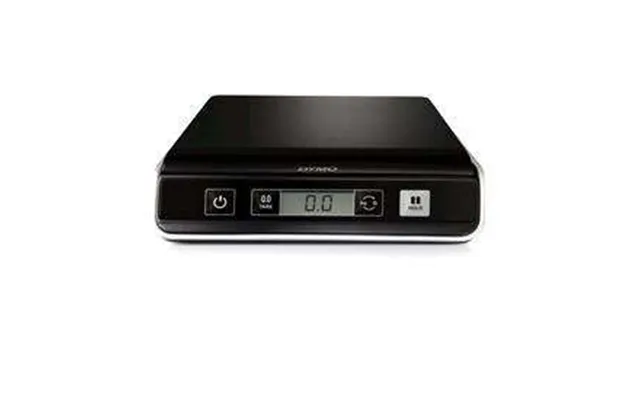
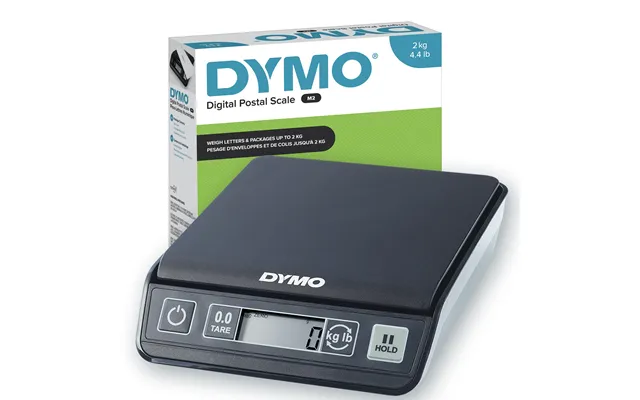
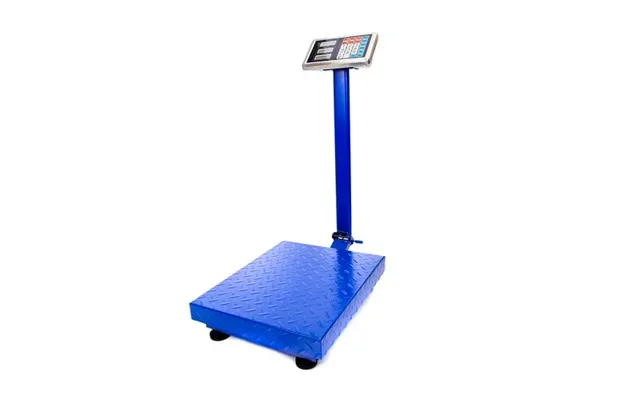
Accurate weight and dimensions mean accurate postage. Scales with capacities of 30 pounds are common for small businesses, while bigger operations might opt for 150-pound or 400-pound scales. Precision to the ounce is ideal for saving on postage — even a few ounces can change shipping costs significantly.
For sellers of clothing, books, or small electronics, a 30-pound scale that reads to the ounce is usually enough. For furniture parts or bulk shipments, upgrade to a 150-pound or 400-pound scale. Pair your scale with a reliable tape measure and a box dimensioner to avoid dimensional weight surprises from carriers.
Tamper-evident envelopes, anti-static bags for electronics, and temperature-resistant packaging for perishables fall under “other,” but they’re crucial for niche needs. Anti-static bags protect sensitive electronics from static discharge while tamper-evident bags deter meddling during transit. Thermal liners keep chocolate, cosmetics, or pharmaceuticals safer in warm weather.
If you ship electronics, always use anti-static bags plus cushioning. For high-value items, add tamper-evident seals and clear documentation inside the package. For temperature-sensitive goods, invest in insulated mailers and gel packs calibrated by degrees and duration. These extras may cost more per unit but are often cheaper than loss, spoilage, or reputational damage.
Sustainability matters more than ever. Recyclable corrugated mailers, compostable packing peanuts made from starch, and recycled kraft paper are great alternatives to traditional plastics. Using eco-friendly options can appeal to conscious customers and sometimes qualify you for bulk discounts with suppliers focused on green practices.
Paper and molded pulp are excellent for moderate protection and are easily recycled. Compostable peanuts are fine for loose fill, though they may not provide the same water resistance as traditional foam. If you sell fragile or moisture-sensitive items, combine recycled bubble wrap or kraft crumple with eco-friendly void fill to get the best of both worlds.
Buying in bulk is the classic way to lower per-unit costs, but there are smarter tactics too. Match supply widths to your most-used box sizes, consolidate vendors to negotiate better rates, and track usage to avoid over-ordering. Small automation investments, like a tape dispenser or thermal printer, speed packing and lower labor costs.
Store roll goods vertically on racks to prevent crushing, use first-in, first-out for perishable liners, and keep a reorder point to prevent rush shipping fees. It’s like running a pantry: keep staples on hand, don’t hoard everything, and know what your average monthly usage looks like so you buy the right amount at the right time.
Build a starter kit that covers most scenarios: a few roll sizes of bubble wrap (12 inches, 24 inches, 48 inches), padded mailers in 6x9, 9x12, and 12x15 inches, a 2-inch and a 3-inch packing tape, 30-pound and 150-pound scales, a 4x6 thermal label roll, and a roll of 18-inch pallet wrap. Add specialty items like anti-static bags and tamper-evident mailers as needed by your product range.
Having the right mix of supplies eliminates last-minute buying and reduces packing time. You’ll ship cleaner, faster, and with fewer damaged items. With a few smart purchases upfront, your operations get smoother and your customers get a better unboxing experience — and that’s a win for repeat business.
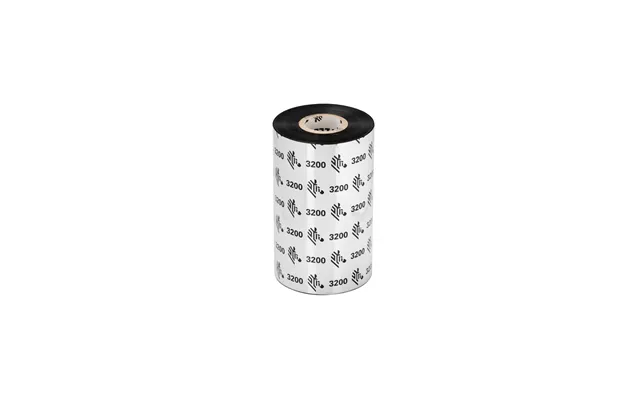
Keep supplies organized by type and size. Use labeled bins for small items like labels and tamper seals, and install a simple rack for wrap and bubble roll storage. A clear layout not only looks professional but also cuts picking time during busy packing sessions.
Store tape and labels away from direct sunlight to prevent adhesive deterioration, and keep paper-based supplies in cool, dry conditions to avoid humidity damage. Treat your supplies like ingredients in a restaurant—proper storage keeps them fresh and usable longer, lowering replacement costs.
One common error is overpacking — stuffing too much padding increases weight and shipping costs. Another is buying one-size-fits-all supplies; a mismatched tape or the wrong bubble size can lead to damage or wasted material. Finally, ignoring scales and dimensional weight rules can lead to unexpected carrier fees.
Start measuring and weighing a sample of your most common shipments for a week to understand patterns. Then adjust box sizes and packing materials accordingly. It’s like tailoring a suit — customize what you use, and you’ll get a better fit and a nicer result every time.
Shipping supplies in the “other” category are often the difference between an order that delights and one that disappoints. From bubble wrap rolls and padded mailers to labels, scales, and eco-friendly void fill, choosing the right mix of materials improves protection, cuts costs, and enhances the customer experience. Take time to evaluate your most common shipments, invest in a few efficiency tools, and consider sustainable alternatives where they make sense. Small changes in packing choices add up to big savings and fewer headaches down the road.

| £ 90,- |
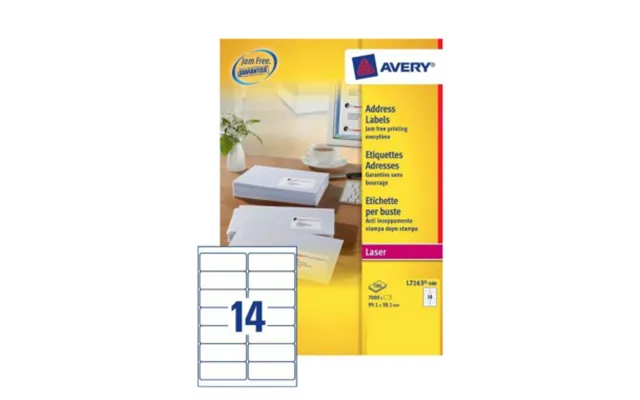
| Avery L7163-500 Addressing Label Self-adhesive Label White | £ 111,96 |