



All categories
Business & Offices
Electronics & Media
Fashion & Accessories
Groceries & Essentials
Health & Personal Care
Home & Living
Kids & Family
Sports & Outdoors
Search in ZoneOffer
Loading...
If you own a multimeter, you probably know it’s one of the most versatile tools in your kit. But like any tool, a multimeter only reaches its full potential with the right accessories. Think of probes, leads, clamps, and cases as the wardrobe for your meter: the right outfit helps you handle more jobs, stay safe, and work faster. In this guide I’ll walk you through the must-have accessories, explain what features matter, and give practical buying tips so you can spend wisely.
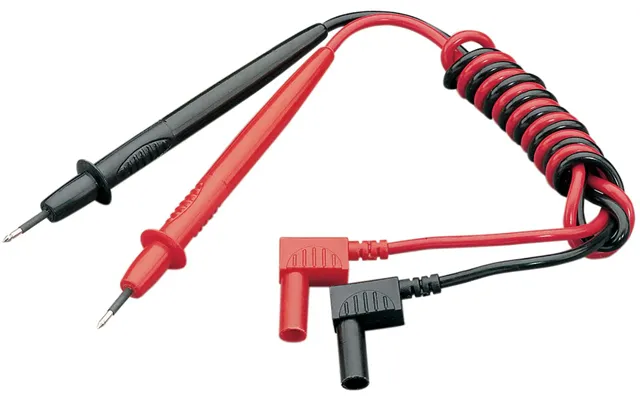
When people talk multimeter accessories, they usually mean probes and test leads. These are the everyday items you clip, probe, and dial in with. Quality test leads with sturdy banana plugs and flexible insulation make measurements reliable and comfortable, especially if you spend hours troubleshooting circuits. Look for leads rated for your meter’s maximum voltage and CAT safety rating — more on that later. A good set of leads can last years, while a cheap pair may fail at the worst moment.
Standard probes are the long, pointed tips that come with many multimeters. For tougher work, consider upgrades: replaceable tips, insulated shrouds, and spring-loaded designs that prevent accidental slips. If you need to reach tight spots, thin, flexible probes with 48-inch or 60-inch leads give you more reach without increasing clutter. For hobbyists, color-coded sets help you keep track of positive and negative connections at a glance.
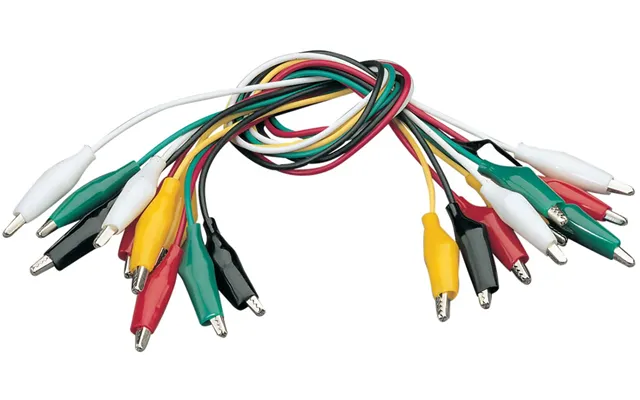
Alligator clips (or crocodile clips) turn your multimeter into a hands-free instrument. Clip the leads to terminals, and you can safely measure voltage or continuity while adjusting equipment. Some clips have insulated jaws for safety and teeth for better grip; others have removable covers or banana-plug adapters to switch between temporary and permanent connections quickly. These are indispensable when you’re bench-testing boards or setting up long-term measurements.
Banana plug adapters, shrouds, and insulated boots are small but crucial. Shrouded banana plugs reduce the risk of accidental shorts and improve contact reliability. If your meter supports different connector styles, banana-to-banana or banana-to-pin adapters help you hook up older test gear. Many pros also add insulated boots to exposed connectors, especially when working near metal chassis or crowded panels.
Leads that are flexible but rugged are worth the extra few dollars. Look for silicone-insulated leads rather than PVC if you need flexibility in cold conditions — silicone retains elasticity at lower temperatures and resists kinking. Strain relief near the plug prevents the wire from bending at a sharp angle and eventually breaking. It’s the kind of small detail that saves you from annoying failures on the job.
Need to measure current without cutting a circuit? That’s where current clamps come in. Many clamp meters work as standalone devices, but clamp accessories are also available that clip onto existing multimeter leads or probe assemblies. They let you measure AC or DC current from a safe distance and are measured in amps, often up to 600 A or more. They’re ideal for electricians working on panel circuits or HVAC techs checking motor draw.
Pay attention to the jaw opening — larger jaws let you measure multiple conductors or thick cables at once. A 1.5-inch jaw may be enough for single conductors, but 2.4-inch jaws or larger can handle conduit bundles or heavy gauge cables. Also consider the clamp’s accuracy spec at low currents; some clamps are great at high amps but poor below a few amps, which matters for troubleshooting small loads.
If your work touches on heating systems, engines, or PCBs, adding temperature measurement capability changes the game. K-type thermocouples and bead probes can be plugged into many multimeters that support temperature input. They let you verify CPU temps, motor winding heat, or pipe temperatures in Fahrenheit. Typically available as 6-inch, 12-inch, or longer leads, these sensors should be rated for the temperature range you expect — for electronics, something rated to 300°F to 600°F is common.
A sturdy case protects your multimeter and accessories from drops, dust, and spills. Soft holsters are great for quick access on site, while hard cases with foam inserts keep probes, leads, and clamps neatly organized. Look for cases with pockets for spare fuses, batteries, and small calibration screws. If you travel with your kit, choose a case that fits standard carry dimensions or an under-seat bag for convenience.
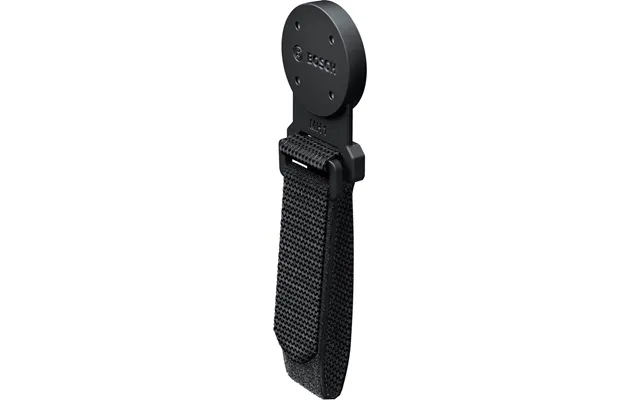
Magnetic hangers let you attach your meter to metal panels, keeping your hands free while you make adjustments. Similarly, bench stands and tilt feet give you a better viewing angle when working on a test bench. These hands-free add-ons are cheap but save you time and frustration, especially on long projects where you’d otherwise prop the meter against boxes and hope it doesn’t fall.
Don’t let a blown fuse or drained battery ruin your day. Many digital multimeters use internal fuses to protect the current measurement path; carrying a couple of spare fuses ensures you can continue work without a failed measurement stopping you. Likewise, keep spare AA or 9V batteries depending on your meter. For probes, many designs use replaceable metal tips so you can swap worn tips rather than replacing the entire probe set.
Some jobs require specialty leads: high-voltage insulated leads for HVAC or industrial work, low-noise coax-style leads for sensitive signal measurements, or shielded probes for noisy environments. If you’re measuring small millivolt signals, invest in shielded leads and twisted pairs to reduce interference. For high-voltage tasks, choose leads rated well above the working voltage — a 1,000 V-rated lead gives peace of mind when working on 480 V systems, for example.
Calibration accessories and test references help you verify that your multimeter and its accessories are accurate. A small, well-documented voltage reference or decade resistor box gives you a known baseline to check measurements against. If you depend on measurement precision — like in calibration labs or when certifying equipment — regular calibration against a traceable standard is essential. Even hobbyists benefit from occasional checks to spot drift or damaged leads.
For general fieldwork, checking once a year is reasonable; for precision tasks, follow manufacturer recommendations or organizational standards. If your meter has been dropped, exposed to moisture, or used in extreme temperatures, check it sooner. Calibration is like tune-ups for your car: cheap insurance against costly mistakes.
Shopping for accessories can be confusing, with wildly different prices and specs. Start by matching accessories to your meter’s max voltage and CAT safety rating. Read reviews for real-world durability, and prefer known brands for fuses and thermocouples. Don’t automatically buy the cheapest cable set — the small savings up front can become expensive if leads fail mid-job. Comparison sites and deal aggregators are great for spotting seasonal sales on bundles that include clamps, probes, and cases.
Bundles can be convenient and often cheaper if you need multiple items at once, but they sometimes include low-quality extras. If you’re building a professional kit, consider buying the core items (high-quality leads, a clamp, a good case) first, then add speciality probes as needed. For occasional users, an all-in-one kit from a reputable brand usually offers the best balance of value and compatibility.
Simple maintenance extends the life of your accessories. Wipe probes and leads after use, avoid sharp bends at the connection points, and store everything in a dry case away from direct sunlight. Check insulation for cracks and replace frayed leads immediately. For thermocouples, avoid kinking the wire and clean probe tips gently; rough treatment shortens their lifespan and accuracy.
Most leads and probes use standard banana plugs and work across many meter brands, but double-check connector types and sizes. Some meters use recessed jacks or non-standard connector arrangements for safety; in those cases, choose accessories that match the meter’s design or use proper adapters. If you’re unsure, match the accessory’s safety ratings and plug type to your meter rather than assuming universal compatibility.
Your ideal set of accessories depends on the kind of work you do. A home hobbyist may be happy with a basic probe set, a thermocouple, and a soft case. A field electrician should invest in heavy-duty silicone leads, a reliable clamp, insulated alligator clips, and a hard case with foam. Treat accessories as investments; spending a bit more now saves time, improves safety, and reduces the chance of measurement errors later.
Multimeter accessories turn a simple meter into a capable, flexible instrument that handles real-world tasks safely and efficiently. From probes and shields to clamps and thermocouples, the right add-ons make measurements easier, faster, and more reliable. Match your accessories to the voltage, environment, and tasks you face, prioritize safety ratings and build quality, and keep spares for common wear items like fuses and tips. With the right kit, your multimeter becomes a true workhorse rather than just a box on a shelf.
| Multimeter Accessories | Price | |
|---|---|---|
| Mercury Multitester Replacement Test Leads | £ 1,89 | |
| Mercury Alligator Crocodile Clip Test Leads Set 10 Coloured Leads | £ 2,29 |

