All categories
Business & Offices
Electronics & Media
Fashion & Accessories
Groceries & Essentials
Health & Personal Care
Home & Living
Kids & Family
Sports & Outdoors
Search in ZoneOffer

Loading...
If you treat your table saw like a chef treats a knife, you know the right accessories turn a good cut into a great one. Upgrading a few key items—blades, fences, sleds, and safety gear—often yields dramatic improvements in accuracy, speed, and safety. Think of accessories as the seasoning that brings out the full flavor of your saw: a sharp blade gives you clean edges, a solid fence gives you repeatable cuts, and a quality dust setup keeps your shop livable. You don’t need to replace the whole saw; the right add-ons can stretch its usefulness for years.
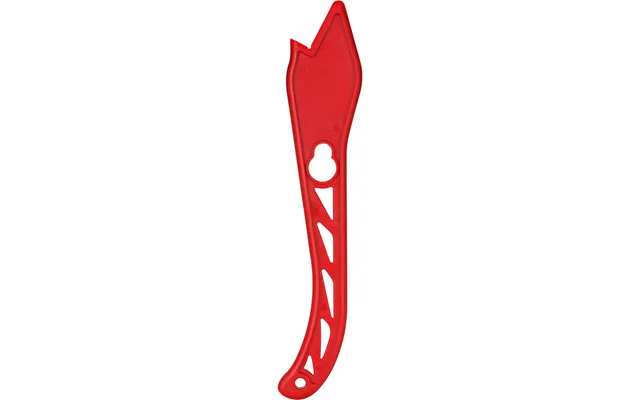
Safety is non-negotiable. A good blade guard and a properly fitted riving knife reduce the risk of kickback and accidental contact, and push sticks keep your hands a safe distance from the blade when ripping narrow stock. Look for guards that are easy to adjust and don’t interfere with visibility. Riving knives should be aligned within a fraction of an inch to the blade and move with the blade for consistent protection during non-through cuts. If you’re working with thin or narrow pieces, invest in several push sticks and push blocks so you always have the right tool at hand.
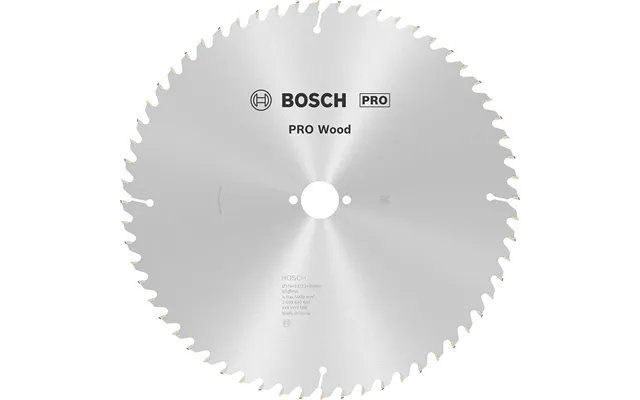
Not all blades are created equal. A 10-inch blade with a 40-tooth configuration is versatile for most ripping and crosscutting, while an 80-tooth or higher blade offers mirror-like crosscuts on plywood and veneered panels. Thin-kerf blades remove less material, reducing tear-out and putting less strain on small table saw motors. Carbide-tipped teeth are the standard for longevity and clean cuts. If you do a lot of dado or groove work, consider a dedicated dado set—those stackable blades let you dial in a width with precision down to a fraction of an inch.
A solid rip fence is the backbone of repeatable ripping. Cheap fences flex and drift; premium fences lock firmly and track parallel to the blade within a hair’s breadth. A good miter gauge with positive stops makes crosscuts faster and more accurate than a cheap sliding bar. For the highest accuracy, build or buy a crosscut sled: it turns a shaky crosscut into a 90-degree dead-on cut every time, especially for wide boards and sheet goods up to several feet across.
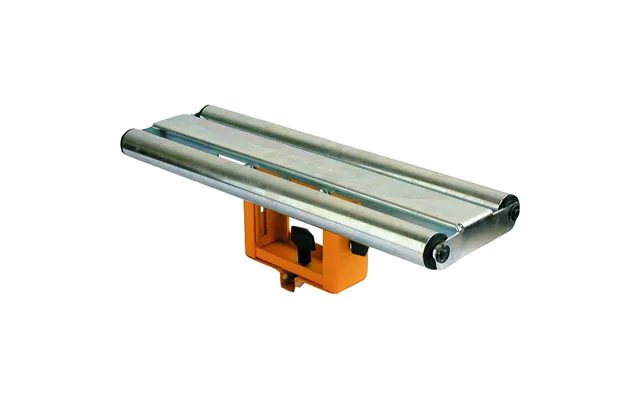
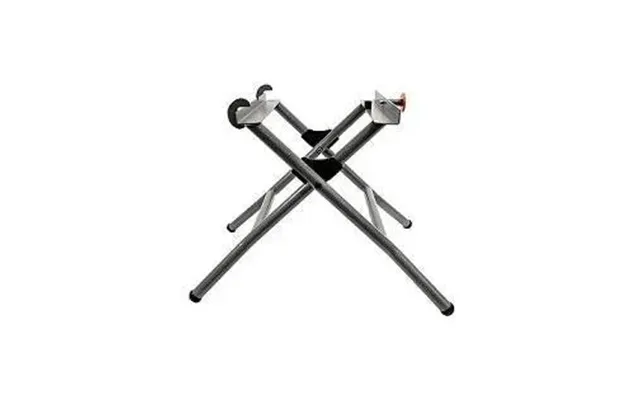
Workholding is often overlooked until a cut slides or a board tips. Featherboards apply steady lateral pressure to keep stock against the fence, especially useful when ripping thin strips. Toggle clamps and hold-downs make repeat operations safe and stress-free. An outfeed table or roller stand supports long boards as they exit the blade and prevents snipe; set one up at the same height as your table saw top to within 1/16 inch for smooth feeding. For resaw-style cuts, a sacrificial fence or zero-clearance insert can prevent tear-out and protect the saw.
Dust is the silent thief of health and accuracy. A dedicated dust port adapter and a good hose routed close to the blade capture the bulk of sawdust at the source. If you can, add a shop vac or a single-stage dust collector with a flexible hose that connects to the blade guard’s port; keeping chips off bearings and fences prolongs life and reduces tuning frequency. Remember, larger collection bags fill fast—check them by weight, not volume, and empty before they get heavy and clog airflow.
If your shop is a multi-use space, a mobile base turns a stationary saw into a flexible workhorse. Choose one rated for your saw’s weight, and look for locking casters that hold steady when you need them to. Soft-start switches reduce the initial torque shock on the motor, which is kinder to belts and electrical circuits and gives you a moment to stabilize material before full speed hits. Add vibration-dampening pads or leveling feet to improve cut quality—less vibration means cleaner cuts and less wear on blades and bearings.
When you step beyond standard ripping and crosscutting, specialty accessories shine. A stacked dado set expands your capabilities to make rabbets, grooves, and dadoes up to 3/4 inch or more, depending on the set. Zero-clearance inserts reduce tear-out and make delicate cuts safer by supporting the workpiece around the blade. For finishing, sanding drums that mount on the arbor or compatible jigs let you shape edges and profiles right at the saw with control and consistency.
Experienced woodworkers often favor specific names for reliability. Look at carbide-tipped blades from reputable brands for long life. For fences, aluminum extrusion models with robust locking mechanisms tend to outperform stamped steel fences on accuracy. Crosscut sleds are often DIY projects, but there are excellent commercial sled kits that fit most 10-inch table saws and drop-in replacement throat plates. Featherboards, push blocks, and miter gauges are available from both specialist and general tool manufacturers—read reviews, compare specs, and prioritize build quality and adjustability.
Installation is where many users trip up. Always disconnect power before installing a riving knife, changing blades, or adjusting electrical components. For fences and miter gauges, run a square-to-blade test using a known 1-inch by 2-inch block or a combination square; adjust the fence so it’s parallel to the blade within 1/32 inch across its length. Make a series of test cuts on scrap wood to dial in blade height, fence alignment, and sled calibration. Small iterations keep you from wasting stock—and from discovering misalignment mid-project.
Routine maintenance is simple but powerful. Clean resin and pitch off blades with a citrus-based cleaner every few weeks or after a heavy use session; a clean blade cuts cooler and lasts longer. Check the tension and condition of belts, and oil moving parts lightly where recommended by the manufacturer. Store blades flat or in a rack to prevent warping, and hang fragile jigs to keep them from getting crushed. Proper maintenance saves money and improves consistency.
Think in combos: a high-quality blade plus a zero-clearance insert and a crosscut sled is a killer trio for cabinet doors and furniture panels. For repetitive ripping, match a rigid rip fence with featherboards and a push stick—this cuts time and improves safety. If you work with sheet goods, add roller stands, a scoring blade, and a dust collection port; these together reduce tear-out, support large panels, and keep chips from becoming a hazard. When accessories work together, they multiply each other’s benefits.
Not every accessory needs to be top-shelf. Spend on items that affect safety and precision first—blades, riving knives, and fences are worth a higher upfront cost. Featherboards, push sticks, and sled bases can be DIY or bought cheaply and still perform well. Watch for bundled deals during seasonal sales or on comparison sites where you can line up prices from multiple sellers at once—this helps you prioritize purchases and stretch your shop budget without sacrificing quality.
Comparison sites are your friend when hunting for the right accessory. Focus on specs—blade diameter, kerf width, arbor size, fence parallelism tolerance, and sled construction materials—not just price. Read user reviews specifically for durability and real-world fit on your saw model. Check for included hardware like bolts, miter slots, and spacers so you don’t get stuck buying extra parts. A careful comparison helps you get the gear that fits your workflow, not just the lowest price.
One of the biggest mistakes woodworkers make is assuming all accessories are universal. Measure your arbor, miter slots, and table dimensions before ordering. Another misstep is skipping test cuts; trust the saw, not the eyeball. Finally, don’t skimp on safety—cheap blade guards that block visibility or riving knives that don’t align properly are worse than no guard at all. Avoid these traps, and you’ll save time, money, and maybe a finger or two.
Upgrading your table saw with the right accessories is like tuning an instrument: small adjustments bring big improvements. Whether you’re cutting plywood for a new cabinet, crafting furniture, or doing trim work, the right blades, fences, sleds, and safety gear will make your work faster, cleaner, and safer. Start with the essentials—safety and a good blade—then add accuracy and comfort items that fit your workflow.
Ready to build a parts list? Make a prioritized plan, compare specs across sellers, and invest in the accessories that hit your most common tasks. That way your table saw doesn’t just cut wood; it helps you craft better projects with less stress and more joy.
| Table Saw Accessories | Price | |
|---|---|---|
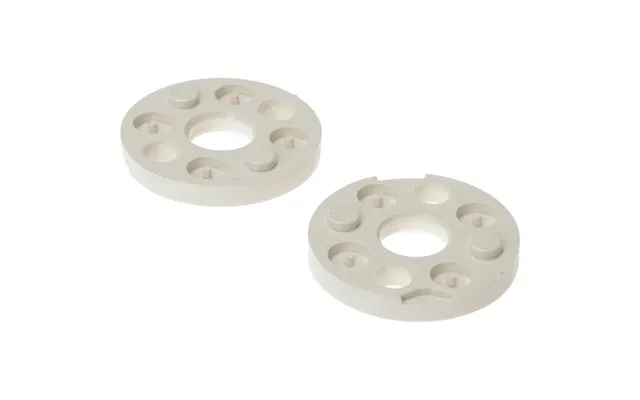
| Alm Manufacturing Fl182 Blade Height Spacers | £ 3,38 | |
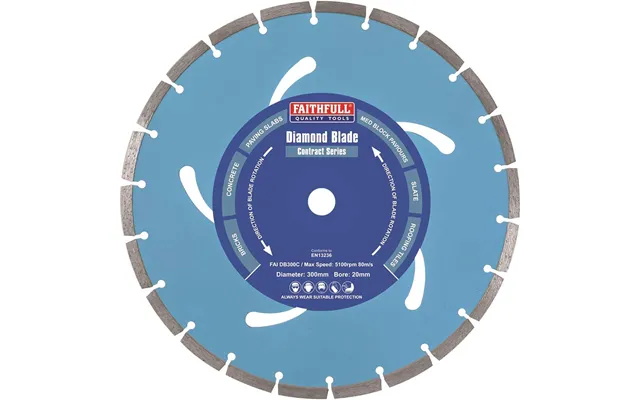
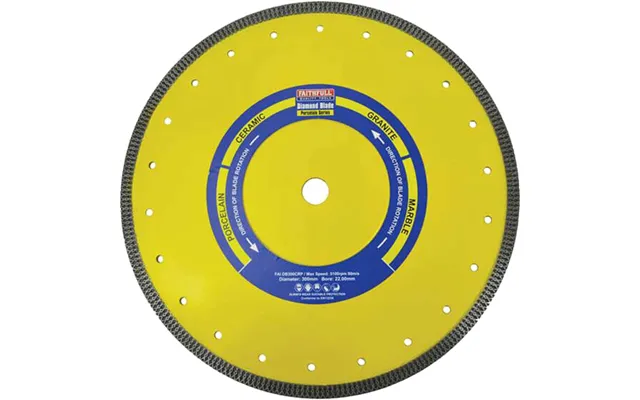
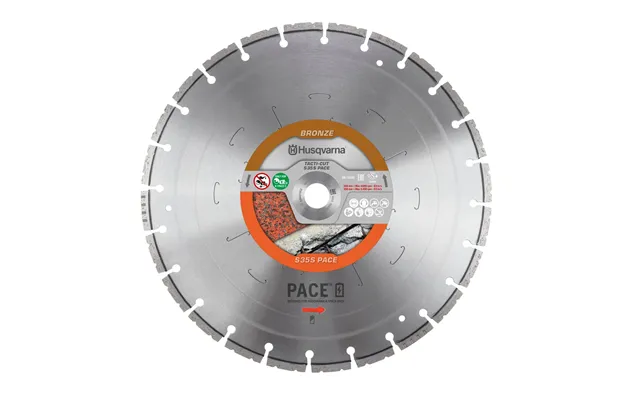
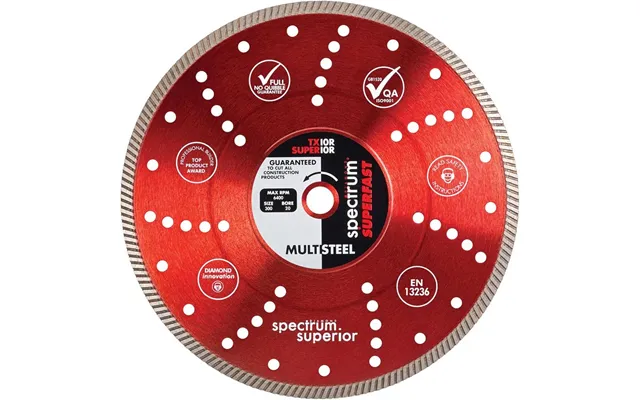
| Faithfull Faidb300c 300mm Diamond Blade | £ 31,55 | |
| Edgepoint Edgdbgp10350 350mm General-purpose Diamond Blade | £ 46,21 | |
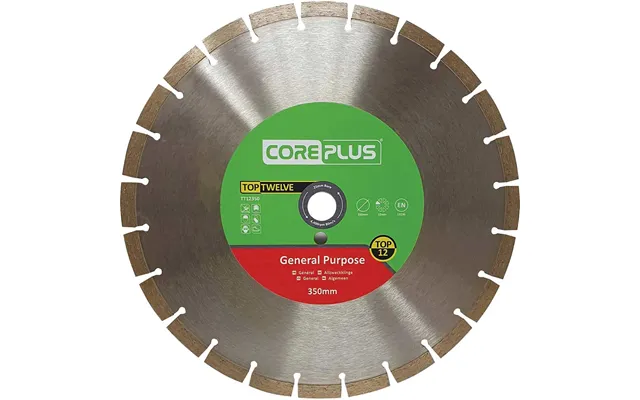
| Coreplus Cordbtt12350 350mm Diamond Blade | £ 47,76 | |
| Evolution Rageblade355diamond 355mm Diamond Blade | £ 59,58 | |
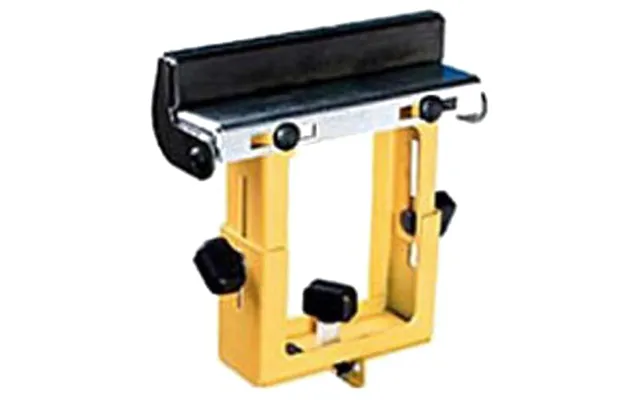
| Dewalt Power Tools Dewalt De7024xj Work Support Stop | £ 81,09 | |
| Faithfull Faidb300crp 300 X 20mm Porcelain Diamond Blade | £ 89,85 | |
| Dewalt Power Tools Dewalt De7027xj Roller Support | £ 109,18 |