



Paint Shakers
Loading...
Loading...
If you’ve ever opened a paint can and found a layer of pigment or settled solids at the bottom, you know how frustrating uneven paint can be. A paint shaker saves time and delivers consistent results by thoroughly mixing paints, varnishes, and stains. Whether you're refreshing a living room or tackling large commercial jobs, a reliable shaker means fewer paint problems and smoother finishes.
Paint shakers use repeated motion—orbital, vertical, or a combination—to agitate the contents of a sealed can until pigments and binders are fully distributed. Think of it like giving your paint a vigorous workout: the shaker applies pressure and motion so pigments re-suspend evenly. Most machines let you secure a can, set a timer, and walk away while the device does the heavy lifting.
Bench-mounted shakers are compact and clamp onto a workbench or countertop. They’re usually rated for 1-quart up to 1-gallon cans and are popular with small paint stores and hobbyists. If you have limited floor space but need a dependable unit that handles frequent use, a bench-mounted model is a solid option.
Floor-standing paint shakers are beefier machines that can tackle larger volumes and heavier cans, like multiple 1-gallon cans or even 5-gallon pails depending on the model. Pros who mix paint daily or shops that process many tins prefer floor units for their durability and torque.
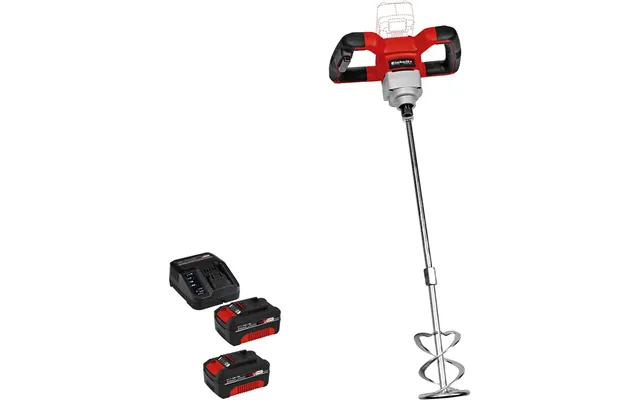
Not all jobs need a mechanical shaker. Portable, handheld paint mixers—basically a heavy-duty drill with a mixing paddle—are perfect for small batches, sample pots, and on-site touch-ups. They won’t replace a full shaker for professional use, but they’re lightweight, inexpensive, and handy in a toolbox.
Always check the maximum can size. Most consumer units handle 1-quart to 1-gallon cans, while commercial units accept larger drums or multiple cans. If you plan to use 5-gallon pails, look for a shaker rated for that capacity—trying to force a large can into a small unit is a fast track to frustration.
Shakers list speeds in rotations per minute (RPM) or describe motion as orbital vs. vertical. Orbitals are gentler and excellent for blending colorants without aerating, while vertical high-impact motion is better for stubborn settled pigments. Adjustable speed control is a must for versatility.
A good clamping system keeps the can secure and prevents leaks. Look for quick-release clamps, rubberized grips, and adjustable holders that fit common can diameters. Durable, well-designed clamps reduce vibration transfer and improve safety.
Paint shakers can be noisy and vibrate heavily. Machines with built-in dampening or soft-mount feet minimize noise and protect your bench or floor. If you work in a small shop or shared space, consider the decibel level—quieter machines improve working conditions.
Built-in timers let you set a shake cycle and walk away, freeing you for other tasks. Some advanced models offer pre-programmed cycles for different paint types, while others include memory functions so you can repeat the same setting reliably.
Are you repainting a whole room, running a paint-matching service, or restoring old furniture? If your projects involve multiple cans, matching colors precisely, or frequent color changes, a shaker pays for itself in time saved and better finish quality. For occasional single-can touch-ups, a handheld mixer might be adequate.
There are several reputable brands in the market known for build quality and reliability. Look for models designed specifically for paint (not general-purpose lab shakers), with good warranty coverage. If you need names to start your comparison, search for professional-grade bench and floor shakers with adjustable speed ranges and robust clamping systems—these are the units that tend to get the best reviews from painters and decorators.
Always inspect the can for dents or damage before clamping. Tighten the lid properly and wipe any drips from the outside so the clamp gets a good grip. Position the can squarely in the holder to avoid imbalance during the shake cycle.
Start with a short cycle—30 to 60 seconds—and check the paint. If solids remain, increase the time in 30-second increments. For delicate finishes, lower speed settings reduce the chance of foaming. If the label specifies mixing instructions, follow those first; manufacturers sometimes recommend a specific action.
Let the can rest a minute after removing it from the shaker; this allows bubbles to settle. Stir briefly with a paddle or stick if you see any thin layers or small clumps. Always test the paint on a scrap surface when color match and finish are critical.
Regular maintenance extends life and performance. Wipe spills immediately, check clamps for wear, and tighten loose bolts periodically. Replace worn rubber grips and clean dust from vents to prevent motor overheating. If the unit has replaceable springs or belts, keep spares on hand for quick fixes.
If your unit stalls, check for overloaded cans or an improperly clamped container. Excessive vibration usually indicates an imbalanced can or a loose mounting. Strange noises can be a sign of worn bearings—plan for professional service if you hear grinding. Most issues are simple to diagnose if you follow a quick checklist before calling support.
Handheld mixers are great for small jobs and can sit in your garage alongside a cordless drill. They mix well when you only need a few quarts or a small sample pot. Remember that paddle mixers introduce more air into the paint, so allow bubbles to settle before use.
Small sample shakers are perfect for paint stores or customers who want a test pot. These units specialize in tiny bottles and sample cups and are indispensable for color-matching operations where quick, consistent mixing of small volumes is routine.
For high-volume shops, automated batch mixers and color-dispensing systems reduce manual labor and human error. These systems often integrate with digital color databases for rapid color matching and large-scale production.
Shopping for a paint shaker in the UK market? Prioritize capacity and motor power over price. Check whether the supplier lists compatible can sizes in gallons and pints—remember to double-check conversions if a spec shows metric units. Look for UK warranties and local service availability, and read buyer reviews to understand real-world durability.
Prices range widely. A basic handheld mixer might cost under $50, while a heavy-duty floor shaker can run several thousand dollars. Think about your workload: do you need a workhorse that runs all day, or a unit for occasional weekend projects? Spending more up front on a durable model usually saves money over repeated cheap replacements.
Mix only what you need to reduce waste. If you run a business, keep an eye on inventory rotation so you use older cans first. Recycle empty cans where possible and dispose of excess paint according to local hazardous-waste guidelines. Small habits, like carefully measuring and pre-mixing samples, cut down on wasted material.
If you have a one-off project, renting a high-end shaker may be the smartest choice. Rentals let you access powerful machines without the up-front cost and maintenance responsibilities. For frequent use or if you offer paint services, buying makes more sense in the long run.
Don’t overfill cans, ignore manufacturer instructions, or rush the mixing cycle. Overzealous shaking at too-high speeds can aerate the paint, leading to bubbles and poor finish. Also avoid using the wrong clamp size—forcing an odd-sized container into a shaker risks spills and damage.
Compare models side-by-side, read verified reviews, and check for seasonal discounts or bundle deals that include clamps or paddles. Independent comparison sites can help you filter by capacity, motion type, and price. Always confirm specs and warranty details before you commit.
Confirm capacity and compatible can sizes, verify motor power and speed range, check clamp designs, look at noise/vibration ratings, and ensure replacement parts and service are available. If possible, test a demo unit to see how it handles your typical cans and projects.
Choosing the right paint shaker simplifies your workflow, improves paint quality, and can save you time and money. Whether you’re a weekend DIYer, a small paint retailer, or a professional decorator, match the shaker’s capacity, motion type, and durability to your needs. Take the time to compare features, read reviews, and consider long-term maintenance before buying or renting. With the right machine, mixing paint becomes one less thing to worry about and one more step toward a flawless finish.