

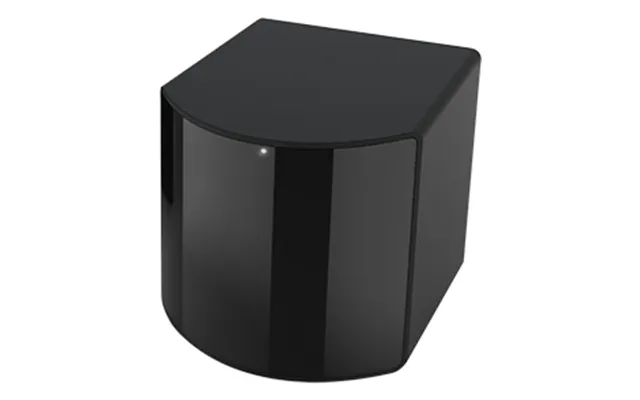
Steam Press Accessories price list
Last updated Tuesday, 20 Oct 2026
| Steam Press Accessories | Price |
|---|---|
| Htc Steamvr Base Station 2.0 Black | £182.58 |
| Htc Steamvr Base Station 2.0 Black | £218.99 |
| Htc Steamvr Base Station 2.0 Black | £219.10 |



Loading...
Last updated Tuesday, 20 Oct 2026
| Steam Press Accessories | Price |
|---|---|
| Htc Steamvr Base Station 2.0 Black | £182.58 |
| Htc Steamvr Base Station 2.0 Black | £218.99 |
| Htc Steamvr Base Station 2.0 Black | £219.10 |
If you own a steam press, you know how much time it can shave off your ironing routine. But did you know the right accessories can make a good press great? Accessories extend lifespan, improve results, and protect delicate fabrics — they’re the secret sauce behind consistently crisp shirts and wrinkle-free curtains. Think of accessories as tuning a classic car: the engine is the press, but the right parts and maintenance keep it running smoothly.
The pressing pad is the heart of the steam press. Over time it compresses, scorches, or simply wears out. Replacing that pad restores even pressure and consistent heat across the whole plate. Look for pads sized to your press — many models use pads between 10 and 22 inches wide — and choose heat-resistant silicone or reinforced cotton layers for durability. Some pads come with extra foam cushioning for heavier fabrics like denim or canvas.
Measure the flat plate of your press in inches — width and length — and allow a small tolerance for fitting. If a pad is listed as 16 x 20 inches and your plate is 15.5 x 19.5 inches, you’re in the clear. Buying a pad that’s too small leaves edges exposed; too large and it bunches up. Universal pads can be handy, but a model-specific pad gives the best fit and finish.
Covers shield the press plate from direct fabric contact and reduce shine on silk and synthetic blends. A quality cover is like sunscreen for your garments — it prevents scorch marks and distributes heat more evenly. Materials range from cotton pressing cloths to coated, heat-reflective fabrics. If you press daily, opt for a cover with a reinforced stitching pattern to resist frequent washing and high heat.
Cotton covers give a soft finish and are ideal for delicate fabrics, while Teflon-coated or silicone-slathered covers resist sticking and flash scorch. For heavy-duty use, a reflective metallic layer can bounce heat back and speed up pressing times. Always check maximum temperature ratings — many covers will state a safe limit in degrees Fahrenheit.
Hard water is a silent killer of steam systems. Scale builds up in boilers and nozzles, reducing steam output and degrading performance. Anti-scale cartridges and inline filters are inexpensive add-ons that protect internal components and keep steam flow strong. If your press has a removable reservoir, consider using distilled or demineralized water for a longer, cleaner life.
Replacement schedules depend on your water hardness and usage, but a common rule is every 3 to 6 months for average household use. If you live in a very hard-water area, change them monthly. Cartridge packaging usually gives guidance in gallons or hours of operation; keep a simple calendar reminder so you don’t forget.
It sounds mundane, but a good measuring cup and a funnel make filling the reservoir clean and accurate. Many presses have tiny openings that make spills likely; a narrow funnel or a pourer with a long neck turns a messy chore into a quick top-up. Look for cups with volume markings in cups or fluid ounces; knowing your press’s reservoir capacity in cups helps prevent overfilling.
Empty the reservoir when you won’t use the press for several days, and refill with fresh water just before use. Use a small funnel to avoid spills on the electrical parts, and wipe any stray moisture with a dry cloth. If your press recommends distilled water, keep a 1 quart bottle on hand; it’ll last several refills depending on your press’s capacity.
A pressing cloth is an inexpensive hero. Use it over delicate prints, embroidery, or synthetic fabrics to prevent shine and melting. Pressing cloths come in muslin cotton, silk, and cotton-poly blends — muslin gives a neutral finish and can be washed repeatedly. For heavy creasing, a silicone pressing pad provides a non-stick surface that helps glide the fabric under the plate without trapping heat in one spot.
Always use a pressing cloth with dark or delicate fabrics, appliqués, and anything with metallic threads. Treat it like a sacrificial layer: it protects both your garment and the press surface. Keep 2 or 3 on rotation so you can swap a damp or stained one easily while another is in the wash.
When you’re cranking out multiple shirts or pressing layers, heat-resistant gloves are a smart investment. They let you adjust garments under a hot plate without the risk of burns. Tongs are especially helpful for moving heavy items like curtains or ironing folded stacks. Look for gloves rated for the highest temperature your press reaches in degrees Fahrenheit to be on the safe side.
Choose gloves with textured palms for grip and a cuff that reaches your wrist or forearm for extra protection. Silicone-coated gloves resist steam and hot water, while gauntlet-style gloves give added coverage when you’re pressing larger textiles. Comfortable fit matters — if the gloves are clumsy, you’ll avoid using them when you really should.
To get professional creases and crisp hems, specialized molds and boards are game-changers. Trouser clips and dedicated trouser pressing boards maintain an even shape while you press, preventing unwanted folds. Sleeve and collar molds help you shape cuffs and collars precisely, just like the cleaners do. These attachments are especially useful for shirts, uniforms, and formal wear.
Molds and boards hold fabric in an ideal position so the press applies consistent pressure. Without them, it’s easy to miss a curve or create a tiny crease that ruins a shirt. Investing in a couple of molds tailored to your most-used garments will speed up your workflow and raise the quality of your finished pieces.
You don’t have to lug your press everywhere, but if you do transport it for events or tailored work, a padded travel case protects it from dings and knocks. At home, a fitted cover keeps dust off the plate and prevents accidental scratches. For smaller accessories, a compartmentalized tote or box keeps measuring cups, funnels, gloves, and pressing cloths organized and within reach.
When storing your press for a season, empty and dry the reservoir, remove detachable pads, and keep covers and cloths clean. Store accessories in a dry box to prevent mildew. If space is tight, hanging storage with labeled pockets is a neat solution to keep everything tidy and easy to grab.
Compatibility is king. Check your press manual for recommended accessories and dimensions. Brand-specific parts usually fit perfectly, but universal products can work when you match the right measurements. If you’re buying from a comparison site, filter by press model or plate size — it saves the guesswork and helps you avoid returns.
Universal accessories offer flexibility and can be cheaper, but model-specific parts often provide a snugger fit and better performance. If your press has unique features — like a curved plate or integrated steam channels — opt for manufacturer-recommended pads and covers to keep warranty protections intact.
Little habits go a long way. Wipe the plate after each session, change anti-scale cartridges on schedule, and wash covers and pressing cloths regularly to avoid build-up. A monthly deep clean of the reservoir and steam vents keeps steam flow consistent and avoids that dreaded drop in performance.
Use manufacturer-approved descaling products or a mild diluted vinegar solution in line with the manual. Never pour cleaning liquids directly on electrical components; instead, fill the reservoir, run a short steam cycle, and then flush with clean water. Always allow the press to cool completely before cleaning or replacing pads and covers.
Some accessories pull double duty. A heat-resistant glove works equally well with a handheld steamer, and pressing cloths are universal. Funnels, measuring cups, and anti-scale cartridges often fit both station-type steamers and full-size presses, which is a bonus if you use multiple appliances. Buying versatile accessories reduces clutter and stretches your budget further.
If you own a steam press and a handheld steamer, prioritize accessories that fit both: universal anti-scale filters, washable pressing cloths, and ergonomic tongs. That way, you’re investing in items that pay off across tasks, from quick touch-ups to heavy-duty pressing.
Comparison websites can help you spot discounts and bundle deals on accessories. Look for seasonal sales around holidays when outlets discount replacement pads and kits. When comparing, check shipping, return terms, and whether the accessory is listed as genuine or aftermarket. A slightly higher-priced OEM part often lasts longer, saving time and money in the long run.
Buy replacement pads and filters before your old ones fail — avoid last-minute panic buys at premium prices. If you press routinely, keeping a spare pad, a couple of filters, and an extra cover on hand is smart. That small upfront cost prevents downtime and keeps your ironing schedule on track.
Little upgrades make a huge difference. Swap a worn pad, add a pressing cloth, and use a filter — you’ll notice faster cycles, fewer scorch marks, and more consistent creases. Accessories won’t replace a heavy-duty press, but they transform a good appliance into a reliable, professional-grade tool.
Ready to upgrade your steam press setup? Start with the pads and filters, then add protective covers and a set of gloves — your laundry routine will thank you. And when in doubt, measure twice and buy once.
Investing in the right steam press accessories is like tuning up your Kitchen Knives: it’s a subtle change that radically improves results. From replacement pads and heat-resistant covers to anti-scale cartridges and molds for trousers and sleeves, every accessory plays a role in producing sharp creases, protecting fabrics, and prolonging your press’s life. Use a mix of model-specific and universal items, keep a maintenance schedule, and shop smartly to get the best value. With the right kit, you’ll spend less time fighting wrinkles and more time enjoying crisp, professional finishes from the comfort of your home.