

Patio Heater Covers price list
Last updated Tuesday, 20 Oct 2026
| Patio Heater Covers | Price |
|---|---|
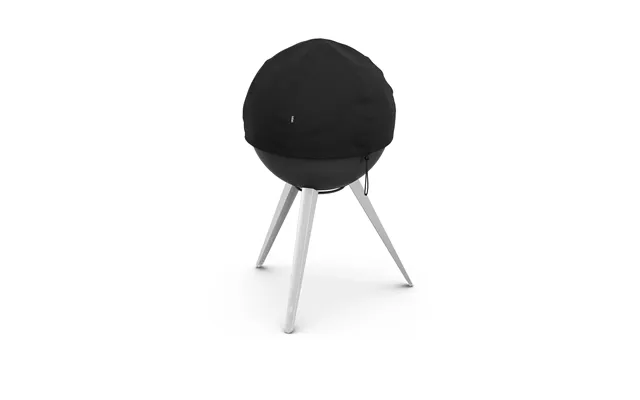
| Höfats Moon 45 Cover Black | £58.65 |
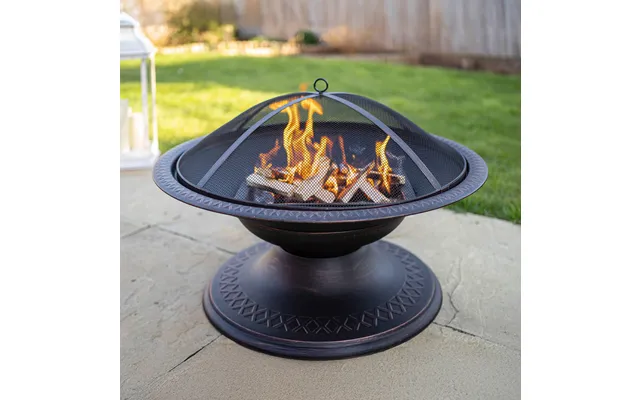
| Toscana Firepit | £104.99 |





Loading...
Last updated Tuesday, 20 Oct 2026
| Patio Heater Covers | Price |
|---|---|
| Höfats Moon 45 Cover Black | £58.65 |
| Toscana Firepit | £104.99 |
Think of a patio heater cover as a raincoat for your outdoor heater — simple, inexpensive protection that pays off big over time. Covers keep moisture, dust, pollen, bird droppings, and UV light from chewing away at metal, paint, and electronics. If you’ve spent a few hundred dollars on a freestanding heater or a heavier commercial-grade unit, a cover that costs a fraction of that price can easily double the lifespan of your appliance and keep it looking new.
Beyond longevity, a good cover makes maintenance easier. Instead of scraping and scrubbing before every use, you can simply lift the cover and go. That convenience alone makes covers a practical buy for homeowners who use heaters seasonally or leave heaters set up through unpredictable weather.
Universal covers are designed to fit a wide range of patio heaters, from mushroom-style units to tall column heaters. They’re great when you want one cover that works for multiple models or you don’t have exact measurements. Expect universal covers to come in sizes described in feet and inches — for example, 6 ft tall x 24 in diameter at the top — and to include elastic hems or drawstrings to secure the fit.
Custom-fit covers are tailored for a specific heater model or style, hugging contours and often providing a neater silhouette. If you have an expensive commercial heater or a unique shape like a pyramid or umbrella heater, a custom cover removes the worry about flapping fabric in high winds and provides better sealing against rain and snow.
Breathable covers use lighter-weight fabrics that let moisture escape while blocking rain. They’re ideal if you live in a mild, humid climate where condensation is a concern. These covers typically weigh less than 2 pounds and are easy to fold into a small storage pouch when not in use.
If your heater lives outdoors through storms, a heavy-duty waterproof cover is the way to go. These covers often come with reinforced seams, taped stitching, and a thicker feel to resist tearing. Many models include a vented top to prevent trapped moisture and reduce the risk of mildew. Expect heavier covers to weigh a few pounds and to offer better resistance to wind and freezing rain.
Look for covers made of polyester or heavy-duty woven fabric with a waterproof coating. A polyurethane or PVC backing gives excellent water resistance, while a top coat helps block UV rays and prevents the fabric from becoming brittle in the sun. If you want breathability, choose a fabric that combines a water-resistant outer layer with vents or a breathable inner lining.
Seams are the weak link in any cover. Reinforced seams and taped stitching are signs of higher quality because they prevent water seeping in where panels meet. A zipper makes it easier to fit a cover over complex shapes, and vents at the top reduce condensation by allowing humid air to escape. A small mesh vent near the top is a clever feature that balances waterproofing with airflow.
Secure fastening systems — like buckle straps, elastic hems, velcro tabs, or drawstrings — keep covers in place when wind picks up. If you get a lightweight cover, make sure it includes a tie-down strap or buckle that fastens around the base to stop the cover from billowing and tearing. Some covers even include small sandbag pockets at the hem for added stability.
Getting the right size is the difference between a snug fit and a cover that blows off. Measure your heater in three key ways: total height from base to top in feet and inches, diameter of the top head or reflector in inches, and widest point at the base in inches. For example, a common mushroom heater might measure 7 ft 2 in tall with a head diameter of 32 in and a base diameter of 18 in.
Also measure any handles, control knobs, or fuel canister protrusions so you can account for extra bulk. If your heater has a detachable head or a protector cage, measure those parts separately to see whether a multi-piece cover or a taller universal cover will work best.
Beyond a cover, a few accessories make ownership easier and safer. A weighted base or stabilizer adds pounds to the bottom of a freestanding heater to reduce tipping risk in wind. Secure straps or tether kits can anchor the heater to a deck or patio surface. For storage, a compact carry bag or zippered pouch keeps the cover clean when not in use.
For propane heaters, consider a small weatherproof cylinder cover or cap for the tank coupling when the heater is not in use. For electric heaters, a heavy-duty outdoor-rated extension cord and a weatherproof outlet cover will protect connections during rainy spells.
Even the best cover needs care. Shake off heavy debris like leaves or snow and let the cover dry before folding to avoid mildew. Spot-clean with a mild soap and warm water — avoid bleach and harsh detergents that break down waterproof coatings. Many covers can be hand-washed and air-dried; check manufacturer recommendations, but when in doubt, do not machine dry a coated fabric as heat can damage its water resistance.
Store covers in a cool, dry place when not in use. Folding them carefully and placing them in a small storage pouch keeps them clean and prevents snags. If your cover ever develops small rips or seam issues, a patch kit or outdoor fabric repair tape can extend its life cheaply.
Different fuel types influence what you need from a cover. Gas and propane heaters often have control valves and ignition components that benefit from a cover with quick access — zippers or side openings make maintenance easier without exposing the entire unit. Electric heaters, especially wall-mounted or ceiling models, usually need covers that shield wiring and brackets while allowing ventilation for heat-dissipating parts.
Propane models may need covers that accommodate the tank shape. Some designs include a separate lower panel or cutout so the tank can stay in place with the cover secured above it. For safety, never use a heater under a cover while it’s powered or connected; covers are for protection during storage only.
Covers are a first line of defense, but combining strategies yields better results. Position heaters under an awning or near a solid wall to reduce wind exposure. Use patio umbrellas or screens as an extra shield when storms are forecast. Removing the heater to a garage or shed during long stretches of bad weather is ideal if practical.
For permanent outdoor setups, consider rust-resistant finishes or powder-coated heater bodies and apply protective wax or anti-rust sprays to metal parts. That way, when combined with a cover, your heater gets both active and passive protection.
Cover prices vary a lot. Expect entry-level universal covers to start around the low tens of dollars and heavy-duty custom covers to reach well over a hundred dollars. A good rule of thumb: spend roughly 10–20% of the heater’s purchase price on a durable cover. If you invested $600 in a heater, a $60–$120 cover is a reasonable insurance policy.
Higher-priced covers often offer better materials, more secure fastenings, and warranty protection. That said, a mid-range waterproof cover with reinforced seams and a vent often outperforms a cheaply made “waterproof” option. Think long-term value rather than just the initial price tag.
Wind is the most common troublemaker. Prevent damage by securing the cover with buckles or sand pockets and by choosing a cover with an elastic hem. Condensation and trapped moisture can lead to mold; look for vented designs or breathable fabric to reduce this risk. UV damage will fade and weaken fabrics over time, so a UV-resistant coating is a smart feature.
Another issue is size mismatch. If a cover is too tight, it can stress seams; too loose and it will flap in the wind. When in doubt, pick the slightly larger size because you can always cinch it down with straps.
Shopping comparison sites and reading verified user reviews can save time and money. Look for product listings that show dimensions in feet and inches and that include photos of covers fitted on similar heater models. Comparison tools let you filter by material, venting, fastening type, and price so you can zero in on the best option for your situation.
Check for third-party tests or durability ratings, and prioritize sellers that show clear measurements and provide guidance for measuring your heater. A smart buy starts with accurate measurements and realistic expectations about the weather conditions the cover must withstand.
Before clicking buy, ask yourself: How tall is my heater in feet and inches? Does the cover allow for ventilation? Is the fabric waterproof and UV-resistant? Are the seams reinforced? Does it include secure fastening like buckles or drawstrings? Will it accommodate a propane tank or accessories without forcing the fabric to strain? Answering these questions helps avoid returns and frustration.
If a full cover isn’t suitable, consider partial covers that protect only the head or base, or use a tarp with proper tie-downs. A custom-made canvas wrap can be an elegant solution for unusual shapes. Another creative option is a small, lockable outdoor cabinet to house your heater and accessories — especially useful for high-end units in public or commercial settings.
Keep covers away from open flames and never operate the heater with the cover in place. If your area sees freezing temperatures, remove snow build-up promptly to avoid undue weight on the fabric. When disposing of an old cover, check local recycling rules for coated fabrics — many synthetic covers are not curbside recyclable and may need to be handled as textile waste.
Buy a cover with a small safety margin in size for ease of fitting. Prioritize vented designs if you frequently experience damp, humid conditions. If you struggle with frequent high winds, choose a heavier cover with straps and reinforced hems. Keep an eye on warranty coverage — a one- or two-year limited warranty is common and signals manufacturer confidence.
Patio heater covers are a low-cost way to extend the life and reliability of your outdoor heater. Whether you choose a lightweight breathable model or a heavy-duty waterproof design, focus on correct sizing, secure fastenings, reinforced seams, and UV protection. With a well-chosen cover and a little regular care — measuring in feet and inches, securing straps in windy weather, and keeping the fabric dry before storing — you’ll enjoy a heater that looks and performs like new season after season.