
Hot Water Tanks price list
Last updated Sunday, 27 Sept 2026
| Hot Water Tanks | Price |
|---|---|
| Cosy & Snug Penguin Hot Water Bottle | £4.99 |
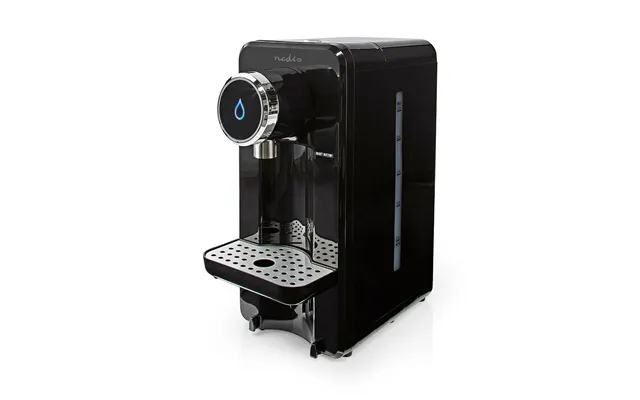
| Nedis Instant Hot Water Dispenser - 2.5l Tank With Fast Boil | £76.43 |
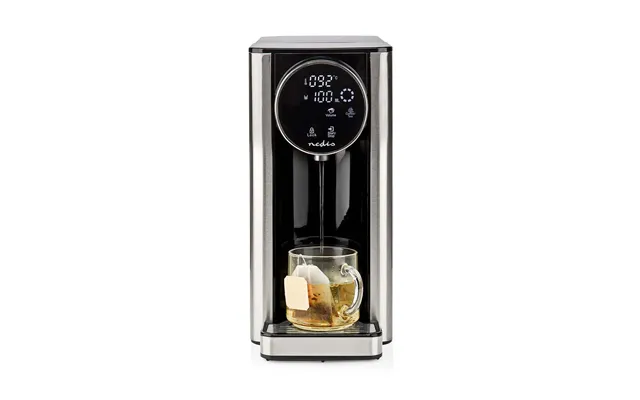
| Nedis Instant Hot Water Dispenser - 2600w | £117.59 |





View 5 Offers

Loading...
Last updated Sunday, 27 Sept 2026
| Hot Water Tanks | Price |
|---|---|
| Cosy & Snug Penguin Hot Water Bottle | £4.99 |
| Nedis Instant Hot Water Dispenser - 2.5l Tank With Fast Boil | £76.43 |
| Nedis Instant Hot Water Dispenser - 2600w | £117.59 |
If you’re weighing up how to keep your showers steaming and your washing machine happy, a hot water tank still makes a lot of sense for many homes. Unlike on-demand systems that heat water the instant you turn the tap, storage tanks hold a ready supply so hot water is available quickly. Think of them like a pantry of warm water — handy when multiple taps demand a share at the same time.
Stored hot water gives you predictability. A properly sized tank delivers a steady flow when several family members need hot water close together, and it pairs well with boilers, solar thermal panels, and heat pumps. For households that like a reliable supply without mini power spikes from repeated heating, tanks can be the smarter choice.
Not all tanks are built the same. From simple electric cylinders to advanced unvented systems that feed mains pressure showers, each type suits different setups and budgets. Let’s break down the main categories so you can match one to your home’s plumbing and energy sources.
Electric tanks are straightforward: an element inside heats the water and a thermostat keeps it at the chosen temperature. They’re simple to install in many homes and come in common sizes like 30 gal, 50 gal, or 80 gal. If you want a low-maintenance option and you have decent electricity tariffs, these are a good baseline.
Indirect cylinders rely on a boiler or external heat source to warm water via a coil inside the tank. They’re very efficient when paired with an efficient boiler and are popular in homes where a central heating system already exists. Because the heat comes from the boiler, the tank itself doesn’t need large electric elements, which can reduce running costs.
Unvented or mains-pressure cylinders deliver high-pressure hot water straight to taps and showers because they’re connected directly to the mains. That means powerful showers without the need for a pump. These tanks require careful installation and safety devices like expansion vessels and pressure relief valves, but the water pressure and instant hot flow are excellent.
Heat pump cylinders are designed to work with heat pump systems and often have larger volumes to store heat generated at lower temperatures. When paired with renewable heat, they deliver very low running costs over time. If you’re planning to reduce carbon footprint and want long-term savings, this is an option to consider.
Choosing the right capacity is less guesswork than you might think. Think about peak usage—when the household uses the most hot water—and size the tank to cover that window. For many UK homes, a common range is between 30 gal and 80 gal depending on family size and appliance use.
- Single person or couple: 30–40 gal is often enough.
- Small family (3–4 people): 50–60 gal usually covers demand.
- Larger households or heavy users (4+ people): 80 gal or more makes sense, especially if multiple showers or frequent baths are in the routine.
Estimate the hot water needs of each fixture: a shower might use 10–20 gal, a bath 30–40 gal, and a dishwasher about 5–10 gal per cycle. Add up the likely simultaneous usage during peak times (morning, evening) and choose a tank that provides enough reserve. Don’t forget to account for recovery rate — how quickly the tank reheats — especially if you run long showers back-to-back.
Running a hot water tank doesn’t have to be expensive. Insulation, smart controls, and selecting the right fuel source all play a role in reducing energy bills. A well-insulated tank can cut standby heat loss significantly, while timers or smart thermostats ensure you aren’t heating water you won’t use.
Older tanks can leak heat like a sieve. Modern cylinders typically come with thick insulation that keeps the stored water hot longer, meaning fewer heating cycles. Look for tanks with an extra inch or two of insulation and consider adding a jacket to retrofit older models. Every degree you prevent from escaping saves you money.
Programmers and smart thermostats let you heat water when electricity is cheapest or when your boiler runs most efficiently. For households with off-peak electricity tariffs, scheduling heating cycles to off hours can shave noticeable sums off bills. Smart controls also let you avoid wasting energy by preheating less water during low-demand periods.
Accessories are not just add-ons; they safeguard the system and boost performance. From safety hardware to simple maintenance parts, investing in the right accessories can prevent costly breakdowns and extend the life of your tank.
When water heats, it expands. Expansion vessels absorb that pressure increase, protecting the tank and your pipework. They’re a must for unvented systems and a good idea in many hookups to keep pressure surges at bay.
Safety first: pressure relief valves prevent dangerous pressure build-up by venting water if things go wrong. These are mandatory on most modern cylinders and should be checked periodically for proper operation.
Immersion heaters act as backups to primary heating sources and can be lifesavers during boiler maintenance. Anode rods protect the tank from corrosion by attracting corrosive elements — replace them every few years to keep the tank lining healthy and leak-free.
Wireless thermostats let you adjust settings without fiddling at the tank. They can integrate with home automation, so your hot water schedule matches your lifestyle — heat water before you wake up, or pause heating when you leave for work.
Installing a hot water tank is not a DIY for most homeowners. These systems involve pressure lines, electrical connections, and sometimes gas or oil boilers. A qualified installer will ensure safety devices are in place and that the setup complies with local building codes.
Set the thermostat sensibly — 120–140°F is a typical recommended range for domestic tanks to balance scald risk and bacterial growth control. Ensure expansion vessels and relief valves are sized correctly and that vents or discharge pipes lead to safe places in case of an emergency release.
In the UK, certain types of installations require certified installers and compliance with regulations, particularly for unvented systems. Always check local requirements and choose an installer with appropriate qualifications — it’s not the place to cut corners.
Treat your hot water tank like a car — a little routine care prolongs life and prevents breakdowns. Regular checks and simple tasks keep performance high and avoid emergency replacements.
Over time, sediment builds up at the bottom of tanks, reducing efficiency and causing noisy operation. Flushing the tank once a year removes this sludge and helps the heating element work less hard. If you live in hard-water areas, you might need to do this more often.
Test the pressure relief valve annually to confirm it moves and vents correctly. Replace sacrificial anode rods every 3–5 years depending on water quality — doing so prevents corrosion and extends the tank shell’s lifespan, which is far cheaper than replacing the whole cylinder.
Even the best tanks have hiccups. Learning to spot the early signs of trouble can save hours of frustration and hundreds in repair costs. Here are common issues and what they usually mean.
Check the thermostat setting first — it might be set too low or tripped. For electric tanks, a failed heating element is a usual suspect. If the boiler feeds the tank, confirm the boiler runs and the motorised valve is functioning. If unsure, call a pro.
Noise often comes from sediment build-up or a failing element. A rotten-egg smell suggests hydrogen sulfide, usually caused by bacteria reacting with magnesium anodes in low-oxygen conditions. Flushing the tank and replacing the anode can clear this up.
Minor leaks around valves can sometimes be fixed by tightening or replacing the valve. Persistent leaks or wet patches on the tank jacket indicate internal corrosion — if the tank itself is leaking, replacement is typically the only safe option.
When shopping for a tank, reputation matters. Brands like A.O. Smith, Bosch, Rheem, Ariston, and Stiebel Eltron have wide ranges across electric, indirect, and heat-pump-compatible cylinders. Each brand brings strengths — reliability, warranty length, or advanced insulation — so match the brand to the features you need most.
For electric-only homes, look for models with thick insulation, accessible replacement elements, and a good warranty. Capacity options in the 40–80 gal range cover most needs. Ease of servicing is a useful bonus when choosing a model.
If you’re pairing with a combi or system boiler, look for indirect cylinders that match the boiler’s heat output. For unvented mains-pressure cylinders, choose models with comprehensive safety kits and clear installation guides — a quality installer will thank you for that.
Prices and deals change, and the best value often comes from comparing models, accessories, and installation quotes. Use comparison sites and product reviews to weigh features, warranties, and total cost-of-ownership rather than just headline price.
Factor in running costs, expected lifespan, warranty terms, and installation complexity. A cheaper tank with poor insulation or a weak warranty can cost more in the long run. Look for models that balance initial cost with long-term efficiency.
Retailers and suppliers often run promotions around seasons when installations are slow — winter or mid-summer can be good times to score deals. Comparison sites that aggregate popular offers can save time and highlight bargains from reputable sellers and installers.
At the end of the day, the right hot water tank matches your household’s routines, energy priorities, and budget. Are you chasing low bills, top shower pressure, or eco-friendly heating? Narrow your priorities, then filter models by capacity, efficiency, and compatibility with existing heating systems.
- How many people live in the home and what’s your peak hot-water use?
- Do you have a boiler, heat pump, or plan to go electric-only?
- Is high pressure important (mains-pressure/unvented)?
- What’s your budget for purchase and installation vs ongoing energy bills?
Answer those, and you’ve already got a solid shortlist to compare.
On install day expect a few hours to a full day depending on complexity. The installer will check pipework, position the tank, install safety devices, and commission the system. If it’s an unvented cylinder, additional safety checks and paperwork are typical. Plan for a small disruption, but the result — reliable hot water — is worth the short inconvenience.
After installation, test hot water at various taps and showers to ensure pressure and temperature are as expected. Ask the installer to walk you through basic controls and maintenance items like how to test the pressure relief valve and where the isolation valves live.
Choosing, installing, and maintaining a hot water tank can feel technical, but once you break it down into capacity, type, accessories, and energy choices, it becomes manageable. With the right tank and a bit of care, you’ll enjoy dependable hot water and a system that fits your home and budget.
Conclusion: Picking the correct hot water tank is about balancing comfort, cost, and future plans. Whether you opt for an electric cylinder, an indirect boiler-fed tank, an unvented mains-pressure model, or a heat-pump-ready cylinder, focus on the capacity you need, energy efficiency, and a qualified installer to keep everything safe and compliant. A well-chosen tank is one of those home investments that pays back in comfort and reliability every single day.