

Futon Dryers price list
Last updated Monday, 19 Oct 2026



Loading...
Last updated Monday, 19 Oct 2026
A futon dryer is a compact appliance or accessory designed to dry and refresh futons, mattresses, and thick bedding that don’t always get enough sun or airflow. Think of it as a dedicated hairdryer for your bedding—gentle heat and airflow target the layers of cotton or synthetic fillings to remove moisture, reduce odors, and discourage dust mites. If you live in an apartment or a rainy climate where airing out bedding outdoors isn’t practical, a futon dryer can be a game changer.
Why bother with a futon dryer when you can just hang a futon outside? Because life gets in the way: limited space, unpredictable weather, and busy schedules. A futon dryer keeps your bedding fluffy, dry, and smelling fresh, which improves sleep comfort and helps extend the life of the futon. It’s especially useful for people prone to allergies, since drying helps reduce dust mites and mildew—common culprits behind sneezing and morning congestion.
Portable models look a bit like a small blower with a flexible hose and a flat nozzle you slide under the futon. They deliver warm air evenly across the surface and are great if you need quick, in-home drying. These units are light, often weighing under 10 pounds, and can be tucked away when not in use.
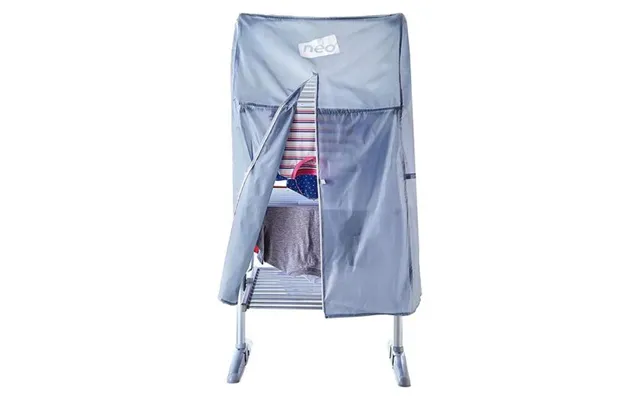
Cabinet-style dryers or those built into a stand offer a more hands-off approach: you place the futon or part of it into or over the unit and let it dry via circulating warm air. These systems can handle larger pieces and tend to be more stable, which is handy for heavy communal futons or larger bedding items.
If you prefer a low-heat method, pairing an air mover with a dehumidifier can dry a futon without direct heat. Air movers circulate room air while the dehumidifier removes moisture from the room, speeding natural drying. This approach uses space more than a single device but can be gentler on antique or delicate futons.
When comparing models, watch for adjustable heat settings and a reliable timer. A low-heat setting that runs around 100–120°F is great for delicate fibers, while a higher setting up to about 140°F can tackle heavier, damp futons faster. A flexible hose with a flat, wide nozzle helps distribute air across more surface area so you don’t have to move the unit constantly.
There are several brands that commonly appear in futon dryer roundups: mainstream Japanese brands often lead the market with compact, efficient designs, while several European and global manufacturers offer more robust cabinet-style units. Instead of chasing a name alone, focus on user reviews that note runtime, noise level, and durability. Look for models praised for consistent heat, low noise, and easy storage—you’ll be using the dryer regularly, so convenience matters.
Start by evaluating where you’ll use the dryer and what you need it for. If you live in a small flat and dry a futon once a week, a lightweight portable unit under 5 pounds might be perfect. For families or frequent use, choose a durable unit with a longer warranty and higher airflow. Consider the futon’s thickness—thicker futons need more powerful airflow and longer drying cycles. Finally, balance cost vs. features: a mid-range dryer with adjustable heat and a 2-hour timer often delivers the best value.
Proper placement makes drying faster and safer. Keep the dryer at least 6–12 inches from the futon surface to avoid overheating a single spot and to ensure even air distribution. Use a flat nozzle under the futon and move it every 10–15 minutes so heat doesn’t concentrate in one area. If your unit has multiple heat settings, start low and increase if the futon still feels damp after an hour. For large futons, dry one side for 1–2 hours, flip it, and repeat.
Futon dryers vary in power, but a typical portable unit might run for 1–2 hours per session. If you’re mindful of energy bills, run the dryer during off-peak hours or combine drying with regular household activities. Many people find that a single 60–90 minute session once a week is enough to keep a futon fresh, so incremental costs are usually modest—often just a few cents or dollars per use depending on local electricity rates. The key is efficiency: a slightly more powerful model that dries faster can cost less over time than a weaker unit that runs longer.
Maintenance is simple but important. Clean dust filters and remove lint from nozzles after several uses to keep airflow strong and prevent overheating. Store the unit in a cool, dry place away from damp basements where rust can form. Never leave a dryer running unattended for long stretches—treat it like a space heater. If your dryer has a tip-over or overheat protection switch, that’s a helpful safety feature to look for.
Accessories can make a big difference. A longer hose or an interchangeable flat nozzle helps reach more of the futon at once. Protective covers or pads can shield delicate fabrics from direct heat. Some users add a simple wooden board under the futon to funnel air more effectively, while others use a thin, breathable cover to prevent lint circulation into the dryer. Think of accessories as small efficiency upgrades that save time and preserve your bedding.
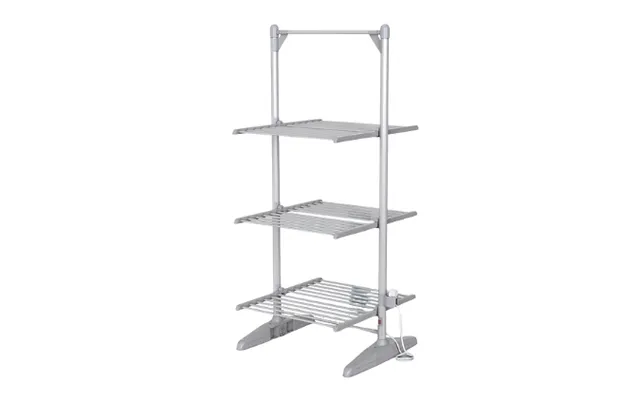
If you can, sun drying is still one of the most natural and inexpensive ways to refresh a futon—just be mindful of sun-fade on delicate fabrics. An airing rack in a well-ventilated room with a dehumidifier running can do the trick without heat. For faster results, combine methods: 30–60 minutes in the sun followed by an hour with a portable dryer will fully refresh most futons without overloading any one method.
Avoid blasting a futon with high heat for too long—this can compress fibers and shorten the life of the padding. Watch for uneven drying; hotspots can lead to trapped moisture, which defeats the purpose. And don’t skip routine care like spot-cleaning stains and flipping the futon periodically—drying helps, but basic upkeep keeps a futon comfortable and hygienic for years.
Comparison sites are great for spotting deals, reading aggregated reviews, and comparing specs side-by-side. When browsing, filter by the features that matter most to you—heat range in Fahrenheit, runtime in hours, weight in pounds, and included accessories. Pay special attention to user photos and long-form reviews that describe real-world use; they often reveal noise levels and durability better than specs alone.
From folks who live with futons daily: flip and air your futon weekly, spot-clean spills immediately, and rotate it monthly to prevent permanent indentations. Many owners also keep a lightweight futon cover that can be washed easily—this reduces the number of full drying sessions you need. Little habits like these make a good futon last much longer and reduce the workload on your dryer.
If you’re on a tight budget, prioritize adjustable heat and a durable motor. A cheap unit without those basics can leave you re-drying and wasting electricity. Mid-range dryers often strike the best balance of power, portability, and longevity. Consider total cost of ownership: a slightly higher initial price for better build quality and a longer warranty can mean lower cost per year of use.
Conclusion: Choosing and caring for a futon dryer doesn’t need to be complicated. Focus on the basics—adjustable heat, a good timer, and a design that fits your space—and you’ll find a model that keeps your bedding fresh, comfortable, and long-lasting. Whether you opt for a compact portable blower or a more substantial cabinet-style unit, the right dryer becomes a small investment that pays off in better sleep and less worry about dampness and odors.