

Laundry Combo Units price list
Last updated Monday, 19 Oct 2026



View 13 Offers

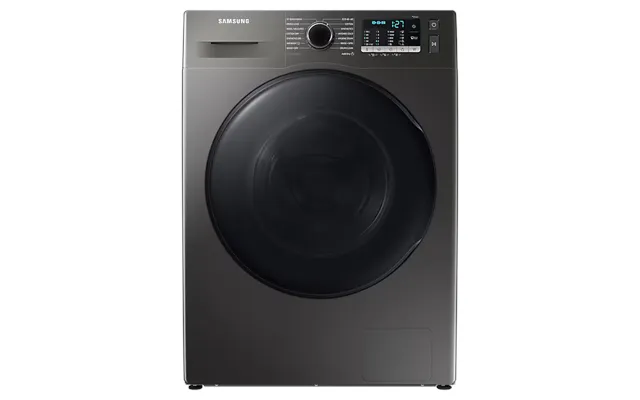
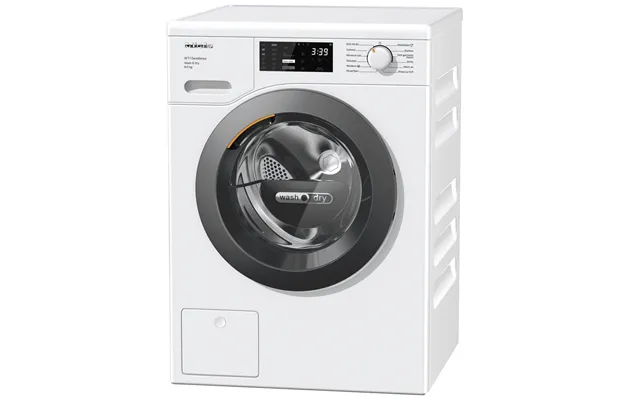
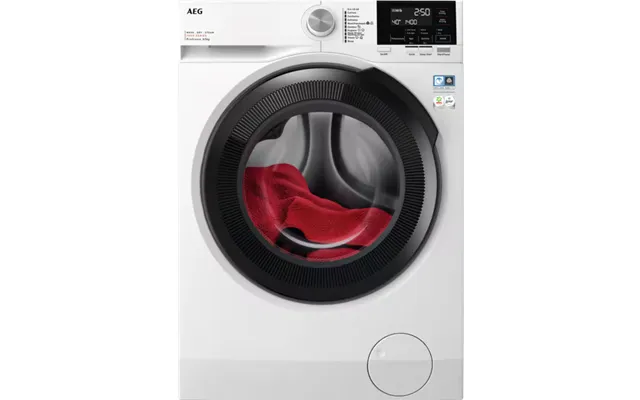
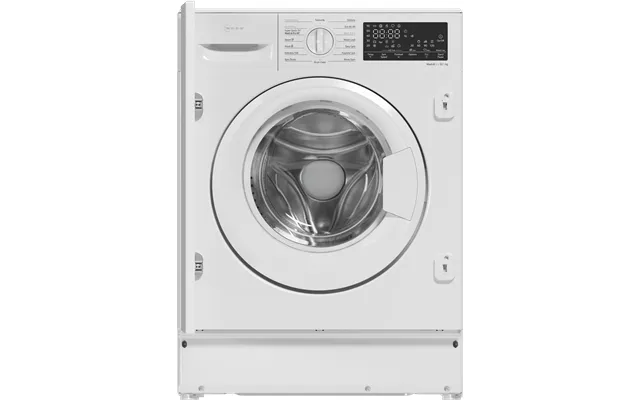
Loading...
Last updated Monday, 19 Oct 2026
A laundry combo unit is a single appliance that washes and dries clothes in the same drum, removing the need to transfer loads between machines. If you live in a flat, small house, or a holiday cottage where space is tight, a combo can feel like a small miracle — imagine doing a full wash-and-dry cycle inside a cabinet roughly the size of a tall suitcase. These units prioritize convenience and footprint, boiling laundry down to push-button simplicity and fewer cables and hoses to fuss with.
Combo units are aimed at people who value space and simplicity: renters, city dwellers, tiny-house owners, and anyone with a small laundry room. If you don’t want or can’t run a vent for a condenser or vented tumble dryer, a combo that condenses moisture back into water is ideal. They’re also great for those who want to install a machine under a counter or inside a closet — just measure first in inches and plan for venting needs if any.
Most combo machines start with a standard wash cycle — fill, agitate, rinse, and spin — then switch to a drying phase that uses low heat and a condenser system to remove moisture. Because drying in the same drum requires lower temperature and longer time than a dedicated dryer, a full wash-and-dry load will often take a few hours, depending on load size. Expect drying times measured in tens of minutes to a few hours, not the quick 30 to 40-minute cycles you see on a standalone tumble dryer.
When comparing units, check the rated wash capacity in pounds and the drying capacity in pounds — the drying capacity is often smaller. Spin speed, measured in rpm, affects how much water remains before drying and thus drying time. Look for high spin rpm for faster moisture removal. Also look for multiple wash programs, allergy or steam options, and a reliable condensation drying system. Noise level matters too if your machine sits near living spaces; quieter pumps and motors make a real difference.
Capacity is where many shoppers make the wrong assumption. A 13 lb washer might be sold as large, but the dry capacity could be only 8 to 9 lb. If you’re a single person or couple, a 7 to 10 lb dry capacity (wash rating 12 to 15 lb) usually suffices. Families will appreciate machines where the drying capacity matches the wash, or be prepared to split loads. Think about typical loads in pounds: a towel is 0.5–1 lb, jeans 1–2 lb, a sheet 1–2 lb — that helps you estimate the right size in real terms.
Before you buy, measure the height, width, and depth of the intended space in inches and leave a few inches of clearance for hoses and door swing. Most combo units fit into a standard 24 in width and 34 to 36 in height footprint, but slim models can be as narrow as 20 in and as short as 30 in. Remember to measure the doorway and any stair turns on delivery day — a 32 in width of an interior door can be a tight squeeze for some models.
Combo units can use more water and energy per complete wash-and-dry cycle than a separate washer plus high-efficiency dryer, partly because drying in the drum takes longer. Typical water use might range from about 10 to 25 gallons per wash, depending on cycle and load size. To cut costs, use cold or warm wash settings, run full loads that match the dry capacity, and use high spin rpm to extract more water (and shorten drying time). Running the eco or energy-saving mode can reduce consumption over time.
Combo units are reliable, but you’ll occasionally face issues like slow draining, musty smells, or longer-than-expected drying times. A clogged drain filter can cause slow draining; check and clean it every few months. To prevent odors, leave the door or gasket ajar after cycles and run a hot wash with a machine cleaner occasionally. If drying becomes inefficient, check the lint trap and external ventilation if present; sometimes a simple hose kink reduces performance.
Most combo units use condenser drying, which converts moisture to water and sends it to a drain or a tank you empty. Heat-pump technology — common in newer standalone dryers — is rarer in combos but offers better energy efficiency and gentler drying. Condenser combos can take longer and use more electricity for a full dry, so temper expectations: they excel at convenience and footprint, not speed. If you need quick turnaround on large loads, consider a separate dryer setup.
If you have a little more space, a stacked washer and dryer gives faster drying and often better performance, especially if the dryer is vented to the outside. Compact separates — a small washer plus a compact dryer — let you balance capacity and speed. These setups can still be under a counter or in a closet but offer more flexibility: you can wash and dry simultaneously, cutting total laundry time in half compared with a combo unit doing both sequentially.
Several well-known brands offer combo-style machines, each with strengths: some focus on robust spin motors for fast water extraction, others on quiet operation or user-friendly controls. Look for reliable motors, good warranty terms, and easily accessible service parts. Read user reviews to see how units perform over time — longevity matters more than bells and whistles. If you prefer energy efficiency, prioritize models that advertise advanced drying systems or eco cycles that cut gallons and electricity use.
Because combos handle both washing and drying, you may notice more vibration than a dedicated washer tucked behind a wall. Anti-vibration mounts, leveling feet, and anti-slip pads can tame the worst movement. Select a model with balanced spin technology and a lower rpm if noise is a particular concern; sometimes sacrificing a few rpm reduces noise significantly without wrecking drying times. If your laundry area is near living spaces, test noise levels or check decibel ratings where available.
Many modern combo units offer smart features: remote start, cycle monitoring, and diagnostic alerts via an app. These features are handy — and sometimes entertaining — but prioritize build quality and drying performance over gimmicks. Smart diagnostics can alert you to maintenance needs like filter cleaning or indicate unusually long cycle times. If you like automation, look for reliable app ecosystems that receive regular updates and don’t rely on flaky cloud services.
Expect to pay more for a true washer-dryer combo than for a basic entry-level washer alone. Budget models can start in the lower hundreds, mid-range units are often in the mid-to-high hundreds, and premium combos with smart features or larger capacities can climb above the $1,000 or £900 mark. Think in terms of total value: warranty length, energy and water efficiency, available parts, and how long the unit will realistically last. A slightly pricier model that lasts longer often costs less per year in the long run.
Before you commit, measure your space in inches, check the load capacities in pounds, and confirm whether you need a condensed or vented model. Ask about service centres nearby and what warranty covers, especially the motor. If possible, listen to the machine in operation at the store or check user videos to get a feel for noise and vibration. Finally, work out how many loads you do per week and whether speed or convenience matters most — that will guide whether a combo or separate units are the best buy.
Choosing a laundry combo unit is a practical move for many households. It’s all about matching the machine to your routine: know your typical load in pounds, measure the space in inches, and accept that drying will take longer than a separate tumble dryer. When chosen carefully, a combo gives you a compact, all-in-one solution that saves space and simplifies laundry days.