

Fabric Starch price list
Last updated Monday, 19 Oct 2026



View 9 Offers
Loading...
Last updated Monday, 19 Oct 2026
If you’ve ever wanted your shirts to look like they just stepped out of a tailor’s shop, fabric starch is the secret weapon. It’s the laundry supply that takes garments from “clean” to “crisp,” giving collars structure, cuffs a sharp edge, and linens a freshly pressed vibe. Whether you’re prepping a dress shirt for work, stiffening table linens for a dinner, or using starch for craft projects, understanding the options and techniques can save time and make your wardrobe look intentional.
Fabric starch is a sizing agent that coats fibers to add stiffness and body. It comes in several forms — spray starch for quick touch-ups, liquid starch that mixes into rinse water, and powdered starch that you dissolve yourself. Think of starch as an invisible skeleton: it supports the cloth, preserves shapes, and resists wrinkles so your clothing looks tailored even after multiple wears.
Not all starches are created equal. Choosing the right form depends on what you’re starching, how much control you want, and whether you care about scent or residue. Below are the main types you’ll see on shelves.
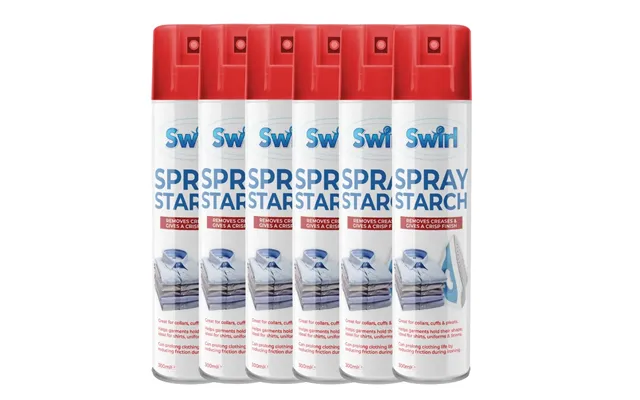
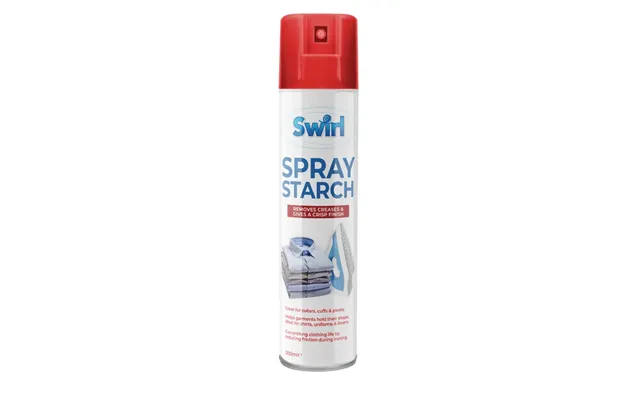
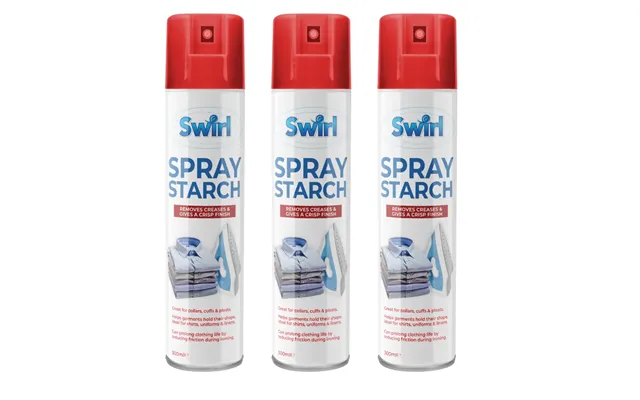
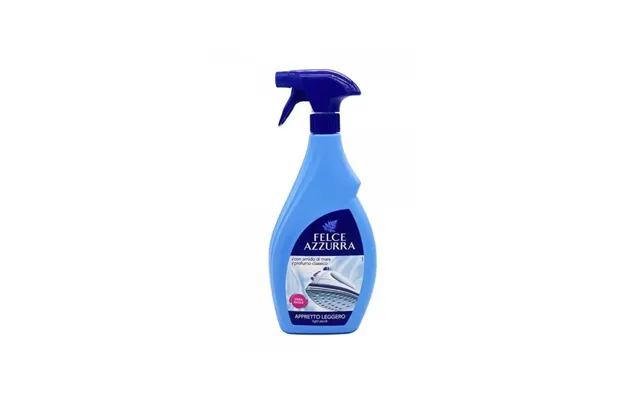
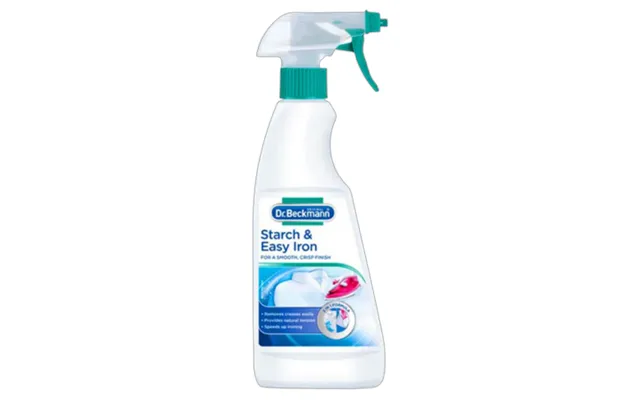
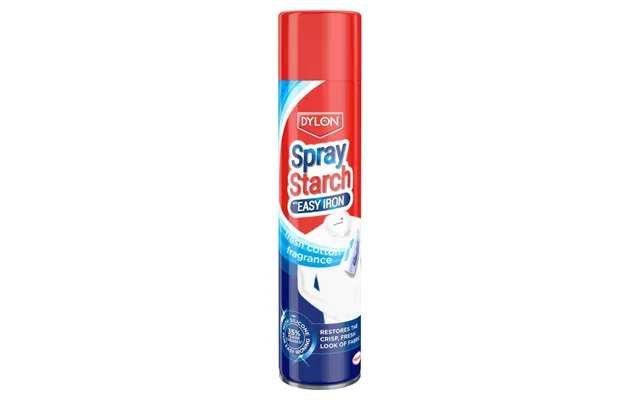
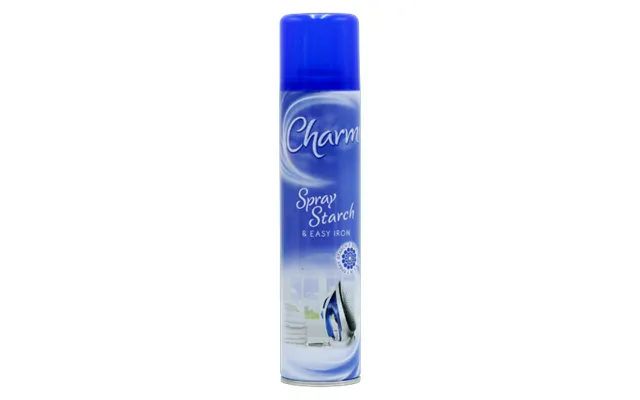
Spray starch is the most convenient option. It usually comes in an aerosol or pump bottle sized in ounces, like 14 oz or 22 oz, and you simply mist it on while ironing. It’s perfect for collars, cuffs, and spot-starching shirts before a big meeting. The preset concentration makes it user-friendly — just spray, let the fabric dampen, then iron.
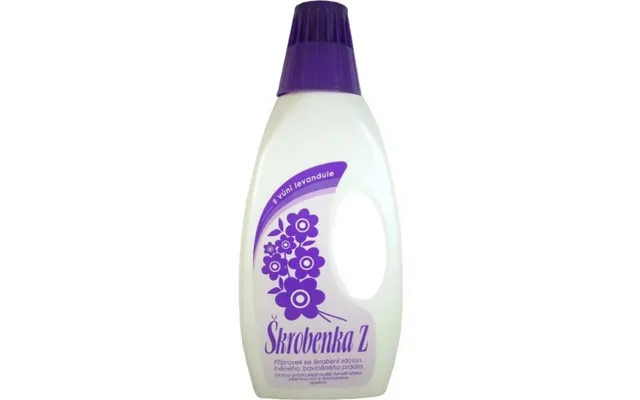
Liquid starch is ready-mixed and often sold in bottles measured by fluid ounces or gallons. You can dilute it in the washing machine’s final rinse or apply it by hand. Liquid starch offers more even coverage for larger items like sheets and tablecloths and is a good middle ground if you want more control than spray but less mixing than powder.
Powdered starch comes in boxes and needs dissolving in water — usually a small amount of powder per quart or gallon. It’s economical and flexible: you can make a light or strong solution depending on your needs. Powdered starch is ideal for craft projects, costume work, and when you need to starch bulky items like curtains.
Why bother with starch? For starters, a crisp shirt looks more professional and tends to last longer because the starch adds a protective layer that reduces friction during wear. Starch also keeps linens looking pristine for special occasions, makes sewing and ironing easier because seams and hems lay flat, and can even help fabrics resist light stains. For crafters, starch is a go-to for stiffening fabric into shapes that hold without heavy interfacing.
Using starch well is more art than science, but you can master it with a few simple steps. Below are practical instructions for each type of starch and tips for consistent results.
Always start with clean, slightly damp fabric. If the item is dry, dampen it with water—about a light mist from a spray bottle or a quick rinse and spin so it’s not soaking wet. Check the label: fabrics like silk and some synthetics may not react well to starch, so test a hidden seam first, especially if you’re trying a new brand or strength.
Hold the can or bottle about 6 to 12 inches away from the fabric and spray in a sweeping motion. Don’t drench it — aim for even coverage with a light sheen. Wait a few seconds for the starch to set in, then iron at the appropriate heat for the fabric. For collars and cuffs, you can use a higher concentration by giving a slightly heavier spray for that extra snap.
If you use liquid starch, add it to the final rinse cycle or pour into a sink of water and submerge the garment for a few minutes. For powdered starch, dissolve the measured powder in warm water, then add cold water to reach the final solution — a typical DIY ratio might start with 1 tablespoon per quart for light sizing and increase gradually for firmer results. Squeeze out excess solution before ironing to avoid dripping onto your iron or board.
The iron’s heat and pressure are what transform starch into that crisp finish. Use the fabric’s recommended iron setting, but apply steady pressure and slow, confident strokes. For a professional look, iron seams and edges first, then larger surfaces. If you want deep creases, fold the fabric precisely and press with steam for a second or two toward the end. Always let the item cool flat for a minute after ironing so the starch sets fully.
Cotton and linen react beautifully with starch — they take on structure and become easier to iron. Blends with a high cotton content also respond well. Avoid heavy starching on delicate fabrics like silk, rayon, and some modern synthetics, which can stiffen unnaturally or even become damaged. If you’re unsure, test on an inconspicuous corner and increase strength gradually.
Choosing the right strength is like choosing how loud to play your favorite song — personal preference matters. Light starch gives subtle body, perfect for daily shirts. Medium provides a neat look for workwear and table linens. Heavy starch is best for uniforms, theatrical costumes, or when you need a collar to stand like a soldier. Start light and build up; it’s easier to add stiffness than to remove it.
Want to avoid commercial products? You can make a simple starch using common pantry items. A popular home recipe is cornstarch dissolved in water: mix 1 tablespoon of cornstarch into 1 pint of cold water, then simmer in 1 quart of water until clear, cool, and strain. Use this solution in a spray bottle for light to medium stiffness. For a greener option, consider plant-based sizing agents or look for eco-certified commercial starches — they often use biodegradable ingredients and gentler scents.
Starch is generally safe when used properly, but there are a few precautions. Avoid over-starching, which can cause fabric to yellow over time or attract dirt more quickly. If you’ve used starch for many wash cycles, occasionally wash items without starch to remove buildup. Keep spray cans away from heat sources and out of reach of children. If you have sensitive skin, test any scented starch on a small patch first or choose a fragrance-free formula.
There are many reputable brands of fabric starch available in the market. Look for options that match your needs: small sprays for spot use, one-gallon bottles for frequent household starching, or powdered boxes for economical bulk use. When comparing products, judge by strength levels, scent or fragrance-free options, and whether the product is labeled safe for home appliances. Comparison sites and customer reviews can help you spot deals and evaluate long-term performance.
Starch isn’t just for clothes. Crafters use it to stiffen fabric flowers, make fabric ornaments, create starch-based molds, and add texture to mixed-media projects. The trick is to tailor the starch strength to the project: thin solutions for delicate shapes, thicker ones for firm structures. Because starch is washable, it’s great for temporary stiffening when you plan to reshape or clean the item later.
If your garment looks patchy after starching, you probably applied it unevenly—respray lightly and iron again. Yellowing can result from starch buildup; a wash with a small amount of vinegar can help remove residue. If the fabric feels too crunchy, a rinse without starch and a quick spin will soften it. For persistent problems, cycling through different starch brands or dilutions can reveal what your fabric prefers.
When shopping, think in terms of ounces and gallons to get value. Large refill bottles measured in quarts or gallons are cheaper per ounce for frequent use, while 8–16 oz spray bottles are handy for spot treatments and travel. Pay attention to product concentrations — a “concentrated” label may mean you need less per use, which can make a smaller bottle last longer. Comparing unit prices is a smart way to avoid overpaying.
Store starch in a cool, dry place away from direct sunlight. Powdered starch typically keeps for a long time if sealed, while liquid and spray formulations can last up to a year or more depending on preservatives and packaging. Always check the manufacturer’s guidance; if the product develops an off smell or changes consistency, it’s safer to replace it.
If sustainability matters to you, there are small habit changes that reduce environmental impact. Use starch sparingly, choose eco-certified products, and prefer concentrated formulas that reduce packaging waste. Reusable spray bottles filled with home-made cornstarch solution cut down on single-use plastics, and washing items to remove starch buildup helps fabrics last longer, reducing replacement frequency.
Fabric starch is a simple tool that can dramatically elevate the appearance and longevity of your clothing and linens. Whether you choose a convenient spray for quick touch-ups, a liquid for even coverage, or powdered starch to tailor the strength yourself, the key is testing and gradual application. With the right technique, a little starch goes a long way — a crisp collar, a perfect crease, and linens that make your table feel like a celebration. Try different options, compare sizes and strengths, and soon you’ll master the kind of finish that turns heads.