

Shoe Dryers price list
Last updated Monday, 19 Oct 2026




View 8 Offers
Loading...
Last updated Monday, 19 Oct 2026
If you've ever pulled soggy shoes out of the closet after a rainy day, you know the disappointment—and the smell. A good shoe dryer fixes that quickly, saving time and protecting your footwear investment. Beyond convenience, shoe dryers reduce bacteria and mold growth, helping your shoes last longer and your feet stay healthier. In this guide I'll walk you through how shoe dryers work, the types you can buy, what features matter, and which models are worth considering.
At their core, shoe dryers move warm air into footwear to evaporate moisture. Some models use gentle circulation and low heat, while others combine forced air with higher temperatures or even UV light to kill germs. Think of a shoe dryer as a tiny, focused hair dryer designed to be safe for leather, mesh, and rubber—able to dry from the inside out without shrinking or warping the shoe.
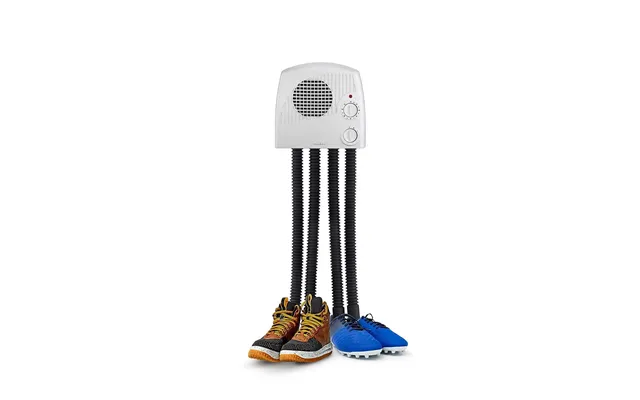
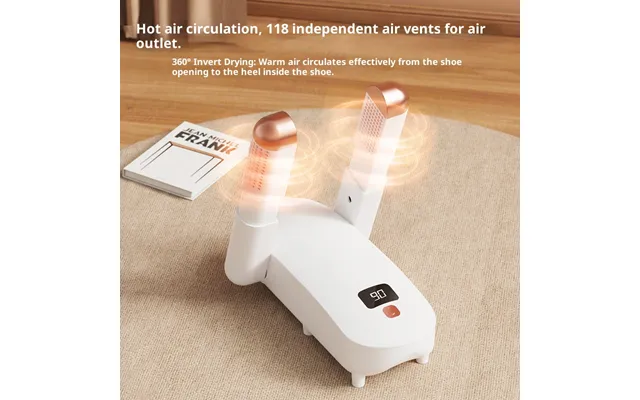
Forced-air models use a small fan to push air through tubes into the shoe, which speeds evaporation without extreme heat. Heat-element designs rely on warm rods or panels that gently warm the interior. Forced-air tends to be faster, while heat-element systems are quieter and gentler on delicate materials. Choose based on how fast you need dry shoes and what materials you're treating.
Some premium units add ultraviolet (UV) light or a mild ozone cycle to reduce bacteria and odor. UV targets microbes on the shoe lining, while ozone oxidizes odor-causing compounds. Both can be useful, but use ozone units sparingly and follow manufacturer guidance—ozone can be strong if misused.
Shoe dryers come in several shapes and sizes. Picking the right one depends on the footwear you wear—sneakers, winter boots, ski boots, or work boots—and where you plan to store the unit. Here are the main categories to consider.
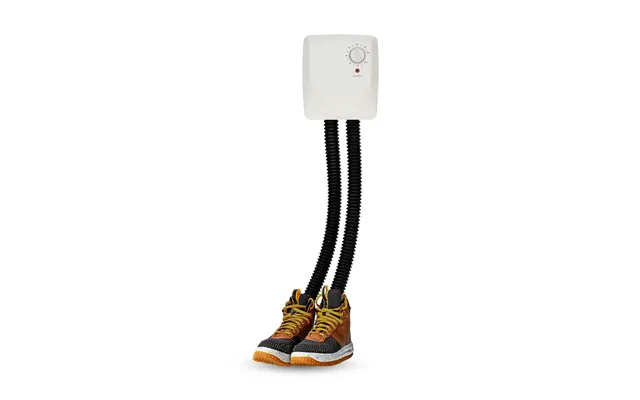
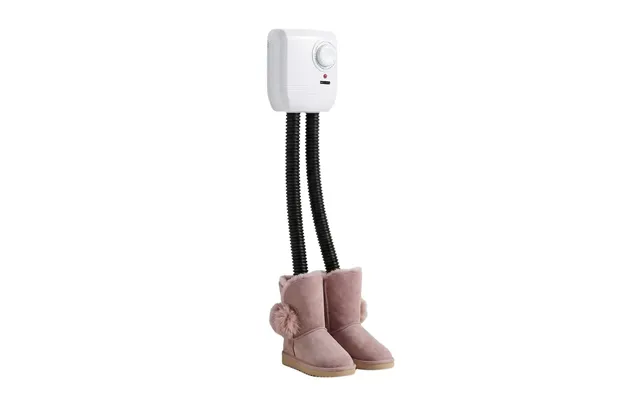
These are compact units with flexible tubes that slip into shoes. They’re lightweight, often foldable, and ideal for travelers or households with limited space. They usually draw low power—often under 70 watts—making them energy-friendly.
Tall boots and insulated winter footwear need longer reach and sometimes higher airflow. Boot dryers use larger tubes or stand-mounted posts to direct warm air deep into the shaft. Look for models with adjustable height (measured in inches) to fit boots that may be over a foot tall.
If you need to dry several pairs at once, heated shoe racks or cabinets are the way to go. These offer slots or shelves with built-in low-heat elements and circulation fans. They’re perfect for families or athletes who rotate shoes every day.
UV sanitizers focus more on killing microbes than speeding evaporation. They can be a great complement to a dryer, especially if lingering odor is a problem. Remember that UV units may not remove heavy moisture, so pairing them with a drying cycle is best.
With so many options, knowing which features matter saves time and money. Here’s a checklist of the big items to weigh when comparing shoe dryers.
Drying time can range from under an hour for lightweight trainers to several hours for thick winter boots. If you need shoes dry overnight, aim for a model that can handle one to two pairs in 4 to 8 hours. For quick turnarounds between activities, look for forced-air models that cut drying time significantly.
Temperature control matters because too much heat can damage leather or glue. Look for units that keep temps in a safe band—typically between 90°F and 140°F. Adjustable settings let you dial down heat for delicate shoes and ramp up for heavy boots.
If the dryer will run in living spaces or near a bedroom, noise matters. Tube-style and heat-element units are usually quieter, while forced-air units with fans can produce a higher hum. If noise is a concern, check product reviews for decibel levels or user comments about quiet operation.
Most shoe dryers use between 30 and 200 watts depending on size and airflow. For everyday use, lower-power models save on electricity. If you plan to dry multiple pairs daily, estimate running cost: a 60-watt unit running for 6 hours uses about 0.36 kilowatt-hours—cheap per cycle, but it adds up if used constantly.
Consider how many pairs you need to dry at once and where you’ll store the unit. Portable models are light—often under 5 pounds—and fold flat. Cabinet-style dryers take up more room but can handle several pairs at once. Measure your closet or mudroom in inches to ensure a good fit.
Automatic shut-off, overheat protection, and flame-resistant housings are important safety features. Also look for grounded plugs and, if you’re using the dryer near wet areas, models with water-resistant elements and stable stands that prevent tipping.
I’ll outline some representative models across price ranges and types to give a solid starting point. These examples highlight common features buyers look for, like adjustable temperature, UV sanitizing, and boot capacity.
Entry-level tube dryers are compact and low-cost—perfect for casual users who need to dry sneakers and light boots. They typically weigh under 3 pounds and dry a pair in 3 to 6 hours. You’ll sacrifice speed and sanitizing tech, but they’re excellent for occasional use or travel.
Mid-range units combine fan-driven airflow and adjustable heat, often with multiple tubes so you can dry two pairs at once. Expect faster drying—some shoes dry in 2 to 4 hours—and better durability. These units usually sit between 5 and 12 pounds and are great for daily use by active households.
For professionals or heavy winter use, premium cabinets offer space for multiple pairs, UV sanitizing cycles, and adjustable racks. They can be taller than 24 inches and weigh 20 pounds or more. They’re ideal for families, outdoor workers, and athletes who need reliable, simultaneous drying.
Getting the most from your shoe dryer is part routine and part technique. Follow these simple steps to dry faster and protect your footwear.
Remove insoles and loosen laces to help air circulate. Wipe out excess mud or salt with a damp cloth—solids slow drying and can damage the device.
Insert tubes or posts so warm air reaches the toe box and the shaft. For tall boots, elevate the heel slightly so air moves up through the footbed and out the top.
Start with a low or medium setting for leather and delicate shoes, and use a higher setting for heavy winter boots. Keep an eye on the first cycle to ensure no excessive heat is applied.
Daily use is fine for athletic gear, but avoid constant high-heat cycles for leather footwear. For persistent odors, alternate drying cycles with a UV sanitizing session if your unit offers it.
Avoid these pitfalls to keep shoes in good shape and make your dryer last longer.
High temperatures can dry out leather and weaken adhesives. Use the lowest effective temperature and remove shoes as soon as they’re dry.
Many users forget to dry insoles separately. Insoles trap moisture and odor—remove them for faster, more thorough drying and consider replacing old insoles periodically.
Even modest air movement benefits from reasonable ventilation. Running dryers in a cramped, damp closet slows evaporation and may stress the unit.
Simple maintenance keeps your dryer working well for years.
Some models have washable filters or detachable tubes—clean these monthly if you run the dryer often. Dust build-up reduces airflow and increases drying times.
Check cords, plugs, and tubing for cracking or fraying. Replace worn parts promptly and follow the manufacturer’s guidance for replacements and safety checks.
When not in use, store portable units in a dry spot out of direct sunlight. Coil cords gently and avoid sharp bends in tubes that could create cracks over time.
If you’re shopping in the UK or elsewhere, here are practical tips to make the right choice without buyer’s remorse.
Check the unit’s voltage and plug compatibility with local outlets. Many consumer models support 110–240V, but confirm before buying—especially if importing. If you need an adapter, choose one rated for the device’s wattage.
Look beyond spec sheets. Reviews tell you about noise, durability, and how well the unit handles real shoes—not just test conditions. Pay attention to comments about drying time for boots similar to yours.
A longer warranty and available replacement parts (tubes, filters, racks) extend the practical life of your dryer. That’s especially useful if you plan to use it daily.
If sustainability matters to you, prioritize low-watt models or units with timers and automatic shut-off. Drying in batches—two pairs at once—also cuts total runtime. For occasional users, a small portable unit often has the lowest lifetime energy impact.
Choosing the right shoe dryer comes down to how often you’ll use it, what types of footwear you own, and how much space you have. Portable tube dryers are great for casual needs and travel, mid-range forced-air units balance speed and gentleness, and premium cabinets handle multiple pairs with sanitizing options. Think about drying speed, temperature control in degrees Fahrenheit, noise, capacity in pairs, and safety features before buying. With the right dryer, you’ll save time, reduce odors, and keep your shoes in top shape season after season.