All categories
Business & Offices
Electronics & Media
Fashion & Accessories
Groceries & Essentials
Health & Personal Care
Home & Living
Kids & Family
Sports & Outdoors
Search in ZoneOffer

Loading...
Choosing the right recycling container can feel like picking the right pair of shoes—you want something that fits, looks good, and lasts. But this choice also affects how easily you recycle, how tidy your kitchen stays, and even whether neighbours sniff at your curbside bins. In this guide I’ll walk you through types, sizes, materials, features, and practical tips so you can pick containers that make recycling simple and satisfying.
A great recycling container is more than a trash can with a sticker. It should be durable, easy to use, and suited to the waste streams you generate. Think of it as a small workspace: the better organized it is, the less friction there is when you sort glass, paper, plastics, and food scraps. Look for lids that seal, inner buckets that lift out, and compartments that keep materials from contaminating each other—these are the little conveniences that make recycling a habit rather than a chore.
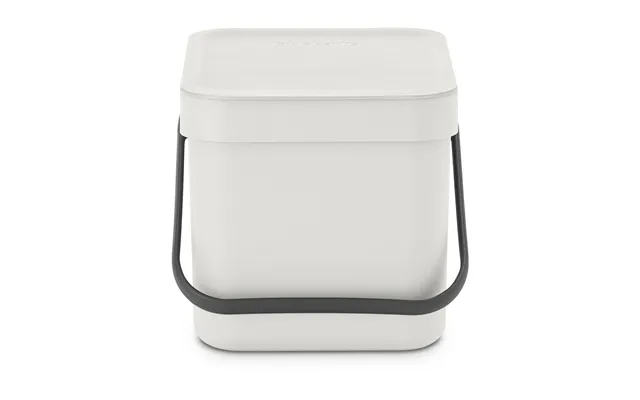
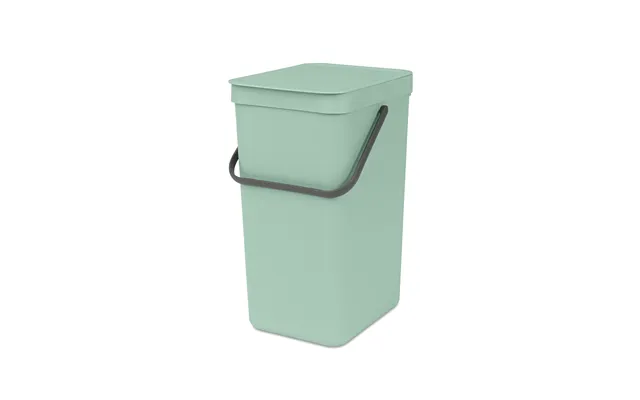
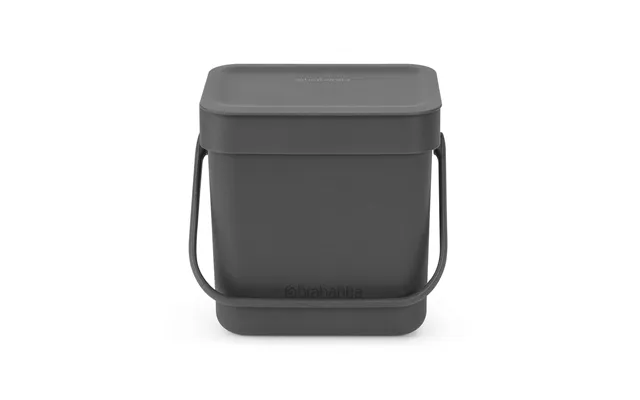
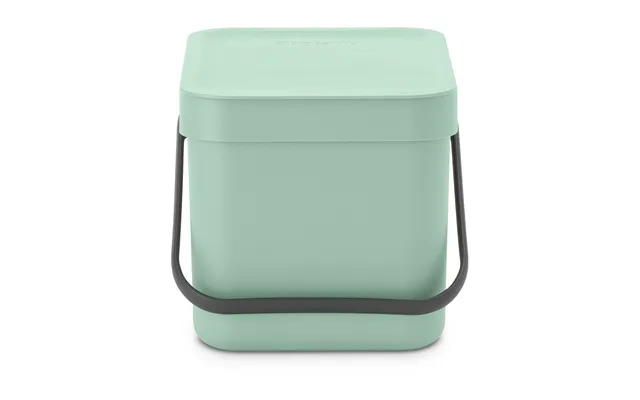
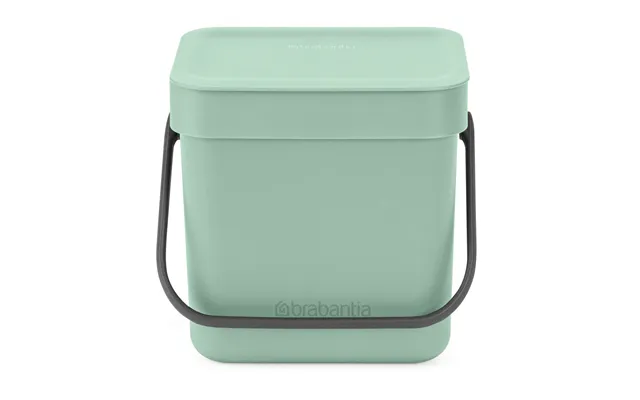
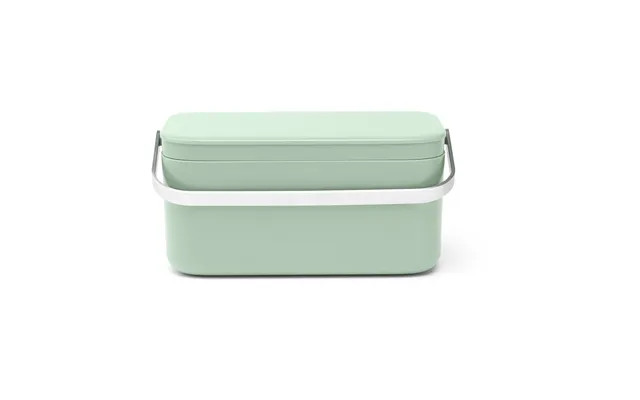
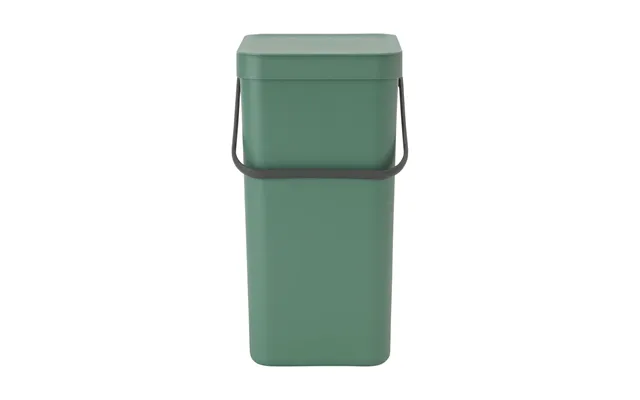
Countertop caddies are the first line of defence against scattering recyclables around the kitchen. These are compact, lightweight tubs often measuring about 8 to 12 inches across, ideal for collecting bottles, cans, or food packaging before you transfer them to a larger bin. They’re perfect for small households or as a short-term station while cooking or crafting.
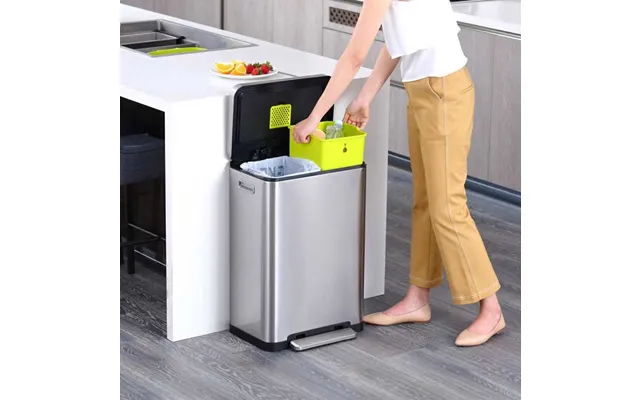
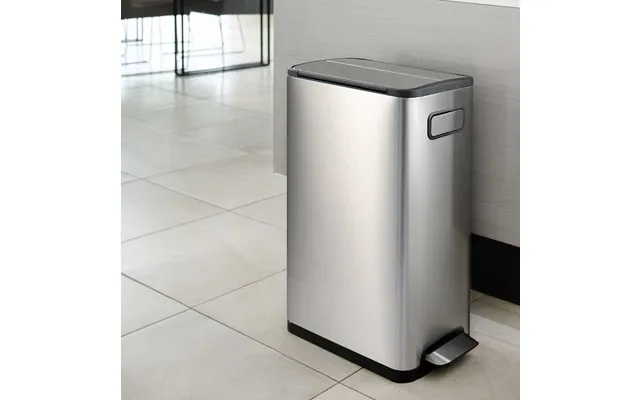
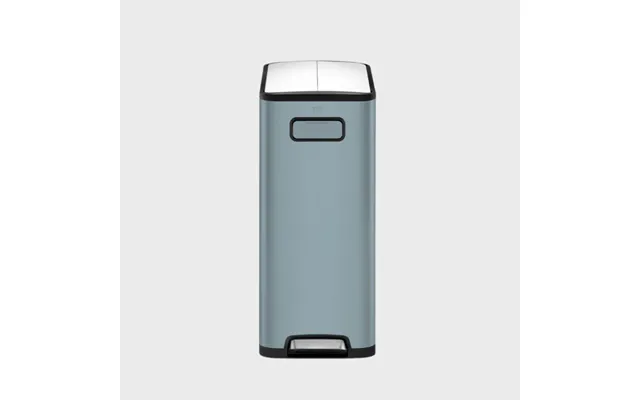
Pedal bins are a classic for a reason. With a foot pedal you open the lid without touching it—great when your hands are messy. These range from slim 5-gallon units for single-stream recycling to wider 13-gallon models for mixed waste. Stainless-steel versions are stylish and fingerprint-resistant, while plastic models are lightweight and budget-friendly.
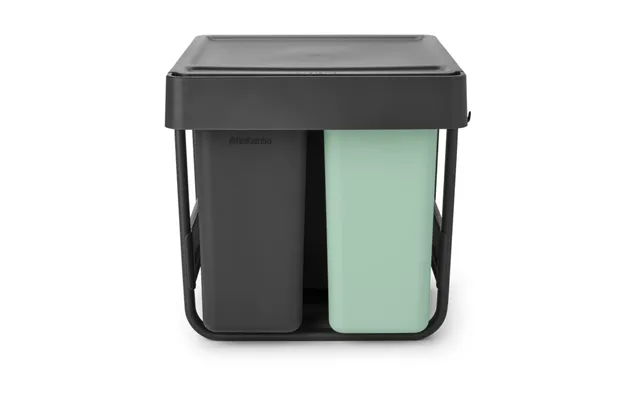
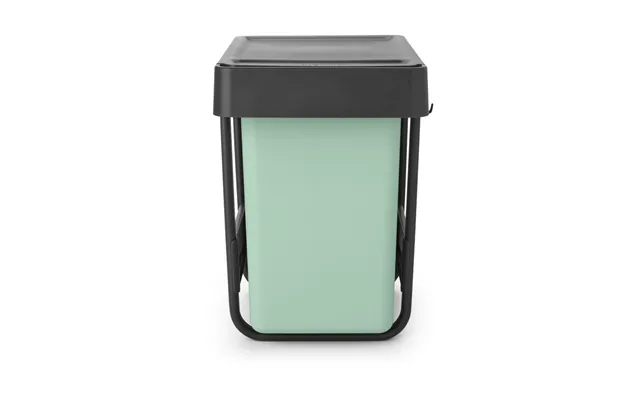
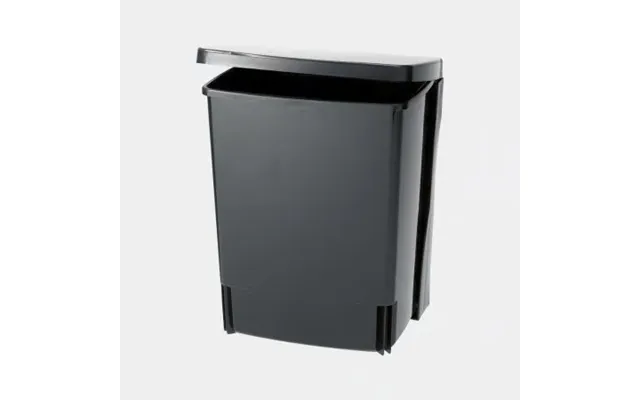
If you want recycling out of sight, pull-out under-sink systems are a winner. They typically mount on a 12 to 24-inch wide cabinet slide and hold two to three bins side-by-side, each usually 6 to 10 gallons. They keep odors contained, streamline sorting at the point of disposal, and free up valuable floor or counter space.
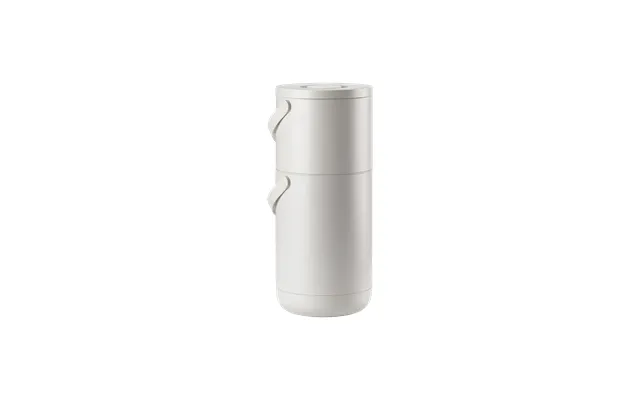
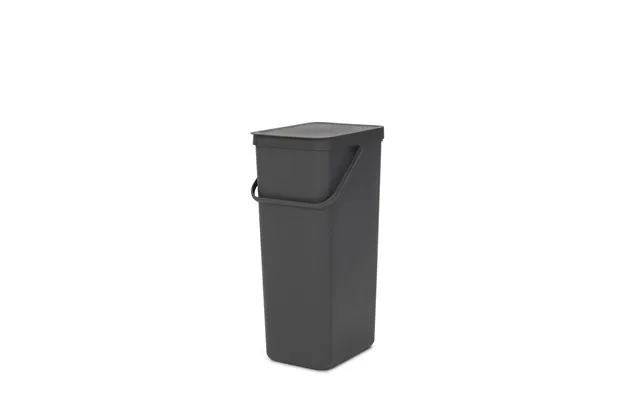
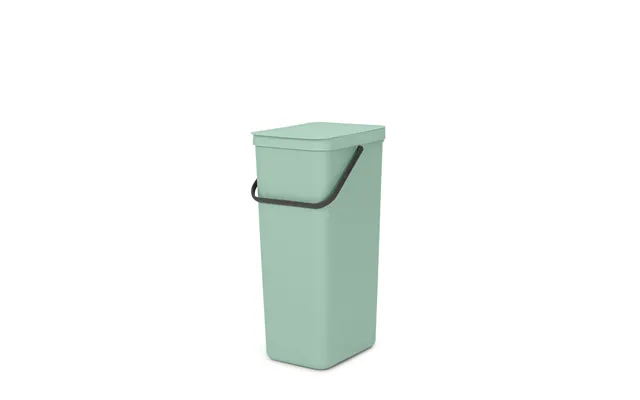
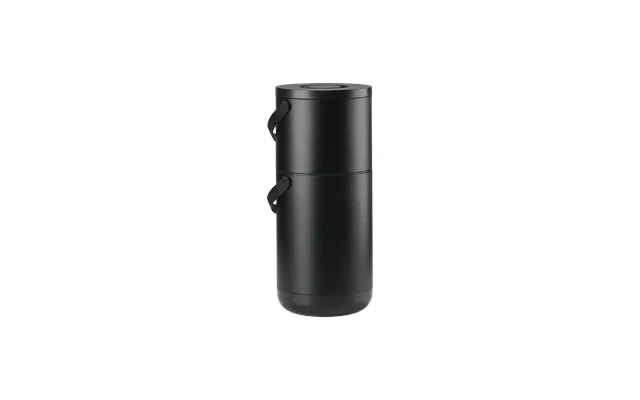
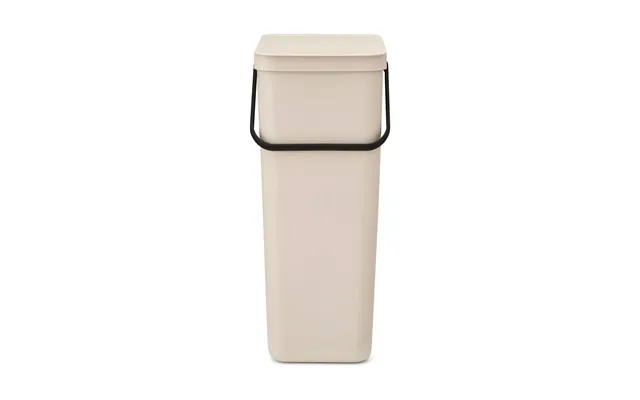
Living in a narrow kitchen or hallway? Tall slim bins are designed to fit into tight gaps as narrow as 6 to 8 inches and can hold 10 to 18 gallons. They’re a space-saving hero if you want a large capacity without the bulk. Many models include multiple compartments stacked vertically, perfect for apartment living.
Stackable bins act like building blocks for recycling—stack a paper bin on top of a plastics bin, and you’ve built a mini recycling station. These modular systems let you customize capacity and sorting categories, and they’re great for people who want to expand or rearrange without buying a whole new unit.
For curbside recycling, choose wheelie bins that match your council’s size recommendations. Common sizes run from about 32 to 64 gallons; smaller households often manage with 32-gallon bins while larger families may need 64-gallon containers. Look for robust wheels, a secure lid, and UV-resistant plastic if your bin will sit in the sun for long periods.
Separating food waste into compost bins can reduce landfill load and return nutrients to your garden. Tumblers make composting faster by allowing you to turn material easily; many hold 20 to 60 gallons. Indoor food-scrap bins with charcoal filters are handy for kitchens, and several compact models sit neatly under the counter.
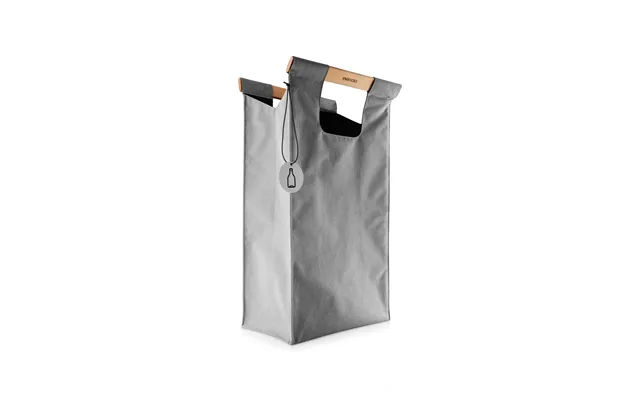
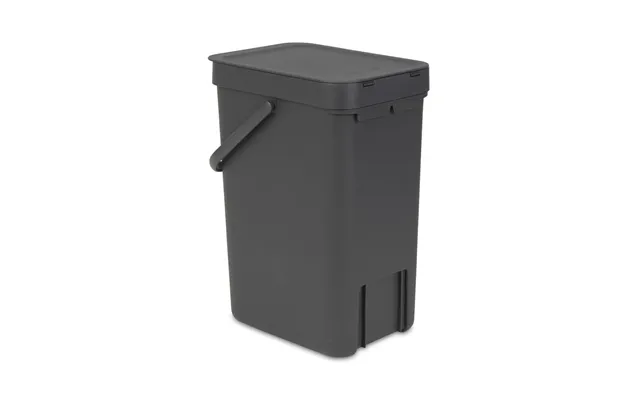
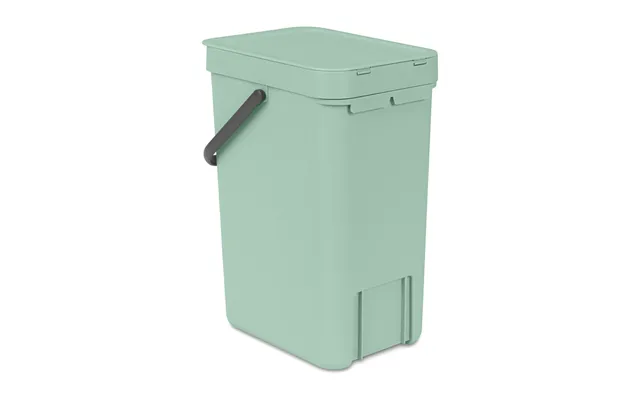
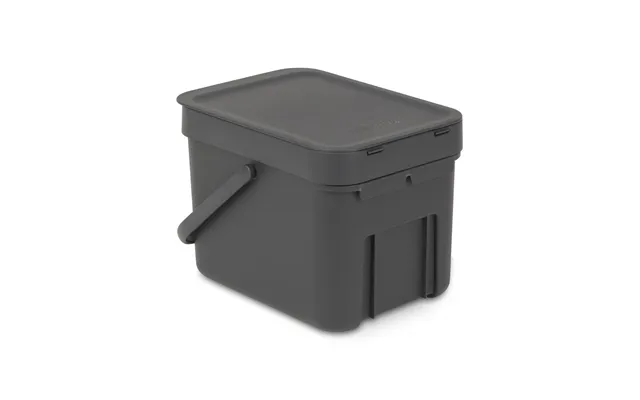
Need to haul recyclables to a shared collection point? Portable caddies with handles are your friend. They’re typically 2 to 6 gallons and fit easily into a car trunk or trolley. Use them for glass bottles or lightweight paper—anything you move frequently.
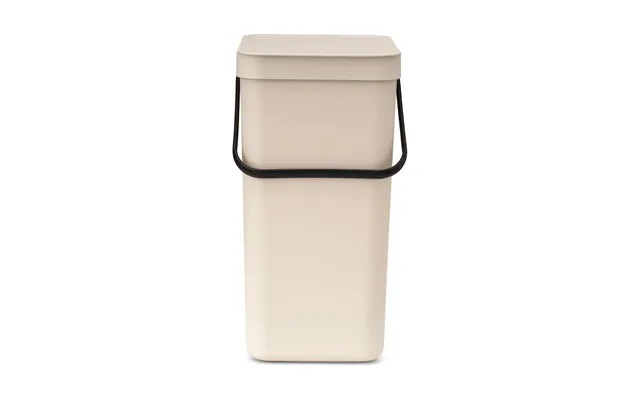
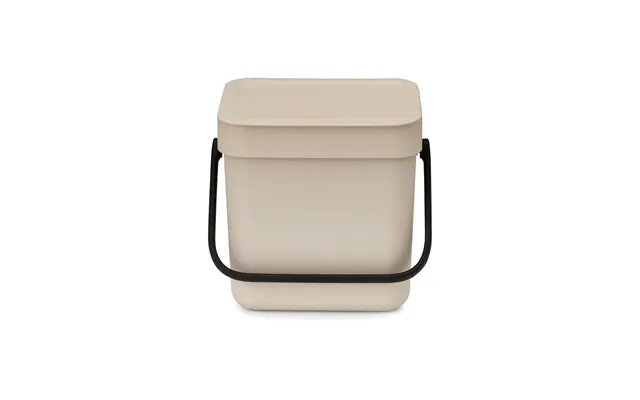
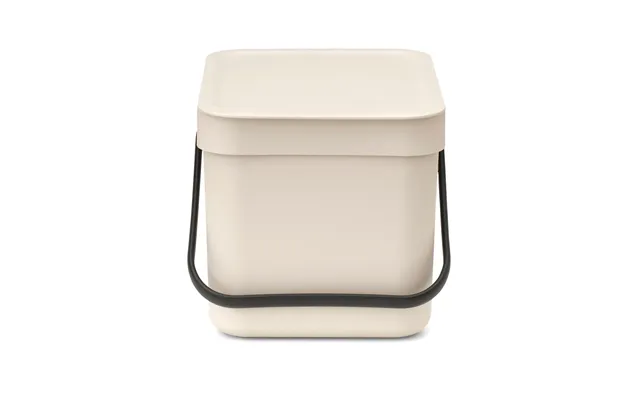
Recycling containers come in plastic, stainless steel, powder-coated metal, and even sustainably sourced wood. Plastic is lightweight and inexpensive, but choose high-density plastic that resists cracking and UV damage. Stainless steel looks sleek and resists odors, though it can dent if dropped. Metal bins are tough, but make sure they’re treated against rust. Think about where the bin will live—humid spots need materials that resist corrosion.
Space often dictates design. If you have a small kitchen, use vertical or stackable options to keep floor space free. Placing a compact caddy next to your sink makes sorting effortless; you’ll move recyclables only a few steps. For larger homes, create a “recycling corner” with colour-coded bins for paper, glass, and plastic—visual cues help kids and guests sort without needing instructions.
When comparing models, keep an eye out for these practical features: soft-close lids to minimize clatter; removable inner buckets for easy emptying and cleaning; secure lids to deter pests; and built-in handles for lifting. Labels or colour coding reduce contamination, and a foot pedal or motion sensor makes a huge difference in convenience. If you compost, a vented lid and aeration ports speed up decomposition.
Size matters, but it’s personal. As a rule of thumb, a small household (one to two people) does well with a 5 to 13-gallon indoor recycling bin and a 32-gallon outdoor container. Families of three to five may prefer 13 to 18 gallons indoors and 48 to 64 gallons outside. Think about collection frequency too—if you only have weekly pickup, opt for more outside capacity to avoid overflow between collections.
Accessories extend the life and usefulness of your recycling system. Bin liners in compostable or heavy-duty plastic keep interiors clean; non-slip mats prevent sliding; reusable labels or icons help everyone sort correctly; odour neutralizers and charcoal filters control smells. For outdoor bins, reflective stickers boost visibility at dusk and prevent accidental collisions.
Cheap bins are tempting, but spending a little more on quality pays off. A sturdy stainless-steel pedal bin or a well-built pull-out system will last years longer than a flimsy plastic model. Consider the total cost of ownership: durability, ease of cleaning, and modular options that let you expand without replacing everything. If you can save time and reduce hassle, the upfront price often justifies itself.
Buying recycling containers is an opportunity to practice what you preach. Look for products made from recycled plastic or responsibly sourced wood, and avoid single-use liners when possible. A long-lasting bin reduces waste in the long run. Also consider how the container will age—UV-resistant plastics and rust-proof coatings extend useful life, meaning fewer replacements and less environmental impact.
Your lifestyle should guide your selection. If you throw a lot of food waste, invest in a compost tumbler. If you live in a shared house, choose large, clearly labelled multi-compartment stations. For apartment dwellers, a slim 10 to 13-gallon bin with a tight-fitting lid keeps a small kitchen tidy. Also factor in mobility—wheeled outdoor bins are essential if the collection point is far from your door.
Keeping containers clean is simple but important. Rinse bins weekly with water and a mild detergent, and let them air dry upside down. Sprinkle baking soda or use charcoal deodorizer to control smells. For outdoor bins, hose down monthly and check wheels and hinges for wear. Removable inner buckets make cleaning a breeze—empty, rinse, and dry before returning to the unit.
Here are quick suggestions to match common needs: For small kitchens, pick a 5 to 10-gallon countertop caddy; for families, a 13 to 18-gallon pedal bin or an under-sink pull-out with two 8-gallon buckets; for outdoor recycling, choose a 32 to 64-gallon wheelie bin with sturdy wheels. If you compost, the faster results come from a 40 to 60-gallon tumbler. When comparing models, balance capacity, footprint, and features like lids and inner buckets.
If your kitchen lacks a built-in solution, retrofitting is easier than you think. Measure the cabinet opening—most under-sink slides require 12 to 24 inches of width and at least 12 inches of depth. Choose a slide-mounted system that matches your door swing and cabinet height. Temporary adhesive labels or magnetic dividers can convert a plain cupboard into a neat sorting station without permanent changes.
Avoid these pitfalls: buying the wrong size because of temporary clutter, choosing materials that can’t handle moisture, and neglecting lids or filters for odour control. Another common mistake is overly complicating the system—if it’s too fiddly, household members will skip sorting. Keep it simple, visible, and easy to use.
Comparison sites and marketplaces make it easy to compare features, sizes, customer ratings, and prices. Look for models with high user reviews, clear product dimensions, and helpful photos so you know exactly what will fit. Watch for seasonal discounts—rebates and offers often pop up around spring cleaning season when homeowners are upgrading their household storage solutions.
Choosing the right recycling container transforms recycling from a nagging chore into a simple daily habit. Match the type, size, and features to your household rhythms: compact caddies for tight kitchens, stackable stations for flexible sorting, and robust outdoor bins for curbside collection. Invest in durability, keep it easy to use, and you’ll find recycling becomes second nature—like keeping a favorite pair of shoes by the door.