




All categories
Business & Offices
Electronics & Media
Fashion & Accessories
Groceries & Essentials
Health & Personal Care
Home & Living
Kids & Family
Sports & Outdoors
Search in ZoneOffer
Loading...
Are you tired of wrestling with awkward trash bags or dragging a heavy bin that tips over in the driveway? A waste container cart can change that. These wheeled heroes make hauling waste and recyclables as easy as rolling a suitcase, freeing you up for the things that actually matter. Whether you’re managing household garbage, weekend yard waste, or a small business’s daily refuse, the right cart makes the job faster, cleaner, and less back-breaking.
Not all waste container carts are built the same. You’ll find a range of styles tailored to different uses: residential roll carts, commercial front- or rear-loading carts, heavy-duty steel dumpsters on wheels, compost carts, and specialized recycling carts. Choosing between plastic, steel, or composite bodies comes down to durability, weight, and price.
These are the most common carts for homes. They typically come in 32-, 64-, or 96-gallon sizes and feature a lid, two wheels, and a molded handle. Plastic roll carts are lightweight—often between 20 and 40 lb—so they’re easy to maneuver, and they resist rust and dents. They’re perfect for curbside collection and everyday household trash.
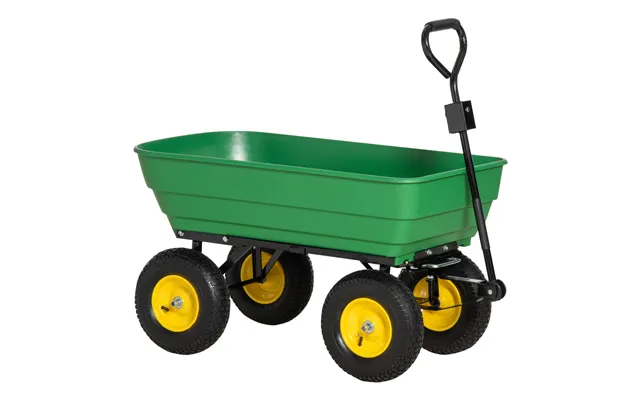
For businesses, events, or large households, heavy-duty carts—sometimes with four wheels or reinforced frames—are better suited. Steel or reinforced polymer bodies stand up to rougher use and can carry heavier loads. These carts can weigh 80 to 120 lb empty, but their frames and larger wheels help when you’re moving bulkier waste and heavier loads.
Compost carts are designed for organic material and often have ventilated lids or built-in liners to reduce odors. They come in smaller sizes for backyard use or larger capacities for community composting efforts. Look for models with ergonomic handles and a low center of gravity so you can roll yard clippings without tipping.
Recycling carts are usually color-coded and sized to encourage separation at the source. They often include features like wide openings for bottles and cartons, and sometimes stackable or nestable designs for storage when not in use. For multi-stream recycling, consider a set of small wheeled carts rather than one large bin.
Choosing the right cart is more than picking a color and capacity. Think about materials, wheel size, lid design, handles, and whether you’ll need accessories like lids with locks or bungee points. These details can make daily use markedly easier.
High-density polyethylene (HDPE) is a popular choice: it’s light, UV-resistant, and dent-proof. Steel carts offer superior impact strength but are heavier and can corrode if not coated properly. Composite materials aim to blend the best of both worlds—strength with lighter weight.
Wheels are more important than most buyers realize. Larger wheels—8 to 12 inches—roll over curbs and rough driveways much better than small caster-style wheels. Pneumatic tires give a cushioned ride but need occasional inflation, while solid rubber or EVA wheels are maintenance-free.
A molded handle with good grip height keeps you from bending awkwardly. Look for handles with 36 to 48 inches of reach from the ground—this reduces strain. Some carts have two-position handles for tipping and hauling, which can be handy for heavy loads.
Flip-top lids, hinged lids, and removable lids each have pros and cons. Hinged lids stay attached, which is great for curbside pickup. Tight-fitting lids and vented lids with charcoal filters help cut down on smells. If critters are a problem where you live, a lockable lid or built-in latch is a wise choice.
Choosing the right size comes down to how much waste you generate and how often it’s collected. Here’s a quick guide using imperial units so you can visualize capacity more easily.
These are perfect for singles or couples who don’t produce a lot of waste. A 32-gallon cart keeps things compact and easy to store—think of it as a kitchen-sized helper on wheels. Expect the cart body to weigh around 20–30 lb empty, and dimensions to be roughly 18–24 inches wide and 30–36 inches tall.
A 64-gallon cart fits most small families. It typically balances capacity and manageability—large enough for a week’s worth of trash, yet still manageable on curbs and down sidewalks. Dimensions are commonly in the 24–28 inch width range and 36–44 inches tall.
Going to 96 gallons is ideal for large families, shared housing, or if you produce bulky waste frequently. These carts can hold a lot—imagine dozens of kitchen bags rolled into one. They’re wider and taller—often 30–32 inches wide and 42–48 inches tall—so check your storage spot first.
Weight capacity varies by construction. A plastic 64-gallon cart used for household waste might comfortably take 200–400 lb of trash, while a reinforced commercial cart of the same volume could handle 600–800 lb. Keep in mind that water and dense materials add weight quickly—96 gallons of water weighs roughly 800 lb—so don’t mistake volume for safe weight capacity.
Think beyond the cart itself. Accessories like replacement wheels, tow bars, bungee straps, liners, and lid locks can extend usefulness and convenience. Here are some that are worth considering.
If you live on rough terrain, swapping to larger, pneumatic tires can make rolling easier. Solid rubber wheels are nearly maintenance-free, but pneumatic tires improve shock absorption and maneuverability.
Have a long driveway? Tow bars let you pull a cart behind a small utility vehicle or lawn tractor, saving your back on heavy trash days. Just check compatibility with your cart model.
Reusable cart liners speed up cleaning and reduce mess—especially useful for compost carts. Heavy-duty liners protect the interior from leaks and make emptying easier.
With a little upkeep, a good cart can last many years. Regular cleaning, wheel maintenance, and checking fasteners will keep things rolling smoothly.
Rinse the cart with a hose every few weeks and use a baking soda solution or mild detergent to reduce odors. For compost carts, turn the contents occasionally and avoid overloading to prevent leaks and buildup.
Inspect wheels for wear and replace worn bearings or axles early to avoid wobbling that can damage the cart. Lubricate moving parts once a year with a light oil to keep things smooth.
Store the cart indoors or under cover if possible—exposure to freezing temperatures and moisture can shorten its lifespan. If you must leave it outside, securing the lid and elevating the cart off standing water will help.
Check your local waste collection rules before picking a cart. Some municipalities specify dimensions, color codes, or even require lockable lids for certain areas. Also, use caution when loading heavy items—keep loads balanced to avoid tipping.
Waste container carts are versatile. Use them as portable storage for garden soil, firewood, sports equipment, or as mobile recycling stations at events. Their wheeled design turns cumbersome hauling into a simple roll-and-go task.
At community events, multiple carts can be stationed for food waste, bottles, and general trash—streamlining cleanup and separating streams for recycling or composting.
Haul mulch, soil, and clippings with a heavy-duty compost cart. The larger capacities reduce the number of trips, and vented lids cut down on odors during longer projects.
Prices vary widely. Basic residential plastic roll carts are affordable—you can expect entry-level models to be budget-friendly—while heavy-duty commercial or steel carts cost more but offer longer life and higher load capacity. Consider lifecycle cost: a pricier cart that lasts twice as long can be the better deal.
Pick the cart that matches your everyday needs. If you want minimal effort and frequent curbside pickups, a mid-size 64-gallon plastic roll cart with 10-inch wheels will serve most households well. If you need something for heavy loads or rugged use, step up to commercial-grade materials and larger wheels. Think about storage space, how often you’ll empty the cart, and whether you need features like lockable lids or tow attachments.
Before you buy, compare specifications like capacity in gallons, weight capacity in pounds, wheel diameter in inches, and warranty details. Comparison sites list models side-by-side so you can match features and read user reviews—making it easier to find the right cart for your situation without guesswork.
Choosing a waste container cart is really about matching form with function: pick the size and features that fit your lifestyle, and you’ll save time, reduce strain, and keep your space cleaner. Whether you’re rolling out the cart every week for curbside collection or using it daily in a busy yard, the right cart becomes an unsung household hero.
Conclusion: A good waste container cart pays for itself in convenience. Focus on size, material, wheel quality, and practical accessories, and you’ll have a reliable tool that makes waste handling faster and cleaner.

