All categories
Business & Offices
Electronics & Media
Fashion & Accessories
Groceries & Essentials
Health & Personal Care
Home & Living
Kids & Family
Sports & Outdoors
Search in ZoneOffer

Loading...
If you’re staring at a cluttered cabinet of mismatched pots and pans and wondering where to start, a cookware or bakeware combo set can feel like a breath of fresh air. Instead of assembling pieces one-by-one, a combo set gives you the essentials—matching lids, coordinated materials, and predictable performance—so you can cook with confidence right away. Think of it as a wardrobe capsule for your kitchen: a few versatile pieces that cover every meal, from scrambled eggs to Sunday roasts.
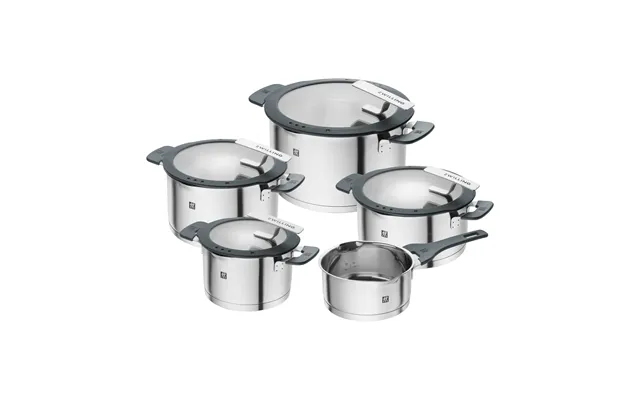
A combo set brings together multiple pieces designed to work as a system. On the cookware side, that usually means saucepans, frying pans, a sauté pan, and a stockpot sized in quarts, with diameters commonly listed in inches. Bakeware combos pack sheet pans, cake pans, muffin tins, and loaf pans in coordinated materials and finishes. Hybrid combo sets blend both, giving you pots and pans plus the most-used baking pieces so you’re ready for any recipe.
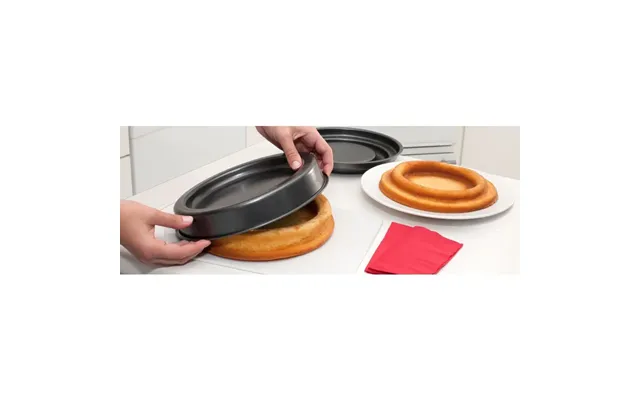
Cookware combos are about stovetop performance—heat distribution, searing, and simmering—whereas bakeware focuses on even oven heating and non-stick release. Some hybrid sets try to offer the best of both worlds; others concentrate on one purpose to keep costs and design smarter. Pick based on whether you bake more sweet treats or sauté and simmer most evenings.
The material of a set defines how it heats, how long it lasts, and how you care for it. Some sets are best for high-heat searing, others for gentle sauces, and some are built with convenience in mind. Here’s a simple breakdown to help you pick a material that fits your style.
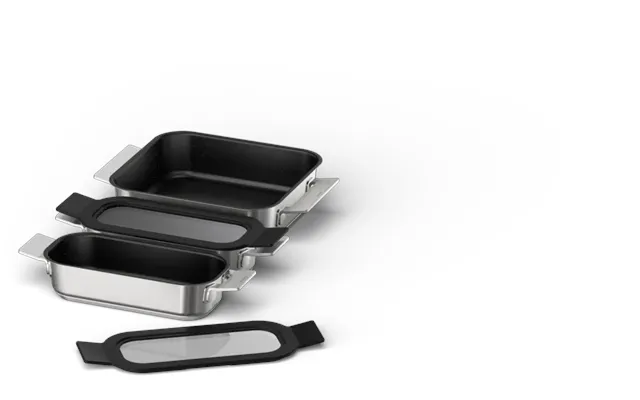
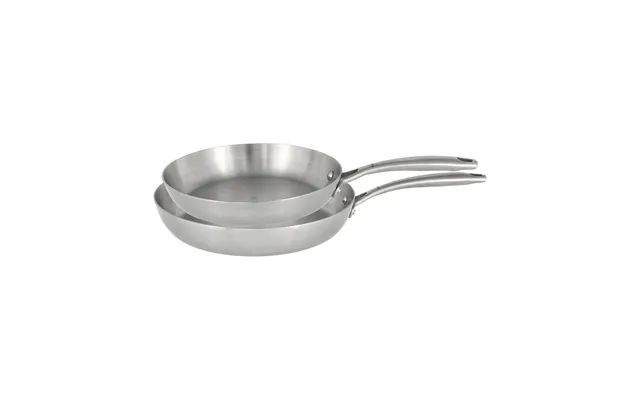
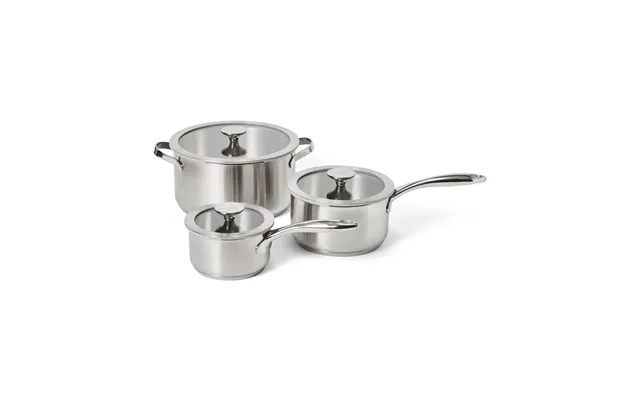
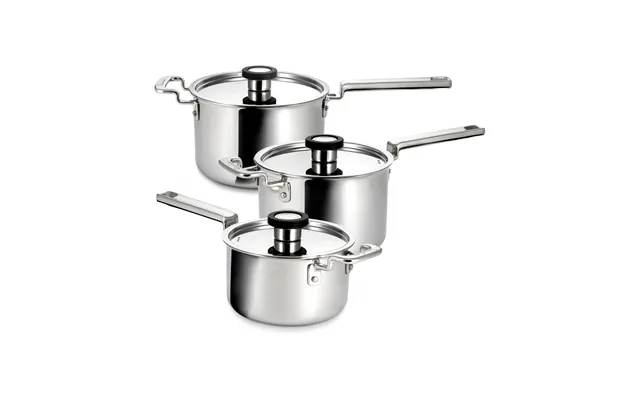
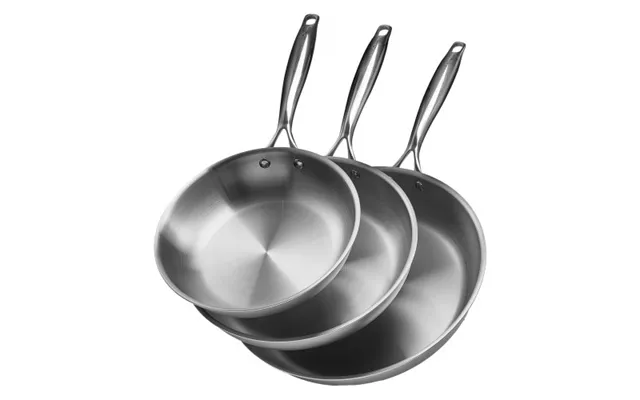
Stainless steel sets are workhorses. Look for multi-ply constructions—often advertised as tri-ply or 3-ply—which typically sandwich an aluminum or copper core between stainless layers. That gives you fast, even heating without reactive surface issues. Typical pieces in a stainless set: an 8-inch and 10-inch skillet, 1.5- to 2-quart and 3- to 4-quart saucepans, and a 6- to 8-quart stockpot.
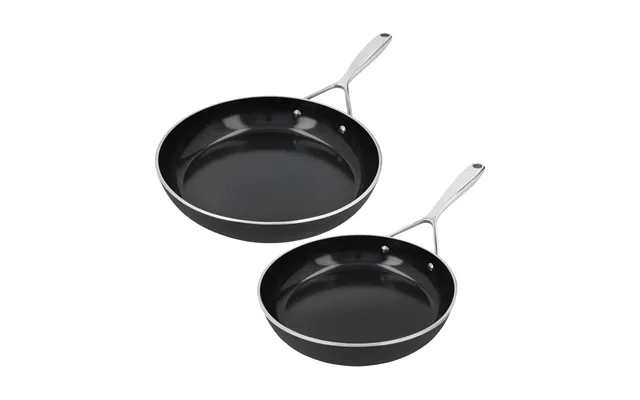
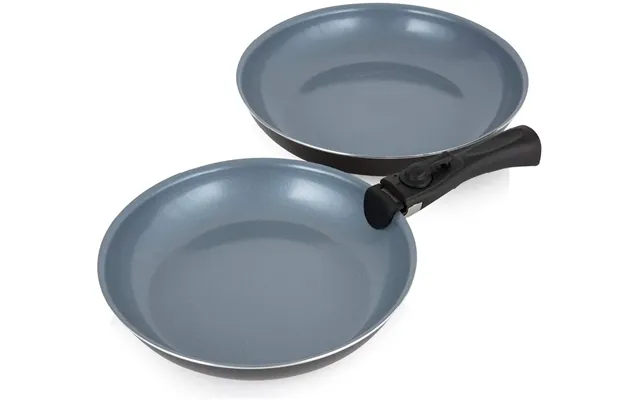
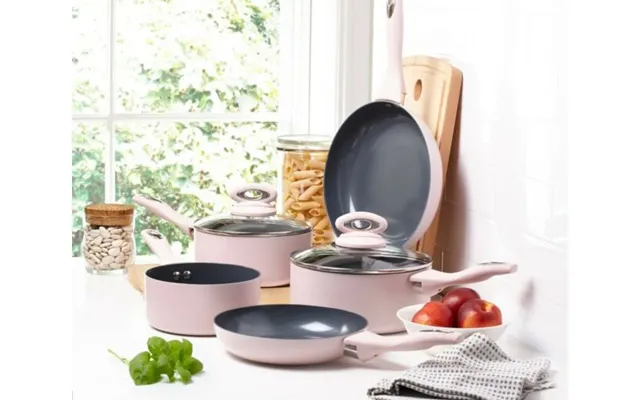
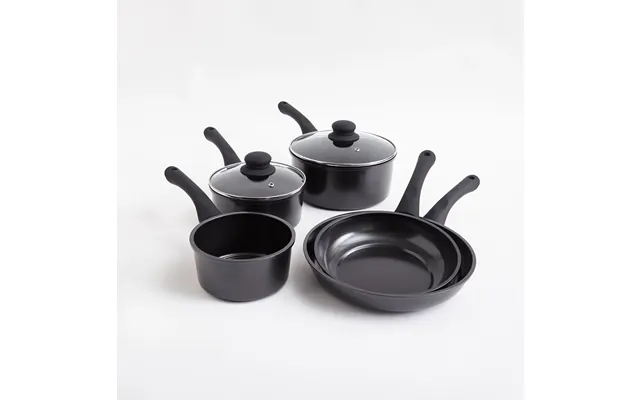
Nonstick sets are fantastic for eggs, pancakes, and anything you don’t want to scrub off later. Ceramic-coated nonstick offers a chemical-free alternative to traditional PTFE coatings; it’s great for low-to-medium heat. If you want an 8-inch skillet for omelets and a 10-inch for stir-fries, a nonstick set makes cleanup quick, but avoid using metal utensils to preserve the coating.
Hard-anodized sets sit between stainless and traditional nonstick: they’re tougher than regular aluminum, often have a nonstick surface, and deliver even heating. They’re lighter than stainless and typically oven-safe to reasonable temperatures, like 400 to 450°F, which is handy for recipes that start on the stove and finish in the oven.
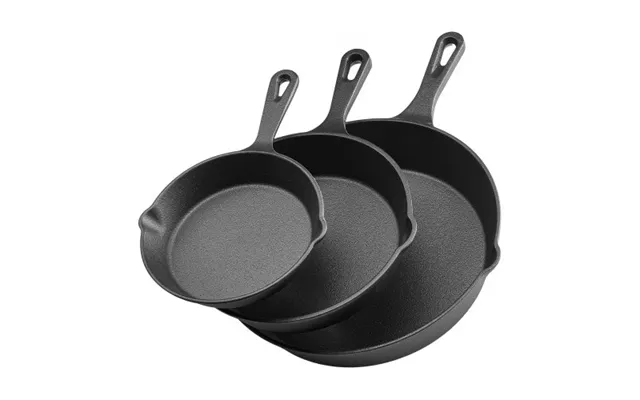
Cast iron is legendary for heat retention and searing. A 10- to 12-inch cast iron skillet can last decades if seasoned properly. Enameled cast iron gives you the benefits of heat retention without the need for seasoning and offers color options to match your kitchen. They’re heavier—expect a 12-inch skillet to weigh several pounds—so keep one for when you really want a crust on your roast or a slow-simmered stew.
Not all sets are built the same. Here are the common formats you’ll encounter and who they suit best.
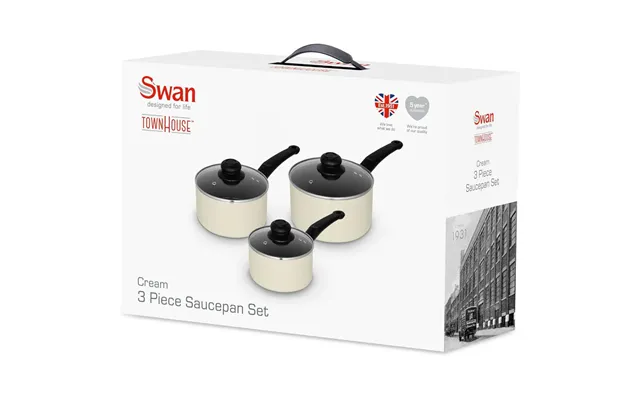
Starter sets typically include a small saucepan (around 1.5 to 2 quarts), a medium saucepan (3 to 4 quarts), and one or two skillets (8-inch and 10-inch). These are ideal for singles or couples who want to cover weekday meals without breaking the bank.
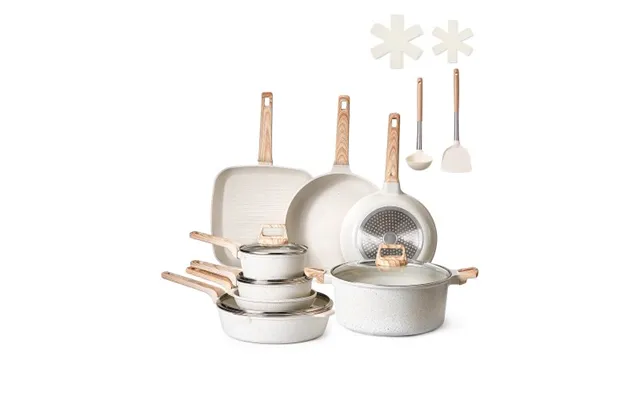
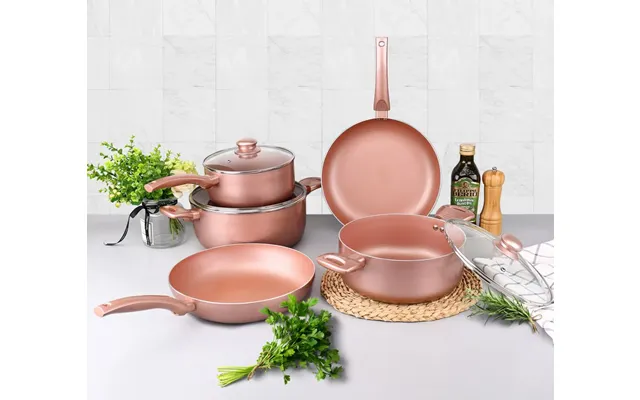
Family-oriented 8- to 12-piece sets add a larger stockpot (6 to 8 quarts), a sauté pan, and extra lids. If you roast whole chickens or make big batches of soup, the extra capacity matters. Sizes like a 10-inch skillet and a 12-inch skillet are common in these collections.
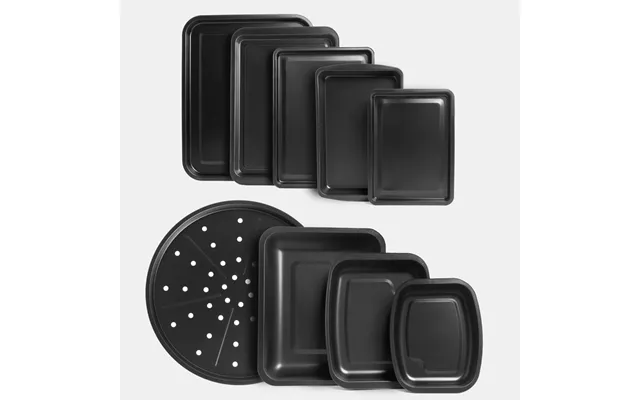
Bakeware combos often include a half-sheet pan (about 13 by 18 inches), a 9-inch cake pan, a 9-by-5-inch loaf pan, and a 12-cup muffin tin. If you love cookies, cakes, and bread, a dedicated bakeware set ensures even browning and consistent results.
Choosing comes down to what you cook, how you cook, and how you clean. Ask yourself: Do I cook on induction? Do I bake often? How much storage space do I have? Below are the practical considerations that separate a good purchase from a regret.
If you have induction, check that the set is induction-compatible—stainless steel with a magnetic layer or cast iron will work. Aluminum-only pans often won’t unless they have a magnetic base. Gas and electric are less picky, though thicker bases help on electric to avoid hot spots.
Singles and couples usually make do with an 8-inch skillet and a 3- to 4-quart saucepan. For families or meal preppers, consider a 10- or 12-inch skillet and a 6- to 8-quart stockpot. Think in quarts when sizing pots and inches when sizing pans—those two measures will determine whether a pan fits your recipe needs.
Oven-safe temperature matters if you plan to start on the stove and finish in the oven. Many nonstick sets are oven-safe up to 350 to 450°F; some stainless and cast iron sets tolerate higher temps. Also look at handle construction—riveted handles tend to be sturdier, and stay-cool handles are nicer for everyday use.
There’s no one-size-fits-all champion, but certain sets consistently earn praise for performance and value. Below are types of sets worth considering, described in a way you can match to your needs rather than listing only brand names.
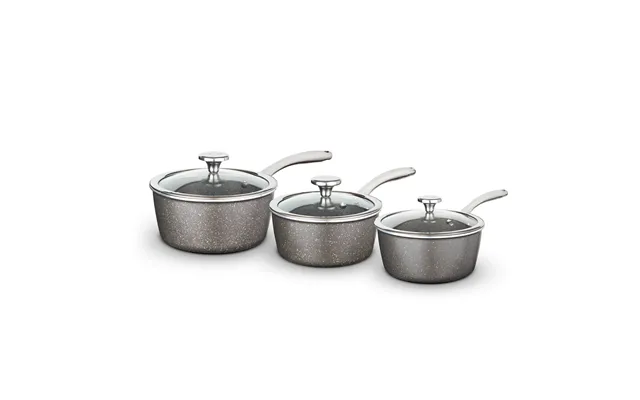
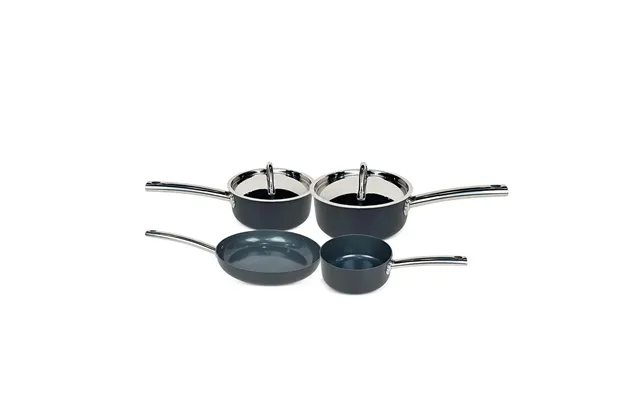
Great for cooks who want something durable that can go from stove to oven. Typical configuration: 8-inch and 10-inch skillets, a 1.5-quart saucepan, a 3-quart saucepan, a 3- to 4-quart sauté pan, and a 6- to 8-quart stockpot. They handle searing, simmering, and braising well and are often dishwasher-safe for convenience.
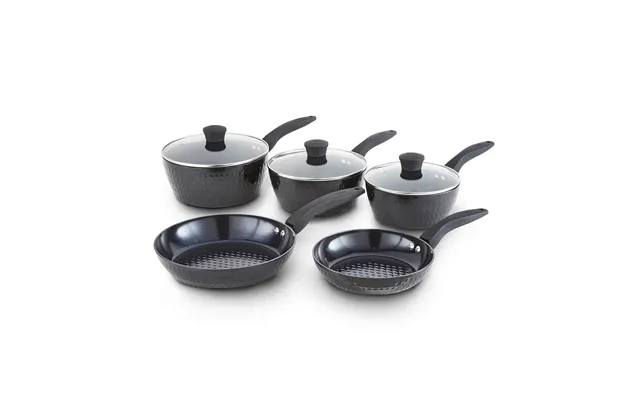
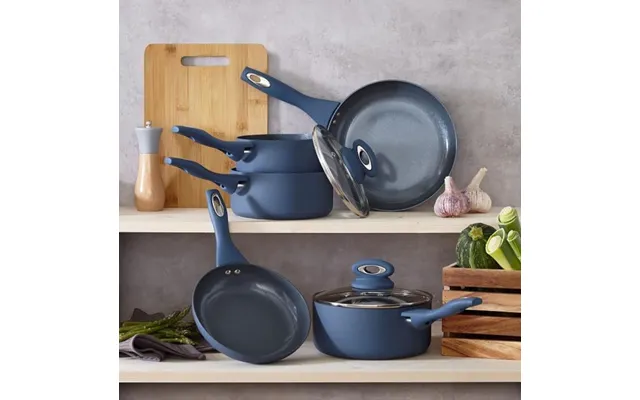
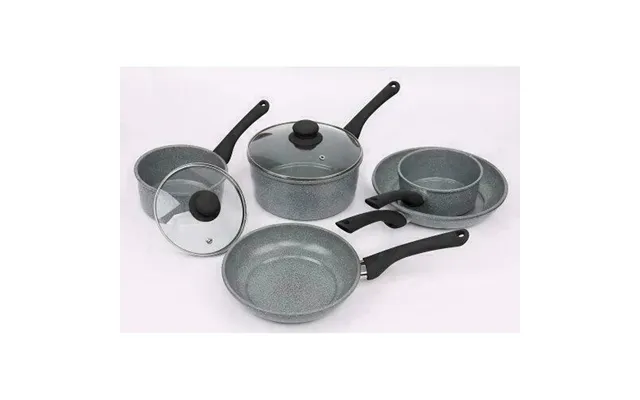
If you mainly make breakfasts, stir-fries, and quick weeknight dinners, a 6- to 8-piece nonstick set can save time and elbow grease. Expect a pair of skillets (8-inch and 10-inch), a 2- to 3-quart saucepan, and perhaps a 6-quart Dutch oven-style pot with a nonstick interior for stews.
Hard-anodized aluminum sets often include robust nonstick surfaces with sturdier metals underneath to resist warping. They’re a solid middle ground if you want better searing than cheap nonstick but still want the lighter weight of aluminum compared to stainless.
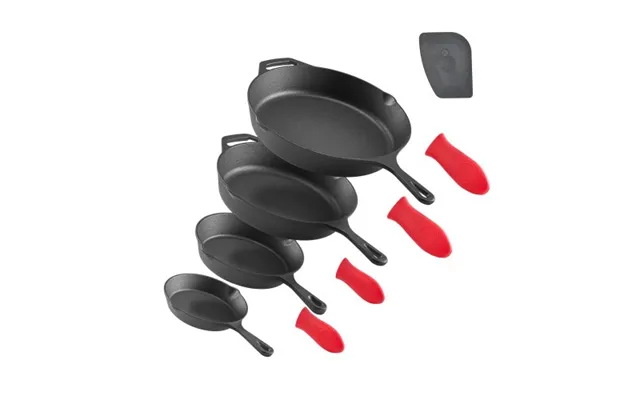
A cast iron combo may include a 10- or 12-inch skillet, a smaller pan for eggs, and a cast iron grill pan or griddle. These are ideal if you want a lifetime piece that improves with age, can handle extreme heat, and doubles as an oven-safe roasting vessel.
For the baker, a set with a 13-by-18-inch half-sheet, a 9-inch round cake pan, a 9-by-5-inch loaf pan, and a 12-cup muffin pan gives you everything for everyday pastries. Look for warp-resistant steel with a reliable nonstick surface for consistent results.
Proper care is where you make or break a cookware set’s lifespan. Some routine habits go a long way: don’t overheat empty pans, avoid metal utensils on nonstick surfaces, and dry cast iron thoroughly after washing. Simple steps translate into long-term performance.
Cast iron needs seasoning to build a nonstick surface and prevent rust. After cleaning, dry it, apply a thin coat of oil, and heat it briefly. Regular use and occasional re-seasoning are the secret to a silky-smooth skillet that rivals modern nonstick surfaces.
Stainless steel benefits from occasional deglazing with a splash of water to lift stuck-on bits, while nonstick pans usually need gentle dish soap and soft sponges. Avoid abrasive cleaners on coated surfaces; if stubborn residue occurs, soak in warm water instead of scrubbing hard.
If you’re on a budget, starter sets with essential pieces give great value and let you test materials before committing. If you cook frequently or want heirloom-quality pieces, invest in a high-end stainless or cast iron set—these often rub off on your technique and produce more reliable results at high temps.
Prioritize spending on materials that last: a quality frying pan and a sturdy stockpot are worth the extra money. Handles, lids, and base construction are where corners shouldn’t be cut; cheap handles can wobble, and thin bases warp over time.
Choose coatings and materials that align with your health preferences. Ceramic coatings tout lower chemical risk and are fine for low- to medium-heat cooking, while stainless and cast iron are inert and safe at high temps. Also think about longevity: a set that lasts decades has a smaller environmental footprint than one replaced every few years.
Before you click buy, run through this checklist: Is the set induction-compatible? What are the oven-safe temperatures? How many quarts and inches are included, and do those sizes match your cooking habits? Does the set include lids that fit multiple pieces? Will the finish and handles suit your storage and cleaning preferences? Answer these and you’ll end up with a set that feels tailor-made.
Choosing the right cookware and bakeware combo set is less about the label and more about matching pieces to your cooking style, kitchen setup, and long-term goals. Whether you want a lightweight nonstick set for quick weekday meals, a rugged cast iron kit that’ll be handed down, or a balanced stainless steel collection for all-round performance, the best set is the one you’ll reach for every day. Think in inches for pans and quarts for pots, match materials to your heat source, and invest where it counts—then enjoy cooking with gear that makes meals easier and more fun.

| £ 109,- |
| Combekk Combekk Element Pot And Frying Pan Set 4-piece Bordeaux | £ 109,- |