

Airpots price list
Last updated Monday, 19 Oct 2026




View 9 Offers



Loading...
Last updated Monday, 19 Oct 2026
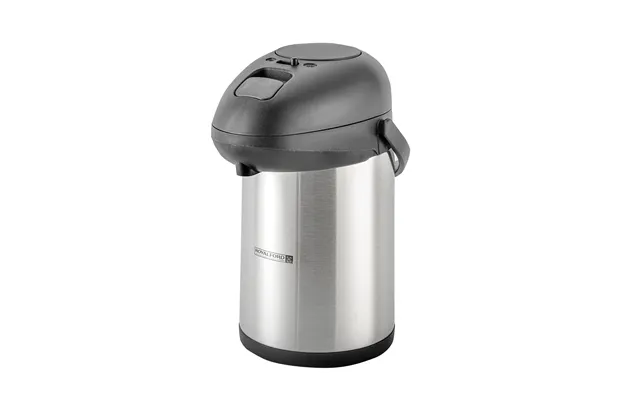
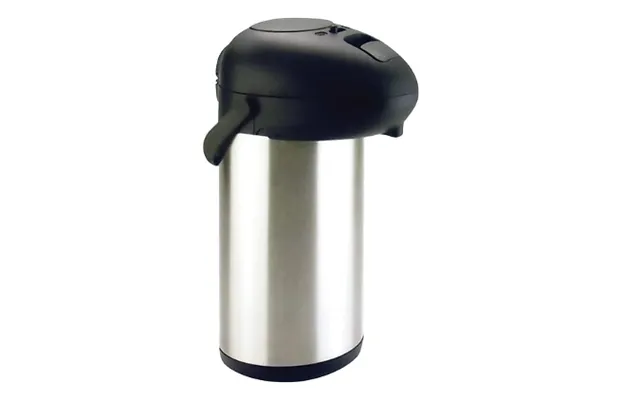
If you're tired of reheating coffee every hour or juggling a stack of disposable cups at meetings, an airpot can be your kitchen or office superhero. An airpot is an insulated beverage dispenser with a pump-action lid that lets you serve hot or cold drinks hands-free and spill-free. Think of it as a thermos on steroids—capable of sitting on a counter for hours and delivering consistent pours without losing temperature quickly. Whether you're hosting a weekend brunch, catering a small event, or managing a busy office breakroom, an airpot keeps drinks at the right temperature and keeps the queue moving.
Airpots look simple, but there’s clever engineering inside. Most units use a double-walled vacuum-insulated stainless steel body to cut heat transfer—this is the same principle used in quality travel mugs. The pump on top creates pressure that forces liquid up through a tube and out a spout with one or two firm presses. No electricity, no messy pouring, and no constant opening of a lid to let heat escape. The result is a dispenser that keeps coffee, tea, or hot chocolate hot for hours and cold beverages refreshingly chilly, depending on the model.
Not all airpots are created equal. When shopping, focus on features that affect real-world performance: capacity, insulation quality, pump reliability, ease of pouring, and how simple the unit is to clean. A well-chosen airpot should match the size of your gatherings, maintain temperature long enough for your needs, resist stains and odors, and be user-friendly for everyone—from baristas to weekend hosts.
Airpots come in a range of sizes. Common capacities are roughly 68 fl oz (about 2 quarts), 96 fl oz (3 quarts), and 128 fl oz (4 quarts). If you’re serving a small household or a meeting of 4–6 people, a 64–68 fl oz model often fits nicely. For larger gatherings or full-day events, a 96 fl oz or 128 fl oz unit reduces the need for refills. Think in cups: an 8-ounce cup is a good baseline—so a 96 fl oz airpot serves about 12 cups.
Insulation quality determines how long your beverage remains at a pleasing temperature. Top airpots can keep liquids hot enough for 6–12 hours and cold for a similar window, depending on ambient conditions. Manufacturers sometimes state specific temperature retention—look for models that maintain at least 140°F for several hours if you want hot coffee that still tastes fresh by mid-afternoon. When possible, preheat the airpot with hot water before filling; this tricks the unit into working like a thermal fortress and extends heat retention.
The pump is the beating heart of an airpot. Look for pumps rated for thousands of pumps—stainless steel or reinforced plastic components tend to last longer. A smooth, firm press without spitting or sputtering indicates good design. Some pumps are replaceable, which can extend an airpot’s lifespan. For frequent use in busy environments, prioritize robust pumps that can stand up to high-traffic pouring.
Airpots vary in how they pour. Some offer a precise, narrow stream perfect for coffee service; others have wider spouts suitable for thicker beverages like cider. A drip-free spout and a locking mechanism are nice for transport and safety. If you plan to serve specialty drinks like lattes or pour-over coffee, a model with a controlled pour and minimal aeration will preserve flavor and reduce splashing.
Cleaning can be a deal-breaker with insulated dispensers. Choose units with removable pump assemblies and wide openings to allow thorough scrubbing. Some airpots boast dishwasher-safe parts (check manufacturer guidance), but hand-washing with warm water and mild detergent is often safest. Regular cleaning prevents buildup of oils and residues that can turn any coffee bitter or taint the flavor of subsequent drinks.
If you’re exploring options, it helps to know how airpots compare with adjacent products like thermal carafes and coffee urns. Each type has its place depending on scale, portability, and the look you want on the counter.
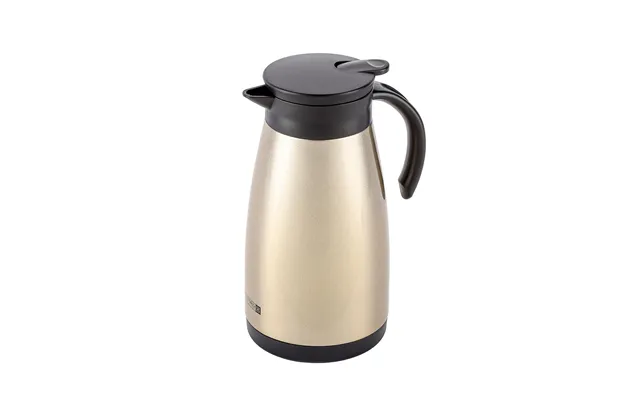
Thermal carafes are often sleeker and designed for pour-over use on tables. They’re great for smaller servings and look elegant on a breakfast bar. Airpots, by contrast, excel at high-volume service because of their pump system—perfect when people are pouring themselves all day. If presentation is top priority and service is occasional, a carafe might be your pick. If speed and convenience are key, an airpot typically wins.
Coffee urns are electric and meant for large crowds—think catering events or big family reunions. They keep coffee hot by heating from the bottom, which can sometimes produce a slightly different flavor profile due to ongoing heating. Airpots don’t heat; they insulate. That means airpots preserve brewed flavor without additional cooking, while urns offer capacity and keep-drink-ready features for very large groups.
When it comes to reliable airpots and insulated dispensers, several brands consistently get good reviews. Zojirushi and Tiger are well-known for excellent insulation and durability, especially in smaller thermal dispensers. Bunn and Hamilton Beach focus on commercial and high-capacity solutions suitable for offices and catering. OXO and Bodum offer stylish home-friendly designs with attention to ergonomics. Look for models that balance capacity and pump longevity; models that allow easy disassembly for cleaning often rank highest with buyers.
Shopping for an airpot is mostly about matching features to use cases. Ask yourself: how many cups do I need to serve between refills? Will it travel or stay put? Do I need a locking lid for transport? For a small office of 6–10 people, a 96 fl oz model often hits the sweet spot. For weekend gatherings or personal coffee rituals, a 64–68 fl oz unit is portable and compact. If you cater events or run a busy coffee service, a 128 fl oz model or multiple airpots arranged by beverage type can keep lines short and customers happy.
To get the best performance out of your airpot, follow a few simple habits. Preheat the unit with hot water for 5–10 minutes before adding freshly brewed coffee—this helps preserve heat. Avoid filling all the way to the brim; leaving a small air gap reduces splashes during pumping. For cold drinks, chill the carafe beforehand and keep the unit in a cool place away from direct sunlight. If you’re pouring at a buffet, label each airpot with the beverage type to prevent mix-ups and flavor contamination.
Routine care extends lifespan and maintains flavor integrity. After each use, rinse the inside with warm water and let the pump run several times to clear residual liquid. For a deeper clean, disassemble the pump and soak removable parts in a solution of warm water and mild detergent, then rinse thoroughly. For residual coffee oils or stains, use a mixture of baking soda and warm water or a specialized coffee equipment cleaner. Replace seals and pumps when you notice stiffness or leaking—these are inexpensive fixes that prevent bigger problems.
Even seasoned hosts can make avoidable errors. One big mistake is putting boiling water directly into a cold airpot—extreme temperature swings can stress seals. Another is letting coffee sit for days; while insulation preserves temperature, it won’t keep coffee fresh forever—try to brew in batches that match consumption. Don’t use abrasive pads on stainless interiors; they can scratch and harbor bacteria. Finally, skipping regular pump maintenance invites clogs and malfunctions, so keep a simple cleaning schedule to avoid downtime.
Airpots are versatile. They're ideal for corporate meetings, morning church gatherings, catered breakfasts, bed-and-breakfast service, and even food trucks or market stalls where electricity might be limited. Their portability and non-electric operation make them a top pick for outdoor events like tailgates or picnics, provided you keep them shaded to maintain temperature. Because they dispense without tipping, airpots are also safer around children and in crowded spaces.
Using an airpot can cut waste by reducing reliance on single-use cups and disposable carafes. Over time, a quality airpot pays for itself by reducing the need to reheat coffee or toss unfinished beverages. For offices, this can add up: fewer wasted pots and less energy spent constantly reheating translates to savings and a smaller environmental footprint. Plus, guests often appreciate the ritual of self-service from an attractive, well-maintained dispenser.
Before you commit, run through a quick checklist: is the capacity right for your average gathering? Does the pump feel sturdy and replaceable? Can you disassemble parts for deep cleaning? Are replacement seals available? Does it retain temperature at least through your typical event duration? Does the spout pour cleanly? Answering these will steer you toward a model that serves you reliably for years.
Airpots are an elegant, practical solution for anyone who serves beverages to groups—whether at home, in the office, or at events. They combine insulation, ease of use, and capacity to keep drinks tasting fresh and service moving smoothly. By focusing on capacity, insulation, pump durability, and ease of cleaning, you can find a model that fits your lifestyle and reduces waste and hassle. With a little maintenance and the right selection, an airpot can transform how you serve coffee, tea, and other beverages—making hospitality simpler and more satisfying.