





All categories
Business & Offices
Electronics & Media
Fashion & Accessories
Groceries & Essentials
Health & Personal Care
Home & Living
Kids & Family
Sports & Outdoors
Search in ZoneOffer
Loading...
Have you ever pulled a soggy sandwich or lukewarm salad out of a flimsy tote and wished you’d packed smarter? Insulated bags are the unsung heroes of everyday life — they keep lunches appetizing, groceries safe, and beverages chilled the whole way home. Think of an insulated bag like a mini cooler that fits under your arm: it creates a barrier against outside heat or cold so your food stays in the temperature zone it needs to be. Whether you commute to work, plan weekend picnics, or run a food-delivery side hustle, choosing the right insulated bag can save you from ruined meals and wasted money.
Thermal lunch bags are compact, usually sized for a sandwich, a piece of fruit, and a drink. They’re perfect for kids’ lunches, office meals, or short outings. Common dimensions range from about 9 x 7 x 4 inches to 12 x 9 x 6 inches, and many have internal pockets for an ice pack. Lightweight and simple to store, these are the “grab-and-go” option for daily use.
Grocery cooler bags are built to carry a week’s worth of perishables from the supermarket to your kitchen. Expect larger sizes like 16 x 12 x 10 inches or foldable designs that can hold 12 to 24 cans or several pounds of meat and dairy. They often feature thicker insulation, sturdier bottoms, and reinforced handles so you can haul 20 to 40 lbs comfortably without collapsing the bag.
If you bike to work or juggle commuting and errands, insulated backpacks are a game changer. These combine the hands-free convenience of a backpack with thermal lining to protect your food and drinks. Many models include dedicated laptop pockets and removable lunch compartments sized around 15 x 11 x 6 inches — ideal for commuters who want one bag that does it all.
Heading to a party and need to bring chilled wine or craft beer? Bottle carriers and wine coolers are designed with snug compartments to protect glass and maintain temperature. They typically hold one to six bottles and come with padded dividers. Look for bags that maintain 40°F to 60°F internal temperatures for several hours to keep vintages and chilled beers tasting their best.
For those running a food-delivery service or catering events, heavy-duty insulated bags are essential. These are larger — sometimes 18 x 18 x 24 inches or bigger — and built for repeated use, featuring waterproof exteriors, thick foam insulation, and zipped flaps that help lock in temperature. Many are rated to keep food hot above 140°F or cold below 40°F for extended periods when paired with hot packs or ice packs.
Not all insulation is created equal. Common choices include closed-cell foam, reflective foil (Mylar-style), and thick polyethylene foam. Closed-cell foam offers excellent thermal resistance and durability, while reflective foil adds a barrier against radiant heat. Combine both for the best performance — think of it like layering clothes when it’s cold.
Measure what you plan to carry. If you’re hauling a week’s groceries, a bag that can hold 10 to 20 quarts (roughly the size of a medium cooler) is sensible. For daily lunches, a 6 to 12-quart capacity usually suffices. As a rule of thumb, if you can fit a 12-pack of standard 12 fl oz cans inside comfortably, you’ve got a solid medium-sized cooler bag.
Look for ripstop nylon, heavy-duty polyester, or waterproof canvas for exteriors — materials that stand up to grocery carts, bike rides, and rainy commutes. Reinforced seams and heavy-duty zippers extend the lifespan. If you want an investment that lasts several seasons, prioritize construction quality over trendy patterns.
A tight seal matters more than you might expect. Quality zippers, Velcro flaps, or roll-top closures can dramatically improve temperature retention. Sealed seams or welded linings prevent leaks and make the bag easier to clean. Imagine trying to hold a core temperature inside a tent with holes — the bag needs to be just as snug.
Food containers spill and melted ice can get messy. A wipeable, waterproof interior like PEVA or food-grade lined vinyl makes clean-up effortless. Some bags even have removable liners or trays you can wash in warm water. If you value hygiene, avoid materials that absorb stains or odors.
Choosing a size is part science, part lifestyle. Start by listing typical loads: one lunch, a weekend picnic, weekly groceries, or 10 dinner orders for delivery. For example, a daily lunch bag can be around 10 x 8 x 6 inches and carry 3–4 lbs. For grocery runs, a bag that measures 16 x 12 x 12 inches and can carry 20–30 lbs is a safe bet. Remember to leave space for ice packs or bottles; airtight stuffing reduces thermal performance. If you’re uncertain, go one size up — you can always pack lighter, but a bag that’s too small will force awkward stacking.
Reusable ice packs are the MVPs for keeping perishables cold. A couple of 6 x 8 inch gel packs can maintain lower temperatures for hours when placed strategically around fragile items. For hot deliveries, insulated hot packs or thermal bricks are available to maintain warmth above 140°F.
Removable liners allow fast cleanup and can be swapped to accommodate raw meat on one trip and sandwiches on the next. Removable trays help organize space and distribute weight evenly so the bag stays balanced when carried.
Small digital thermometers or color-changing temperature strips let you monitor internal conditions. These are especially helpful for meal prep businesses or when transporting temperature-sensitive items like cheese and sushi. A quick glance can tell you whether to refresh ice packs or heat pads.
Comfort matters when you’re hauling heavier loads. Padded shoulder straps distribute weight better, while wheeled cooler bags are perfect for longer walks and heavy grocery runs. Extra handles give flexibility for two-person carries or awkward stairways — think of them as ergonomic insurance for your arms and back.
Keeping your insulated bag in top shape is simple. Empty and air the bag after use, wipe down interiors with mild soap and warm water, and let it dry fully before storage to prevent mildew. For tougher stains, a baking soda paste or gentle disinfectant works well. Avoid machine washing unless the manufacturer explicitly says it’s safe — harsh agitation can break adhesive seams and compromise insulation.
For daily use, a small thermal lunch bag or insulated tote keeps food fresh and prevents accidental spills. Pack a reusable ice pack for yogurt or salads — aim to keep cold foods under 40°F until you’re ready to eat, especially in warm weather.
Use larger cooler bags for transporting meats, frozen goods, and dairy from the store to home. During summer months, pop a freezer pack behind frozen items and another in front to keep a steady cold envelope during a grocery run that might take 30 to 60 minutes.
Outdoor plans often mean longer exposure to sun and heat. Choose bags with thicker foam insulation and reflective exteriors, and consider a 24-can sized cooler bag for drinks plus a separate small cooler for perishables. Remember, shade and coolers are friends — place the bag out of direct sun when possible.
If you deliver food commercially, invest in heavy-duty, purpose-built insulated delivery bags with temperature retention ratings and certifications if available. These can maintain hot foods above 140°F or cold items below 40°F when used with appropriate hot or cold packs, safeguarding food safety and customer satisfaction.
For long car trips, insulated backpacks and compact cooler bags fit conveniently in trunks or under seats. A 6–12 qt bag is perfect for snacks and beverages for two people, while a medium cooler (20–40 qt equivalent) suits a family of four for a day trip.
If sustainability is important, look for bags made from recycled polyester, hemp canvas, or natural cotton blends with food-safe liners. Some manufacturers use recycled plastic bottles for construction and non-toxic linings. Longer-lasting materials also reduce waste because you replace your bag less frequently. Consider repairing reinforced handles or replacing ice packs instead of tossing the entire bag at the first sign of wear.
Budget insulated bags are fine for light, occasional use — they’re lightweight, inexpensive, and often colorful. Premium models cost more but offer thicker insulation, heavy-duty zippers, reinforced stitching, and performance that lasts season after season. If you use the bag daily or for business, the upfront cost of a premium bag usually pays off through durability and better temperature control.
When shopping, compare specs like insulation thickness, capacity, and materials rather than just price. Look at user reviews for real-world performance: does a bag keep food cold for two-hour commutes, or does it fail under a 30-minute grocery run? Comparison websites and review platforms can help highlight the best choices across categories — from affordable lunch totes to heavy-duty delivery carriers — so you can match features to your needs and budget.
Before clicking “add to cart,” run through this quick checklist: Is the bag big enough for your typical load? Does it use durable materials and have a wipe-clean interior? Are seams reinforced and closures tight? Can it carry the weight you’ll regularly transport comfortably? Does it accept standard ice packs or have removable liners? If the answer is yes to most of these, you’re likely picking a winner.
Insulated bags are a small investment with big everyday returns: better tasting meals, less food waste, and fewer replacements. Whether you want a compact lunch tote, a robust grocery cooler, or a delivery-grade carrier, matching the right bag to your routine will keep food fresher, safer, and more enjoyable. So next time you head out the door, choose the bag that has your back — and your lunch.
| Insulated Bags | Price | |
|---|---|---|
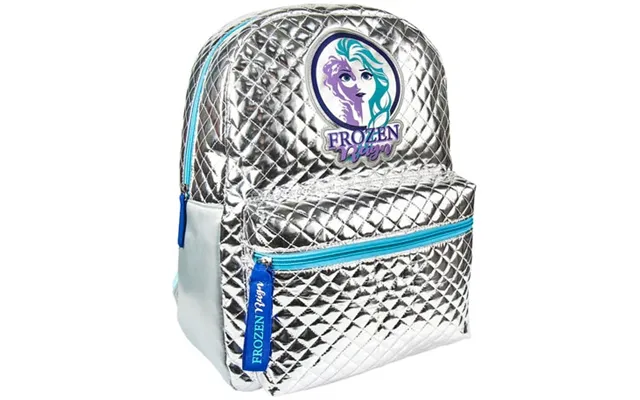
| Frozen School Bag - Silver | £ 12,39 | |
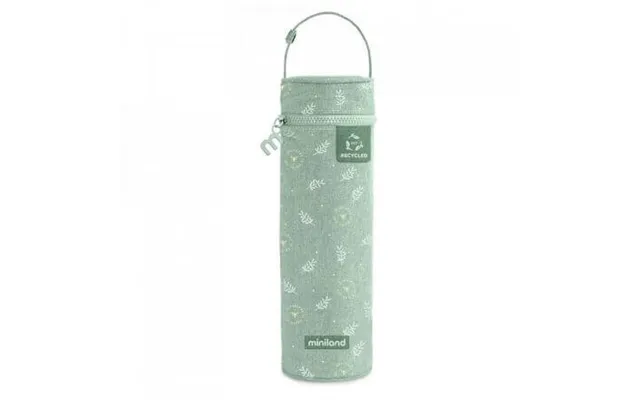
| Ecothermibag Insulated Bag - 500 Ml | £ 13,- |

