All categories
Business & Offices
Electronics & Media
Fashion & Accessories
Groceries & Essentials
Health & Personal Care
Home & Living
Kids & Family
Sports & Outdoors
Search in ZoneOffer

Loading...
Is your dishwasher louder than it used to be or leaving spots on your glassware? Before you write off the whole unit, consider replacing a few key parts. Repairing is often cheaper and greener than buying new, and smart upgrades can extend the life of your machine by years. Think of your dishwasher like a car: change the worn components and you get many more miles out of the engine.
Dishwashers are more than a box with racks—they’re a collection of moving parts, seals, and filters that must work together. Below I break down the most commonly replaced parts and why they fail. Knowing these will help you diagnose issues quickly and shop smarter.
Spray arms spin under water pressure to blast food particles away. Over time they clog, crack, or lose bearings. You’ll notice lines on dishes or dead zones in the wash. Replacing a spray arm is usually inexpensive and can restore full cleaning coverage. Measure length in inches and note the attachment style to find a compatible replacement.
Filters trap grit and protect the pump. If your machine smells or drains slowly, the filter may be clogged or torn. Filters commonly measure just a few inches across, so keep a tape measure handy. Clean or replace them every few months to maintain performance and prevent pump damage.
A brittle or flattened door gasket causes leaks. If water pools on the floor after a cycle, inspect the gasket for cracks. Gaskets come in different profiles—some are measured in inches for width and compression depth—so match the profile, not just the shape.
The heating element raises wash and dry temperatures. If dishes come out cold or detergent won’t dissolve, the element may have failed. Heating elements are rated by voltage and physical length; check the part number from your appliance or measure the exposed element in inches for a match.
The pump pushes water through the spray arms. A noisy dishwasher or one that won’t fill or drain could mean a failing pump or motor. These are pricier parts, but they’re still far cheaper than a full replacement. Look up the exact model number to ensure compatibility.
If soap won’t release or rinse aid leaks, a replacement dispenser might be the fix. These parts are usually easy to replace and often snap into place. Check for wear around hinges and release mechanisms measured in inches for mounting points.
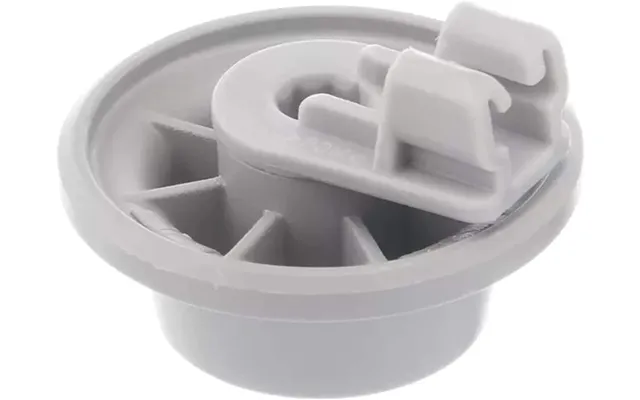
Broken rollers or rusted rack coatings can scratch dishes and make loading awkward. Replacement racks or coated sleeves for tines are an easy upgrade. Racks are described by width and depth in inches—measure the inside cabinet to pick the right fit.
Getting the wrong part is frustrating—and costly. First, find your dishwasher’s model and serial number on the door frame or inside the tub. Take clear photos and measure any part you plan to replace in inches. Check whether you need an OEM part or a universal fit. Universal parts are cheaper but may require adapters.
Model numbers are your GPS when shopping for parts. Input this into comparison sites to filter results. If you can’t find a match, compare physical dimensions in inches and attachment styles—clips, screws, or snap-fit—before buying.
OEM parts match factory specs but often cost more. Aftermarket options can be just as reliable and save you a chunk of change. Read reviews and check return policies on the comparison page before committing. If longevity is a priority, OEM might be worth the premium.
Many replacements are simple; you don’t need to be a pro. Here’s a quick roadmap for safe DIY repairs that saves labor costs while getting your machine back in shape.
Always switch off power at the breaker and shut off the water supply before working on a dishwasher. Remove the lower kickplate and pull the unit free if you need access to the inlet valve or pump. Work with gloves and keep a towel handy for spills.
Usually a lesson in simplicity: remove the lower rack, unscrew or unclip the old arm, and slot in the new one. Check for any bearings or seals that need replacement as well. Rotate the new arm by hand to confirm it spins freely a few inches without hitting anything.
Filters commonly lift out or twist out. Clean the area, insert the new filter, and ensure it locks into place. If the filter assembly includes a coarse removable screen, make sure the edges seat flush to avoid noise and vibration during cycles.
Beyond repairs, accessories can boost convenience and efficiency. These are often small investments that pay off in better cleaning, reduced detergent use, and less irritation.
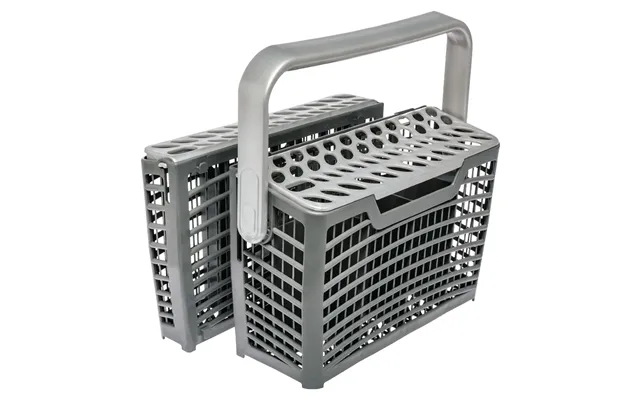
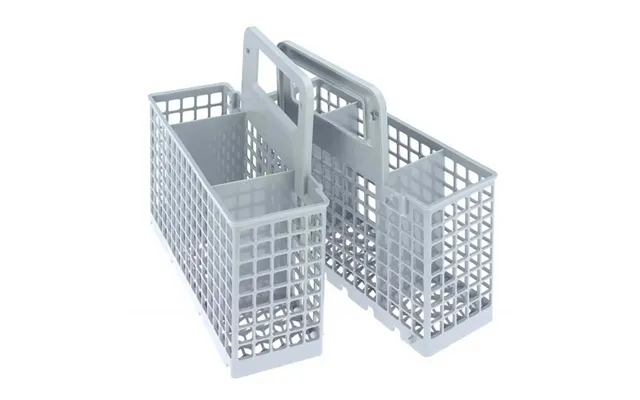
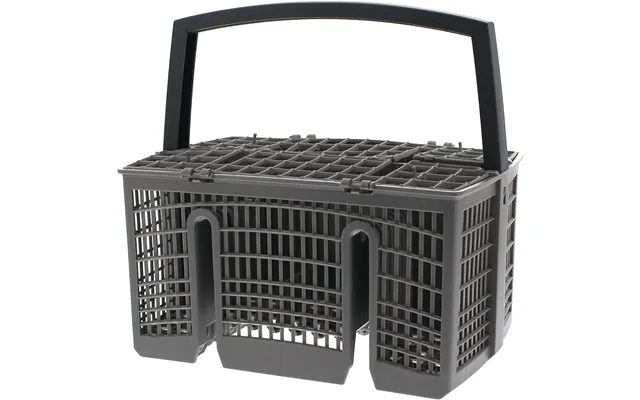
A third rack adds space for spatulas and small utensils, freeing the lower racks. These racks usually measure in inches for width and depth—match them to your interior dimensions. If you often run full loads, this accessory alone can reduce cycle frequency.
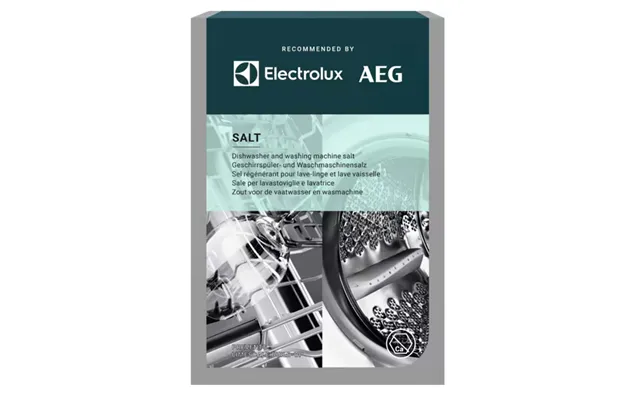
Hard water leaves spots and scale. Using the correct salt and rinse aid keeps glassware sparkling and reduces scale buildup on heating elements. Many dishwashers have settings for water hardness measured in grains per gallon; consult your manual and adjust accordingly.
Older machines can be noisy. Adding insulation panels or replacing worn mounts with upgraded anti-vibration hardware can shave decibels and make your kitchen more pleasant. Check clearances; insulation thickness is typically an inch or two so measure first.
Parts prices vary widely. Use a comparison approach: plug in your model number on multiple sites and compare prices, shipping, and return options. Some platforms aggregate sellers so you can see a price range at a glance, saving time and ensuring you don’t overpay for a simple filter or gasket.
Decide by the part’s role. For critical components like pumps or heating elements, OEM parts can ensure long-term reliability. For plastic items like racks or spray arms, high-quality aftermarket parts often work well and cost less. Always check reviews and installation comments from buyers who used your specific model.
Extend the life of parts with a few easy habits. Regular care not only keeps performance high but reduces the frequency of replacements—saving you money and hassle.
Clean filters monthly and check spray arm holes for clogs every few weeks. Run an empty cycle with a dishwasher cleaner or a cup of vinegar once a month to remove scale and grease. If you prefer, use a commercial cleaner designed for dishwashers, following label guidelines and keeping temperatures in the range your manual recommends—often around 120–140°F for best cleaning.
Avoid overloading; dishes need a few inches of space around them for water to circulate. Use the right detergent and dose it according to water hardness—too much soap means residue, too little means spots. Use rinse aid to cut drying time and improve glass clarity.
Not sure what’s wrong? Start with the simple checks before moving to replacements. Often a quick fix will get things running again without any purchase.
Check the power and door latch. Many models won’t run if the door isn’t fully latched or if a child lock is activated. If power is confirmed, look at the control board for error codes—these often show a few-inch display or blink pattern that points to a specific issue.
Inspect door gaskets, hoses, and clamp fittings. A loose inlet or drain hose clamp can lead to leaks measured in tablespoons per minute, so tighten clamps carefully. If the leak is near the door, replace the gasket and re-seat the door latch.
Some jobs are best left to certified technicians—especially when electrical components or sealed motor assemblies are involved. If you’re uncomfortable or if the repair requires internal seal replacements or complex wiring, a pro will save you time and prevent further damage.
Consider the dishwasher’s age and the cost of parts plus labor. If costs approach half the price of a new, more efficient dishwasher—particularly models with improved water use in gallons per cycle—it might be time to replace. Otherwise, a few repaired parts can restore full life at a fraction of the cost.
Start with the model number and use comparison platforms to see multiple sellers at once. Comparison sites help you evaluate price ranges, shipping, and compatibility quickly. Always match part numbers and physical dimensions in inches; a slightly cheaper part that doesn’t fit will cost you time and frustration.
Read buyer reviews for fit and longevity comments specific to your model. Photos in reviews can reveal differences in clips or trim that matter when fitting. Look for sellers with clear return policies and good communication so you can swap a part if it doesn’t fit.
Replacing or upgrading dishwasher parts is a practical, cost-effective way to boost cleaning performance, cut down on repairs, and get more life from your appliance. Whether you’re swapping a filter, replacing a spray arm, or upgrading to a third rack, measuring in inches and matching model numbers will make shopping painless and precise. Take it step by step, and you’ll find many fixes are within reach even if you’re not a professional.
Remember: small parts, smart choices, and routine maintenance are your best bets to keep every load sparkling—and to avoid costly replacements down the road.
Happy repairing—and may your next load come out spotless!
| Dishwasher Parts & Accessories | Price | |
|---|---|---|
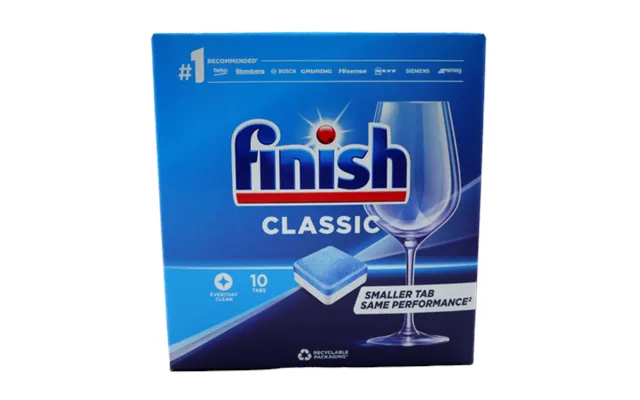
| Finish Classic Washing Up Tabs - 10 Pcs. | £ 1,28 | |
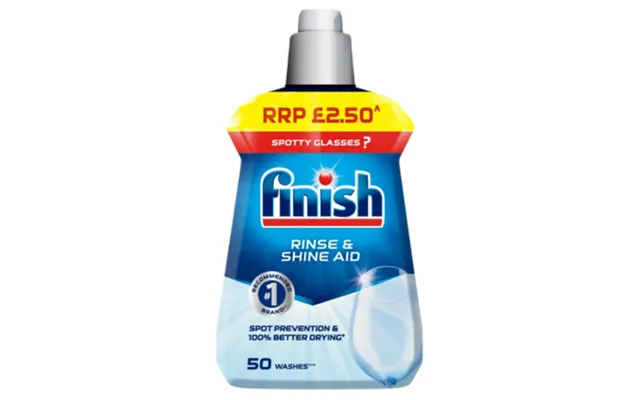
| Finish Dishwasher Rinse & Shine Aid Rinse Aid - 250ml | £ 2,48 | |
| Comfort Creations Strawberry Rinse Aid - 1400ml | £ 3,28 | |
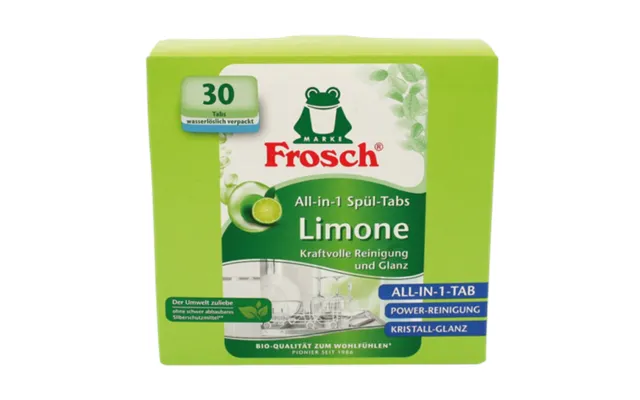
| Frosch All-in-1 Dishwasher Tabs Lemon - 30 Pcs | £ 5,98 | |
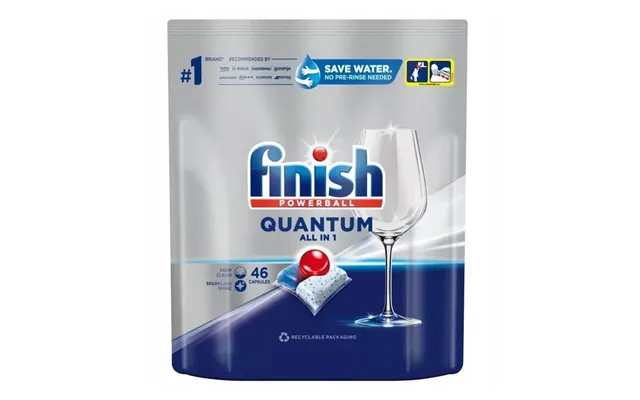
| Finish Quantum Fresh Dishwashing Capsules - 46 Pieces | £ 16,50 | |
| Somat Gold Dishwasher Tablets - 60 Pieces | £ 17,- | |
| Somat Excellence 4-in-1 Dishwasher Capsules - 48 Pieces | £ 17,90 | |
| Ecover All In One Dishwasher Tablets Pack 72 - 1002155 | £ 29,43 | |
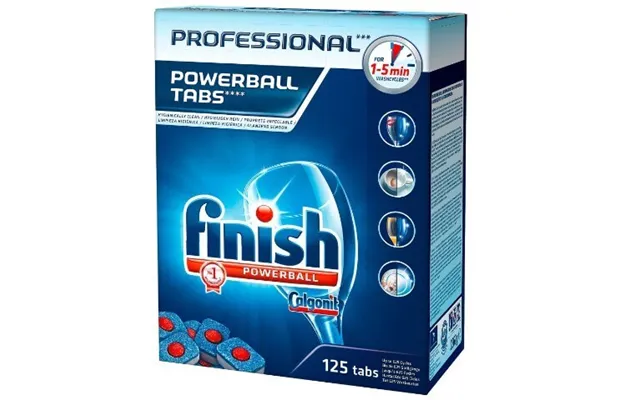
| Quantum Powerball Professional Dishwasher Tablets Pack 125 - 3294235 | £ 35,06 |

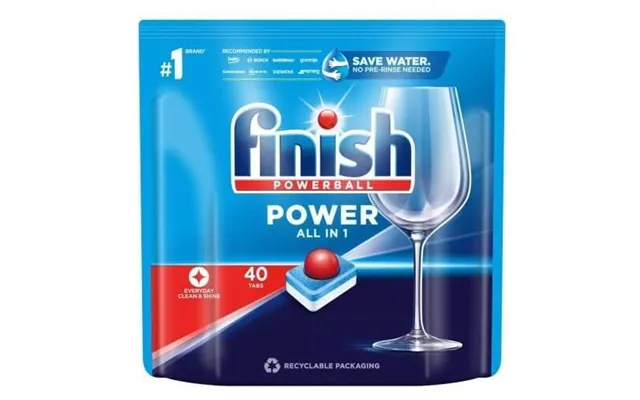
| Finish - Dishwasher Tablets | £ 63,80 |