

Breadmakers price list
Last updated Tuesday, 20 Oct 2026



View 6 Offers
Loading...
Last updated Tuesday, 20 Oct 2026
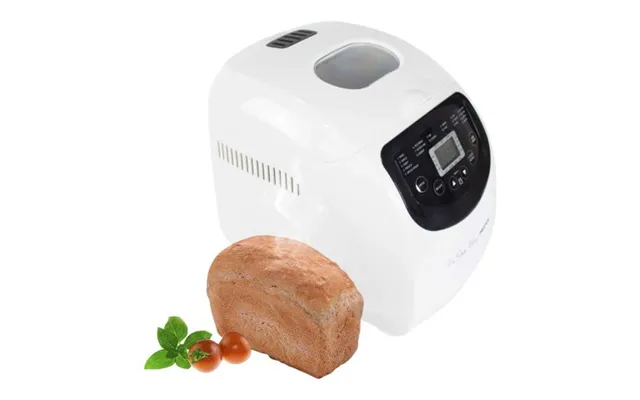
Have you ever wanted fresh, warm bread without the fuss of kneading, proofing, and cleaning up a flour-covered counter? A breadmaker takes the heavy lifting out of bread making and puts the joy back in. Think of it as an all-in-one appliance that mixes, kneads, rises, and bakes — all inside a compact machine. For busy households, people with dietary restrictions, or anyone who loves the smell of a just-baked loaf, a breadmaker is like having a mini bakery on your countertop.
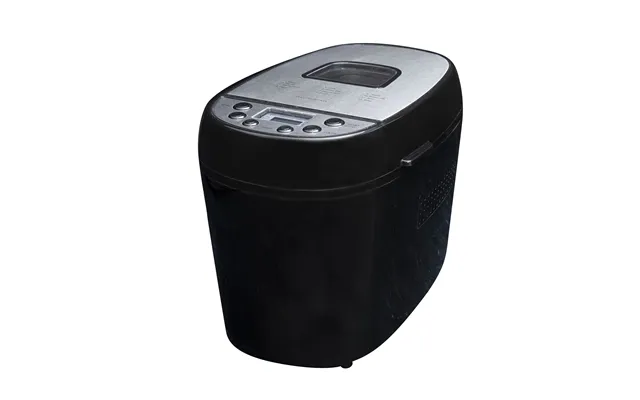
One product that stands out in the crowd is the Stollar The Bread Maker Mcs470, finished in stainless steel for a modern look. It’s a solid option if you want a reliable, straightforward machine that handles a range of basic recipes. The stainless steel casing keeps it looking sharp on the counter, and it typically offers multiple loaf sizes and crust settings. If you value a balance between style and function, the Stollar MCS470 is worth considering when you’re comparing models.
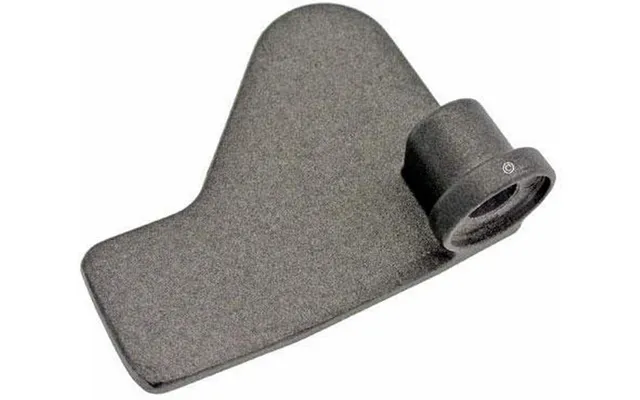
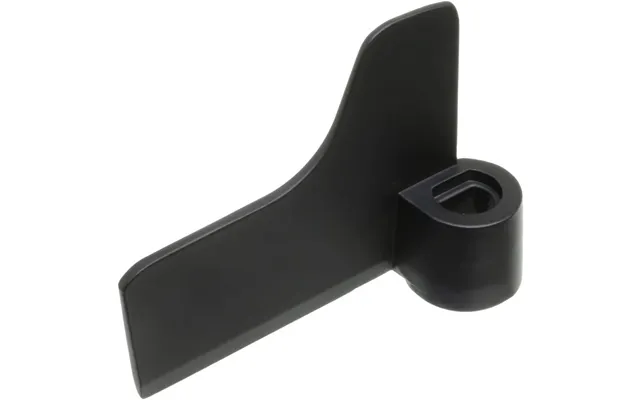
Buying a breadmaker is a bit like choosing a new car: you want the features that match your lifestyle. Prioritize loaf size (commonly 1 lb, 1.5 lb, or 2 lb), crust control (light, medium, dark), and preset programs (white, whole wheat, gluten-free, dough-only). Other handy features include a delay timer so you can set bread to finish when you wake up, a viewing window, a removable nonstick pan, and a power-loss backup. Look for models with kneading paddle designs that are easy to remove to avoid big holes at the bottom of the loaf.
Loaf size is more than a number — it dictates how much bread you’ll get and how long it takes to bake. A 2 lb loaf is perfect if you want sandwiches for a family, while a 1 lb loaf suits singles or couples. Keep in mind that larger loaves can take longer to bake, sometimes up to 3 to 4 hours from start to finish depending on the program. If freezer storage is more your thing, baking smaller loaves more often might be the smarter, fresher option.
Do you prefer a soft, pillowy crust or a crunchy, artisan-style top? Most breadmakers let you choose crust color and texture. Some higher-end models offer special settings for French or crusty breads that adjust baking temperature and time to create that thick, golden crust. If you love experimenting with texture, prioritize a machine with multiple crust options and customizable programs.
Aside from Stollar, well-known names include Zojirushi, Panasonic, Breville, Morphy Richards, and Hamilton Beach. Zojirushi often scores high for build quality and consistency, while Panasonic is praised for versatile dough handling. Breville models sometimes add extra power and faster baking cycles. Morphy Richards and Hamilton Beach tend to offer budget-friendly choices that cover the basics without too many bells and whistles. Your ideal brand depends on what matters most: speed, variety of programs, compact size, or price.
Not all preset programs are created equal. Basic machines will have white, whole wheat, and dough settings; more advanced models include gluten-free, sourdough, rapid bake, jam, and even cake. If you plan to bake gluten-free loaves or specialty breads regularly, make sure the machine you pick has a dedicated gluten-free cycle — it changes kneading and rise behavior for denser flours. For experimentation, a machine with a custom program setting lets you fine-tune time and temperature.
Rapid bake can produce a loaf in under 2 hours, but it’s not magic — the crumb may be denser and the flavor less developed than a longer, traditional bake. Use rapid cycles when you need bread fast; choose standard or artisan cycles when you want the best texture and taste. Think of rapid bake as a “rush hour” option and traditional cycles as a relaxed weekend loaf.
Cleaning should be simple: removable pan and paddle, nonstick coating, and a wipe-clean exterior. Always cool the pan before washing and avoid abrasive sponges that can damage the nonstick surface. Some models let you remove the kneading paddle and pan easily — a small feature that saves you time and prevents leftover dough buildup. Regular maintenance, like checking seals and ensuring vents are clear, will keep your breadmaker running for years.
Ready to bake? Start with a classic white loaf: 3 cups of bread flour, 1 1/4 cups of warm water, 2 tablespoons of sugar, 2 tablespoons of butter, 1 1/2 teaspoons of salt, and 2 teaspoons of instant yeast. For whole wheat, swap half the white flour for whole wheat flour and add 1 tablespoon of honey for flavor. For gluten-free baking, use a specially formulated gluten-free flour mix — these recipes often require extra eggs or xanthan gum to mimic gluten’s structure. Most breadmakers come with a recipe booklet to help you dial in proportions and settings.
Measure ingredients carefully — baking is chemistry and a little too much or too little yeast, salt, or liquid can change outcomes. Use warm water at about 105–115°F for activating yeast in most recipes. If dough looks too dry or too wet during the kneading stage, add a tablespoon of water or flour as needed. Finally, avoid lifting the lid during rising and baking; sudden temperature shifts can collapse the dough.
If your loaf is too dense, it could be old yeast, too much salt, or insufficient kneading. A sunken middle often means the bread rose too fast and then collapsed — try a slightly lower dough temperature or less yeast. Big holes at the bottom usually stem from a kneading paddle that’s stuck on the pan — remove the paddle before slicing, or opt for a model with a collapsible paddle. If the crust is too hard, choose a lighter crust setting or reduce baking time slightly.
Some breadmakers support extra accessories that boost convenience. A measuring scoop for precise flour portions, a digital thermometer for checking dough temperature, or a bread bag for storing loaves keep your baking consistent. Special pans for round or large loaves may be available for select models. If your machine doesn’t have a viewing window, a small kitchen timer can help track key stages of baking.
Breadmakers aren’t limited to loaves. Many machines have settings for jam, cake, and even yogurt. You can use the dough cycle to prepare pizza dough or rolls, then bake in a conventional oven for a crisp crust. Want to make a custard-like cake? Look for a model with a “cake” program. The versatility of modern breadmakers lets you experiment beyond sandwiches — they can become the Swiss Army knife of your baking routine.
Breadmakers vary widely in price. Budget-friendly models start around the price of a couple loaves of artisan bread and cover basic functions. Mid-range machines offer more programs, larger capacities, and better build quality. High-end models from premium brands cost more but deliver consistent results, longer warranties, and advanced features like dual kneading paddles or custom program memory. Consider how often you’ll bake and what features you’ll use to find the best value for your money.
When deciding, write a short checklist: desired loaf size, essential programs (like gluten-free), exterior finish (stainless steel or plastic), ease of cleaning, and budget. If you bake for a family, prioritize 2 lb loaf capacity and reliable gluten-free performance if needed. If counter space is tight, choose a compact model. Read user reviews focusing on consistency, noise level, and durability. Ultimately, the best breadmaker is the one you’ll use regularly — it should fit your habits and taste preferences.
Conclusion: Choosing a breadmaker opens the door to fresher bread, more control over ingredients, and the satisfaction of homemade baking. Whether you gravitate toward the stainless steel Stollar MCS470 for its style and functionality or explore offerings from Zojirushi, Panasonic, or Breville for specialized programs, there’s a machine that fits your routine. Measure carefully, follow recipes, and don’t be afraid to tweak settings — your perfect loaf is just a few tries away.