

Gas Griddles price list
Last updated Tuesday, 20 Oct 2026




View 12 Offers
Loading...
Last updated Tuesday, 20 Oct 2026
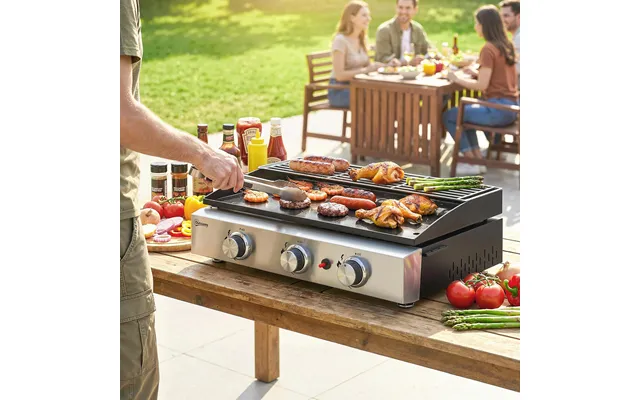
Thinking about upgrading your backyard cooking setup? A gas griddle gives you a big, flat cooking surface that’s perfect for everything from pancakes to steaks, and it heats evenly like a dream. Unlike a traditional grill with grates, a griddle is more like a restaurant flat top that lets you cook a dozen pancakes and sear a couple of burgers at the same time. If you love feeding a crowd or just want more versatility, a gas griddle could be the missing piece.
At its core, a gas griddle is a flat metal plate—usually steel or cast iron—heated by gas burners beneath. The result is a broad, consistent surface that’s ideal for foods that need contact heat. A grill uses open flames and grates, which give you char lines and direct smoke exposure. So, if you crave perfect sears, even browning, and the ability to cook delicate items like eggs and veggies without losing them through the grates, a gas griddle delivers.
Flat-top griddles usually come in 22-, 28-, or 36-inch widths, offering a large cooking area measured in square inches. They’re ideal for those who want the feel of a diner in their backyard—think pancakes, hash browns, and stir-fries. The heavy steel surface traps heat and gives excellent browning.
Outdoor griddle stations combine a large flat top with storage, side shelves, and multiple burners—perfect for weekend chefs who entertain. These often feature wind guards and a combined BTU rating high enough to handle searing tasks and simmering at the same time. Many come on wheels and weigh between 70 and 160 pounds, so consider where you’ll store it.
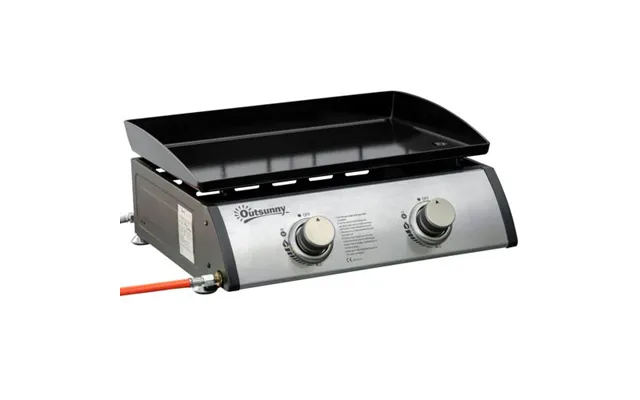
Want to cook on the go? Portable griddles pack a flat top into a compact unit that sits on your picnic table or tailgate. They’re lighter—often under 30 pounds—and typically pair with a single 1- or 20-pound propane tank. These units are great for camping and small patios where space is tight.
How much space do you need? Think about the typical number of people you cook for. A 28-inch griddle gives you roughly 448 square inches of cooking surface, enough to make breakfast for four or five in one go. If you regularly cook for a crowd, a 36-inch model offers 648 square inches or more.
BTU (British Thermal Unit) gives a quick sense of power. Look for higher BTUs for faster preheat and better searing; many backyard griddles rate between 20,000 and 60,000 BTU total. Crucially, choose a model with separate burner zones so you can run one side hot for searing and keep the other side lower for finishing or keeping food warm.
Steel and seasoned cast iron are common surfaces. Thicker steel retains heat and resists warping over time, but it takes a little longer to warm up. Look for a top that’s at least 3/16 to 1/4 inch thick for the best mix of heat stability and responsiveness.
Cleaning a griddle is more like wiping down a frying pan than scrubbing a grill grate. Grease management systems—like built-in grease trays and angled plates—make cleanup far easier. If you hate post-party chores, prioritize a model with accessible grease channels and a removable drip tray.
This popular unit offers a generous 28-inch cooking surface, quick ignition, and multiple burners for heat control. It’s a solid entry point for homeowners who want restaurant-style cooking without breaking the bank. Pair it with a 20-pound propane tank for several hours of continuous cooking.
For serious entertainers, the 36-inch station provides a huge surface and multiple control knobs so you can create zones for searing, sautéing, and warming. It typically features a cart with storage and is a favorite for backyard chefs that want a dedicated outdoor cooking center.
Camp Chef offers rugged tabletop and freestanding griddles designed for camping and backyard use. Known for reliable burners and adjustable heat settings, these griddles often include added accessories like covers and griddle bread pans—handy for cooking everything from pancakes to flatbreads.
If portability and compact storage are priorities, Cuisinart’s tabletop griddles provide reliable heat and a user-friendly design. They’re perfect for RV trips, tailgating, or small patios where permanent installation isn’t practical.
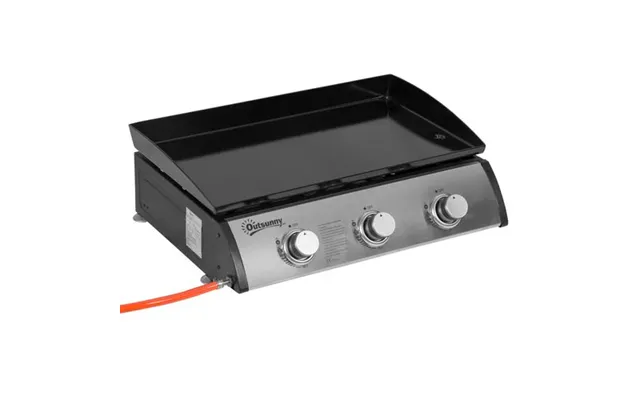
Royal Gourmet makes several three-burner griddles that strike a balance between large surface area and reasonable cost. These units are often praised for even heat distribution, sturdy build, and decent accessories like grease trays and covers.
A cover protects your investment from the elements and keeps dirt and debris off the surface. Wind guards, especially on larger outdoor stations, help maintain steady heat when a breeze threatens to cool your burners unevenly.
Spatulas designed for griddles are wider and sturdier than typical kitchen spatulas. A 12- to 16-inch stainless steel spatula gives you leverage for flipping large batches, while a metal scraper keeps the cooking surface clean between batches.
Keep a bottle of high-smoke-point oil on hand—like canola or grapeseed—to season the plate and prevent rust. A dedicated griddle cleaning kit with scrapers and a heat-resistant brush will preserve performance and food flavor over time.
Seasoning creates a non-stick surface and protects against rust. Start by washing the top with warm, soapy water to remove factory oils, then dry thoroughly. Heat the griddle to 400–450°F and apply a thin layer of oil—about 1 to 2 ounces—spread evenly with a paper towel. Let the oil smoke and polymerize for 10–15 minutes, then repeat the oiling and heating cycle 2–3 times. The result should be a glossy, dark patina that improves with use.
After each cook, while the surface is still warm (not scorching), scrape away food particles with a metal scraper and wipe with a small amount of oil on a paper towel. For deeper cleaning, once cooled, pour a little water onto the hot surface to loosen stuck-on bits, then scrape and dry. Re-season lightly if you notice dull or rusty spots. Store the griddle covered and indoors if possible, especially through wet seasons.
Create a hot zone and a cooler zone by cranking one set of burners high and another lower. Sear meats on the hot side, then move them to the cooler side to finish cooking without overbrowning. It’s like having a stovetop and oven on one surface.
Searing demands high, direct heat—450–550°F—while delicate items like eggs prefer 300–350°F. A good griddle with independent burner controls makes shifting between these temperatures a breeze, so you can go from a perfect steak to soft scrambled eggs in a few minutes.
Think like an orchestra conductor: put items that take longer first and use the griddle zones to stagger cooking. Start bacon at a lower setting to render fat, then move it to the warm side while you crack eggs in the rendered fat for extra flavor.
Always place your griddle on a stable, level surface at least 3 feet away from combustible materials. Use a proper propane regulator and hose rated for the unit, and make sure connections are snug—check for leaks with a soap-and-water solution, not a flame. Never leave a burning griddle unattended, and keep a fire extinguisher rated for grease fires within reach. If installing near your house, maintain local code distances—typically several feet—and consider professional help for permanent installations.
Which is better: stainless steel or cast iron? Stainless resists rust and cleans up easier, while cast iron holds heat exceptionally well and builds a deep seasoning over time. How big should my griddle be? If you cook for two to four people, a 22–28 inch griddle is practical. For larger groups, opt for 36 inches or more. What fuel type is best? Most backyard griddles use propane from a 20-pound tank, but some can connect to natural gas lines if you want permanent convenience.
Gas griddle prices vary widely—from compact portable units under $150 to full-size 36-inch stations that can exceed $700. Factor in long-term value: thicker steel, multiple burner zones, and a sturdy cart justify higher upfront cost if you plan heavy use. Also consider included accessories and warranty when judging value.
Comparison sites and seasonal sales are excellent ways to spot discounts, especially around summer holidays and Black Friday. Look for verified user reviews, detailed specs like plate thickness and total BTU, and clear photos that show grease management and storage features. Reading comparative reviews makes it easier to match a griddle to your cooking style and budget.
Choosing the right gas griddle comes down to how you cook, where you plan to use it, and how much space and storage you have. Whether you want a compact portable model for weekend getaways or a full 36-inch griddle station to anchor your outdoor kitchen, prioritizing surface size, BTU control, and build quality will pay off. With the right accessories, a proper seasoning routine, and a few simple safety steps, a gas griddle transforms how you cook outdoors—fast, efficient, and fun. Ready to flip your first pancake or sear that perfect steak?