

Portable Cooking Stoves price list
Last updated Tuesday, 20 Oct 2026





View 11 Offers
Loading...
Last updated Tuesday, 20 Oct 2026
If you enjoy cooking on the go, live in a small space, or want a reliable backup for power outages, a portable cooking stove is a game changer. These compact units put real heat where you need it—whether that’s a campsite, an RV galley, or a tiny apartment kitchen. Think of them as a mini chef that fits in your trunk: small but surprisingly capable. They give you flexibility, speed, and often better fuel efficiency than hauling a full-size range around.
Gas stoves that use small canisters are among the most common portable options. A single-burner butane stove can weigh just a few pounds and crank out anywhere from about 5,000 to 10,000 BTU per hour, which is enough to simmer sauces or boil water fast. Propane models often offer higher BTU and work better in cold weather, while butane stoves are quieter and cleaner for indoor tabletop use. If you want simple, immediate flame control, gas is hard to beat.
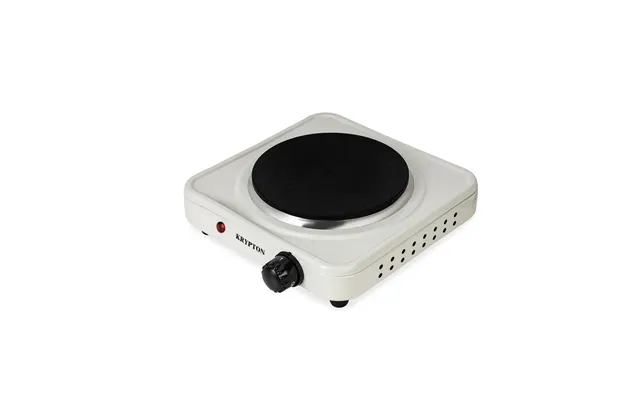
Electric hot plates are perfect when open flames aren’t allowed, such as some dorms or indoor events. These units are plug-and-play: you set the temperature, and the metal or coil surface heats evenly. They’re heavier than gas canister stoves but still portable, often weighing between 4 and 8 pounds. Look for models with a flat surface large enough for your favorite pan—ideally 8 to 10 inches across for everyday pots and skillets.
Induction cookers are rising in popularity because they heat faster and are more energy-efficient than conventional electric hot plates. They require induction-compatible cookware (magnetic-bottom pots) but reward you with precise temperature control and cooler ambient heat. A compact induction single-burner will usually be under 3 inches thick and can reach a boil in minutes, making it a superb choice for small kitchens and RVs with shore power.
For campers and overlanders, multi-fuel stoves that run on white gas, kerosene, or even car fuel offer unrivaled versatility. These units are a bit bulkier and might weigh several pounds more, but they’ll run in remote places where canister fuel isn’t available. Backpacking stoves prioritize weight and pack down tiny, while camping models prioritize durability and power—so match the stove type to your adventure style.
Size matters when you're trying to fit a stove into a trunk or a kitchen cabinet. Portable stoves range from featherlight backpacking burners under 8 ounces to tabletop double-burner units that weigh 10 to 15 pounds. Measure the space where you’ll store the stove and keep an eye on height—units that are 3 to 5 inches tall are easier to pack and stow. If you plan to carry the stove for any distance, every pound counts.
Burner output is often listed in BTU per hour for gas stoves. For versatile cooking, look for a stove capable of at least 6,000 BTU per burner; higher-end portable units push past 10,000 BTU for rapid searing and fast boils. Electric and induction models use different measures, but the practical takeaway is how quickly they reach a boil and how smoothly they maintain a low simmer. Fine control matters when you’re frying eggs or melting chocolate.
Automatic shutoff, flame failure protection, and stable pan supports are must-haves. Gas stoves should include a pressure-lock system or a safety valve to prevent gas leaks. Electric and induction options should have overheat protection and cool-touch surfaces. A stove that rocks or has flimsy supports is a hazard; look for units with wide, non-slip feet and good center-of-gravity design so pans don’t tip easily.
Before you commit to a stove type, think about fuel access. Isobutane/propane canisters and small butane cartridges are easy to find in many stores and at outdoor retailers. Propane cylinders last longer but are bulkier. If you travel overseas or into remote areas, multi-fuel stoves or models that accept standard threaded cartridges give you flexibility. For long-term home backup, a propane-connected portable range can keep you cooking for days on a single 20-pound cylinder.
Backpackers want minimal weight and quick setup. Small canister stoves that weigh under 12 ounces are ideal for solo trips, while campers who drive to a site might opt for a heavier two-burner stove that can serve a group. Camp stoves usually feature sturdy wind shields and higher BTU output—handy when the weather turns and you need to get water boiling fast.
In an RV, space is precious but so is convenience. A compact induction cooktop or a two-burner propane tabletop stove gives you the capability of a home stove without the bulk. Induction is especially attractive if you have reliable shore power, because it reduces propane dependence and keeps the interior cooler—no small benefit in summer.
When a full oven isn’t an option, a single-burner electric hot plate or an induction cooker can serve as a primary cooking surface. They’re quiet, safe when used properly, and often compact enough to fit on a small counter. In tight living spaces you’ll appreciate models with splash guards and easy-to-clean surfaces—think quick wipe-downs instead of heavy scrubbing.
For home emergencies, a portable stove can mean hot meals and warm drinks even when the lights are out. A propane-connected portable range and a few extra 20-pound cylinders can keep a family cooking for days. For smaller backups, a butane single-burner plus a few canisters fits neatly in a closet and is easy to use safely outdoors or in a ventilated space.
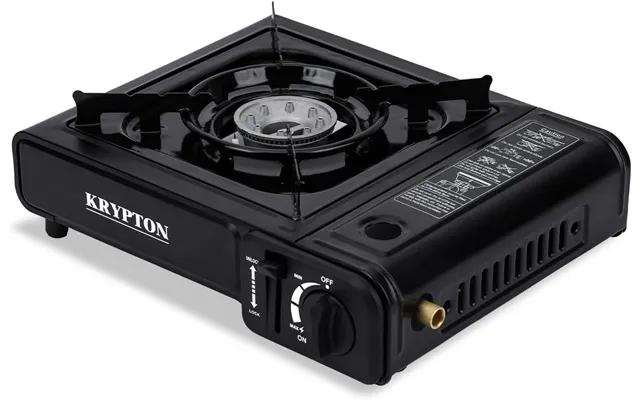
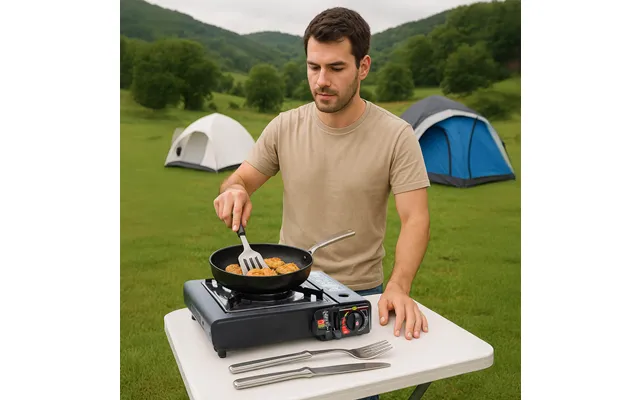
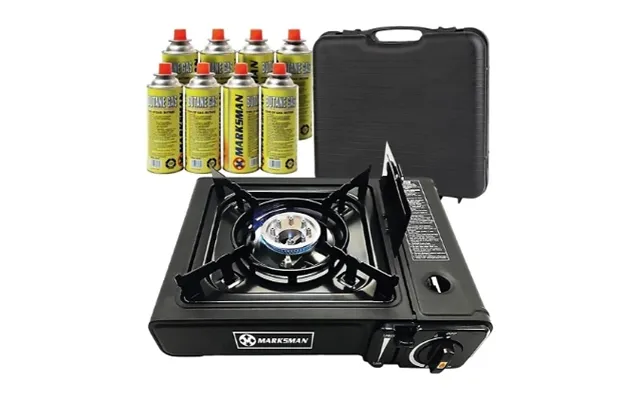
Single-burner butane stoves are the Swiss Army knives of tabletop cooking: affordable, compact, and intuitive. Many models fold down into a compact box about 12 inches wide and 3 to 4 inches tall, making them perfect for storage. They’re great for parties, tabletop grilling, and quick breakfasts, but remember they’re best used in well-ventilated indoor spaces due to small combustion byproducts.
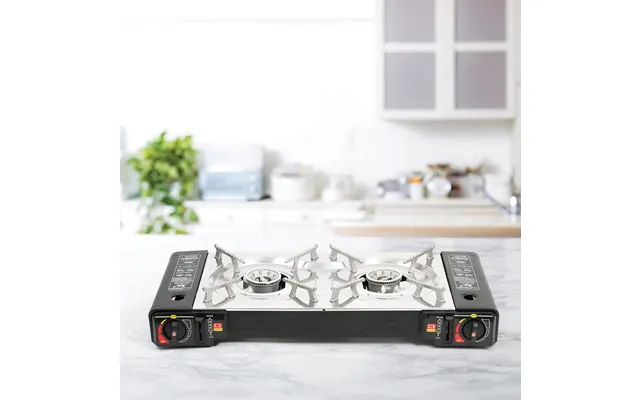
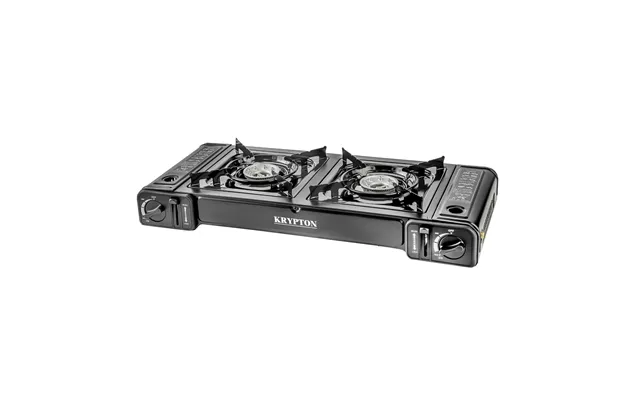
If you love multi-course meals or cook for a family, double-burner gas stoves are a logical step up. These units typically measure around 22 to 26 inches wide and offer two independently controlled burners—ideal when you need to simmer and sear at the same time. They’re heavier, usually 10 to 20 pounds, but offer real stovetop capacity without permanent installation.
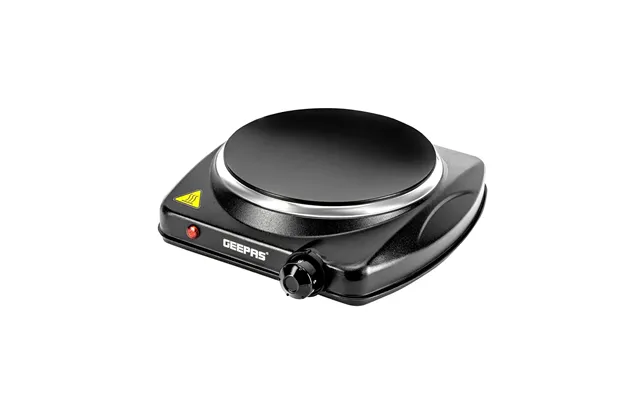
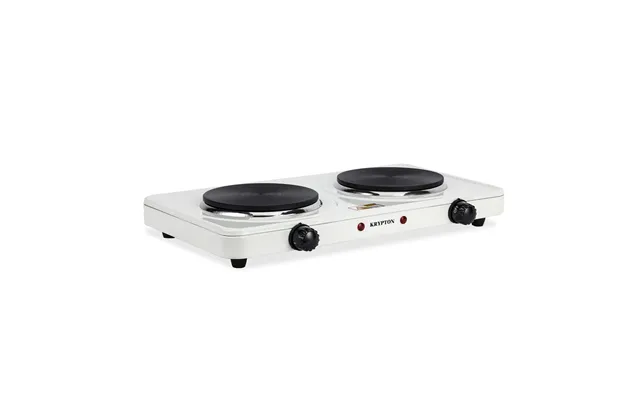
Electric hot plates are dependable and simple. A common single coil model will get up to temperature in minutes and is priced budget-friendly, while solid-plate versions offer smoother heat and easier cleanup. Expect a hot plate to weigh 4 to 7 pounds and to have a cooking surface 6 to 8 inches in diameter—perfect for daily pan sizes.
For efficiency lovers, portable induction cookers are top picks. They’re thin—often under 2 inches—and can rapidly boil half a gallon of water in a few minutes. Safety is excellent because the surface stays relatively cool and there’s less wasted heat. The tradeoff: you’ll need magnetic-bottom pots and pans for induction to work.
Read the manual before lighting a new stove; it helps prevent headaches later. For gas models, check seals and fittings and test outdoors the first time. For electric and induction, make sure your outlet can handle the load—some high-power units need a dedicated circuit in an RV. Treat setup like grilling: stable surface, clear surroundings, and a fire extinguisher within reach are smart habits.
Keep your stove in top shape by wiping spills immediately and doing a deep clean after heavy use. For gas units, remove the burner caps as recommended and clean with a soft brush; never soak ignition parts. Electric coils may be lifted to brush crumbs away, while induction tops are usually glass and wipe clean with a soft cloth and mild cleaner. Store canisters upright and in cool places away from direct heat—never inside a hot car trunk on a summer day.
If a gas stove won’t light, check the cartridge connection and make sure the safety lock isn’t engaged. For uneven flame, the burner ports may be clogged—clean them carefully. With electric units that don’t heat, verify the power source and test the outlet with another device. Induction cookers can be picky: ensure your pan is induction-compatible and properly centered.
When shopping, compare these factors side-by-side: weight in pounds, size in inches, burner output in BTU (for gas), power needs (for electric), and safety features. Think about what you’ll cook most. Do you sear steaks and need high heat, or mostly boil water and simmer soups? Check user reviews for long-term durability and watch for rust or weak hinges—small details often reveal a product’s build quality.
On a tight budget you can still find reliable single-burner butane stoves and basic electric hot plates that handle daily use. These models will typically weigh under 8 pounds and cover basic needs from boiling to light frying. Expect simpler control knobs and fewer safety bells and whistles, but they’re great starter options and excellent for occasional outdoor entertaining.
Premium portable stoves bring better materials, higher BTU output, and advanced features like precise simmer control and sturdier pan supports. Prices climb for professional-grade two-burner stoves and high-end induction units, but you get reliability that shines during frequent use. If you cook often on the road or entertain regularly, investing in a higher-end model pays off in faster heat-up times and longer service life.
Fuel choices matter for both emissions and convenience. Induction and electric units can be cleaner if your electricity comes from renewable sources, whereas gas stoves release combustion byproducts and should be used with good ventilation. For outdoor use, portable propane stoves are efficient and less sensitive to cold than butane. Always follow safety guidelines and keep a fire extinguisher nearby—portable stoves are powerful, and respect makes them safe companions.
Choosing the right portable cooking stove comes down to matching its strengths to your lifestyle. Whether you need featherweight burners for backpacking, a sturdy two-burner for tailgates, or a sleek induction hot plate for a city flat, there’s a compact stove out there that will fit the bill. Think about fuel availability, how much space you can spare, and the kinds of meals you’ll make—then choose the model that balances convenience with performance.
Conclusion: Portable cooking stoves offer a blend of convenience, power, and flexibility that can transform the way you cook outside the traditional kitchen. From compact single-burner units that slip into a backpack to serious double-burner setups for catering and camping, the right stove keeps you cooking anywhere. Keep safety, fuel access, and your typical meal planning in mind, and you’ll find a stove that becomes an indispensable part of your gear or everyday living.