

Water Coolers price list
Last updated Tuesday, 20 Oct 2026





View 11 Offers
Loading...
Last updated Tuesday, 20 Oct 2026
Think about how often you reach for a drink during the day. Now imagine always having instant cold or piping-hot water without waiting, boiling, or rummaging through the fridge. A water cooler can be that tiny luxury that changes daily routines. Whether you’re topping up a reusable bottle, making tea, or offering guests chilled water within seconds, a good water dispenser saves time and reduces plastic waste. In short: it’s convenient, cleaner than repeatedly using kettles and jugs, and feels a bit like having a mini-utility at arm’s reach.
One of the first choices you’ll face is bottled or plumbed (point-of-use). Both have advantages — and some trade-offs — depending on space, budget, and how hands-off you want the system to be.
Bottled systems are plug-and-play. You just slot in a 5-gallon water bottle (or similar imperial-sized bottle) and you’ve got chilled and sometimes heated water instantly. They’re ideal if you don’t want plumbing work, if you move frequently, or if access to mains water is limited. Bottled coolers pair well with workplaces that want to order deliveries on a schedule: swap an empty 5-gallon bottle for a full one and you’re back in business.
Plumbed models hook directly to the mains supply, so you never lift bottles again. They’re perfect for busy offices, shared kitchens, and homes looking for a low-maintenance option. You’ll typically get a steadier flow and reduced running costs long term, since there’s no repeated plastic bottle usage. Installation requires a water line and occasionally a small storage space under the counter for filters, but once that’s done, it feels seamless.
Size, location, and capacity needs will decide which style suits you best. Let’s break down the main forms so you can match the unit to your lifestyle.
Countertop coolers are compact and perfect for small kitchens, studios, or office desks. They usually take smaller bottles or are plumbed to a nearby supply. If you live in a flat and don’t have floor space to spare, a countertop unit is the smart, space-saving choice.
Freestanding models often accommodate full-size 5-gallon bottles and offer larger reservoirs for hot and cold water. These are common in offices, waiting rooms, and family kitchens where multiple people will use the dispenser throughout the day. Expect heights around 40–46 inches for many freestanding units, which makes them easy to access without bending.
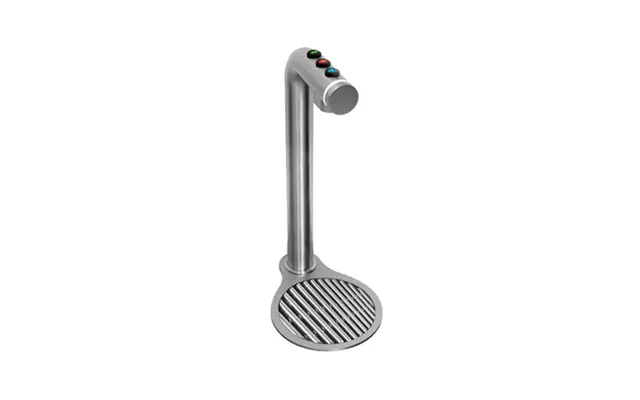
If you want a minimalist look and don’t want visible bottles, undercounter models hide the plumbing and filters below the counter. The dispenser head sits on the countertop while the hardware lives out of sight. These need professional installation but are a sleek choice for modern kitchens and busy food-service areas.
Modern dispensers aren’t limited to “just cold.” Most units offer hot, cold, and ambient settings. Some even add a sparkling option. Before buying, consider how you’ll use the unit: is quick tea a priority, or do you mainly want chilled drinking water?
Hot water taps can reach near-boiling temperatures — often around 185°F on many hot-only settings — so most reliable models include child safety locks and two-stage taps. These reduce scald risk and make hot water handy without being hazardous. If you plan to make frequent hot drinks, look for adjustable thermostats and insulated spouts that keep heat contained.
Sparkling or carbonated water dispensers are gaining popularity for home kitchens. These systems typically add a CO2 cartridge and a carbonation chamber, delivering chilled, fizzy water on demand. If you’re a sparkling-water fan, a unit with this feature can replace single-use soda bottles or big glass bottles, saving storage space and reducing waste.
Water taste and safety depend heavily on filtration. Depending on your water source, you might want a simple sediment filter, an activated carbon cartridge, or a full reverse osmosis (RO) system. Each offers pros and cons in terms of taste, mineral retention, and maintenance.
These are common in many dispensers: sediment filters remove visible particles, while activated carbon improves taste by reducing chlorine, odors, and some organic contaminants. They’re affordable, easy to replace, and a solid choice for city mains water that tastes a bit off but is otherwise safe.
RO systems provide deeper purification by pushing water through a semi-permeable membrane, removing dissolved solids and many contaminants. UV sterilization adds a layer of bacterial and viral control by exposing water to ultraviolet light. If you’re sourcing water from private wells or want near-pure water for brewing coffee or lab-grade uses, a unit combining RO and UV is worth considering. Remember: RO removes minerals, which can affect taste, so some models reincorporate selected minerals post-filtration.
People often overlook operating costs when buying appliances. Water coolers use electricity for cooling and heating, and some models run compressors similar to refrigerators. Look for energy-efficient ratings and consider standby power draw. For a busy office, a plumbed cooler with an energy-saving mode may cost less per gallon over a year than frequent bottle deliveries.
Check the wattage: a compressor cooler might use 100–200 watts while active, and heating elements can be 300–600 watts depending on how hot they go. Multiply average daily runtime by the wattage, convert to kilowatt-hours, and use your local electricity rate to estimate monthly costs. Small changes—like switching to an eco-mode or turning off hot water at night—can shave pounds off your energy bill over time.
Proper upkeep extends the life of a water cooler and keeps water tasting fresh. Maintenance varies by model but usually includes regular filter changes, bottle swaps, and deep cleaning.
For bottled units, sanitize the drip tray and reservoir every few weeks. For plumbed or RO systems, follow the manufacturer’s filter replacement schedule—commonly every 3 to 12 months depending on usage and filter type. UV bulbs also need replacement on a schedule (often around every 12 months) because they lose effectiveness even if they still light up.
Addressing small problems early—like a leaky valve or a noisy compressor—prevents more costly repairs down the road. Keep spare filters and a basic tool kit handy, and consider a service plan if the unit is a critical asset in a workplace.
Picking a model can feel overwhelming. Here’s a short checklist to simplify your decision: will it be plumbed or bottled? How many people will use it daily? Do you need hot water for beverages? How much floor or counter space is available? What’s your budget for purchase and running costs? Answer these first and narrow options to a handful of models that match your answers.
If you want a rule of thumb: for a family of four or a small office, a freestanding unit with a 5-gallon bottle or a plumbed point-of-use system works well. For single-person apartments, a compact countertop unit is often best. And for heavy-duty environments, choose an industrial or commercial-grade dispenser with large reservoirs and easy filter access.
There are established brands and newer innovators in the water cooler market. Look for reputable names that offer clear warranty terms and easy access to replacement filters and parts. Popular options in the UK and globally include models from brands like Oasis, Klarstein, HotFrost, and Elkay—each offering variations in bottle-fed, plumbed, and undercounter systems. If you prefer appliance brands familiar from kitchen ranges, some manufacturers also make combined hot-cold dispensers with attractive finishes that match modern kitchen décor.
When comparing models, pay attention to cold water delivery (how many ounces per minute), hot water capacity (how many cups per hour at near-boiling temperature), footprint in inches, and how filter replacement works. Real-world reviews often point out user comforts like quiet compressors, easy bottle-loading designs, and how intuitive the control panel is.
Measure your space in inches before shopping—don’t assume a unit will fit. If you’re opting for bottled dispensers, confirm bottle delivery options in your area and whether drivers can access your bin or doorstep. For plumbed installations, ask if the supplier includes installation and whether you’ll need a plumber for undercounter hookups.
Also, consider accessories: drip tray covers, additional CO2 cartridges for sparkling models, spare filters, and childproof taps. These small extras add convenience and often improve safety for family homes and nurseries.
Choosing the right cooler can reduce single-use plastic dramatically. Plumbed models cut out bottles entirely, while high-capacity bottled solutions use fewer large plastic containers than many single-use bottles. Energy-saving features such as eco-modes, programmable timers, and good insulation are worth the small extra investment because they reduce your footprint over the cooler’s life. Finally, recycle bottles when possible and choose manufacturers with take-back or recycling programmes.
Once installed, maximize value by integrating the dispenser into daily routines: keep reusable bottles nearby, place a small caddy for cups and tea bags, and set scheduled maintenance reminders for filter and sanitation checks. If you run a shared office, label the unit with basic usage and safety instructions—especially if hot water is available—to reduce accidents and misuse.
Water coolers and dispensers are more than office basics; they’re kitchen upgrades that deliver convenience, save time, and can reduce plastic waste. From compact countertop units to plumbed undercounter systems with RO and UV options, there’s a solution for every need and budget. Decide whether bottled or plumbed best matches your lifestyle, check energy use and maintenance requirements, and pick a reputable brand with easy access to spare parts and filters. With the right unit, you’ll enjoy instant cold and hot water without fuss—making hydration effortless and stylish.