






Electric Knives
Loading...
Loading...
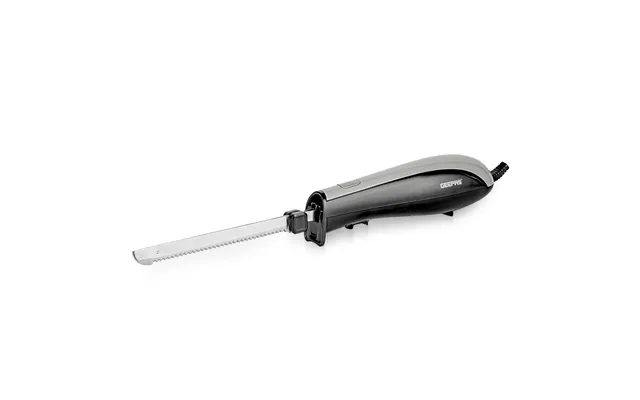
Have you ever wrestled with a tough roast or struggled to slice a large loaf of bread evenly? An electric knife takes the elbow grease out of the equation and gives you consistent, professional-looking slices with minimal effort. Think of it as a tiny motorized sous-chef: it vibrates or reciprocates a blade quickly so you get cleaner cuts, less tearing, and more control. For holiday carving, deli-style thin slices, or portioning dense meats, electric knives shine. They save time, reduce fatigue, and are surprisingly versatile for everyday tasks.
Electric knives come in a few clear flavors, each suited to different kitchens and styles of cooking. Corded models plug into the wall and typically deliver consistent power for extended usage—useful when slicing large roasts that take a while. Cordless (battery-powered) knives give you freedom to move around the counter or even use outdoors for barbecues. Specialty models include compact travel versions, heavy-duty professional units designed for long continuous use, and models with serrated or straight blades tailored to particular cutting jobs.
Corded knives usually weigh a bit less because they don’t carry batteries, and they maintain full cutting strength as long as they’re plugged in. If you frequently carve for big gatherings—think turkeys that take 20 to 30 minutes to slice—a corded model avoids worrying about runtime. One trade-off is limited mobility: the cord can get in the way, so choose a model with a long, durable cord if that’s a concern.
Battery-powered knives are convenient and portable. Modern cordless units often use rechargeable lithium-ion packs and can run anywhere from 20 minutes to over an hour per charge depending on the model. They’re great for quick tasks or when you want to carve away from the kitchen—on a picnic table or outdoor grill, for example. If you choose cordless, check how long a full charge lasts in minutes and how long the charge takes to refill.
Picking the right electric knife comes down to matching features to your needs. Blade length, blade type, motor power, ergonomics, safety features, and cleaning convenience all matter. Look for models with stainless steel blades around 8 to 10 inches for most home tasks—shorter blades suit smaller jobs, while longer blades handle big roasts and breads more easily. Serrated blades are excellent for bread and tomatoes; straight-edged blades make smooth slices through roast or ham.
A good electric knife blade should be durable and easy to remove for cleaning. Blades in the 8" to 10" range are versatile: 8" is excellent for small roasts and loaves; 10" handles larger turkeys and briskets. Some brands offer interchangeable blades so you can swap a serrated blade for a straight one depending on the job.
Motor strength affects how easily the blade slices through dense items. If you plan to cut through bone or very tough roasts, choose a higher-powered motor or a heavy-duty unit. For general home use, a moderate motor with steady oscillation does the trick. Look for models that advertise RPM or stroke rate if you want specifics; otherwise rely on user reviews for real-world performance.
An electric knife should feel balanced in your hand. Lighter models are easier to maneuver for prolonged tasks, but heavier units can feel sturdier when cutting thick meats. If you have reduced wrist strength or mobility issues, prioritize a lightweight model with a comfortable, non-slip grip. Some knives weigh under 2 pounds, which is ideal for extended carving sessions.
Important safety features include a locking mechanism to prevent accidental start-ups, a finger guard, and a safety switch that must be engaged during use. Dishwasher-safe or easily removable blades minimize the time you spend handling sharp metal during cleaning. Also look for a reliable on/off switch that won’t accidentally engage if dropped.
There’s a wide range of electric knives on the market, from budget-friendly basics to premium, heavy-duty machines. While I won’t name every brand here, popular options typically cluster into three categories: economical everyday blades, mid-range all-rounders, and premium professional units. Economical models are great for occasional use like weekend roasts, mid-range knives balance power and comfort for regular home cooks, and premium knives offer industrial-grade motors and longer blade options for frequent heavy carving.
Budget electric knives give excellent value for light to moderate usage. Expect decent 8" blades, basic safety locks, and lighter motors suitable for turkey breasts, chicken, and bread. They’re perfect if you only need a tool for seasonal meals or infrequent slicing, and many models come with a blade guard and basic cleaning brush.
These models commonly come with 9" or 10" blade options, beefier motors, and ergonomic designs. They are the sweet spot for most households: powerful enough for holiday roasts, comfortable for longer use, and often packaged with extra blades or a storage case. If you slice meats weekly, a mid-range unit pays off quickly with better performance and durability.
Heavy-duty knives are built for continuous, demanding tasks. Expect high-powered motors, non-stop runtime, and longer blades up to 12" or more in some professional lines. These are suited for catering, frequent large gatherings, or cooks who want the absolute best slicing power. They cost more, but the longevity and smooth performance justify the price for heavy users.
Using an electric knife well is part technique, part common sense. Start with a stable cutting surface and a firm hold on the handle, letting the motor do the work instead of forcing the blade. For meats, make a single guiding cut with a chef’s knife if needed, then switch to the electric knife for long, steady strokes. Slice in one smooth motion from heel to tip rather than sawing. For bread, let the serrated blade do the work so you don’t compress the loaf.
For ultra-thin slices of roast or ham, steady pressure and a consistent forward motion yield the best results. Keep the carving angle consistent—aim for slices about 1/8" to 1/4" thick for deli-style cuts. For thicker, hearty slices of roast, use gentle downward pressure and longer strokes. If you’re carving a turkey, remove the legs and wings first, then slice breast meat across the grain for tender bites.
Always unplug a corded knife or remove the battery from a cordless model before cleaning. Many blades are removable for washing; hand-wash in warm soapy water to avoid damaging the motor housing even when blades claim dishwasher-safety—hand-washing prolongs life. Dry blades thoroughly to prevent rust, slide them back into the handle, and store in a blade guard or case to protect edges and fingers. Lubricate moving parts as recommended by the manufacturer if you notice stiffness.
Electric knives are safe when used correctly, but they’re still sharp, motorized tools. Always keep fingers away from the blade path, use a cutting board that won’t slip, and engage the safety lock during blade changes. Teach kids to stay clear when you’re using the knife, and unplug or remove batteries before attempting maintenance. If your model overheats after extended use, give it a rest and check the manual for recommended duty cycles to avoid motor damage.
While electric knives are versatile, some tasks are still better with other tools. A high-quality chef’s knife or carving knife provides precision and control for trimming and small jobs. A serrated bread knife gives great results for bread and soft fruits without any electronics. For ultra-thin deli-style slices, an electric meat slicer or mandoline can be better suited. Think of the electric knife as part of a toolkit: use it for long, repetitive slicing jobs and keep a few manual blades for finesse work.
Electric knives span a broad price range, from under $20 for simple models to several hundred dollars for professional-grade machines. If price is a key factor, watch for seasonal discounts around holiday seasons when demand for carving tools spikes. Comparison sites and deal aggregators let you quickly scan features, price history, and user reviews to find the best value. Keep an eye out for bundle deals that include extra blades, storage cases, or battery chargers—those extras can add significant value.
Look beyond the headline price. Compare included accessories, warranty length, and customer support. A model with a slightly higher price but a longer warranty and better reviews can save you money in the long run. Also check shipping and return terms on the retailer or marketplace you choose—some will offer free returns or extended warranties during certain promotions.
Before you hit buy, run through this quick checklist: choose the right blade length (8"–10" for most homes), decide corded or cordless based on mobility needs, ensure the model has safety locks and removable blades for cleaning, read a few user reviews for real-world performance, and check warranty and included accessories. If possible, handle the knife in-store to assess grip and balance; otherwise, rely on detailed reviews and return policies if buying online.
Electric knives can transform tedious kitchen tasks into quick, precise slicing operations. Whether you want to carve a holiday turkey with confidence, evenly slice artisan bread, or portion large roasts for meal prep, there’s a model suited to your needs—corded or cordless, budget-friendly or pro-grade. Focus on blade length, motor power, ergonomics, and safety features when choosing, and don’t forget to compare deals and read reviews. With the right electric knife in your drawer, carving dinner becomes less of a chore and more of a satisfying, efficient ritual.