

Religious Veils price list
Last updated Monday, 19 Oct 2026





Loading...
Last updated Monday, 19 Oct 2026
Religious veils are more than just fabric — they’re symbols of faith, tradition, and personal expression. Whether you're preparing for a church service, a wedding, a prayer gathering, or daily observance, choosing the right veil can make you feel comfortable, confident, and respectful. In this guide, we'll walk through popular styles, materials, how to measure the ideal length, care tips, and where to compare options in the UK. Think of this as your friendly roadmap to finding a veil that fits both your spiritual and aesthetic needs.
Veils serve a range of purposes beyond appearance. They can be an outward sign of devotion, a way to show modesty, or simply a cultural custom passed down through generations. Many people find that wearing a veil brings a sense of calm and focus during prayer or ceremony — like putting on a familiar coat that signals “now is the sacred time.” Choosing the right veil helps you practice with dignity and comfort.
The mantilla is a timeless Spanish-style lace veil traditionally worn by women in Catholic settings. Usually made of delicate lace or tulle, mantillas can drape over the head and shoulders or extend down the back. They often come in white, ivory, or black, depending on the occasion. Mantillas pair beautifully with simple hairstyles and are perfect for formal liturgies.
Chapel and cathedral veils are commonly used for weddings and high ceremonies. Chapel veils typically measure around 108 inches (about 9 feet) in length and sweep the floor behind the wearer, while cathedral veils range from 120 to 144 inches (10 to 12 feet) and create an even more dramatic train. If you want a look that commands attention and photographs beautifully, a runway-length cathedral veil is the theatrical choice.
In many Jewish communities, women wear head coverings such as tichels or scarves for modesty and tradition. Tichels are versatile — wrap-friendly and available in cotton, silk, and rayon — and they can be styled in layers for a contemporary look. Lightweight scarves measuring 24 to 36 inches wide and 60 to 72 inches long (5 to 6 feet) offer plenty of coverage and drape options.
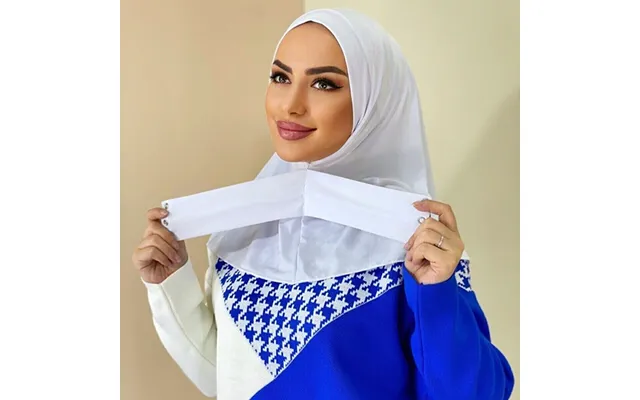
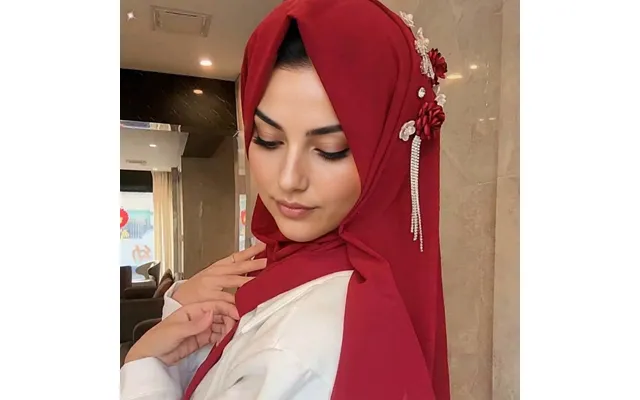
Muslim women choose from several types of veils, each reflecting different traditions and personal preferences. The hijab usually covers the hair and neck while leaving the face visible, commonly made from chiffon or jersey for breathability. Niqab covers the face, leaving the eyes visible, and the chador is a full-body drape used in some communities. Typical hijab scarf lengths range from 24 by 72 inches to 30 by 80 inches, giving you options for wrap styles or layered looks.
In Eastern Orthodox and some other Christian traditions, women wear headscarves during services as a sign of modesty. These scarves are usually simple, modest, and practical — cotton, linen, or silk measuring 20 to 30 inches across offer a respectful fit that stays put during services.
Picking the right fabric can make the difference between a veil that slips and a veil that feels like it belongs to you. Let’s break down the common materials you’ll see when shopping for religious veils.
Lace and tulle are classic choices for formal mantillas and ceremonial veils. Lace offers intricate patterns and a vintage feel, while tulle provides airy volume without heavy weight. For mantillas, look for fine Spanish lace or machine-embroidered lace for durability. Tulle veils often come in single or double layers, which affects opacity and drape.
Silk feels luxurious and drapes like a dream — ideal for formal veils and high-end scarves — but it needs gentle care. Chiffon offers a lightweight, breathable option suitable for daily wear and warmer weather. Cotton is practical, easy to wash, and comfortable for long services. Jersey blends and viscose are great for hijabs because they are stretchable, breathable, and less likely to show pins.
Length and style determine both the look and function of a veil. Think about how you’ll use the veil: daily worship, special services, or weddings. Your choice affects mobility, comfort, and the statement you make.
Short veils, like the blusher or shoulder-length styles, range from about 20 to 40 inches. They're easy to wear, lightweight, and ideal if you want modesty without fuss. These styles work well for everyday headcoverings or for liturgical settings where mobility is needed.
Mid-length veils such as fingertip lengths (about 40 to 60 inches) or chapel lengths (around 108 inches) balance elegance with practicality. A fingertip veil falls comfortably when your arms hang at your side; it’s a favorite for ceremonies that require you to move freely while still maintaining a formal look.
Cathedral veils, stretching from 120 to 144 inches or more, are designed to create drama. They’re best suited for processional events and photo moments since they require space and a careful walk. If you love the idea of a flowing train that tells a story, this is your pick — just plan for an attendant or careful bustle if you need to navigate crowds.
A veil becomes truly yours when styled with the right accessories. Small additions can improve comfort and keep your veil secure during long services or windy days.
A veil comb or small snap comb is a low-key way to anchor a lace mantilla or tulle veil. For scarves and hijabs, using a lightweight undercap or slip helps with grip and keeps hair tucked in. T-pins and flat hairpins are discreet choices that won’t damage delicate lace. If you’re moving a lot — like in processions — consider silicone-lined clips that grip without tugging.
Layering gives depth: try a plain underscarf beneath a lace mantilla for contrast, or add a second chiffon layer for softness. Colors usually follow tradition: white and ivory for weddings and sacraments, black for traditional or formal church settings, and muted tones for everyday worship. Don’t be afraid to choose jewel tones like deep navy or burgundy if they align with your community’s customs.
Keeping a veil in top shape extends its life and preserves delicate fabrics. Think of laundering and storage as rituals that honor the item’s role in worship.
Most delicate veils require handwashing. Use a gentle detergent and cool water — around 70 to 80°F — and soak the veil for a few minutes. Swirl gently; don’t wring. For silk or antique lace, consider professional cleaning. If air-drying, lay the veil flat on a clean towel to prevent stretching. For stubborn spots, dab gently with a soft cloth and avoid harsh bleach or hot water.
Store veils in breathable cotton bags or hung loosely on padded hangers to avoid creases. For travel, roll delicate veils in acid-free tissue paper and pack them in a roomy garment bag. If you must fold a long cathedral veil, place tissue paper between layers to prevent permanent creases. Think of your storage method as a gentle cradle that protects the fabric’s memory.
When shopping in the UK, it’s smart to compare options across specialized retailers, online marketplaces, and boutique makers. Comparison sites help you spot competitive prices, reviews, and seller reputations without visiting dozens of shops. Look for sellers that clearly list materials, dimensions in inches, and customer photos. If you prefer handmade, artisans on craft platforms can offer customization — for example, adjusting lace edges or adding a comb — so you end up with a veil that fits both your faith and your aesthetic.
Veil prices vary by material, length, and craftsmanship. A simple cotton or jersey headscarf can cost as little as $10 to $30, while mid-range chiffon and lace mantillas often fall between $40 and $150. High-end silk veils, custom lace mantillas, or hand-embroidered cathedral veils can range from $200 to over $1,000. Think of it like choosing a pair of shoes: you can get functional pieces on a budget, but investing in quality pays off if the veil will be part of major life events.
Wearing a religious veil involves cultural and spiritual meanings that vary widely. If you're buying a veil tied to a specific tradition, learn a bit about its significance. Respectful shopping includes choosing artisans who understand and honor the tradition, especially for culturally specific items like mantillas or tichels. Also consider sustainable fabrics and fair labor practices when possible — choosing ethically made pieces supports communities and preserves craft traditions.
Measuring for a veil is straightforward: decide the desired length in inches, and measure from the point where the veil will be anchored (usually the crown of the head) down to where you want the veil to end. For fingertip length, plan for roughly 40 to 60 inches; for chapel, about 108 inches; for cathedral, 120 to 144 inches. If you’re ordering online, compare the provided measurements with your own and check return or exchange options when available.
Before you make a decision, run through this simple checklist: Does the material suit the climate? (Chiffon or cotton for warm days, silk or heavier lace for formal indoor settings.) Is the length manageable for your needs? Do you prefer a comb, pin, or slip attachment? Are you buying from a seller that lists clear dimensions in inches and shows multiple photos? A little extra due diligence helps you avoid surprises.
Choosing the right religious veil is a mix of practical thinking and personal taste. Whether you want something understated for daily devotion or a dramatic cathedral veil for a once-in-a-lifetime ceremony, there are options in lace, silk, chiffon, and cotton that match your needs. Pay attention to length in inches, material, and the accessories that keep a veil comfortable and secure. And remember: a veil is more than fabric — it’s a meaningful piece that supports your practice and expresses your identity. Shop thoughtfully, compare options, and let your veil feel like a natural part of the ritual.