
Gun Cases & Range Bags price list
Last updated Thursday, Sep 17, 2026
| Gun Cases & Range Bags | Price |
|---|---|
| Write-on Minigrip Re-sealable Bag 203x279mm Clear Pack Of 1000 69275 | £80.13 |
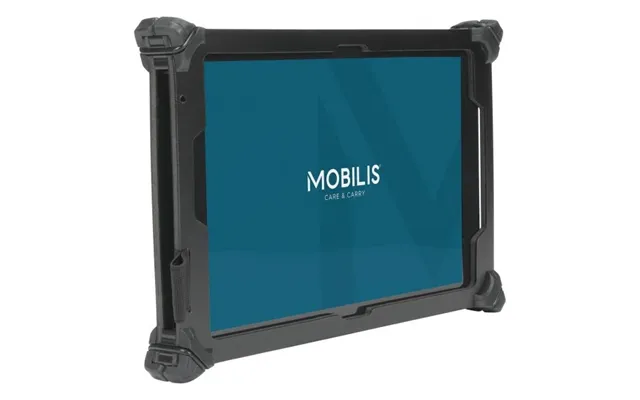
| Mobilis Resist Pack 31.2 Cm 12.3 Shell Case Black | £83.99 |



View 3 Offers


Loading...
Last updated Thursday, Sep 17, 2026
| Gun Cases & Range Bags | Price |
|---|---|
| Write-on Minigrip Re-sealable Bag 203x279mm Clear Pack Of 1000 69275 | £80.13 |
| Mobilis Resist Pack 31.2 Cm 12.3 Shell Case Black | £83.99 |
If you own a firearm, you know it’s an investment in safety, accuracy, and performance. A proper gun case or range bag does more than hide the barrel—it protects your gear from bumps, moisture, and curious hands, keeps optics aligned, and helps you stay organised at the range. Think of a case like a helmet for your firearm: it takes impact, shields from the elements, and gives you peace of mind while you carry it from your truck to the firing line.
Whether you’re storing a rifle, moving a pistol, or carrying extra magazines and cleaning kits, the right carrying solution can save you hours of frustration and hundreds of dollars in repair bills. In this guide I’ll walk you through the types, features, and smart choices that match every budget and shooting habit.
Choosing between a hard case, a soft case, or a hybrid model is the first big decision. Each has strengths, and the right type depends on how you travel, where you store your firearms, and how rugged you need the protection to be.
Hard cases, often made from impact-resistant polymers, are the armour trucks of gun transport. They usually have foam interiors, press-and-seal latches, and padlock hasps. If you fly with a rifle or frequently haul gear in a pickup, the crush-resistance and waterproof seals are worth the extra weight. Expect a durable hard rifle case to be around 48 to 52 inches long and weigh between 10 and 25 pounds depending on size and foam density.
Soft cases and padded gig bags are ideal for quick trips to the range and short storage periods. They’re lighter—often 3 to 8 pounds—and foldable for tight trunks. High-quality soft cases include dense padding, abrasion-resistant fabric, and reinforced stitching. They’re quieter and easier to sling over a shoulder than hard cases, but they won’t withstand heavy impacts or long-term crushing forces.
Hybrid cases combine rigid panels and soft exteriors to give better protection than a simple bag without the bulk of a full hard case. These are great for hunters who hike to their blind or shooters who switch between transport and quick range trips. Look for models with rigid bottom plates, reinforced zippers, and detachable shoulder straps for flexibility.
Range bags aren’t just oversized purses; they’re mission centres for your shooting session. A well-designed range bag will have padded pistol compartments, magazine sleeves, a cleaning rod pocket, and removable pouches for tools and ear protection. Tactical range bags often add MOLLE panels, lockable compartments, and a padded mat for reloading and maintenance.
When you pick a range bag, think modularity. Removable dividers let you turn a single bag into a dedicated cleaning kit one week and an ammo hauler the next. Most high-capacity range bags are around 18 to 24 inches long and hold several pounds of gear while still staying comfortable on the shoulder.
Not all cases are built the same. Pay attention to materials and hardware—those are the parts that fail first when you push a case hard. Look for 1000-denier nylon or ballistic fabric on soft cases, heavy-duty YKK zippers, and reinforced carry handles. For hard cases, check for pressure-relief valves, stainless steel pins in the hinges, and double-latch designs.
Seam construction matters. Taped or welded seams repel moisture better than stitched seams, and heavy-duty thread or bartack stitching in stress areas prevents eventual tearing. If you want waterproof performance, aim for an IPX-rated hard case or a soft case with a water-resistant liner and welded seams.
Size and internal layout determine how well your firearm travels. A rifle that rattles inside a case is at risk of dings and movement-related damage. Foam inserts—pluckable foam or custom-cut foam—are the secret sauce. They cradle your firearm, absorb shock, and keep optics and accessories from knocking together.
To find the right fit, measure the overall length of your firearm in inches, including suppressors or muzzle devices if you plan to store them attached. For rifles, common case lengths are 42, 48, and 52 inches. For pistols, check internal compartment dimensions—many pistol cases are 10 to 16 inches long. If you’re changing stocks, optics, or adding a bipod, factor those extra inches in before buying.
Custom-cut foam gives a tailored fit and looks professional, but it costs more. Pluck foam is a budget-friendly alternative: it’s foam with perforations you remove to fit your gun’s shape. Both protect well if installed correctly; custom foam just provides better, more permanent protection for expensive firearms or showpieces.
Security isn’t only about deterring theft—it's also about safe storage to prevent unauthorised access. Many hard cases include padlock points or integrated locks. If you travel by air, check for TSA-approved lock compatibility, but remember TSA rules apply mainly to commercial flights; always follow the applicable transport laws where you live.
Consider a case with reinforced lock holes and steel-reinforced hasps if you park at busy ranges or travel through high-traffic areas. For high-value firearms, consider pairing a lockable hard case with a cable lock or trigger lock—it's a layered approach: physical deterrence plus internal locking.
Moisture is one of the most destructive forces for metal and wood. A case that keeps rain out but traps humid air inside can actually accelerate corrosion. Look for cases with airtight seals and pressure-relief valves to equalize internal pressure without letting water in.
Inside the case, add moisture control: silica gel packs, desiccant pouches, or small dehumidifying devices that fit in a rifle stock compartment. For longer storage, a small sensor or hygrometer that reads in percent humidity helps you monitor conditions—aim to keep relative humidity below 50 percent whenever possible.
Think beyond the case. A few smart accessories make a big difference at the range and in long-term storage. Here are practical items to pair with your case:
Cleaning kits and rod pouches for bore maintenance on the go.
Ammo and magazine pouches that fit neatly inside a range bag to prevent loose rounds from rolling around.
Scope and optic tubes—soft padded sleeves protect lenses during transit.
Trigger or cable locks for extra security even when a firearm is stored in a locked case.
Silica gel and small desiccant packs sized in cubic inches or ounce equivalents to control humidity.
These add-ons are inexpensive insurance compared to repairing a corroded barrel or replacing a damaged scope.
Good packing saves time and reduces stress. Start by placing heavy items low in your vehicle and secure the case so it won’t slide. Use tie-down straps or a non-slip mat if you carry a lot of gear. If you’re transporting multiple cases, stack the heavier hard cases under lighter soft cases.
At the range, unpack on a tarp or mat rather than the dirt. Keep ammunition sealed until you’re ready to load, and always handle firearms with the muzzle pointed in a safe direction. For longer trips, loosen straps or take pressure off zippers to prevent damage during repeated opening and closing.
Wrap scopes in microfiber cloths and place them in padded sleeves. If you have detachable mounts, carry them separately in a small parts organizer to prevent scratches and misalignment. Labeling cases with contents on removable tags helps you quickly grab the right kit for each session.
Your case needs care, too. Clean exterior fabric occasionally with a damp cloth and mild soap—avoid harsh detergents that break down water-repellent coatings. For hard cases, wipe seals and valve areas to keep them free of debris and check latches for corrosion. Foam pieces can collect dust; remove and air them out occasionally, and replace them if they lose density.
A simple maintenance schedule—wipe down the firearm or magazine before storing, inspect foam and seals monthly if in regular use, and replace silica packs every 3 to 6 months—can add years to both your gear and case life.
Different firearms have different transport needs. Here’s a quick guide:
Pistols usually fit well in soft pistol cases or small hard cases. Look for internal dimensions around 10 to 16 inches with dedicated magazine pockets. Pistol cases are compact, so choose one with foam or locked compartments for safekeeping.
Rifles need length. A standard AR-style carbine without extended muzzle devices often fits in a 42 to 48-inch case. Bolt-action hunting rifles with long barrels or bipods may require 48 to 52-inch cases. If you keep a suppressor or long optic attached, add another 3 to 6 inches for clearance.
Shotguns vary widely. Tactical shotguns with collapsible stocks might fit in shorter cases, while full-length sporting shotguns need longer protection. Measure with any chokes, muzzles, or light mounts attached to avoid surprises.
You don’t have to break the bank to protect your investment. Spend on what matters most: foam fit, weatherproof seals, and secure latches. Save on cosmetic extras like molle webbing or bright colours if you prefer a minimalist setup. A mid-range hard case with good foam will often outperform a premium soft case when it comes to long-term protection.
For casual shooters, a high-quality soft case with dense padding and a small hard case for optics can be a winning compromise. For frequent travellers and hunters, invest in a rugged hard case and replaceable foam inserts to protect expensive rifles and optics.
When you’re ready to buy, run through a quick checklist: measure your firearm in inches, choose a case type that matches your travel style, check materials and latches, confirm lock compatibility, and add moisture control. Don’t forget to factor in extra room for optics, bipods, or suppressors if you keep them attached for transport.
Comparison shopping across brands helps spot differences in warranty, case depth, and included accessories. A well-chosen case keeps your gear functional and saves money over time by preventing damage.
Start by listing what you’ll carry most often: a single pistol, a hunting rifle, or a full range kit. That determines size and internal layout more than brand names. Read reviews specifically about durability and foam fit, not just colour or external pockets. If you travel by air, prioritise ATA-style hard cases with rigid build and TSA-compatible features.
Remember, you want a case that’s a tool, not an ornament. Function wins every time when it comes to protecting firearms and accessories.
Choosing the right gun case or range bag comes down to three questions: how will you travel, what will you carry, and how much protection do you need? With the right blend of materials, foam fitment, security features, and moisture control, you can keep firearms accurate, optics aligned, and accessories organised for years. Invest thoughtfully, maintain your gear, and your case will be an unsung hero at every session.