





All categories
Business & Offices
Electronics & Media
Fashion & Accessories
Groceries & Essentials
Health & Personal Care
Home & Living
Kids & Family
Sports & Outdoors
Search in ZoneOffer
Loading...
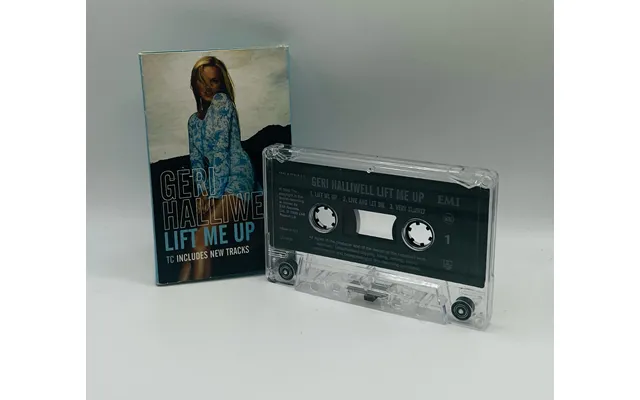
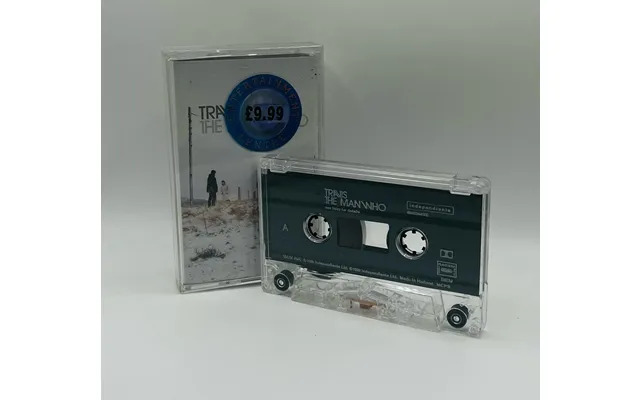
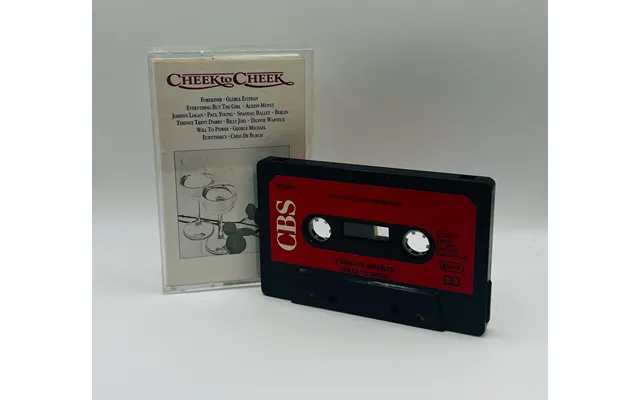
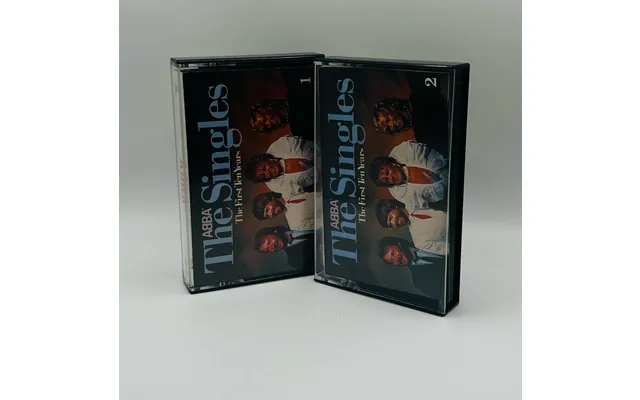
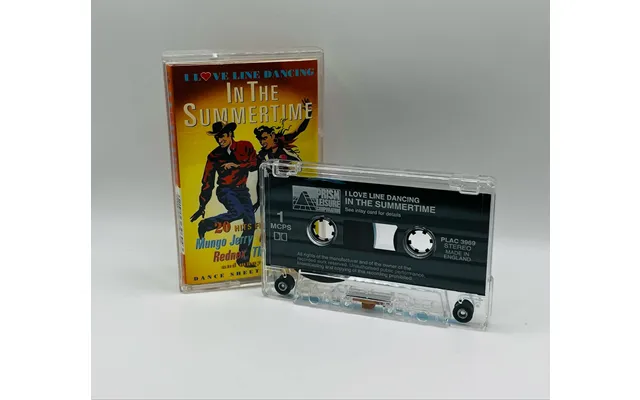
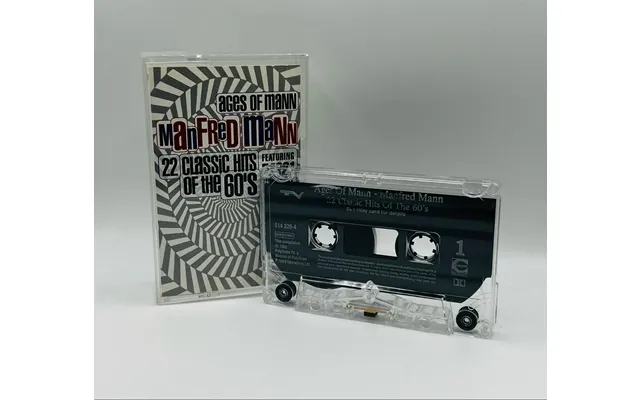
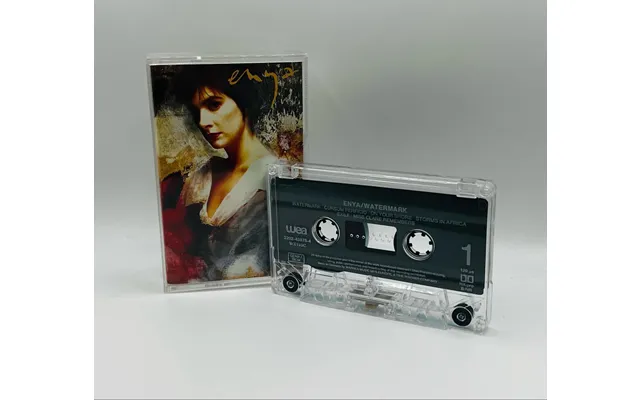
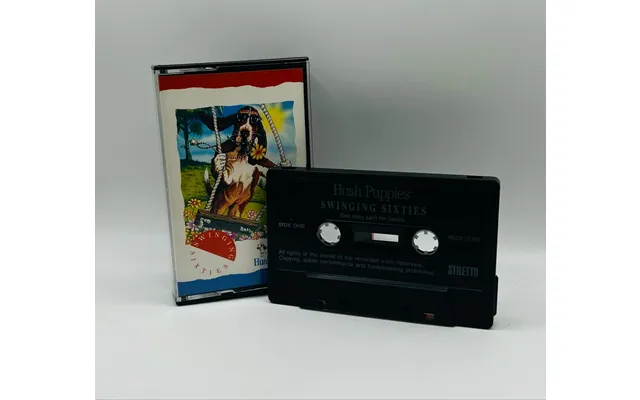
Are music cassette tapes back for good, or is this a nostalgic detour? Whether you’re dusting off a childhood mixtape, starting a fresh analog collection, or hunting the best blank tapes and converters, this guide is for you. I’ll walk you through tape types, runtime choices, players, digitizing options, and the best accessories to keep your collection sounding great. Think of this as your road map to analog warmth in a digital world — with practical tips and product ideas sprinkled in.
Remember that warm hiss, the gentle pop at the start of a side, and the ritual of flipping a tape over? Cassette tapes offer a tactile, human experience music-streaming can’t replicate. People love the physicality, the collectability, and the imperfect charm that adds character to music. Beyond nostalgia, independent artists and boutique labels have revived cassettes because they’re affordable, portable, and lend music a unique personality. Plus, you don’t need a subscription to enjoy them — just press play.
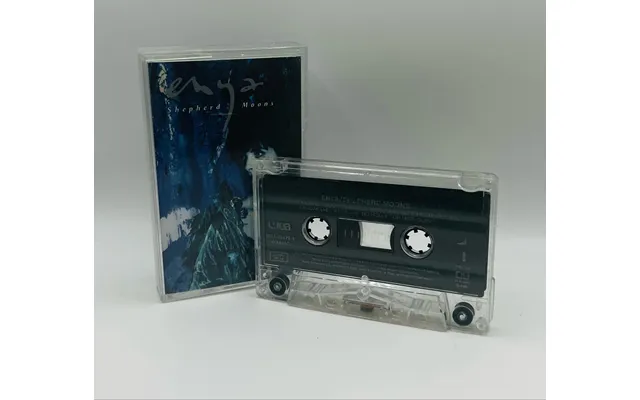
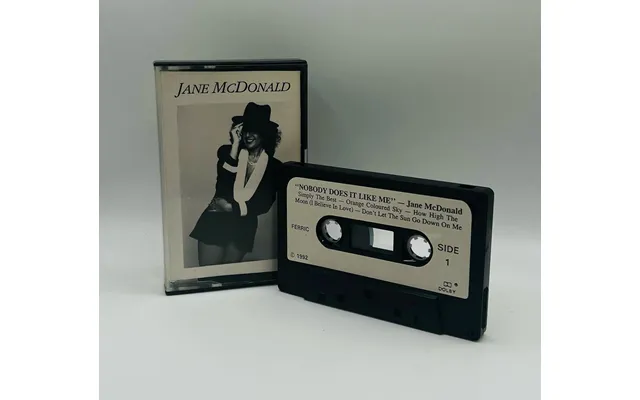
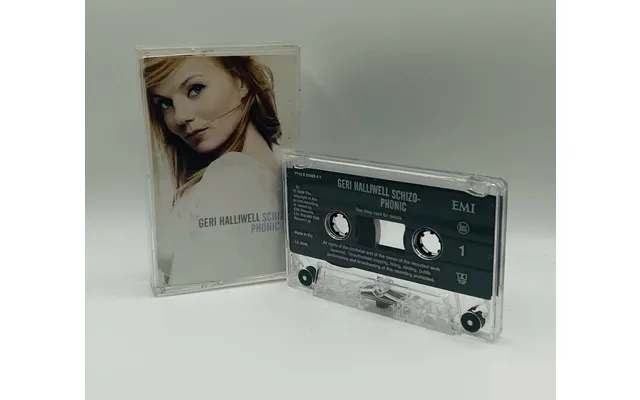
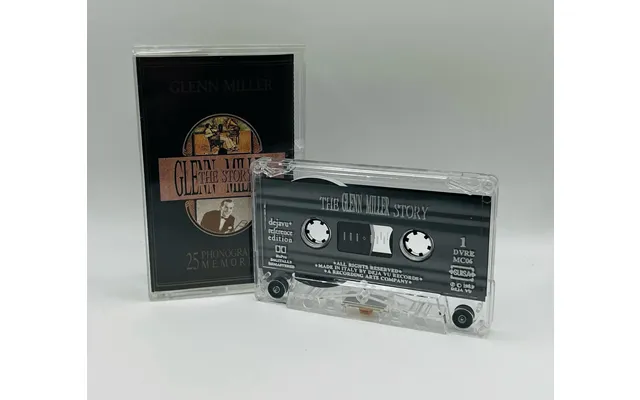
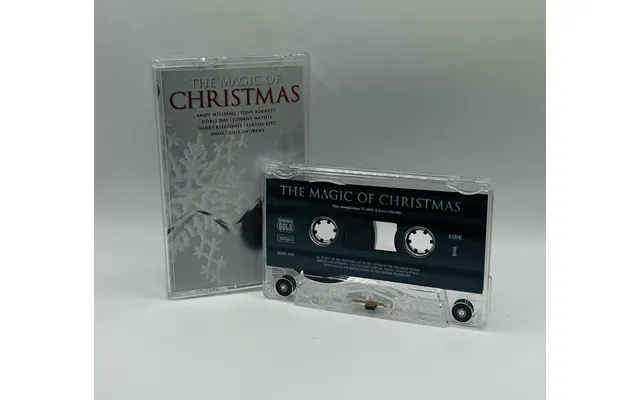
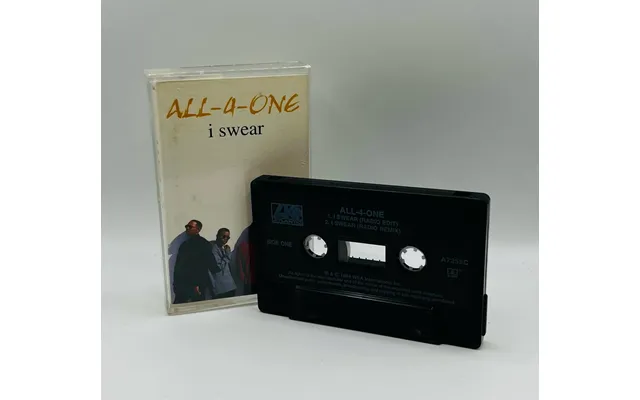
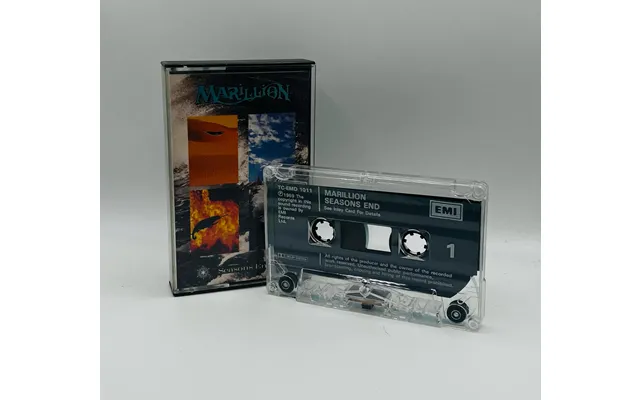
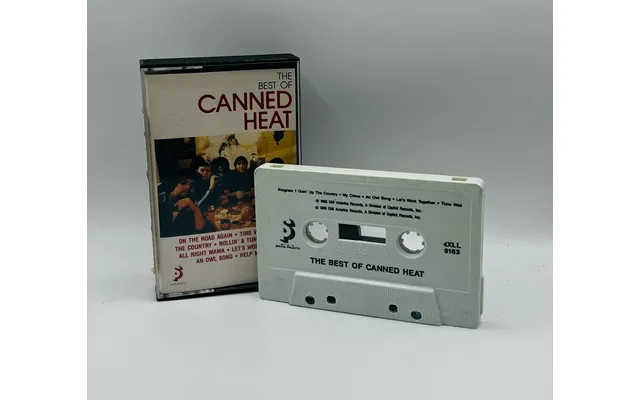
Compact cassettes are small plastic cases containing magnetic tape that stores audio as analog signals. A typical cassette has two reels inside a 4.2 in by 2.6 in shell, and you play them in a cassette deck, Walkman, boombox, or dedicated recorder. They come as pre-recorded releases or blank tapes you can record on. The sound isn’t as pristine as high-resolution digital — and that’s part of the appeal. It’s texture over perfection, with a warmth that many listeners find more emotionally engaging.
Not all tapes are built the same. There are several formulations that affect sound quality, durability, and recording levels. Picking the right type depends on whether you’re archiving, recording music, or just listening to vintage releases.
Type I tapes are the classic, affordable option. They’re great for everyday use — mixtapes and casual recordings — offering a warm, mid-focused sound. If you’re starting a collection or recording demos, Type I blank tapes like popular economy brands will do the job without breaking the bank.
Type II tapes use a chrome coating and deliver better high-frequency response than Type I. That translates into clearer vocals and more detailed cymbals. They’re a favorite among hobbyist recordists who want a step up in fidelity without going full pro. Expect slightly higher prices, but noticeably improved clarity.
Type IV, or metal tapes, are aimed at enthusiasts and audiophiles seeking the best analog performance. These offer the widest dynamic range and strongest high-end response. If you plan to archive important recordings or capture live performances, metal tapes are the premium choice, though they cost more and require a deck that can handle higher bias settings.
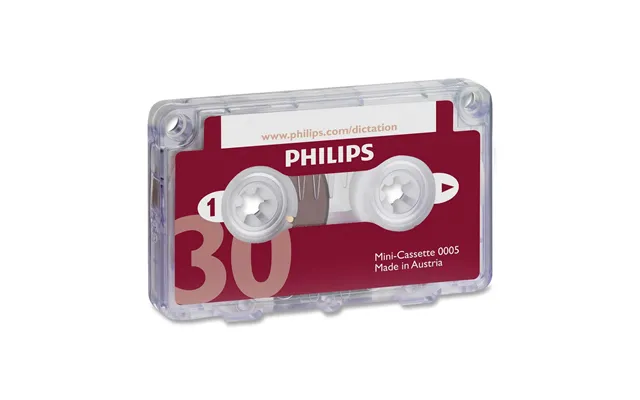
Blank tapes are sold by total runtime, like 30, 60, 90, or 120 minutes. If you’re making mixtapes, a 60- or 90-minute tape is the sweet spot — long enough for a solid set, short enough to avoid thin, fragile tape. For archival work, shorter tapes often have thicker tape material and fewer stretch issues. Ask yourself: do you want one continuous session, or multiple short recordings? That choice dictates the runtime you buy.
Some legacy brands have a strong reputation for consistent quality. Maxell, TDK, and Sony have long histories in magnetic media and still appear in boutique releases and reissues. Newer specialty labels and boutique manufacturers also make high-quality blank tapes aimed at collectors and indie releases. When choosing, look for consistent reviews on durability, tape tension, and sound signature.
Owning tapes means you’ll want something to play them on. There’s a range of devices, from pocket players to full-sized decks. Your choice will depend on portability needs, audio fidelity, and whether you want to record or only playback.
Portable players are perfect for on-the-go listening, jogging, or nostalgic commutes. Modern reissues and vintage units both work, but vintage Walkmans often require belt replacements. If portability matters, choose a model with a solid hold and good battery life. Battery-powered models use AA batteries or built-in rechargeable cells; consider how long you plan to be away from a charger.
Boomboxes bring robust speakers and radio functionality. They’re great if you want louder playback without hooking into a home stereo. Many modern boomboxes include Bluetooth or auxiliary inputs so you can mix analog playback with digital sources. Look for units with decent tape mechanisms that don’t jam frequently.
For the best sound and reliable recording, a two-head or three-head cassette deck in a hi-fi setup is ideal. These deliver better head alignment, separate recording/playback paths, and finer bias settings. If you’re archiving or serious about sound quality, investing in a decent deck is worth it. Make sure the deck has adjustable bias and level controls for optimal recordings.
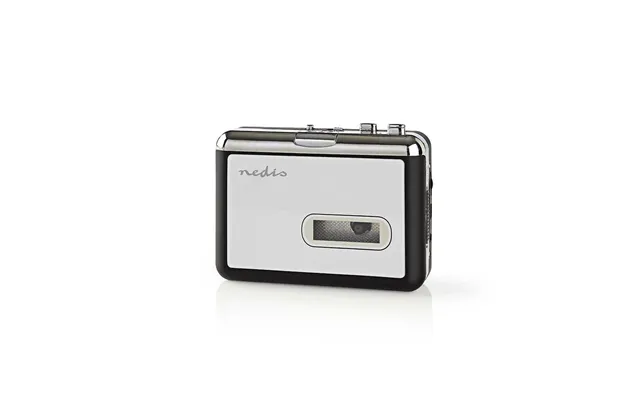
If you want the analog vibe but need files for streaming or archiving, digitizing is the answer. USB cassette converters let you connect a cassette deck to a computer and record directly into software. Choose converters with good A/D converters and stable playback to avoid wow and flutter. If you prefer hands-off, some services digitize collections professionally, but doing it yourself gives you control and saves money in the long run.
Before converting, clean tape heads and demagnetize the deck if needed. Record at a healthy level to avoid clipping, but keep headroom for dynamic passages. Use WAV for archival masters and MP3 for sharing. Tag files with titles and timestamps so you can revisit the original tape easily. And remember: the better the playback path, the better the digital capture.
The right accessories extend tape life and improve performance. Here are essentials that keep your kit running smooth and your tapes playable for years.
Store tapes vertically in a cool, dry place — ideally around 68°F and low humidity — to slow tape degradation. Use sturdy plastic cases or archival boxes to prevent dust and accidental tape spooling. Label spines clearly so you won’t have to hunt through stacks for that mixtape you loved.
Want to play your tape through a car stereo without a cassette deck? A cassette adapter converts your device’s output into a signal a cassette player can read. There are also Bluetooth-to-cassette adapters that let you stream wirelessly into older decks. These are handy bridges between analog and digital lifestyles.
Regularly cleaning playback heads prevents build-up that dulls sound. Commercial head-cleaning cassettes or isopropyl alcohol with cotton swabs do the trick. Demagnetizers remove tiny magnetic fields that accumulate and can smear audio over time. Use demagnetizers sparingly and follow the device’s instructions to avoid harm.
Tapes can stretch, break, or get tangled. Don’t panic — many issues are repairable. If a tape is loose, gently wind it back with a pencil through the reel holes. For a snapped tape, you can splice it with special tape splicing kits; align the magnetic sides carefully and use clear splicing tape for strength. If a deck chews tapes, check pinch rollers and capstans for wear, and don’t force the mechanism.
Shopping for tapes and players gets easier when you know what to check. Here’s a concise checklist to carry with you while researching or comparing prices on comparison sites.
Decide if you need blank tapes or pre-recorded ones, pick the right tape type for sound goals (Type I for basics, Type II or IV for higher fidelity), choose a player that matches your needs (portable vs. deck), and budget for accessories like splicing kits and cleanings. Also consider whether you want the convenience of digitization now or prefer keeping your collection purely analog.
Prices vary widely across retailers, specialty shops, and independent labels. Comparison sites are especially useful to spot limited releases, bundle deals, or refurbished decks. Use comparison tools to track pricing trends and set alerts for when favorite items drop in price. Remember, a higher price doesn’t always mean better sound — read user reviews and look for reports about build quality and tape consistency.
Here are some reliable product types to consider as you build a collection: classic blank tapes like 60- and 90-minute cassettes for mixtapes; Type II chrome tapes for better highs; a reliable portable player if you want mobility; a mid-range cassette deck for home listening and archiving; and a USB converter for digitizing. These cover most needs without overspending and give you flexibility to explore the analog world.
Start small: pick a few blank tapes and experiment with recording levels and sequencing. Try creating themed mixtapes — like a soundtrack for a road trip or a late-night chill set — and treat the process as a form of creative journaling. Keep one deck maintained and dedicated for digitizing, and another portable player for daily listening. Over time, you’ll learn which tapes wear better and which players handle your library most gently.
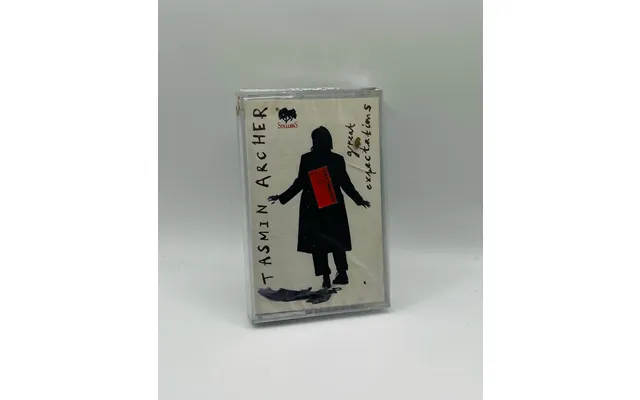
The cassette’s future looks hybrid: collectible releases and practical usage coexist. Indie labels press limited runs, collectors trade sealed releases, and everyday listeners record music and voice notes. Cassettes aren’t going to replace streaming, but they offer a complementary physical experience that many fans cherish. If you enjoy tactile rituals and a slower approach to music consumption, cassettes are worth the time.
If you’re new, start with 60- or 90-minute Type I or II blank tapes and a reliable portable player. If you care about sound quality, invest in a mid-range deck and Type IV metal tapes. Always clean heads before digitizing and store tapes upright in a cool spot around 68°F. Use comparison sites to find deals and read reviews for build and tape consistency. Most importantly, have fun — the journey is part of the charm.
Conclusion: Cassette tapes are more than a trend — they’re an invitation to engage with music differently. Whether you’re hunting for vintage albums, making mixtapes, or archiving family recordings, the right mix of tapes, players, and accessories will make the experience rewarding. Treat your collection with care, choose equipment that fits your goals, and enjoy the analog warmth that only magnetic tape can deliver.
| Music Cassette Tapes | Price | |
|---|---|---|
| Nedis Usb Audio Cassette To Mp3 Converter Portable Dc & Battery Powered With 3 | £ 39,19 |

