








All categories
Business & Offices
Electronics & Media
Fashion & Accessories
Groceries & Essentials
Health & Personal Care
Home & Living
Kids & Family
Sports & Outdoors
Search in ZoneOffer
Loading...
There’s something about military uniforms that commands attention — history, precision, and practicality wrapped into one. Whether you’re into authentic heritage pieces, need reliable kit for outdoor adventures, or just want the hard-wearing look, UK military uniforms offer a unique blend of form and function. They’re engineered to endure, designed to move with you, and often built to meet real-world demands. Want to dress like a classic officer or gear up like a modern soldier? The choices are vast, and the quality usually outlasts fast-fashion alternatives.
Before you buy, it helps to know what you’re looking at. Military clothing falls into clear categories — ceremonial and dress uniforms for formal occasions, combat and field uniforms for active duty, and service or working uniforms for everyday use. Each serves a different purpose and is built with different materials, cuts, and care requirements. Knowing those differences will save time and money, and it’ll help you pick gear that suits your lifestyle, whether you need rugged trousers for hiking or a smart tunic for reenactments.
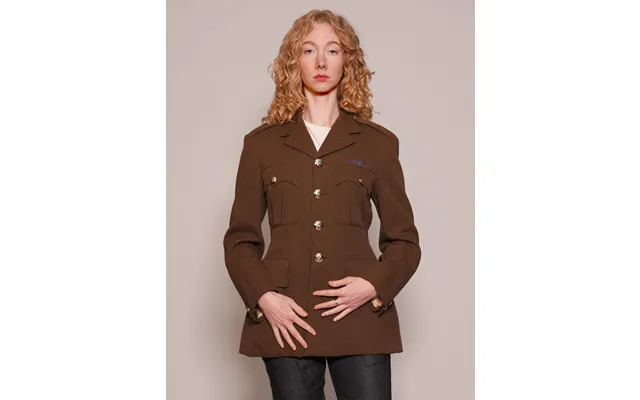
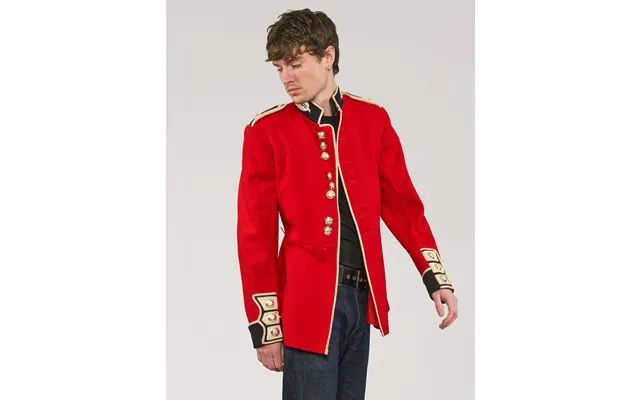
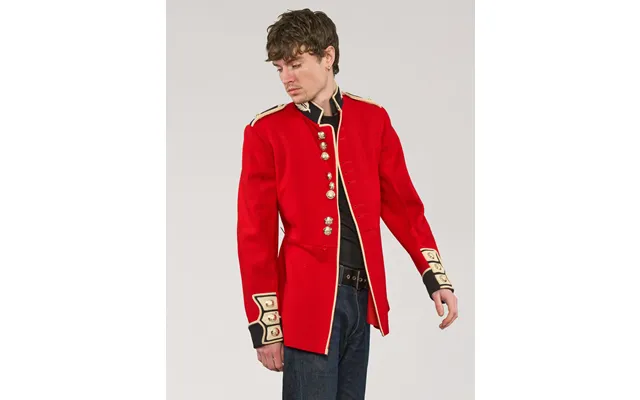
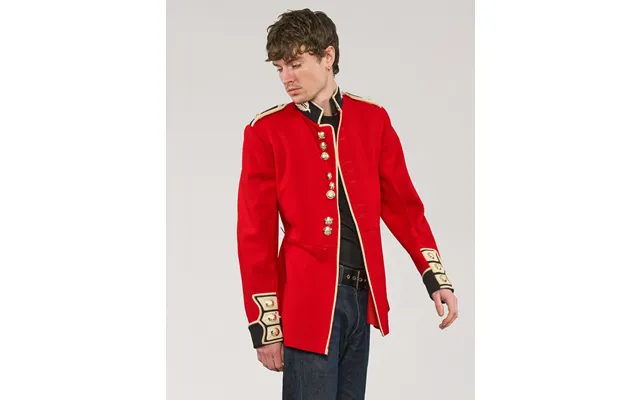
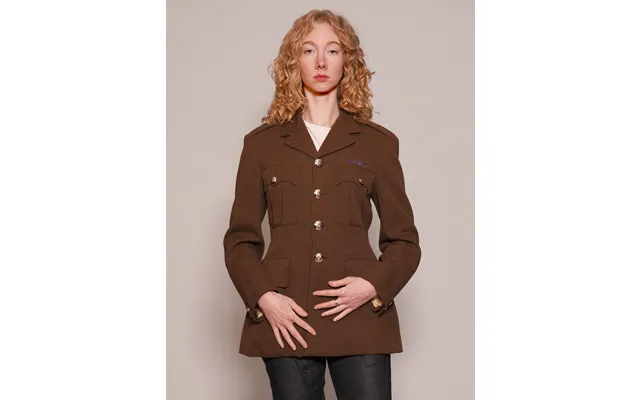
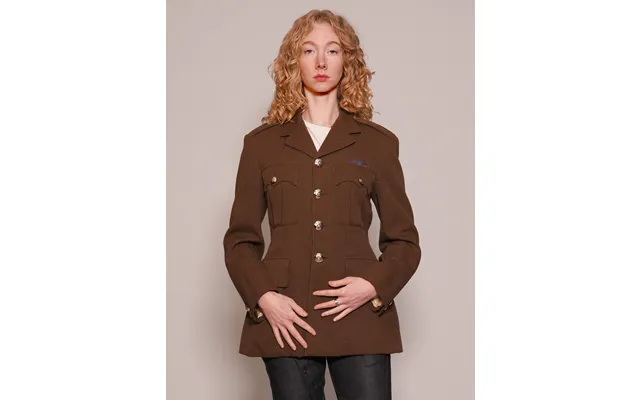
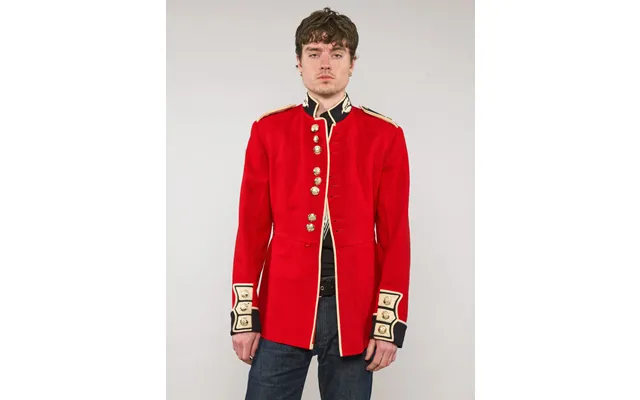
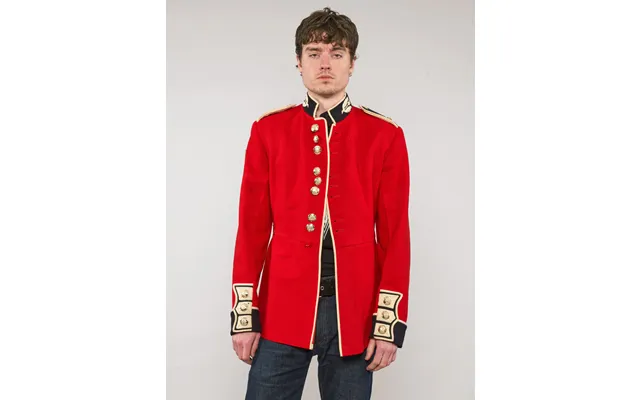
Dress uniforms — think tunics, polished buttons, and crisp trousers — are all about appearance and tradition. They’re worn at parades, formal events, and ceremonies. Materials are often heavier and constructed to hold shape, so expect a tailored fit and details like braiding, epaulettes, and brass insignia. These items are less about camouflage and more about presentation.
Combat uniforms are the workhorses. Designed to be breathable, flexible, and resilient, they typically come in camouflage patterns to blend into terrain. Modern British combat gear often uses Multi-Terrain Pattern (MTP) fabrics that balance woodland and desert needs. Expect features like reinforced knees, integrated pocket systems, and fabrics treated for water resistance and durability.
Service dress falls between ceremonial and combat wear — neat but practical. These pieces are what personnel wear during day-to-day duties that don’t require full combat kit. They’re comfortable, often machine-washable, and designed to present a tidy appearance while still being functional.
The backbone of any military wardrobe is the outerwear and trousers. From the classic combat jacket to the modern windproof smock, each piece has purpose-built features that make it worth owning even off duty. Let’s break down the essentials so you know what to look for when comparing options.
Combat jackets are typically cut for mobility, with roomy armholes and adjustable cuffs. Look for features like reinforced elbows, zip-and-button closures, and inner pockets for maps or documents. In colder weather, a parka with insulated lining and a protective hood becomes essential. When evaluating jackets, check the weight in pounds and the listed insulation rating — heavier jackets usually offer more warmth but limit movement.
Military trousers are made to last. Reinforced knees, double-stitched seams, and articulated cuts that allow bending and kneeling without strain are common. Many trousers include cargo pockets arranged for easy access while wearing a belt or harness. For rough terrain, consider pants with heavier fabric on the seat and knee areas to prevent early wear.
Smocks combine the protection of a jacket with the mobility of a pullover. They’re excellent for layering because they usually sit comfortably over base layers without trapping heat. Most military layering systems start with a moisture-wicking base, add an insulating mid-layer, and finish with a shell or smock for weather protection. Layering in Fahrenheit: aim for breathable fabrics in mild weather, and add insulated layers when temps drop well below 50°F.
If there’s one single item that makes or breaks comfort on long days, it’s your boots. Military-style boots are built for all-day wear, often with ankle support, oil-and-slip-resistant soles, and rugged leather or synthetic uppers. Brands vary, but key specs to watch include sole thickness, measured in inches, and overall weight in pounds per pair — lighter boots reduce fatigue, but beefier soles last longer and protect better.
High-ankle boots give superior support for uneven ground; low-cut models are lighter and easier to break in. If your activity involves lots of road marching or heavy loads, opt for a sturdier boot with a thicker midsole and a pronounced tread pattern. For wet climates, pick waterproof construction but remember that waterproof liners can reduce breathability in warm weather.
Military uniforms rarely stand alone — they’re paired with gear that carries essentials. From rucksacks to webbing and plate carriers, load-carrying equipment needs to be comfortable and balanced. Well-designed systems distribute weight across hips and shoulders, reducing strain and improving endurance on long treks.
When comparing rucksacks, check dimensions in cubic inches and stated carry weight in pounds. A typical multi-day Bergen often ranges around 4,000 cubic inches of capacity and is engineered to hold 40 to 70 pounds of gear comfortably when fitted correctly. Look for padded hip belts and adjustable frames to match torso length in inches.
Webbing systems and belts let you keep essentials at your hips for quick access. Choose modular setups where pouches can be rearranged, and ensure belt buckles are robust and easy to operate with gloved hands. A well-set webbing system reduces the need to open your pack for frequently used items.
Plate carriers are specialized and should meet protective standards if used for safety. When browsing carriers, focus on fit (torso length in inches), modularity for attachable pouches, and weight when empty. Remember that adding armor plates increases carried weight by several pounds, so factor that into your overall load plan.
Camouflage isn’t just about looking tactical — it’s engineered to break up outlines and match environments. The British Multi-Terrain Pattern (MTP) is commonly used because it blends well across multiple landscapes. Earlier patterns like Disruptive Pattern Material (DPM) are still popular among collectors and reenactors. When choosing a pattern, consider where you’ll use the gear: woodland, urban, or open terrain each favor different color blends.
Accessories complete the uniform and add authenticity. Berets, cap badges, rank slides, and unit patches can transform a plain outfit into a historically informed display. If you’re collecting or dressing for reenactment, pay attention to correct placement — a misplaced insignia can be a giveaway. For everyday wear, subtle patches and a well-made beret can add personality without going full uniform.
Fit is everything. A uniform that looks right and moves with you will perform better and feel more comfortable. Take accurate measurements: chest, waist, hips, inseam, and torso length. Use inches for each measurement and compare them to product size charts. If you’re between sizes, consider how you’ll layer. For heavy layering in cold weather, size up to allow room for mid-layers without restricting movement.
Inseam is measured from the crotch to the hem in inches and determines whether trousers sit correctly over boots. Torso length matters for jackets and plate carriers; measure from the top of the shoulder near the base of the neck down to the waist in inches. Getting these right avoids bunching, chafing, and exposure in harsh weather.
Military clothing is designed for durability, but it still needs care. Follow washing instructions, use mild detergents, and avoid high-heat drying that can shrink fabrics or degrade water repellents. Repair small tears and reinforce worn areas before they become problems. Proper storage — hung or folded in breathable conditions — helps preserve shape and color.
Simple sewing kits and patches can add years to your gear. Reinforce stress points like knees and seats with heavy-duty thread or fabric patches measured to cover the worn zone. For leather boots, regular conditioning prevents cracking; aim to clean and condition boots after long trips or exposure to saltwater, and store them loosely stuffed to maintain shape.
Buying military uniforms and related gear is about matching needs with value. Use comparison tools to scan multiple sellers, compare specs like fabric weight in ounces or jacket insulation in ounces of fill, and check customer reviews for fit and durability. Look for sellers that clearly list measurements in inches and product weight in pounds so you can make apples-to-apples comparisons. If you’re buying authentic or surplus items, verify provenance and condition descriptions carefully.
Here are categories and product types that tend to get high marks across the board. These are not individual endorsements of a single brand, but categories to guide your shopping: MTP combat jacket with reinforced elbows, heavy-duty combat trousers with articulated knees, waterproof insulated parkas rated for damp British winters, high-ankle leather combat boots with oil-resistant soles, a 4,000 cubic-inch Bergen-style rucksack with padded hip belt, and modular webbing systems with quickly detachable pouches. Look for items that spell out dimensions in inches and weight in pounds so you can compare realistically.
New items often have modern fabrics and consistent sizing, while surplus can offer great value and authentic character. If you go surplus, inspect the item for repairs and check size labels — surplus sizes can be nonstandard, so always verify measurements in inches. Neither choice is universally better; it depends on your priorities: authenticity and cost-savings, or modern performance and fit consistency.
Wearing military-style clothing is generally fine for civilians, but be mindful of local rules and customs. In some places, wearing certain insignia or decorations reserved for service members can be sensitive or even regulated. If you’re attending formal events or reenactments, do a little research on proper wear and placement to avoid unintentional faux pas.
Before hitting “buy,” run through this quick checklist: measure yourself in inches, decide between new or surplus, compare fabric weights and insulation in ounces or pounds, check return or exchange options, and read user feedback for real-world sizing and durability notes. Having this checklist handy will help you avoid common mistakes like ordering the wrong torso length or selecting boots with insufficient arch support.
UK military uniforms offer a compelling mix of heritage, utility, and toughness that appeals to collectors, outdoor enthusiasts, and anyone who values well-made clothing. By understanding the different uniform types, focusing on fit in inches and weight in pounds, and comparing key specs across sellers, you’ll find gear that looks great and performs reliably. Whether you’re buying a ceremonial tunic, a set of combat trousers, or a heavy-duty Bergen, the right information ensures your next purchase is practical, comfortable, and built to last.
| Military Uniforms | Price | |
|---|---|---|
| Vintage Naval Uniform Blazer In Navy - L | £ 198,- | |
| Vintage Naval Uniform Blazer In Navy - M | £ 198,- | |
| Vintage Naval Uniform Blazer In Navy - S | £ 198,- | |
| Us Army Ceremonial Uniform | £ 228,- | |
| British Army N02 Dress Jacket - S | £ 278,- | |
| British Army N02 Dress Jacket - M | £ 278,- | |
| British Army N02 Dress Jacket - L | £ 278,- | |
| Irish Guards Tunic - L | £ 298,- | |
| Irish Guards Tunic | £ 298,- | |
| Irish Guards Tunic - S | £ 298,- |


