




All categories
Business & Offices
Electronics & Media
Fashion & Accessories
Groceries & Essentials
Health & Personal Care
Home & Living
Kids & Family
Sports & Outdoors
Search in ZoneOffer
Loading...
If you’re tired of loose pages, dog-eared reports, or notebooks that fall apart after one meeting, a binding machine can feel like a small office miracle. Binding machines turn loose stacks of paper into polished booklets, manuals, or presentations that look professional and last longer. Whether you’re prepping a class packet, organizing a portfolio, or producing client-ready proposals, the right binding tool saves time and frustration.
Not all binding machines are created equal — they use very different systems, and each system has pros and cons. Choosing the right type depends on how often you’ll bind, the look you want, and how durable the finished document must be. Here’s a friendly tour of the main binding types you’ll encounter.
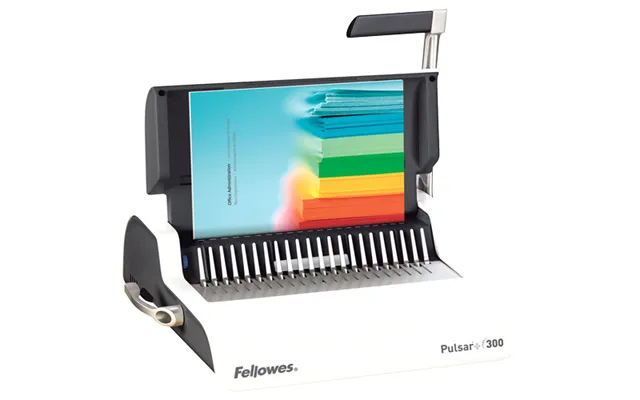
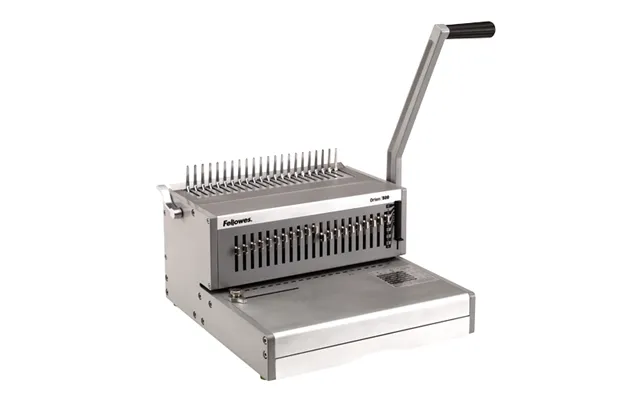
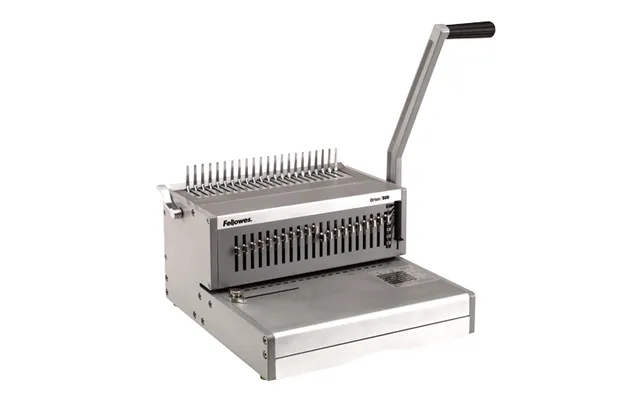
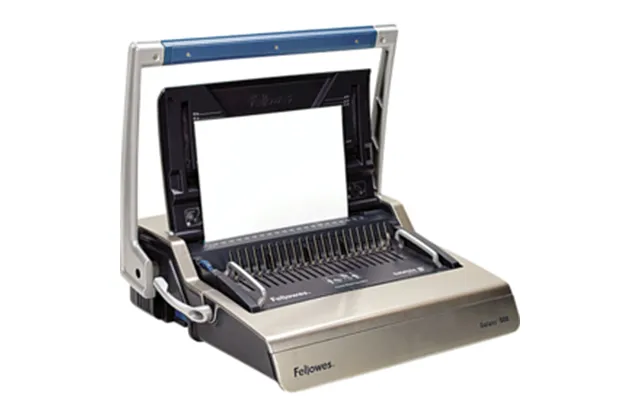
Comb binding is one of the most popular choices for general office use. It uses plastic combs that snap into punched holes along the document edge. Comb-binded documents open flat and allow pages to be added or removed easily. Comb binding is affordable and works well for reports and training manuals, typically accommodating spines from about 1/8 inch up to 2 inches.
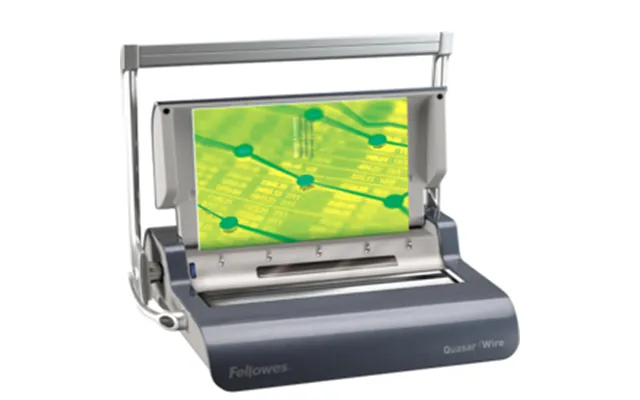
Wire binding uses small metal wires that close around the punched edge to create a sturdy, professional finish. Documents bound with wire have a more polished look than combs, and they lie flat nicely too. Wire sizes often range from about 1/4 inch to 1 inch in diameter, so you can create anything from thin booklets to multi-hundred-sheet manuals depending on the model.
Coil binding feeds a flexible plastic coil through holes in the document, producing a durable, flexible spine that rotates 360 degrees. Coils are a great choice for notebooks, workbooks, and planners because they’re strong and allow pages to turn freely. Coil spines are commonly available in sizes like 1/4 inch to 1 inch, and coils are sold in a variety of colors for customization.
Thermal binding creates a permanent, book-like finish by melting glue inside a pre-made spine to affix the pages. The result looks similar to a paperback book, so thermal binding is ideal for final reports or professional proposals. Thermal systems can handle a wide range of thicknesses, often up to about 1 inch or more depending on the machine and spine sizes available.
Deciding between a manual or electric binding machine comes down to how many documents you’ll bind and how much convenience you want. Manual machines are affordable and compact — perfect for home offices or occasional use. Electric machines do the heavy lifting for high-volume binding, reducing fatigue and speeding up the process. If you bind a few documents a month, a manual comb or wire binder might be ideal. If you’re churning out dozens of booklets a day, an electric or semi-automatic model will pay for itself quickly.
When shopping for a binding machine, don’t focus only on price. A few smart features make life much easier and help you get consistently good results. Below are the practical specs that separate the frustrating machines from the keepers.
Punching capacity tells you how many sheets the machine can punch at once, often measured in sheets of 20-lb paper. A small home unit might handle 10–20 sheets per punch, while larger office machines can handle 25–40 sheets or more. Throat depth — how far the punch reaches from the edge — matters when you want to bind sheets with larger margins or create centered layouts. Look for a throat depth that suits the size of your projects.
Binding capacity is typically expressed in inches, which tells you the maximum spine thickness the machine can close. Standard sizes range from 1/8 inch to 2 inches or larger. If you often bind thick manuals, aim for a machine that supports at least 1 inch or more. Also check compatibility with spine types you prefer — combs, wires, coils, or thermal spines — so you don’t get stuck with a machine that uses supplies hard to find.
User-friendly machines have clear page guides, simple controls, and features like automatic margin adjustment to reduce mis-punched pages. For electric and high-capacity machines, look for anti-jam or auto-feed functions that prevent stuck pages. The last thing you want is to spend more time fixing jams than binding your documents.
Several reliable brands dominate the binding space, offering models that suit different budgets and volumes. Fellowes, GBC, Swingline, and Akiles are names that frequently show up in office comparisons because they balance durability, warranty support, and availability of consumables. For light home use, look for compact comb binders from trusted brands. For heavy-duty office work, explore electric wire or coil binders from GBC or Akiles that advertise higher sheet capacities and metal construction.
Think of choosing a binding machine like choosing a kitchen appliance: match it to how often you’ll use it and what you’ll cook. If you only need simple booklets once in a while, a small, inexpensive comb binder will do the trick. If you produce polished reports daily, invest in a mid-range electric wire or coil machine that can handle higher volume and thicker spines. Consider where you’ll store the device, how much noise you can tolerate, and whether you want the flexibility to work with different spine types.
Binding machines are only half the equation; the other half is supplies. Stock up on combs, wires, coils, and thermal spines in the sizes you use most. You’ll also want covers — clear plastic for presentation pages and thicker cardstock for backs — and tab dividers for multipage manuals. A good hole punch replacement or spare blades can extend the life of your machine, and a binding comb opener or wire closer (for manual systems) makes small tweaks painless. When buying supplies, check compatibility with your binding system and buy a few sizes higher and lower than your typical needs so you’re ready for odd jobs.
Regular care keeps a binding machine reliable. Clean paper dust from the punch area and empty waste trays frequently — paper debris is the number one cause of jams. If your machine has blade cartridges, replace them when punch quality declines. For electric models, avoid overloading the punch and let the motor cool during heavy runs. Treat the machine like a toolbox; a little routine maintenance prevents major headaches down the line.
Price can vary widely depending on type, capacity, and brand. Manual comb binders can be quite affordable, while heavy-duty electric wire or thermal binders cost significantly more. When you’re comparing prices, factor in the cost of consumables like spines and covers over time. A cheaper machine that uses more expensive supplies may cost more in the long run. Comparison sites and price lists can help you spot trends and seasonal discounts — use them to find the sweet spot between upfront cost and ongoing expense.
Different binding tasks call for different approaches. Teachers and trainers will often prefer coil or comb binding for workbooks that must open flat and survive heavy handling. Designers and architects might choose wire binding for professional presentations. Small publishers and authors creating short run softcover books may opt for thermal binding for a clean, book-like appearance. Think about how the finished item will be used, who will handle it, and how often you’ll produce it when choosing a system.
Buyers often focus on price and forget to check what supplies cost or how easy they are to replenish. Another mistake is underestimating capacity: a machine that handles 15 sheets per punch may be frustrating if you regularly prepare 50-sheet manuals. Also, pay attention to warranty coverage and available parts — a brand with strong customer support and readily available replacement parts is worth a bit more. Finally, don’t overlook ergonomics; if punching and binding hurts your wrist after a few minutes, you won’t use the machine as often as you planned.
If sustainability matters to you, consider binding options that produce less waste or use recyclable supplies. Some suppliers offer recyclable coils or combs made from eco-friendly plastics, and thermal bindings with recyclable spines are becoming more common. Also look for machines with replaceable parts so you can repair instead of replace, which is better for your wallet and the planet.
Small details make a big difference. Use a clear front cover and a heavy cardstock back for a professional look. Align your margins consistently and use a template to ensure the hole pattern and content line up every time. For multi-section documents, include numbered tabs or color-coded covers. If you’re producing client-facing materials, consider investing in a slightly higher-end finishing machine — the extra neatness sends a signal about quality and attention to detail.
Instead of hunting in one shop, compare specifications and prices across multiple retailers and comparison sites to find the best deal. Look at itemized price lists and read user reviews to spot recurring issues. Local office supply stores can be handy if you want to test feel and weight in person, but online marketplaces offer broader selections and competitive pricing. Remember to include the cost of consumables in your estimate so you don’t get surprised later.
Before you click “buy,” run through this checklist: What type of binding do you need (comb, wire, coil, thermal)? How many sheets will you bind in a typical job, and what is the maximum thickness you need in inches? Do you prefer manual or electric operation? Are the replacement spines and covers easy and affordable to source? Does the machine have a good warranty and positive user feedback? Answering these will steer you to a solution that keeps your documents looking sharp without breaking the bank.
Binding machines are simple but powerful tools that turn loose pages into durable, professional documents. Whether you choose a budget-friendly comb binder for occasional use or a robust electric wire or thermal machine for daily production, the key is matching machine capabilities to your workload and style. Pay attention to punch capacity, spine sizes in inches, supply availability, and build quality. With the right setup and a small stock of compatible supplies, you’ll save time, reduce clutter, and present your work with confidence.
| Binding Machines | Price | |
|---|---|---|
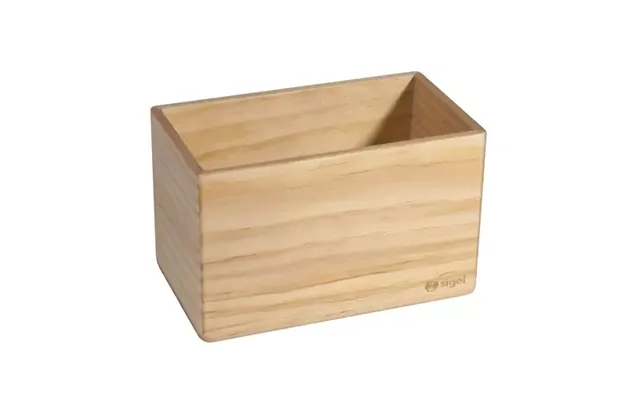
| Sigel Ba150 | £ 22,74 | |
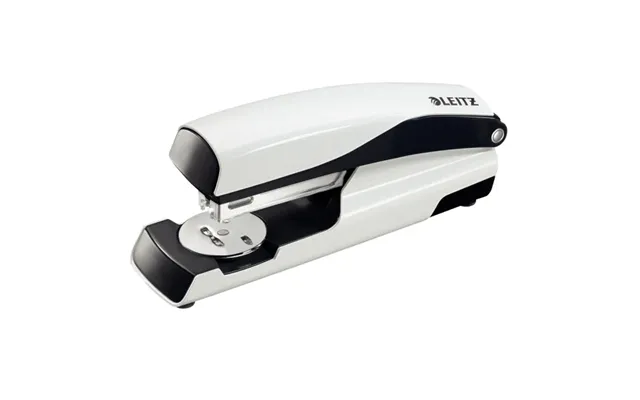
| Leitz Nexxt 5502 Wow Metallic White | £ 30,73 | |
| Sigel Ba401 | £ 35,22 |

