All categories
Business & Offices
Electronics & Media
Fashion & Accessories
Groceries & Essentials
Health & Personal Care
Home & Living
Kids & Family
Sports & Outdoors
Search in ZoneOffer

Loading...
Ever felt like your training is stuck in first gear no matter how hard you push? The right athletics gear can be the difference between a good session and a breakthrough. Whether you’re sprinting the 100-yard dash in the park, working on a long jump, or perfecting your shot put technique, equipment tailored to your event helps you train smarter, stay safer, and perform better on competition day.
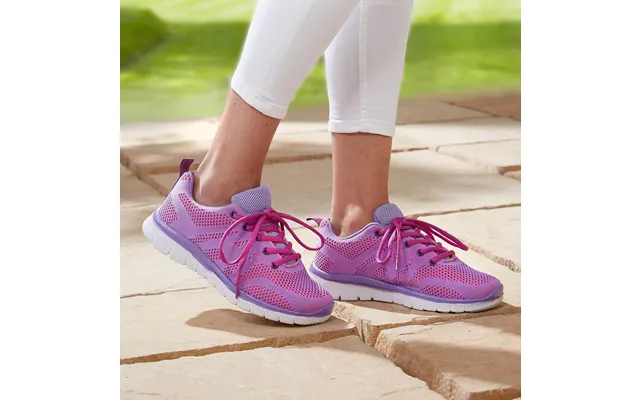
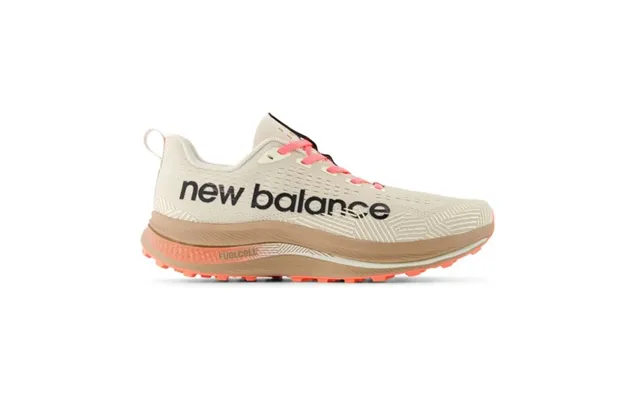
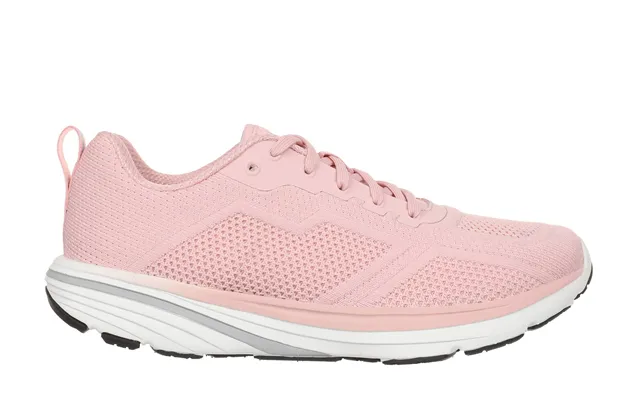
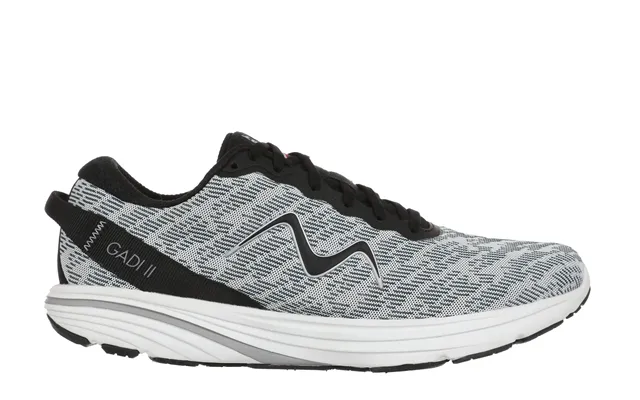
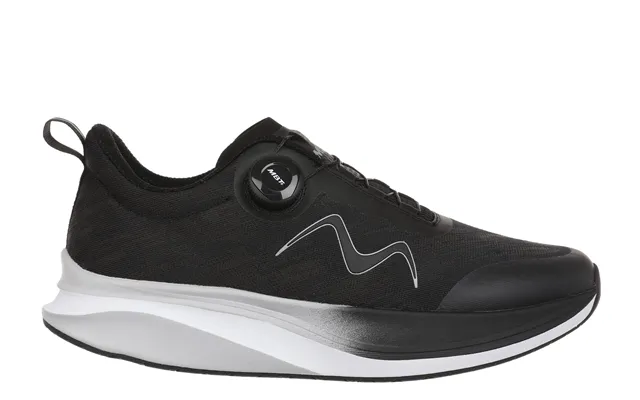
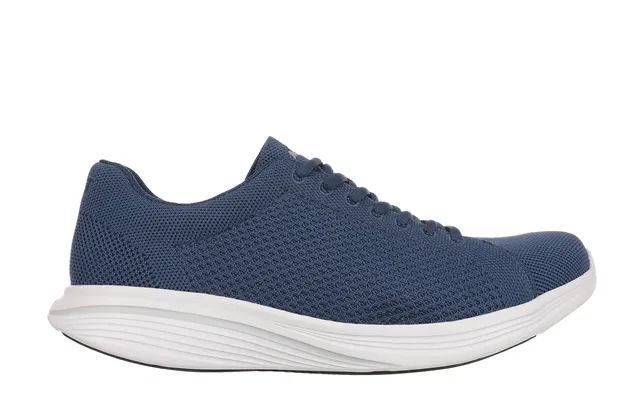
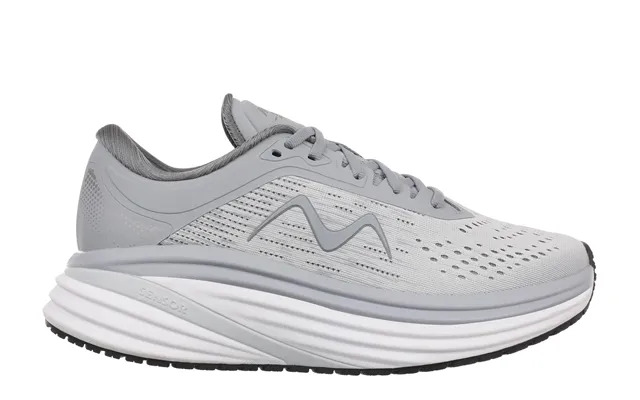
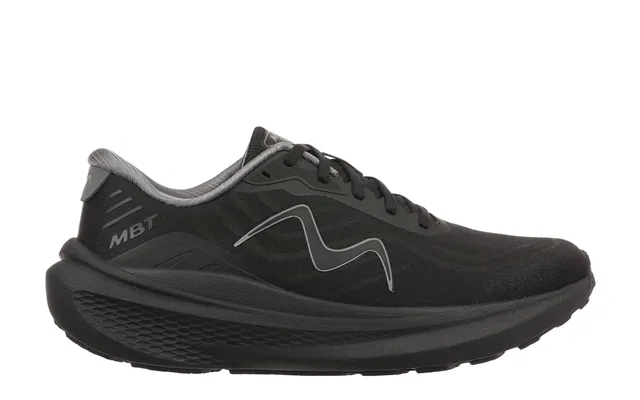
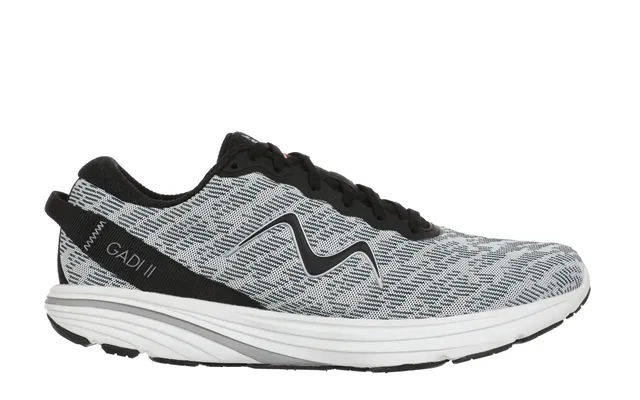
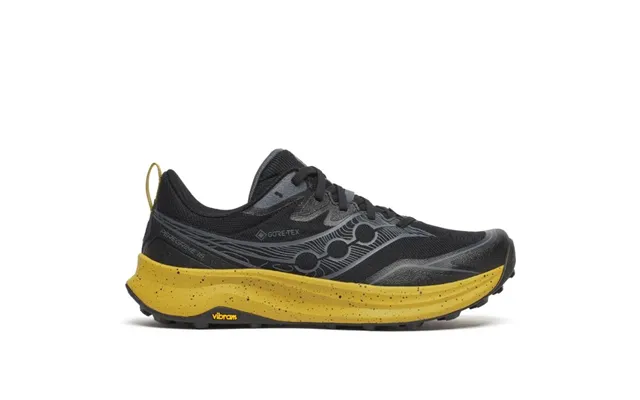
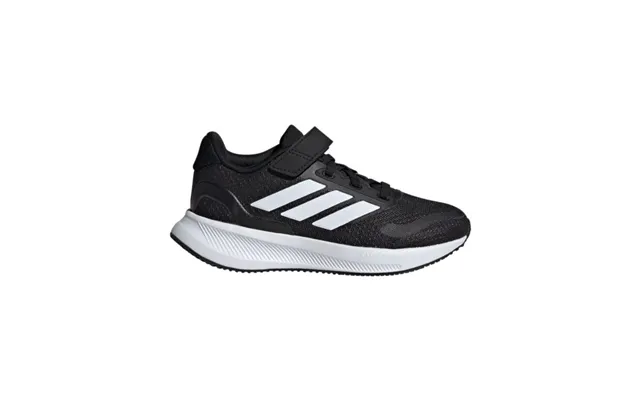
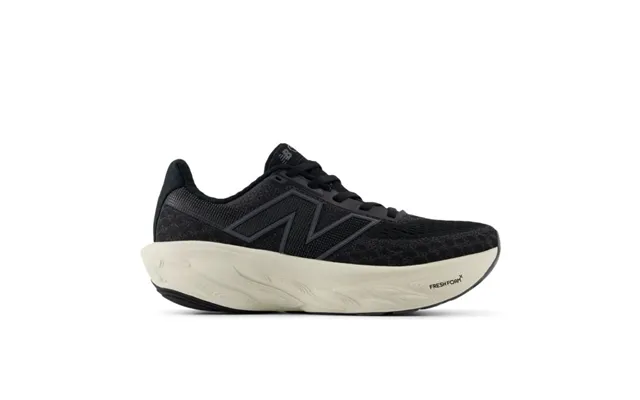
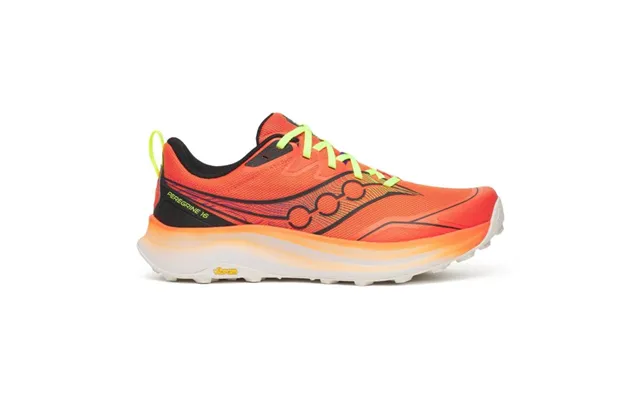
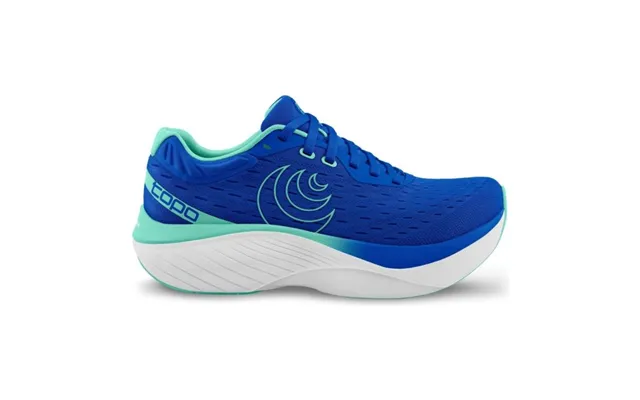
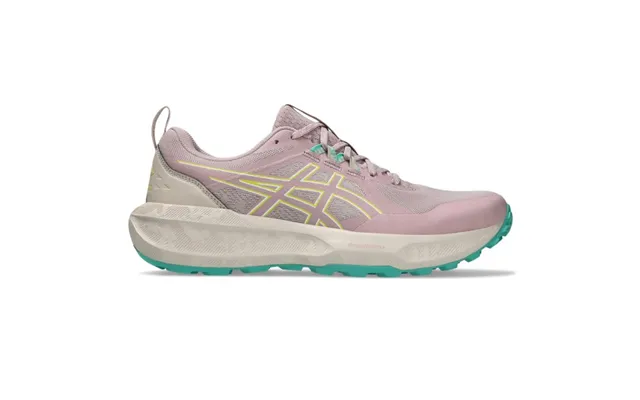
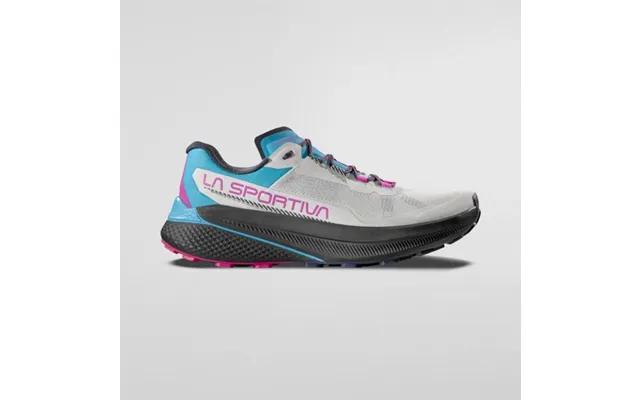
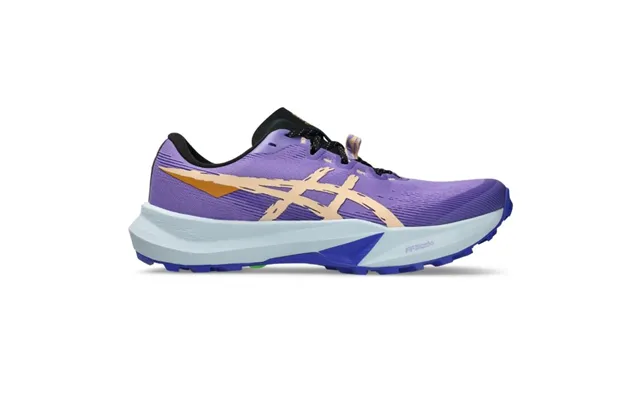
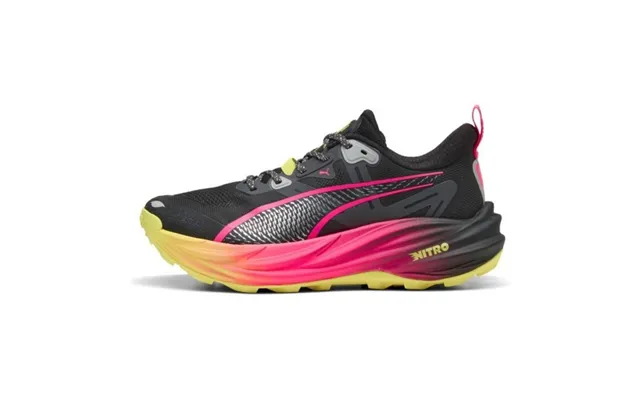
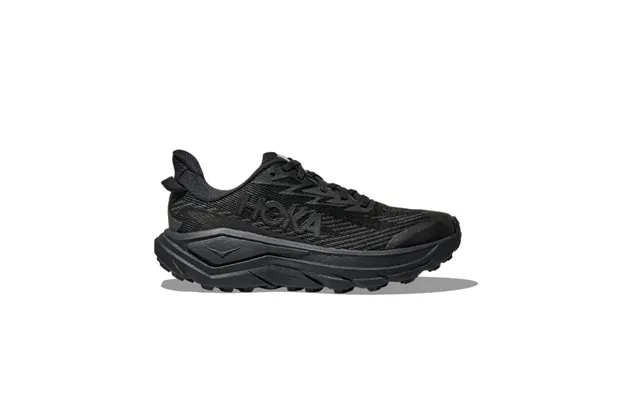
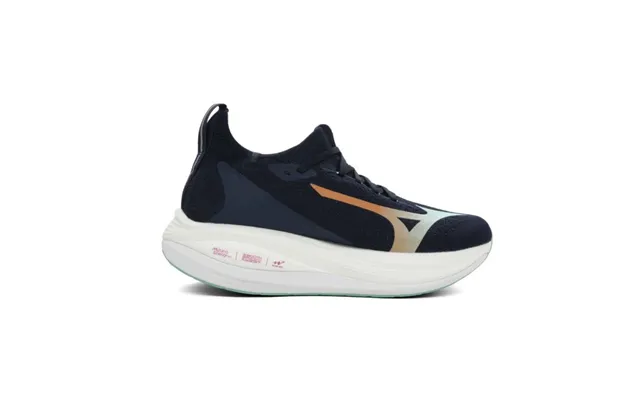
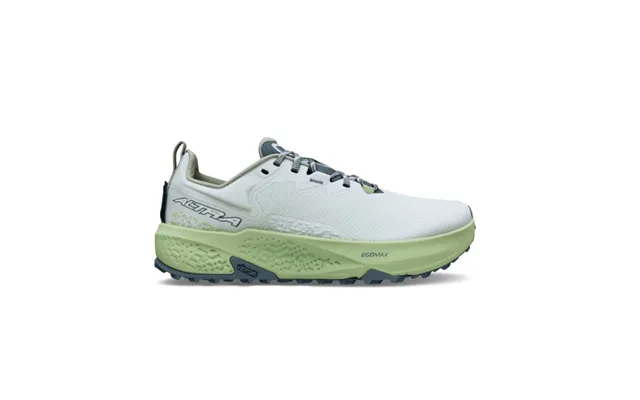
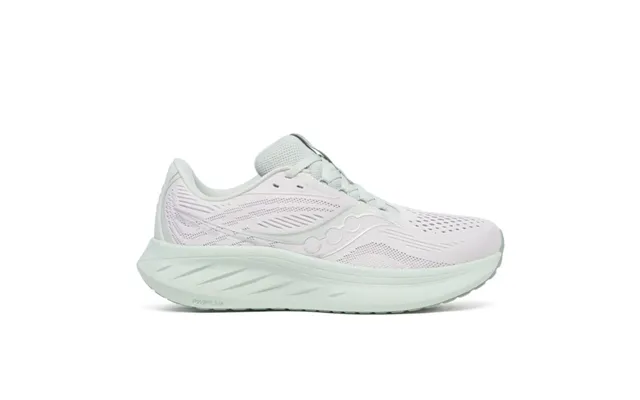
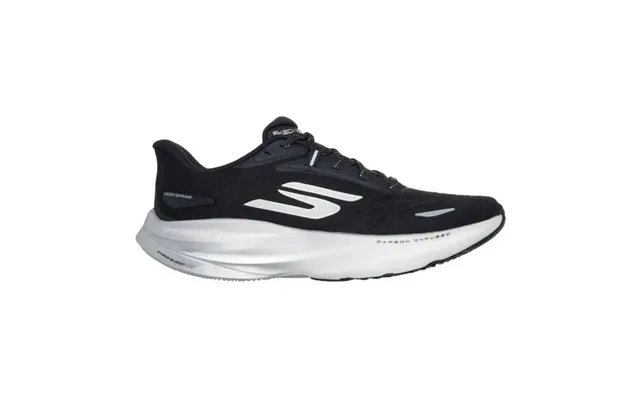
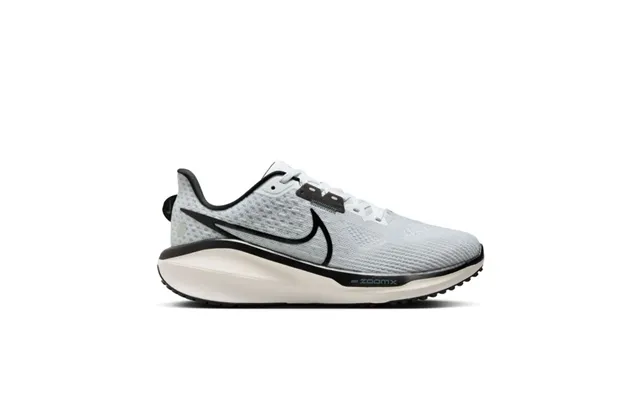
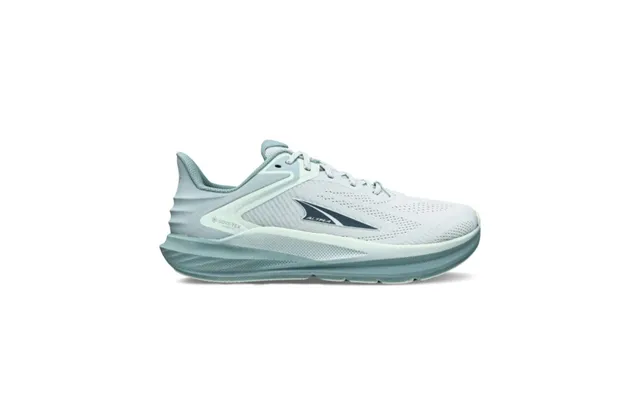
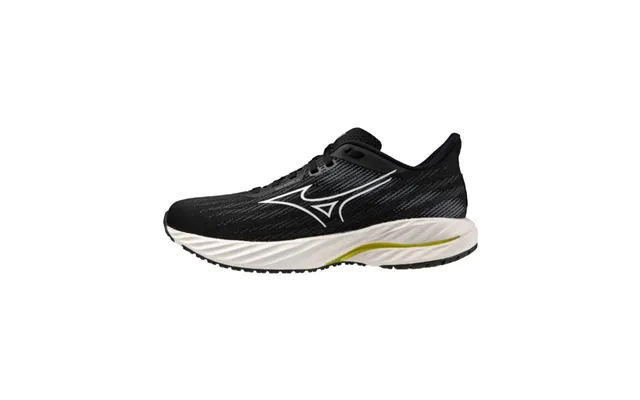
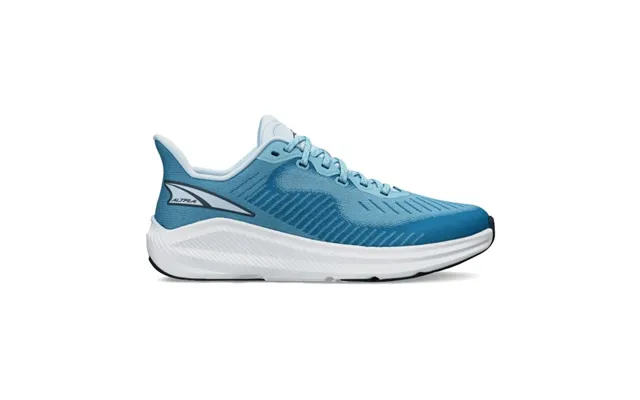
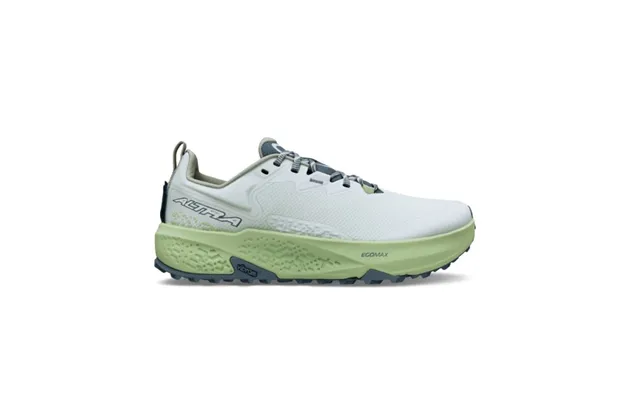
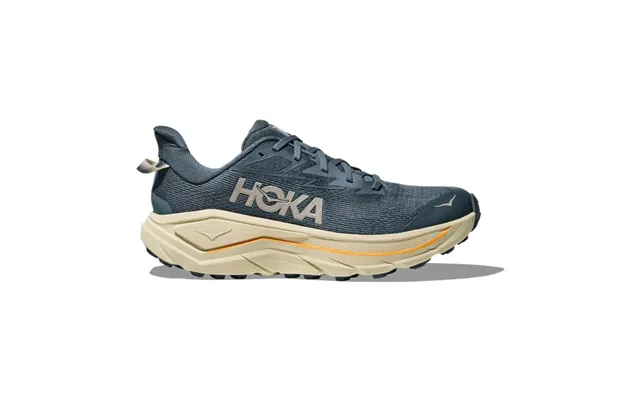
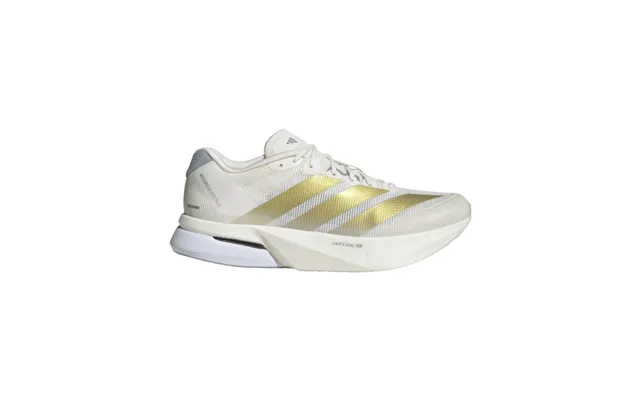
Running shoes are the foundation of any track athlete’s kit. For sprinters, lightweight track spikes with aggressive spike plates can shave precious fractions of a second off the clock; for middle-distance runners, a balance of cushioning and responsiveness matters; and long-distance athletes often prefer more cushioned shoes that still feel lively. Don’t buy on brand alone — look for fit, stack height, and how the shoe matches your foot strike.
Sprint spikes typically have 2 to 6 short, sharp spikes and a stiff plate that favors explosive push-off. Distance spikes often include a bit more cushioning, a slightly softer plate, and room for longer strides. If you compete in multiple events, consider a versatile pair or keep a dedicated pair for racing and a more cushioned trainer for long runs.
If you’re serious about fast starts, investing in adjustable starting blocks is a must. Solid blocks give you a stable platform to push from and allow you to experiment with foot angles and rail tension. Many modern blocks feature quick-release systems and textured pedals for grip. Pair blocks with reaction drills and a stopwatch to shave tenths of a second off your start.
Portable blocks are lighter and ideal for schools, clubs, or athletes who travel to meets. Professional models are heavier, more stable, and built for repeat competition use. Think about where you’ll be using them most: if you move frequently, portability matters; if you train at one track daily, durability might be the priority.
Jump events demand specific gear. Adjustable hurdles let athletes of different ages and levels practice technique safely. High jump requires a reliable crossbar and high-quality landing mats to protect the athlete from hard landings. For long jump and triple jump, consider a runway material that mimics competition surfaces to get used to your takeoff board and landing pit.
Landing mats in the high jump and pole vault should meet safety thickness standards and be covered in tear-resistant vinyl. Railings, foam blocks, and padded takeoff boards help prevent injury during drills. Safety isn’t optional; it’s an investment that pays off by keeping you on the field and out of the physio clinic.
Throwers rely on precision equipment. Shot puts come in different weights measured in pounds; training often includes lighter implements for speed work and competition-weight shots for technique under load. Discuses and javelins vary in material and balance; a well-balanced discus feels like an extension of your arm, while a javelin with the right flex promotes distance and accuracy.
For strength and technique, use training implements that complement your event. A shot put that’s 2–4 pounds lighter than competition weight helps you work on speed and release mechanics, while heavier training shots build strength. Listen to your coach and progress gradually — sudden jumps in weight can lead to technique breakdowns and injury.
Speed training accessories can be deceptively simple but highly effective. Resistance bands, parachutes, and weighted sleds build explosive power. Agility ladders and cones sharpen footwork and coordination. Plyometric boxes and medicine balls — say a 4-pound or 6-pound med ball — are excellent for core power and dynamic strength exercises that transfer directly to sprinting and jumping.
Training aids are tools, not miracles. Use them as part of a periodized plan: speed and power work in the early week, technical sessions midweek, and recovery towards the weekend. Track the total volume in pounds or reps to avoid sudden spikes in load that can lead to muscle strains or tendonitis.
Recovery is where gains are cemented. Foam rollers, percussion massagers, and compression gear help reduce soreness and improve circulation. Cold water immersion or contrast baths—yes, even a simple backyard tub with ice—can help after heavy sessions. Monitoring tools like a reliable sports watch provide heart-rate recovery metrics that show when you’re ready to push again.
Compression garments can aid recovery by supporting blood flow. A quality percussion massager helps break down knots in tight muscles, and a foam roller is a travel-friendly staple. Don’t forget sleep: consistent rest is as crucial as a 20-minute foam-rolling session. Think of recovery tools as insurance for your long-term performance.
Timing accuracy matters. For key sessions, use electronic timing systems or reputable stopwatches that log times to the hundredth of a second. Wearables that track cadence, stride length, and heart rate give context to training loads. Data helps you make smarter adjustments rather than guessing if the session was “hard enough.”
Pick devices that integrate with platforms you already use. If you’re not tech-savvy, a straightforward GPS watch with basic lap and heart-rate functions might be all you need. For coaches and performance analysts, more advanced systems that tie into analytics platforms can provide that extra edge.
Athletic clothing is more than fashion; it affects thermoregulation and comfort. Lightweight, moisture-wicking fabrics keep you cool on a 5-mile tempo run, while windproof jackets protect you during cold-weather sessions. Compression shorts and tops provide muscle support and reduce chafing. Always choose fit and movement over color or logo placement.
In regions where rain and wind are common, a thin breathable shell over a thermal base layer can keep you warm without overheating. Think in layers: base for moisture control, mid-layer for warmth, and outer layer for wind and rain. That way you can peel off or add on based on how the session progresses.
Deals on athletics gear pop up regularly across retailers and comparison platforms. Start by listing must-have features—like spike plate type, weight of throwing implements in pounds, or mat thickness—then compare across trusted retailers. Look for seasonal sales and last-season models for deeper discounts without a big performance compromise.
Not every piece of gear needs to be premium. For example, a basic stopwatch or a mid-range foam roller can perform admirably. Prioritize spending on items that directly affect competition results—spikes, starting blocks, and a reliable training watch—while opting for budget-friendly options for cones, resistance bands, and the like.
On a tight budget? Start with essentials: a sturdy pair of running shoes, basic spikes, and simple training aids like resistance bands and cones. If you have a bit more to spend, invest in premium spikes, a high-quality timing system, and pro-level mats. Think of your kit like a ladder: build a strong base before grabbing the flashy rungs at the top.
Save on accessories you can replace cheaply and splurge on items that directly influence performance or safety. For instance, a higher-grade high-jump mat or professional starting blocks are worth the extra investment because they protect you and improve training quality over many seasons.
Good care stretches the life of your gear. Rinse spikes after muddy sessions and air-dry shoes, keeping them out of direct heat to avoid cracking. Store starting blocks and hurdles indoors when possible to prevent corrosion. Clean and inspect throws frequently; a tiny bend or nick can change flight dynamics dramatically. Little habits like wiping down a stopwatch and rotating spikes for different sessions can add seasons to your equipment.
After practice: brush off dirt, check seams and fastenings, inspect for wear, and store gear in a dry place. Monthly: deep clean shoes and apparel, check mat covers for tears, and oil moving parts on equipment. These small steps are like changing the oil in a car—they keep everything running smoothly.
Different events have different priorities. Sprinters: look for maximum traction and minimal weight. Jumpers: focus on takeoff reliability and mat safety. Throwers: prioritize implement balance and durability. Coaches and parents should consider durability and ease of use for team settings, while individual athletes might prioritize performance features.
Make a short checklist: event-specific gear (spikes, throws), competition clothing (number belt, warm-up), and accessories (tape, gloves, water bottle). Test gear in training weeks before the meet — don’t try a brand-new spike for the first time on race day.
Reviews and comparison tools can point you toward the best value. Look for verified customer feedback that discusses durability and real-world performance rather than just photos. Comparison platforms that summarize features side by side make it easier to spot which piece of equipment offers the most bang for your buck.
Be wary of reviews that focus only on price or that lack specifics about use case. If multiple users cite the same issue—like a spike plate failing after a few weeks—that’s a genuine cause for concern. Conversely, detailed reviews that discuss event type, weather conditions, and athlete weight in pounds are much more useful.
Building a functional athletics kit is a balance of performance, safety, and budget. Invest where it counts, maintain your gear, and use data from timing and wearable tech to guide training choices. Whether you’re a weekend warrior or a serious competitor, the right equipment and smart buying choices help you focus on what matters most: getting faster, jumping higher, and throwing farther.
Now go check your kit, make a small list of upgrades, and prepare to take that next stride. Your future personal best might be one well-chosen piece of gear away.