





All categories
Business & Offices
Electronics & Media
Fashion & Accessories
Groceries & Essentials
Health & Personal Care
Home & Living
Kids & Family
Sports & Outdoors
Search in ZoneOffer
Loading...
If you play or coach baseball or softball, you know the mound is more than a pile of dirt — it’s the launchpad for every pitch, the place where mechanics meet strategy. A good pitching mound improves consistency, protects the pitcher’s body, and helps replicate game conditions in practice. Whether you’re choosing a portable rubber mound for a community field, building an earthen mound in your backyard, or selecting a turf mound for an indoor facility, the right mound can shave weeks off development time and reduce injury risk. Let’s walk through everything you need to know so you can pick or build the right mound with confidence.
Not all mounds are created equal. There are permanent earthen mounds, portable rubber mounds, synthetic or turf mounds, and specialized training mounds. Each has strengths and trade-offs depending on budget, location, portability needs, and the level of play. For example, permanent earthen mounds feel the most natural underfoot but require maintenance. Portable rubber mounds are great for multi-use fields and tournaments. Turf mounds work well indoors and on artificial surfaces. Knowing these types helps you match the mound to your schedule, weather conditions, and facility constraints.
Earthen mounds are what you picture when you think “old-school baseball.” They’re packed clay or soil shaped to the regulation profile and offer ideal traction and feedback underfoot. The downside is maintenance: you’ll need to manage erosion, moisture, and compaction. These mounds are best for fields that host regular games, where the investment in upkeep returns through performance and longevity.
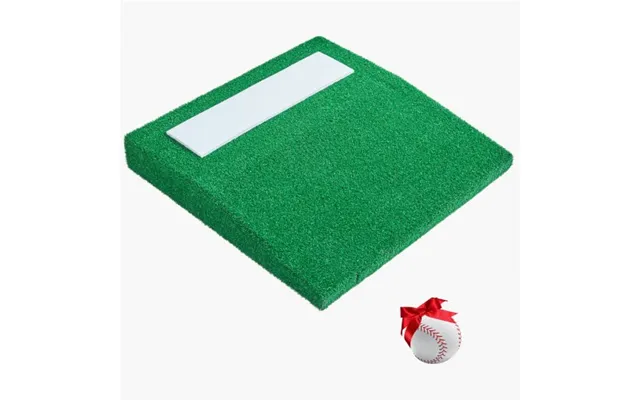
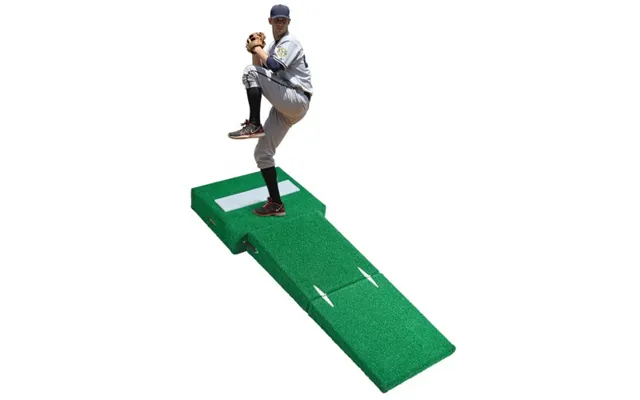
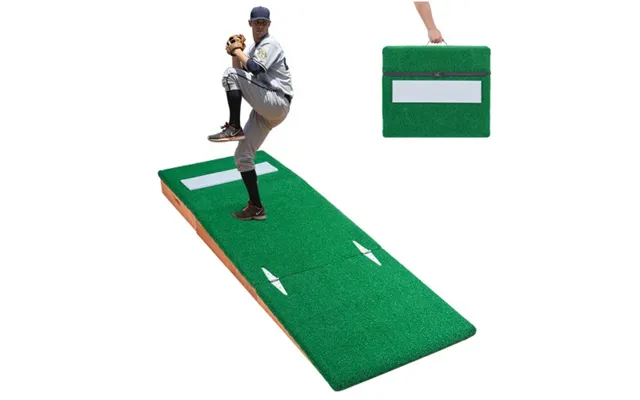
Portable rubber pitching mounds have exploded in popularity because they’re lightweight, consistent, and quick to set up. These units often weigh between a few dozen to a couple hundred pounds and can be moved by two people or with a small cart. A rubber portable mound simulates the slope and firmness of an earthen mound while allowing coaches to reposition it for drills, youth distances, or multi-field tournaments. They’re ideal for parks, schools, and travel ball teams.
Turf mounds pair well with artificial infields and indoor training centers. They are often constructed from foam or rubber cores wrapped in artificial turf, giving a uniform feel regardless of weather. Turf mounds require minimal maintenance, drain well, and are easy to sanitize for high-use facilities. If you’re training year-round or inside, a turf mound is worth strong consideration.
Training mounds are designed specifically for pitchers who need to change distances or heights during workouts. Adjustable pitching mounds allow coaches to simulate youth or advanced distances — for example moving from 46 feet to 60 feet 6 inches for baseball — and sometimes offer variable height settings to mimic different mound profiles. These are great for academies, high school programs, and serious players working on mechanics.
Understanding official distances and heights helps you pick the correct mound for regulation play and for training. Baseball and softball have distinct standards, and youth leagues often use modified distances. If you want game realism, match the mound to the intended competition level.
The most famous measure in baseball is the distance from the pitching rubber to home plate: 60 feet 6 inches at the professional level. The classic mound height sits at about 10 inches above home plate, which gives pitchers leverage and momentum. The pitching rubber itself is roughly 24 inches long and centered on the mound’s slope. For youth baseball, pitching distances commonly range from about 46 feet up to 60 feet 6 inches depending on age group, so many portable or adjustable mounds are designed to accommodate that range.
Softball uses a different approach: fastpitch pitchers throw from much closer distances. For many competitive women’s fastpitch levels, the pitching distance is 43 feet from the pitching rubber to home plate, while youth divisions often use 40 feet or 35 feet depending on age. Softball “mounds” are sometimes flat pitching circles with a rubber or plate at the center, and the surface profile will vary more than baseball mounds. Always check your league rules when choosing or building a softball pitching surface.
Shopping for a pitching mound is a mix of technical specs and practical choices. Prioritize the features that make the mound suit your field, your budget, and your training goals. Below are the most important factors to weigh before you buy.
Materials determine how a mound will feel and last. Natural clay gives authentic traction but wears and scuffs easily. Rubber and synthetic cores offer consistent footing and withstand heavy use. When you’re comparing options, look for UV-resistant turf, tough rubber composites, and reinforced edges to stand up to cleats and weather.
If you need to move the mound frequently, weight becomes critical. Portable rubber mounds can range from light-enough-for-two people models to heavier units requiring a hand truck. Check whether the mound breaks into pieces or includes handles or wheels. Lightweight options typically trade off a bit of realism in feel but win on convenience.
Quality pitching rubbers are important — they should be secure, level, and sized correctly for the competition. Some portable mounds have removable rubbers for switching distances, while others integrate the rubber permanently. Also consider whether extra plate options or replaceable rubbers are available to extend lifespan.
Consider how the mound stands up to rain, sun, and freeze-thaw cycles. Rubber and synthetic mounds usually drain better and require less daily care, while earthen mounds need grooming, packing, and sometimes cover systems. If you can’t commit to daily maintenance, a synthetic or portable option will save time and headaches.
Pick a mound by matching it to your most common use case: games, practices, travel tournaments, or indoor training. For community fields that host many age groups, a portable, adjustable mound gives flexibility. Schools and colleges that play regularly may invest in a high-quality permanent or turf mound. And for winter or off-season training, a turf or synthetic mound in a controlled environment keeps development consistent.
If you’re handy, building a backyard mound can be rewarding and affordable. Start by ensuring you have the right footprint and materials, and plan to commit to a bit of maintenance. Below are the essentials to get a usable and safe practice mound in your yard.
Gather clay or builder’s soil, a pitching rubber, a tamper or plate compactor, shovels, and a level. For a permanent mound you’ll want forms for shaping the slope and possibly landscape fabric to prevent weed growth. If you’re building on a lawn, remove sod and begin with a compacted base to prevent settling. Keep in mind the dimensions: position the pitching rubber at the desired distance from the home plate area — for many backyard setups that’s somewhere between 46 feet and 60 feet 6 inches depending on who will use it.
Outline the mound footprint, build up the core with compacted fill, shape the slope to approximate regulation angles (gentle rise leading to the rubber), place the pitching rubber securely, and finish by tamping the face and landing area. Allow the mound to settle and add material as needed. If you want a low-maintenance alternative, build a turf mound over a compacted base and install a durable rubber rubber plate for the pitcher’s spot.
Even the best mound will degrade without care. A simple maintenance routine protects the investment, improves safety, and ensures predictable ball flight and footwork.
After each practice or game, brush the landing area to redistribute material, check the pitching rubber for secure mounting, and inspect for ruts or divots. Light watering helps compact earthen mounds but avoid puddles; excessive water softens the surface. For portable or turf units, clear debris and brush the turf fibers to keep traction consistent.
At the start and end of each season, examine the mound for compaction or erosion and add material as needed. For earthen mounds, re-pack and re-shape the crown and slope. For synthetic mounds, check seams, replace worn rubber components, and inspect drainage systems. Proper offseason storage for portable mounds (ideally under cover) will dramatically extend their service life.
A mound can be a training tool, not just a game surface. Use it to fine-tune balance, stride, and release points. Here are a few practical drills you can do with different mound types to build repeatable mechanics.
Start pitchers on flat ground or at shortened distances to focus purely on arm action and rhythm. Portable mounds are perfect for this — move the mound closer or remove the slope to force pitchers to use proper arm mechanics without compensating with stride length. These drills are especially useful for rehabbing arms or teaching younger players.
Once mechanics look good, have pitchers work from the regulation distance using the mound’s full profile. Use balance drills where the pitcher pauses at the top of their motion, or do pitcher-specific plyometrics on turf mounds to build explosive drive while protecting joints. Consistent repetition on the same mound builds muscle memory and confidence.
Budgets vary, so decide early what matters most: realism, portability, or low maintenance. Spend on a quality pitching rubber and secure base — those items wear out first. Save by buying portable or used mounds if you can’t justify a permanent installation. Comparison shopping, seasonal sales, and pre-owned equipment from schools upgrading their facilities are great ways to find bargains. If you run a program, pooling resources with nearby teams can be a smart move.
The pitching mound is the heart of the pitching experience. Whether you’re buying a portable rubber mound to travel with your team, building an earthen mound for authentic feel, or installing a turf mound for year-round indoor work, choose the option that fits your users, your field, and your maintenance capacity. The right mound makes training more effective, reduces injury risk, and gives pitchers a consistent platform to grow their craft. Think of the mound as an investment in every pitch you’ll ever throw — get it right and the rest follows.
| Baseball & Softball Pitching Mounds | Price | |
|---|---|---|
| Vevor Pitching Mound - Portable Baseball Pitcher's Mound | £ 62,90 | |
| Vevor Pitching Mound - Portable Baseball Pitcher's Mound | £ 138,90 | |
| Vevor Pitching Mound - Portable Baseball Pitcher's Mound | £ 159,90 |

