

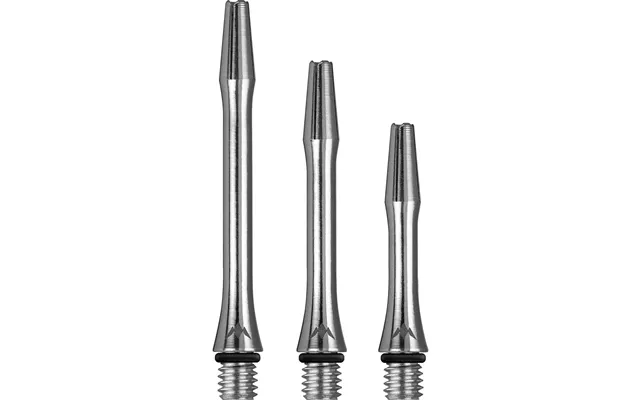
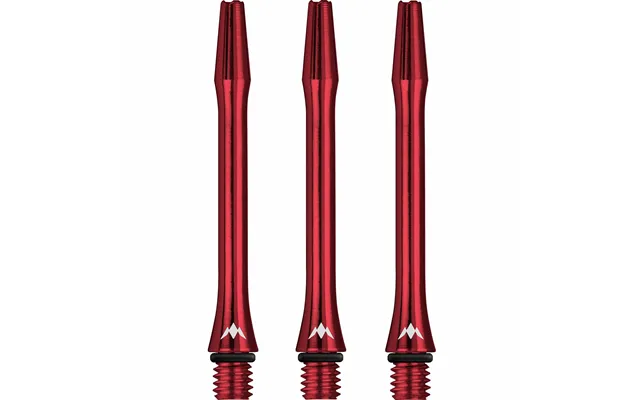
Lacrosse Stick Parts price list
Last updated Monday, 19 Oct 2026
| Lacrosse Stick Parts | Price |
|---|---|
| Mission Alicross Stems - Shafts | £1.75 |
| Mission Alicross Stems - Shafts | £1.75 |
| Mission Alicross Stems - Shafts | £1.75 |





Loading...
Last updated Monday, 19 Oct 2026
| Lacrosse Stick Parts | Price |
|---|---|
| Mission Alicross Stems - Shafts | £1.75 |
| Mission Alicross Stems - Shafts | £1.75 |
| Mission Alicross Stems - Shafts | £1.75 |
Think of a lacrosse stick like a car: a great engine only takes you so far if the tires are flat. The head, shaft, mesh, and stringing all work together to deliver control, accuracy, and power. Swap one part and you can change the whole feel of your game—sometimes for the better, sometimes not. Whether you’re a beginner tinkering with your first stick or a veteran chasing every edge, understanding the parts helps you make smarter upgrades and longer-lasting repairs.
Before you buy parts, it helps to know what each one actually does on the field. Below I break down the main components so you can decide which upgrade or replacement will give you the biggest payoff.
The head determines how the ball sits, how it releases, and how forgiving your control is. Offensive heads typically have a narrower design for quick throwing and cradling, while defensive heads are wider for better checks and ground ball control. Goalie heads are a whole different animal—much wider and designed to catch instead of cradle. Picking the right head is like choosing the right brush for a painting: the tool shapes the result.
Shafts influence shot power, poke-checking, and balance. Aluminum shafts are budget-friendly and durable, but can dent and feel stiff. Composite shafts are lighter and absorb vibration, giving you crisper shots that feel smoother in your hands. Some players prefer a heavier stick for stability; others want the lightest shaft to boost speed. Shaft lengths vary too—attack players often use a shorter shaft for maneuverability, while defenders carry a longer shaft to increase reach and defensive coverage.
Mesh type affects hold and release. Denser mesh (more diamonds or higher mesh count) holds the ball longer, improving control for dodging and stick skills. Softer or more open mesh delivers quicker releases and longer throws. The pocket—its depth and placement—also matters for accuracy and feel. A well-placed pocket can be the difference between hitting a crease pass and bouncing it off the turf.
Stringing ties everything together. Sidewall strings secure the mesh to the head, shaping the pocket, while shooting strings influence the ball’s release point and pocket whip. The number, placement, and tension of shooting strings allow you to customize release speed and accuracy. Re-stringing your head can transform a worn stick into a precision tool without buying a brand-new setup.
Small parts make a big difference in feel and safety. Butt ends prevent the offensive hand from slipping off the shaft and can be swapped for tactical advantages. Grips—either built-in or added tape—affect how securely you hold the stick in wet conditions or after long practice sessions. Don’t underestimate the comfort of a well-taped handle; it can stop blisters and improve stick control.
When shopping for replacement parts, ask yourself a few quick questions: What position do I play? Do I need more control or more release speed? Is durability or weight my priority? Answering these will point you to the right head shape, mesh type, and shaft composition. Also check compatibility—some heads and shafts use specific throat designs or screw sizes, so make sure parts fit before you buy.
You don’t always need a full stick overhaul to see improvement. Here are a few high-impact upgrades that often pay off faster than you’d expect.
Swapping mesh is one of the quickest ways to change how your stick plays. If you want better ball retention for dodging, choose a stiffer or denser mesh. If your priority is a sharp, quick release for passing or shooting, go for a softer or more open mesh. Mesh upgrades are both affordable and easy to install, making them ideal for players on a budget.
A lighter composite shaft can shave off a few ounces—enough to make cradling and shooting feel faster. If you’re struggling with vibration or feel, a new shaft with a different flex profile can make your shot more accurate. Keep in mind warranties and durability: some lightweight shafts may sacrifice long-term toughness.
Custom stringing can dial in your release point, increase whip for deceptive shots, or flatten your release for more predictable passes. Think of stringing like tuning an instrument: small adjustments make the stick sing. If you’re not comfortable doing it yourself, many local shops or stringers can set up a pocket based on your requests.
Think of repairs and replacements like triage. Replace the parts that change performance most—the head, the mesh, the shaft—if you want real gains. For smaller issues, like frayed strings or a loose butt end, budget repairs get you back on the field without breaking the bank. Premium parts make sense when you need lower weight, specific flex characteristics, or advanced head geometry for specialized roles.
Taking care of your parts extends their lifespan and keeps your stick performing. A little maintenance can make a big difference, and you don’t need a degree in engineering to do it.
Re-stringing takes practice, but the basics are simple: you need a stringing needle, quality strings, and patience. Start by trimming the old strings, tie the main pocket knots securely, and tension the sidewall strings consistently to avoid uneven pockets. Be mindful of shooting string placement—move them up or down incrementally until the release feels right.
Small dents in aluminum shafts can sometimes be smoothed out with a rubber mallet and a protective sleeve, but deep cracks generally mean replacement. If the nose screw on the head (where the head meets the shaft) gets loose, tighten it and add a small drop of threadlocker to prevent repeated loosening. Check your parts regularly to catch minor issues before they become costly.
Pocket placement influences everything from ball retention to legal compliance with league rules. High pockets offer softer holds and can be illegal in some divisions, while mid pockets balance control and speed. Low pockets give a faster release but may require more skill to control. Your position, age, and league rules should guide the choice—attackers often favor mid to high pockets for control, while defenders prefer flatter, quicker setups.
Upgrading stick parts is great, but pairing those upgrades with the right accessories completes the setup. Lightweight gloves with good finger mobility improve stick feel while protecting your hands. Protective headgear and throat guards for goalies can prevent injuries and give you the confidence to make aggressive plays. Don’t forget sweatband grips or performance tape to maintain a consistent hold in wet weather.
Buying the cheapest part without checking compatibility is the most common mistake. Also, avoid swapping parts only because they look cool—performance differences matter more than appearance. Finally, don’t neglect league rules; some pockets, head measurements, or shaft lengths might be illegal in organized play, which can lead to penalties if you’re not careful.
Comparison sites and specialty dealers are your best friends when shopping for parts. They let you compare specs, prices, and reviews side by side so you can spot sales or bundles. Look for seasonal discounts—off-season periods often bring the best prices on heads and shafts. If you’re buying used parts, inspect them carefully for cracks, bent shafts, or shred mesh.
Your position influences the parts that will help most. Attackers usually favor narrow heads and softer mesh for precision and quick shots. Midfielders need balance—durable shafts and mid-range pockets. Defenders want wider heads and stiffer shafts for checks and ground balls. Goalies need large, well-strung heads and shock-absorbing shafts to protect their hands during saves.
If you’re into sustainability, look for brands that offer repair kits or recyclable components. Re-stringing and swapping mesh yourself reduces waste and saves money. Some players even refurbish older heads by reshaping sidewalls and installing new mesh, which can be a satisfying project and keep usable gear out of the landfill.
There’s a lifespan for every part. When your shaft has deep cracks, or your head is warped beyond repair, replacement is a safer and more cost-effective option than repairing a failing component repeatedly. As a rule of thumb, replace parts that compromise safety or consistent performance rather than patching them and hoping for the best.
Always test new parts during practice to make sure they match your style. Take a few passes, ground balls, and shots to fine-tune stringing and grip. If something feels off, you’ll have time to adjust before an actual game. Consider keeping a spare set of shooting strings and an extra butt end in your bag for quick field repairs.
Understanding lacrosse stick parts opens up a world of customization that can elevate your play. Small swaps like new mesh, adjusted shooting strings, or a lighter shaft can deliver noticeable gains in control, speed, and comfort. Keep your eyes on compatibility, prioritize durability for positions that take more abuse, and don’t be afraid to experiment with stringing and pocket setups. With a few smart upgrades and routine maintenance, your stick can stay responsive and reliable season after season.