

Sports & Agility Cones price list
Last updated Monday, 19 Oct 2026



View 8 Offers

Loading...
Last updated Monday, 19 Oct 2026
If you want to improve speed, agility, and footwork without a gym membership, cones are your secret weapon. They’re cheap, portable, and endlessly versatile — perfect for backyard workouts, team practice, or park sessions. Whether you’re training for soccer, football, lacrosse, or just trying to level up your conditioning, a few cones can turn a flat patch of turf into a purpose-built training arena.
Not all cones are created equal. From tiny flat discs to tall, weighted markers, each style serves a different purpose. Knowing the options helps you pick the right set for the drills you run most often.
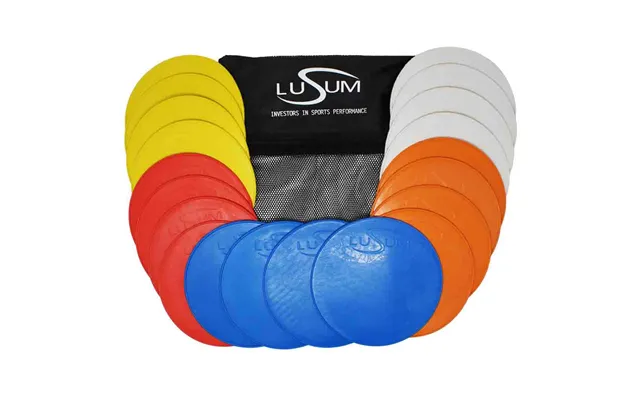
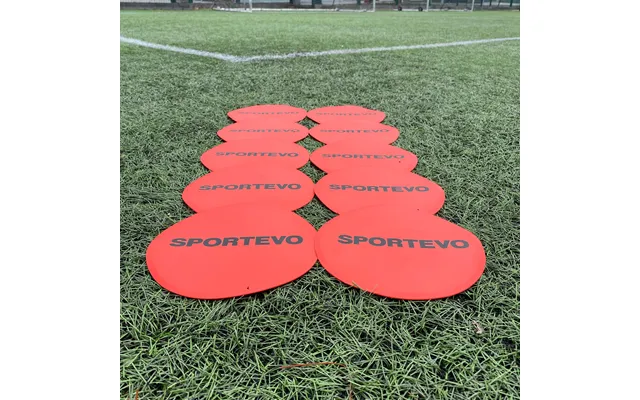
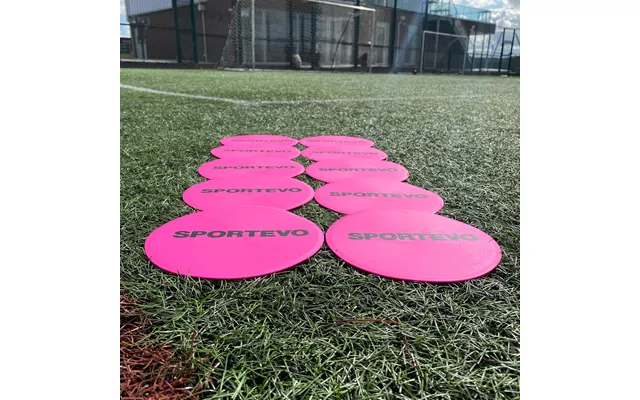
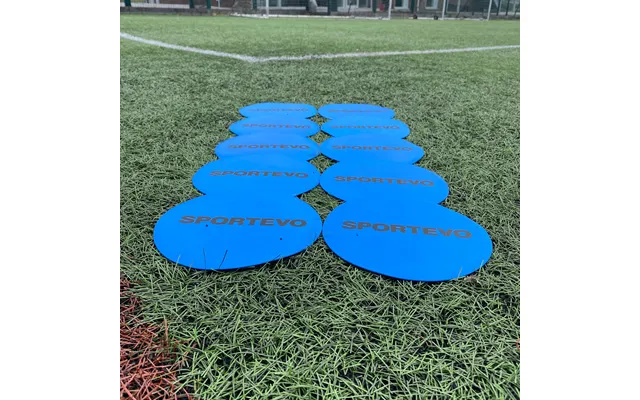
Mini cones, often called flat markers, usually measure between 1 inch and 3.5 inches tall and sit nearly flush with the ground. They’re ideal for agility work where you want quick, low-profile targets — think shuttle runs, speed drills, or soccer dribbling patterns. Because they’re low, they’re less likely to catch a player’s foot and are great for small-space training.
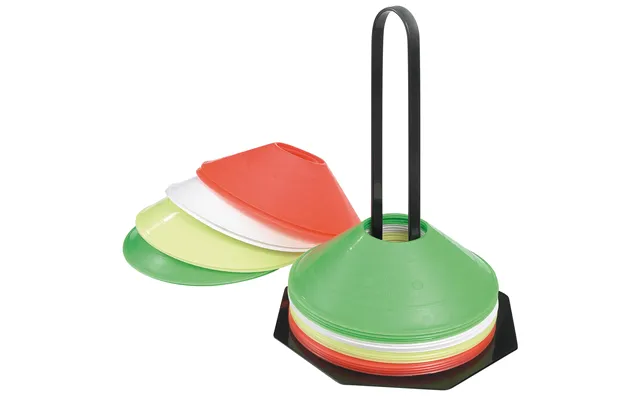
Stackable cones that are 5 inches, 7 inches, and 9 inches high are the most common for multi-sport training. The 9-inch cone is a classic marker for fields and gyms; it’s tall enough to be seen from a distance but light enough to stack and carry easily. Smaller 5-inch and 7-inch versions are handy for youth training and tight drills where visibility matters but footprint must be small.
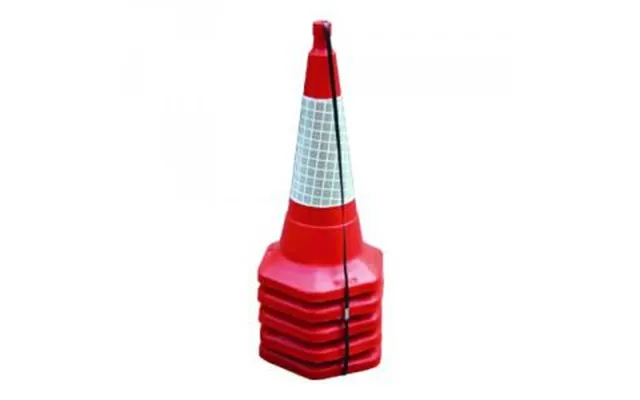
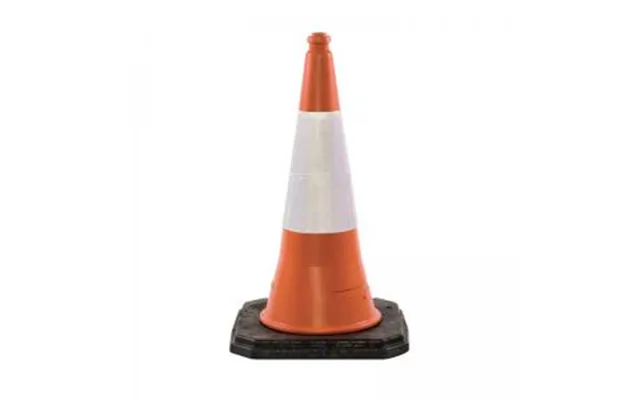
For drills requiring clear lane markers or safety limits, taller traffic-style cones and markers (typically 12 inches to 18 inches, though some tall cones reach 24 inches) are helpful. These are great when you need a visual barrier for running lanes, parking lot sprints, or boundary markers for large groups.
Weighted-base cones and rubber cones are tougher on windy days or rough surfaces. These cones often weigh more, which keeps them from tipping during fast change-of-direction drills. If you train on hard ground or frequently leave gear outdoors, selecting a cone with a heavier base or a durable rubber body extends the life of the equipment.
Cones shine on their own, but pairing them with slalom poles, mini hurdles, and speed ladders multiplies the training possibilities. Slalom poles usually range from 6 feet to 7 feet tall and create weaving courses; hurdles can be set at 6 inches, 9 inches, or 12 inches for bounding work; ladders commonly come in 12-foot or 15-foot lengths for short, intense footwork sets.
Picking cones isn’t just about color. Think about your sport, the surfaces you train on, how many people you coach at once, and how often you travel with gear. Ask yourself: do I need durability, portability, or both?
PVC and soft plastic cones are light and affordable, but they can crack under intense use or in freezing weather. Rubber cones and blended materials tend to be more robust and handle outdoor storage better. If you’ll be using cones on asphalt or in extreme climates, favor heavier-duty materials that can take a beating without splitting or warping.
Bright colors — neon orange, yellow, and lime green — boost visibility in low-light and crowded settings. Many sets include multiple colors so you can color-code drills: red for start/stop, yellow for change-of-direction, blue for target zones. Reflective bands are a plus if you train at dusk or dawn.
Size decisions depend on drill type and athlete age. For kids or tight footwork drills, 5-inch cones often work best. For general practice and field layouts, 9-inch cones are the go-to standard. If you need lane markers or safety barricades, consider 12-inch or taller cones. When referencing cone heights, remember to stick to inches and feet — not centimeters — if you’re working with imperial measurements.
You don’t have to break the bank to get a solid set, but spending a little more on durability pays off over time. Here’s a breakdown of what to expect at different price levels.
Cheap PVC stackable cones are perfect for casual players and starter kits. They’re light and usually sold in bulk (20, 50, or 100 packs), which is great for group drills. Expect them to be less durable on rough surfaces, but they’re excellent for occasional use and indoor practice.
Mid-range sets often include a mix of cone sizes, a carry bag, and sometimes poles or mini hurdles. These sets strike a balance between portability and longevity; you’ll find sturdier materials, better color options, and accessories that make a coaching session smoother.
Pro-grade cones and marker systems use high-density rubber or reinforced plastic and typically come with storage cases or wheels. These are designed for daily team use and for coaches who need a reliable setup that survives heavy wear. If you coach multiple teams or run frequent outdoor sessions, investing in premium gear is worth considering.
Cones are the Swiss Army knife of drills. They create shape, direction, and rhythm — all of which build athleticism fast. Here are specific, easy-to-run drills to add to your next practice.
Place cones 5 feet apart in a zigzag pattern and weave through them at max effort. This drill improves quick footwork and body control. Start with 3 repetitions of 20 seconds, then rest for 40 seconds — adjust for fitness level.
Set cones to form a T: one cone at start, three cones 5 feet apart perpendicular. Sprint forward, shuffle left, shuffle right, and backpedal to the start. This builds multi-directional speed and is great for defensive footwork.
Place four cones in a square with 10 feet between each. Sprint forward to the first cone, side-shuffle to the second, backpedal to the third, and side-shuffle back. This mimics the stop-start nature of many sports and strengthens control under fatigue.
For soccer or hockey, place mini cones 2 feet apart and dribble through them using both feet or hands. This sharpens close control and agility under pressure. Gradually increase speed as technique improves.
Organization turns chaos into progress. A few small setup habits make sessions efficient and safe — and athletes learn faster when routines are consistent.
Always start with dynamic movement: high knees, hip openers, and jogging for 5 to 10 minutes. Move from slow technical reps with cones to full-speed sprints so athletes rehearse proper mechanics before pushing intensity.
Spacing depends on the goal: use 3 to 5 feet for tight footwork, 5 to 10 feet for acceleration drills, and 10 to 20 feet for sprint and shuttle runs. Keep repetitions short and high-quality — 4 to 8 reps per set with full recovery between sets often works best for power and speed.
Taking care of cones extends their life and keeps players safe. Basic upkeep is fast and pays off over seasons.
Rinse plastic cones with water to remove dirt; use mild soap for sticky residue. Prolonged sun exposure can make plastics brittle, so store cones indoors or in a shaded container when not in use to prevent fading and cracking.
Stack cones to save space and carry them in a mesh bag or padded case. For heavy rubber cones, consider a wheeled container to avoid lifting strain when transporting to fields that are a long walk away.
Place cones on flat surfaces when possible to reduce tripping risks. If you train on hard surfaces, use softer mini cones to minimize abrasion to cleats and shoes. Replace cones with visible cracks or missing pieces to keep drills safe.
When comparing sets, look for features that match your training needs. The right combination saves you money and hassle.
A useful set usually contains 20 to 60 cones in multiple colors, a carrying bag, a few taller markers or poles, and sometimes mini hurdles or a short speed ladder. If you coach teams, consider buying multiple sets to reduce downtime between groups.
Reflective bands for low-light training, weighted bases for outdoor stability, and durable carry cases for easy transport are small touches that make a big difference in day-to-day use. Also check whether replacement parts like poles or bases are sold separately.
Shop smart by comparing options on reputable comparison sites and reading customer reviews. Look beyond the headline price — factor in accessories, warranty, and material quality. A slightly higher upfront cost for a durable set often beats repeated replacements of cheap cones.
Focus on comments about durability, stacking, and how well cones hold up outdoors. Ignore reviews that only talk about packaging unless you’re buying online and packaging affects returnability. Look for repeat buyers — their experience indicates long-term satisfaction.
Agility cones are one of the simplest yet most effective investments you can make in athletic training. From mini flat markers for tight footwork to heavy-duty rubber cones that survive outdoor seasons, the right equipment helps you coach better, train smarter, and see measurable gains. Think about your sport, where you train, and how often you’ll use the gear, then choose a set that balances durability, portability, and price. With a few cones and a bit of creativity, you can build workouts that boost speed, coordination, and confidence — all on your own time.