





All categories
Business & Offices
Electronics & Media
Fashion & Accessories
Groceries & Essentials
Health & Personal Care
Home & Living
Kids & Family
Sports & Outdoors
Search in ZoneOffer
Loading...
If you or your young gymnast spends hours flipping, swinging, and tumbling, protective gear is not optional — it's essential. This guide walks you through the must-have items, how to pick the right size, what materials last longest, and how to compare prices so you get maximum protection without overspending. Think of it as a coach in your pocket: practical, friendly, and ready to help you shop smarter for gymnastics protective gear.
Gymnastics is a high-skill sport that pushes balance, strength, and flexibility to the limit. Protective gear reduces the chance of blisters, sprains, and long-term wear on joints, letting athletes train harder and recover quicker. Safety gear is like a seat belt — you may not need it every second, but when you do, you’re glad it’s there. The right combination protects skin, supports joints, and improves grip so skills progress faster and with fewer setbacks.
Not every gymnast needs every piece of equipment, but most athletes benefit from a few core items. Below are the essentials that serious gymnasts and casual hobbyists alike should consider.
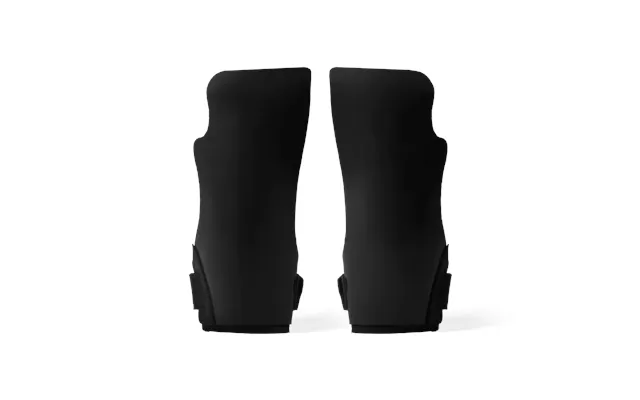
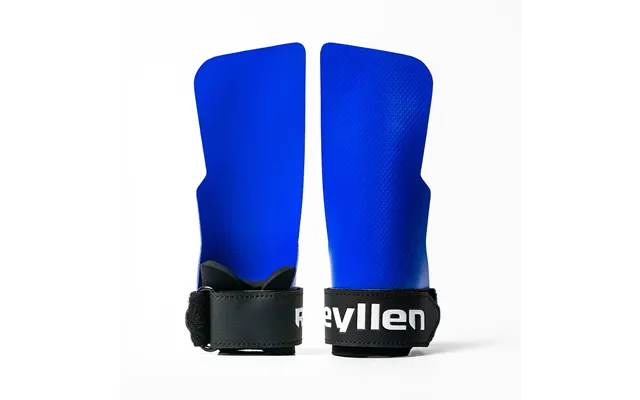
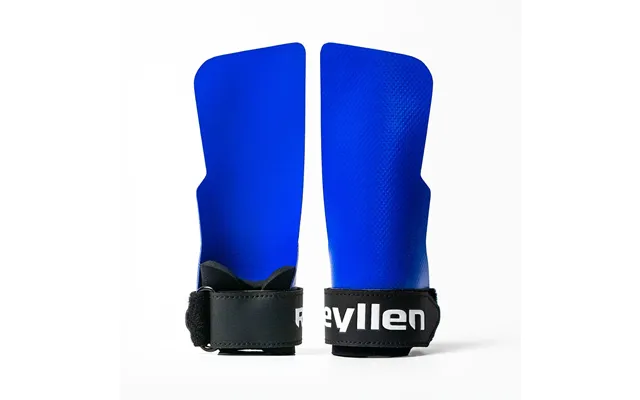
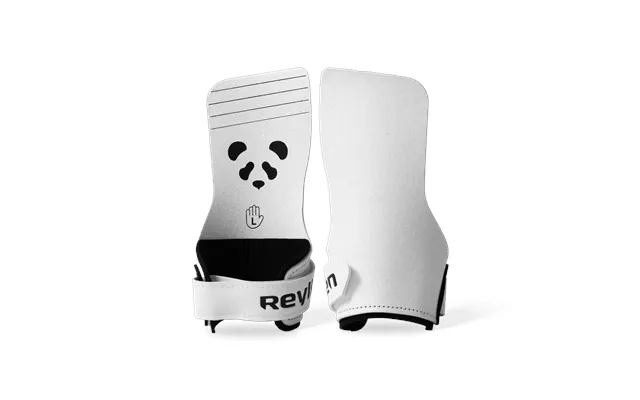
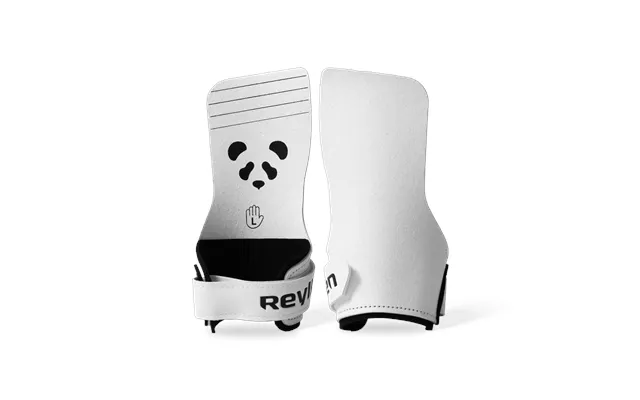
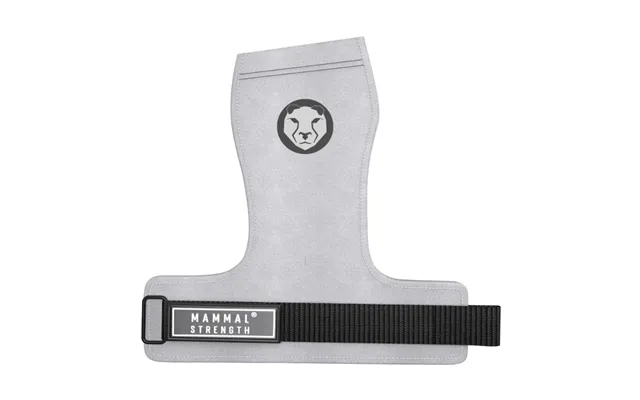
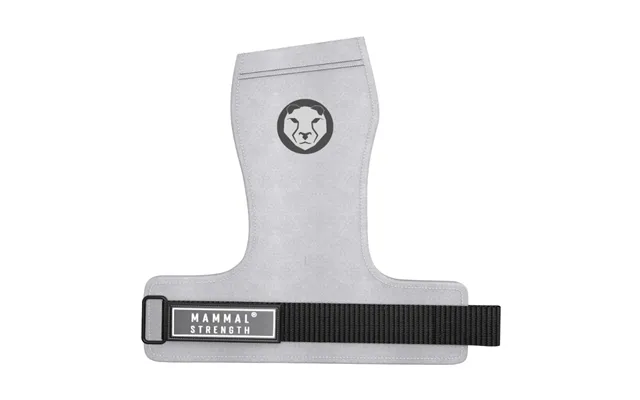
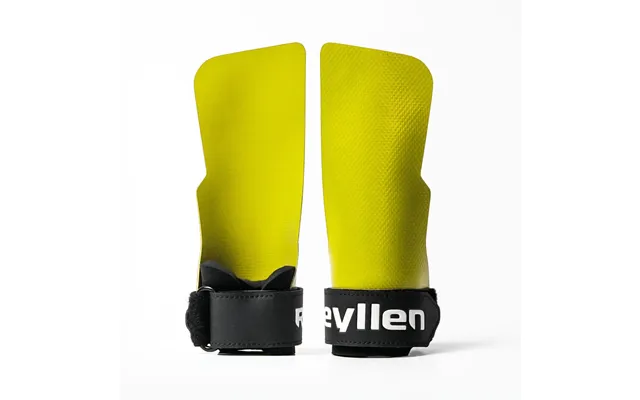
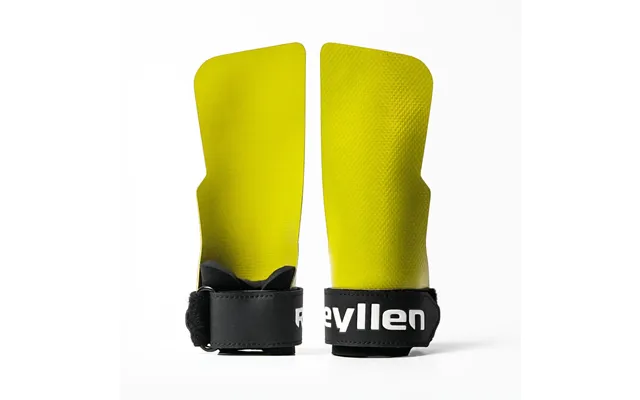
Hand grips are the classic protective item for bars and rings. They protect skin from rips and improve hold on leather or tape-covered bars. Grips come in sizes based on wrist circumference and length of leather between the wrist and finger holes, usually measured in inches. Leather grips mold to your hands over time, while synthetic options often break in faster and are easier to clean. Choose a style that matches your event — longer grips for high-level bar work, shorter ones for everyday practice.
Wrist guards stabilize the joint during impact and twisting movements, which is especially helpful for vaulting, tumbling, and skills on the uneven bars. Look for guards with adjustable straps and a low-profile splint that doesn’t interfere with hand placement. A snug fit is key: too loose and the support won’t work; too tight and it will cut circulation. Many guards are sized by wrist measurement in inches.
Landing awkwardly can lead to sprained ankles, so ankle braces are a smart addition for gymnasts with prior injuries or those increasing their tumbling complexity. Choose a brace that gives lateral support without limiting plantar flexion — you should still be able to point your toes. Compression sleeves can reduce swelling and improve proprioception for athletes returning from minor sprains.
Knee pads protect against mat burns and compressive force during drills that require kneeling or sliding. For younger gymnasts or those who train on harder surfaces, thin knee pads that add padding without bulk are ideal. Compression shorts and briefs provide core support and can reduce chafing during long sessions.
Balance beam work can be brutal on toes and the metatarsal area. Beam pads and toe sleeves add a cushion layer that still lets you feel the apparatus. Foot pads are great for beginners getting comfortable with the beam and for older athletes rehabbing from foot injuries. They’re measured by thickness in inches — a 1/4-inch pad will feel different than a 1/2-inch pad, so test comfort versus feeling.
Tape is the unsung hero of gymnastics. Finger tape protects from tape cuts and can provide extra grip and support for fragile finger joints. Grips tape, or athletic tape, can be wrapped under grips for a customized fit or used to secure wrist guards. Opt for durable tape that holds through sweaty sessions but removes without tearing the skin.
Mats are the first line of defense for impact injuries. For home training, a folding mat of at least 2 inches thick works for basic conditioning and stretching. For tumbling and vault drills, thicker mats — 4 to 6 inches or more — are safer. Crash mats used for learning high-difficulty skills often measure several inches thick and should be used with supervision. Mat firmness matters as much as thickness; too soft and you lose stability, too firm and you increase impact forces.
Buying protective gear is like buying shoes: fit matters. Ill-fitting gear can be worse than no gear at all because it shifts during movement and creates new hazards. Here’s how to measure and choose correctly.
For hand grips, measure wrist circumference in inches and the distance from the base of the wrist to the tip of the middle finger. Many manufacturers list sizes by wrist size; others use grip length in inches. If between sizes, choose the larger size for comfort and the smaller for a tighter feel once the leather breaks in.
Measure the narrowest part of your wrist in inches. If the guard covers part of the forearm, also measure the forearm circumference near the guard’s top edge. Adjustable straps are helpful for fluctuating swelling during intense sessions. Ensure the guard allows full finger extension so it doesn’t interfere with holds.
For home conditioning, a 2-inch mat is fine; for tumble training, aim for 4 to 6 inches of quality foam. Gymnastics centers often use mats up to 12 inches for vault landings and higher-risk drills. Remember: thickness alone doesn’t guarantee safety — foam density and construction are equally important. Ask how firm the mat feels when you press down, and look for laminated or layered designs for better shock absorption.
Gymnastics gear endures sweat, friction, and frequent washing, so quality matters. Leather grips should be full-grain or top-grain for durability; avoid thin split leathers that tear quickly. Synthetic materials like neoprene and high-grade polyester blends offer good durability and easier care. For mats, closed-cell foam resists moisture and keeps its shape longer than open-cell foam. Reinforced stitching, heavy-duty Velcro, and double-layered stress points signal higher build quality.
Training gear prioritizes durability and comfort, while competition gear focuses on minimal bulk and aesthetics. For example, training grips might be thicker and reinforced to last through daily sessions, whereas competition grips could be thinner to maximize bar feel. Likewise, support braces used in training may be larger than the low-profile supports allowed in competitions. Know the rules of your federation; some competitions restrict certain kinds of protective gear.
Cleaning and proper storage extend the life of your gear significantly. Leather grips should be air-dried and conditioned occasionally with leather care products — never leave them in a damp gym bag. Neoprene braces can usually be hand-washed in cool water and hung to dry. Mats should be wiped with a disinfectant that won’t degrade the foam; check manufacturer recommendations. Replace gear when stitching frays, padding compresses, or the material splits. A small tear can grow into a safety hazard fast.
Protective gear comes in a wide price range, and higher cost doesn’t always mean better performance for your needs. Start by listing what you truly need based on training volume and skill level. Compare prices and read reviews, paying attention to durability reports rather than just the cheapest option. Many comparison sites aggregate “popular offers” and provide price lists so you can see where to get the best balance of quality and value. Sign up for alerts during off-season months when retailers clear inventory — that's when you’ll find the deepest discounts.
Small extras can make a big difference in comfort and longevity. Here are accessories that often pay for themselves over time.
Chalk improves grip by reducing moisture on the hands. Block chalk lasts longer and can be broken down into powder, while liquid chalk dries quickly and reduces airborne dust. Chalk bags keep chalk handy and reduce clean-up.
Some grips use replaceable dowels or pads that absorb impact. Buying inserts can be cheaper than replacing entire grips. Check whether your grip model supports replacements before investing.
Dedicated gear bags with ventilation prevent mildew and keep items organized. Compartments for soiled gear, clean gear, and valuables make life at the gym simpler and extend the life of your equipment.
Always inspect equipment before training. Look for thinning leather on grips, frayed straps on braces, compressed foam in mats, and loose stitching on pads. If you notice any of these, it’s time for replacement. A good rule of thumb is: if a piece of gear no longer performs its protective job, don’t risk it — replace it. For high-use items like grips and tape, plan on checking them monthly; for braces and mats, a quarterly check makes sense if usage is heavy.
Before you click “buy,” run through this checklist so you don’t make common mistakes: measure in inches, verify return or exchange sizing policies, read user reviews about durability, compare the total cost including shipping, and confirm whether the item is allowed in your competition rules. Shopping with a clear list helps you avoid impulse buys that won’t meet your needs.
Protective gear is an investment in performance and health. The right setup reduces training downtime, helps athletes learn skills faster, and can prevent small injuries from becoming career-limiting ones. Start with core items like grips, wrist guards, and a solid mat, then add specialized supports as skill and volume increase. With proper fit, care, and smart shopping, you’ll get gear that supports the long journey from beginner rolls to podium-level routines.
Whether you’re outfitting a beginner or upgrading a competitive athlete’s kit, prioritizing fit, material, and maintenance will save money and headaches down the road. Protect smart, train hard, and enjoy the progress.
| Gymnastics Protective Gear | Price | |
|---|---|---|
| Gymnastic Hand Grips - Mammal Grips V3 | £ 26,95 | |
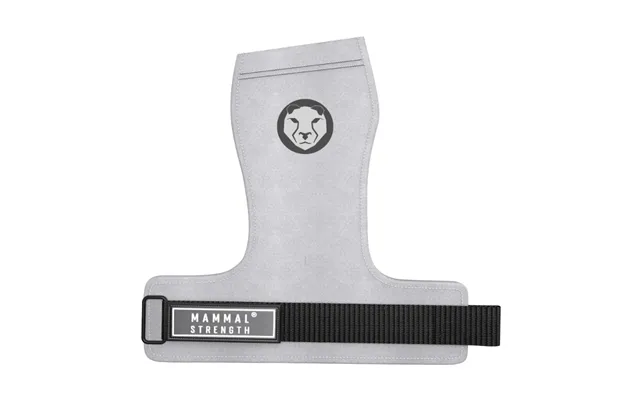
| Gymnastic Hand Grips - Mammal Grips V3 | £ 26,95 | |
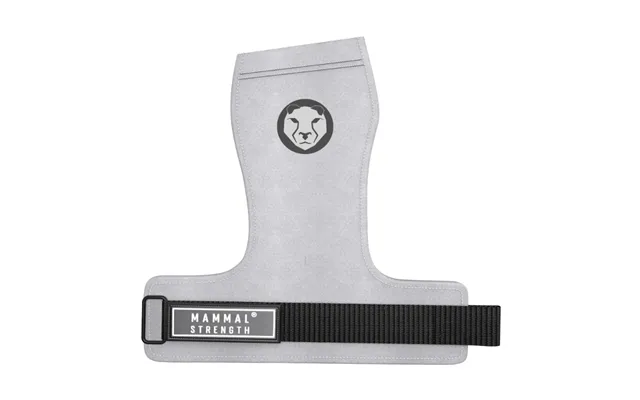
| Gymnastic Hand Grips - Mammal Grips V3 | £ 26,95 | |
| Gymnastic Hand Grips - Mammal Grips V3 | £ 26,95 | |
| Seal Grips - Wide | £ 35,- | |
| Panda Grips - Narrow | £ 35,- | |
| Panda Grips - Wide | £ 35,- | |
| Pit Viper Grips - Blue 1.2mm Wide | £ 38,- | |
| Pit Viper Grips - Blue 1.2mm Narrow | £ 38,- | |
| Pit Viper Grips - Yellow 0.9mm Narrow | £ 38,- |

