All categories
Business & Offices
Electronics & Media
Fashion & Accessories
Groceries & Essentials
Health & Personal Care
Home & Living
Kids & Family
Sports & Outdoors
Search in ZoneOffer
Loading...
Picking a soccer goal isn’t just about buying something that looks cool in your backyard—it's about the experience, the training value, and the safety of the people using it. Think of a goal as the heart of every practice and pickup game; a flimsy or wrongly sized goal can ruin a drill, reduce enjoyment, or even become a hazard. Whether you’re coaching kids, honing finishing skills, or setting up for neighborhood 5-a-side, the right goal helps players improve faster and keeps everyone safe.
Soccer goals come in many shapes and sizes. To avoid buyer’s remorse, it helps to know the main categories: full-size goals for regulation play, youth goals for smaller players, portable pop-up goals for quick sessions, and rebounders for skill development. Each type serves a different purpose, so let’s walk through what they do best.
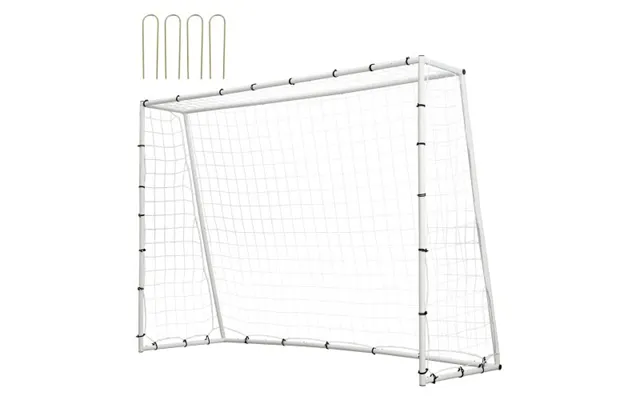
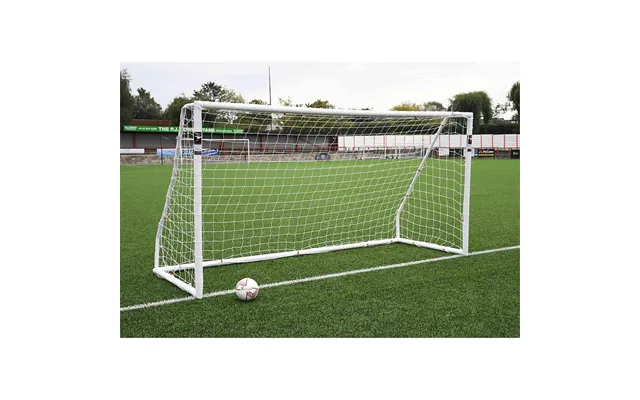
If you’re setting up a regulation field or coaching a team playing competitive matches, you want a full-size goal—8 feet tall by 24 feet wide. These goals are built to handle harder shots and higher traffic, usually featuring robust frames made from steel or thick aluminum and nets designed to absorb powerful strikes. They’re not light, but they are necessary for serious play.
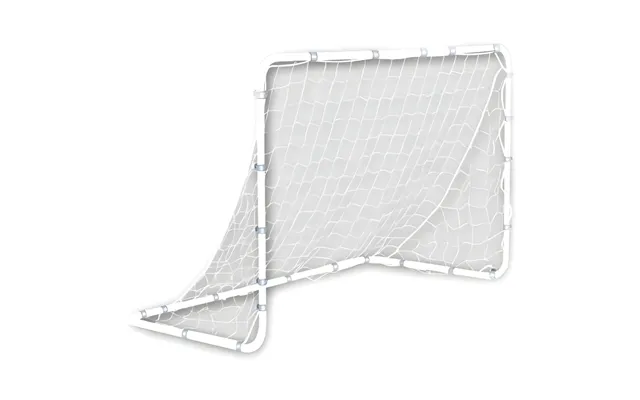
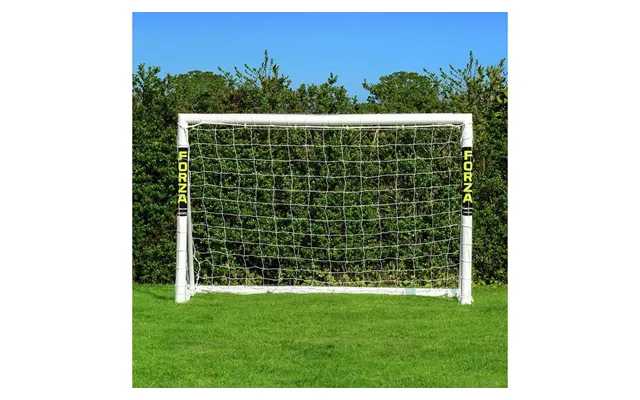
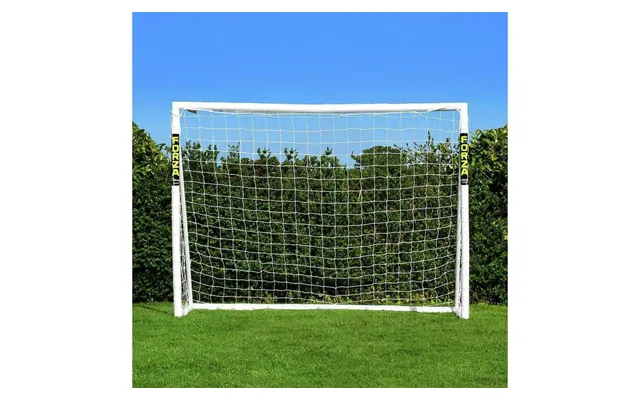
Younger players and small-sided games need smaller targets. Youth goals often measure around 6 feet high and 12 to 18 feet wide depending on age group and league rules. These sizes make the game more manageable and help developing players score more frequently, which boosts confidence and encourages learning.
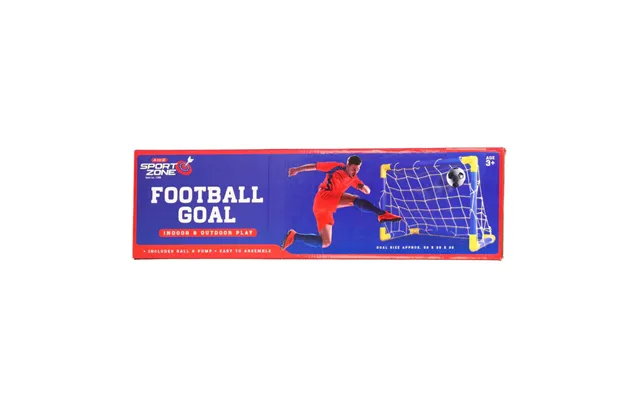
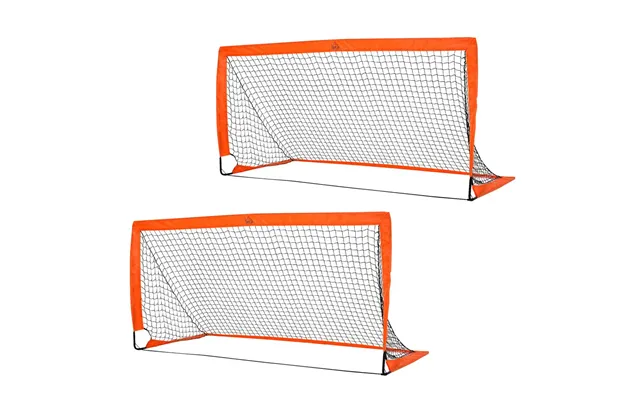
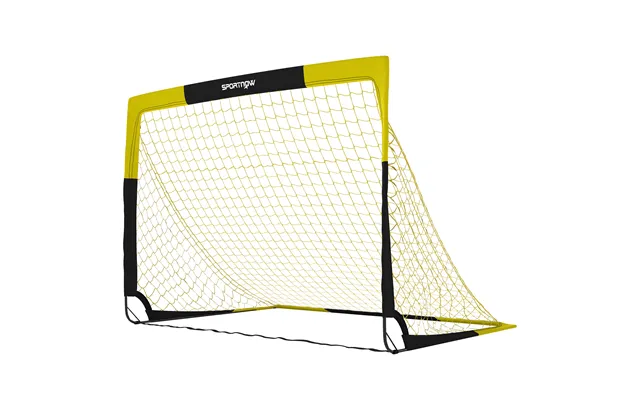
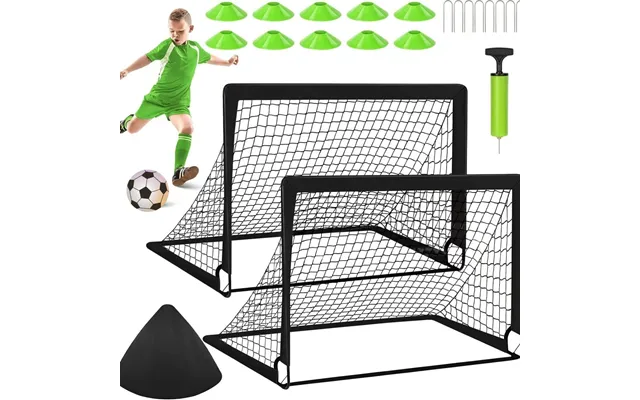
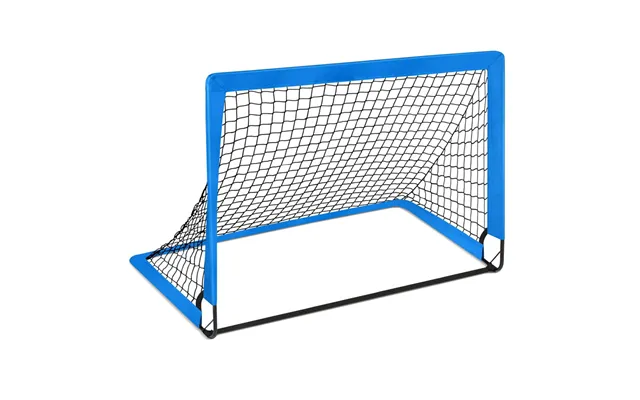
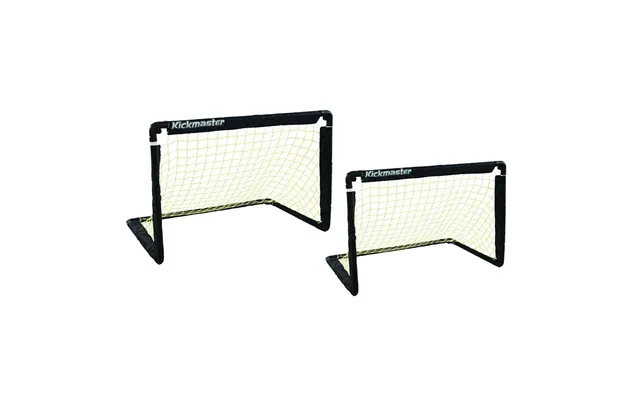
Pop-up goals are the backyard favorite for casual play and quick training sessions. They fold flat, set up in seconds, and are easy to carry to the park. While not meant for heavy competitive use, a pop-up goal is perfect for finishing practice, playing with friends, or teaching kids basics. If you need something that drops into a trunk, this is your category.
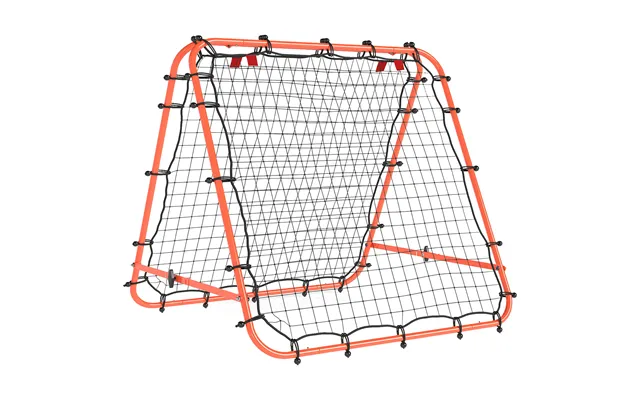
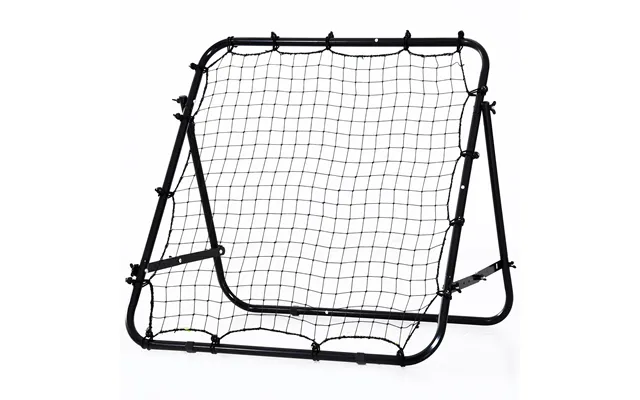
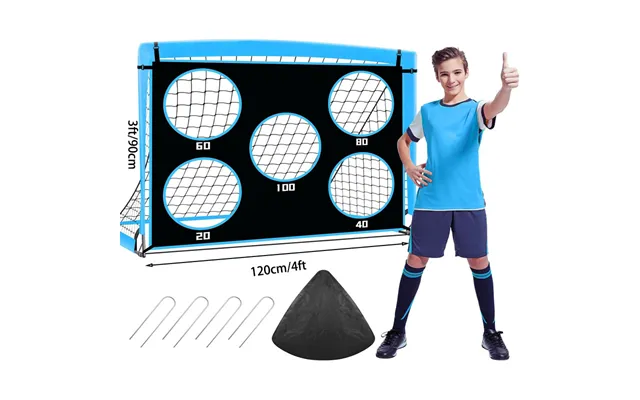
Rebounders and target nets aren’t traditional goals, but they’re invaluable for skill work. A rebounder bounces the ball back at different angles, improving first-touch, reaction time, and passing accuracy. Target nets with numbered pockets or corner targets turn a shooting drill into a scoring challenge—great for keeping training sharp and fun.
Not all goals are created equal. Frames are usually steel, aluminum, or heavy-duty plastic. Nets vary by gauge and weave. The build affects portability, durability, and safety—so let’s break down the trade-offs.
Steel frames are sturdy and resist bending under heavy shots, but they’re heavier and can rust if not treated. Aluminum is lighter and naturally rust-resistant, making it easier to move for training or storage. If you plan to leave a goal outside for long periods, consider powder-coated steel or aluminum with weatherproof fittings.
Net quality matters more than most people expect. Thicker mesh resists wear from cleats and harsh weather; reinforced corners prevent premature tearing where the net meets the frame. Look for UV-treated nets that keep their strength in sunlight, and pay attention to the knot style—knotted nets are traditional and durable, while knotless nets can be softer and easier to repair.
Before you buy, measure your area. There’s nothing worse than ordering a goal that’s too big for the yard or too small for your league. Use feet and inches when planning, and mentally account for clearance space around the goal so players won’t run into obstacles.
Smaller goals—think 4 feet by 6 feet or compact 3-foot by 2-foot pop-up goals—are perfect for driveways and small yards. They free up space for shooting practice and small games without dominating the landscape. If your yard slopes, choose a portable goal you can stow away to keep it from becoming a wind sail.
For club fields or community pitches, full-size goals (8 ft high x 24 ft wide) are the standard. Make sure there’s enough run-off space behind and to the sides—players sprinting after a ball need room to stop safely. Also confirm local league rules before committing to a permanent setup.
Safety is non-negotiable. Proper anchoring and protective padding help prevent tipping and injuries. Even a lightweight pop-up should be staked or weighted down in a windy spot. For larger goals, ground sockets or heavy-duty anchors are essential.
Anchors come in many styles: screw-in ground anchors, long stakes, sandbags, and ballast systems. For grass fields, 12-inch plus stakes or screw anchors provide solid hold. On hard surfaces, weighted bases or sand-filled ballast bags keep the goal grounded. Never rely on tent pegs alone if children are climbing on the net—use the proper anchors for the surface.
Frame padding protects goalkeepers and outfield players from hard collisions. Look for foam padding at common impact zones—top crossbar and post areas—and rounded corners that reduce the risk of cuts or blunt-force injuries. Safety isn't expensive when you factor in the peace of mind it brings.
When you're scanning product pages or price lists, keep these features in mind to make a smart pick that fits your playing style and budget.
Nobody wants to spend an hour wrestling with a frame after buying a goal. Quick-assembly goals use snap-fit connectors, color-coded poles, or tool-free hardware. Pop-up models often set up in under a minute, while permanent goals may need wrenches and a friend or two.
If you plan to carry the goal to matches or swap between practice locations, weight matters. Aluminum goals or lightweight pop-ups are easy to move. For heavy-duty match goals, look for wheels or detachable frames to simplify transport.
Rust-resistant coatings, UV-treated nets, and stainless hardware add longevity. If a product lists powder-coating or marine-grade components, it’s a sign the manufacturer considered weather. Regular maintenance—tightening bolts, inspecting nets, and storing the goal during winter storms—extends lifespan dramatically.
There are solid options across price ranges. While I won't list every model, some brands and product types consistently get high marks: heavy-duty full-size goals from established sporting manufacturers for clubs; quick-assembly aluminum goals for schools; and pop-up nets for backyard and travel use. Look for products with clear size specs, durable nets, and good warranty coverage when comparing offers.
Like a car, a goal needs occasional attention. Simple upkeep keeps it working and looking great season after season.
Check the frame for dents or cracks, inspect nets for frays, and test anchors during busy training weeks. Tighten any loose bolts and replace worn parts before they cause bigger problems—small repairs are cheap, but replacements can be pricey.
Wash nets with mild soap and water to remove dirt and grass stains, then let them dry completely before folding to prevent mildew. During off-season or harsh weather, store goals in a dry place or take nets off and keep them in a gear bag. If you must leave a goal outside, remove the net to reduce wind load and UV damage.
Goals aren’t just endpoints; they shape practice. Different goal types help with specific skills—from power shots on full-size goals to precision finishing with small targets. Here are a few drills that fit various goal styles.
Use target nets or pop-up goals to train placement. Place cones in corners to simulate goalkeeper reach and have players aim for specific areas. Small goals help teach accuracy over power, forcing players to pick a corner rather than blast through the middle.
Set up two or more small goals for 3v3 or 4v4 games. These games increase touches, encourage quick decision-making, and keep players engaged. Portable goals are perfect for this because you can rearrange the field quickly and try different tactical configurations.
Quality doesn’t always mean the most expensive. Match what you need to what you buy. If you’re equipping a club, invest in durable, regulation-size goals that can handle heavy use. For family fun and casual practice, a well-built pop-up or mid-size frame gives great value without breaking the bank.
Shopping smart means comparing specs, customer reviews, and warranty details. Look for retailers or comparison sites that list dimensions in feet and inches, show clear product photos, and include user feedback about durability and assembly. That way, you get a realistic sense of how the goal performs in the wild—not just in the sales pitch.
Before you hit “buy,” run through this quick checklist: Do you have the space for the size you want? Is the frame material weather-appropriate for your climate? Can the goal be anchored securely on your surface? Is it easy enough to assemble and transport for your needs? Does the net quality match how often it will be used? If you can answer “yes” to most of these, you’re ready to score.
Conclusion: Choosing a soccer goal is a mix of practical sizing, safety thinking, and understanding how you’ll use the goal. From full-size match nets to portable pop-ups and rebounders, there’s an option for every player, coach, and backyard. Take a few measurements, think about durability and anchoring, and pick a goal that helps your team or family improve, play safely, and have fun.