

Tennis Balls price list
Last updated Monday, 19 Oct 2026





View 8 Offers
Loading...
Last updated Monday, 19 Oct 2026
Picking the right tennis ball might sound trivial, but it’s like choosing the right shoes for a hike — the wrong choice can ruin the whole experience. Whether you’re smashing serves at 120 mph or rallying gently with a friend, the ball affects bounce, control, and how fast the game feels. The right ball helps you play better and practice more effectively, while the wrong ball can slow you down or wear out quickly. If you care about consistency on the court, investing a little time to understand ball types, felt types, and how they behave on different surfaces pays off big time.
Here’s the quick take: pressurized balls start lively and feel springy out of the can, while pressureless balls rely on their rubber core to keep bounce longer. Pressurized balls usually weigh around 2 ounces and measure about 2.7 inches in diameter, giving that classic feel players expect in matches. Pressureless balls are tougher in the long run and don’t lose bounce as quickly when left out, making them ideal for practice sessions where durability matters more than tournament-level responsiveness.
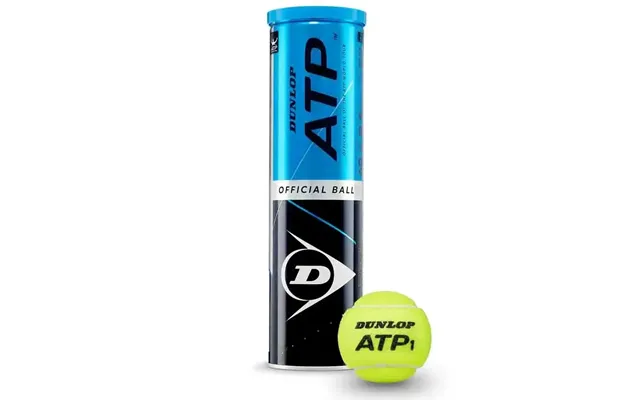
Pressurized balls are filled with compressed air and are sealed in cans of three to preserve pressure. Open one can and the bounce is immediate and lively — perfect for match play. The downside is they lose pressure slowly, often within a week or two of regular play. If you prefer tournament-feel and crisp feedback on serves and volleys, pressurized balls such as the Wilson US Open or Penn Championship are the go-to choices.
Pressureless balls feel a bit firmer at first and can seem heavier, but they stay usable for months because their bounce comes from the dense rubber core, not internal air. These are the practice workhorses — coaches and clubs love them because they survive bagged training sessions and multiple players without a rapid drop in playability. Brands like Dunlop and some practice-specific Penn models do pressureless versions that are budget-friendly when bought in bulk.
Just like shoes, tennis balls react differently on clay, grass, and hard courts. Speed, grip, and felt durability all change with surface type. Choosing the right ball for your home surface helps the game feel natural and keeps wear on the ball to a minimum. Some balls are labeled “all court,” which is convenient, but if you’re playing on one surface most of the time, a surface-optimized ball can make rallies more enjoyable.
Hardcourt balls are designed for resilience—faster wear and higher abrasiveness compared to grass or clay. Look for “extra duty” felt labeling; that tougher felt helps resist scuffing from rough hard courts. Popular choices like Penn Championship Extra Duty or Wilson US Open Extra Duty provide consistent bounce and durability for repetitive play on asphalt or acrylic courts.
Clay courts are softer and slower, so balls used here often have a softer felt that picks up clay well while still offering decent speed. Regular duty balls work well because the softer felt gives better control and the surface naturally slows the ball down. If you play mostly on clay, choose balls that advertise regular duty or clay-optimized performance for cleaner strokes and fewer surprises during rallies.
Grass is the fastest surface and tends to be less abrasive, so balls for grass often have slicker felt for lower friction. Tournament balls like Slazenger Wimbledon remain favorites on grass because they suit the surface’s speed and low friction. If you’re playing on lawn courts, pick balls that won’t snag on the grass and that keep a predictable flight at faster speeds.
If you want that “match-ready” feel, look at the balls used in major events. Wilson US Open, Slazenger Wimbledon, and Penn Championship are known names that show up in competitive play. These balls are pressurized, tuned for consistent bounce, and favored for high-speed serves and sharp volleys. For players who take match conditions seriously, buying the same brand used in tournaments helps replicate that experience during practice and local matches.
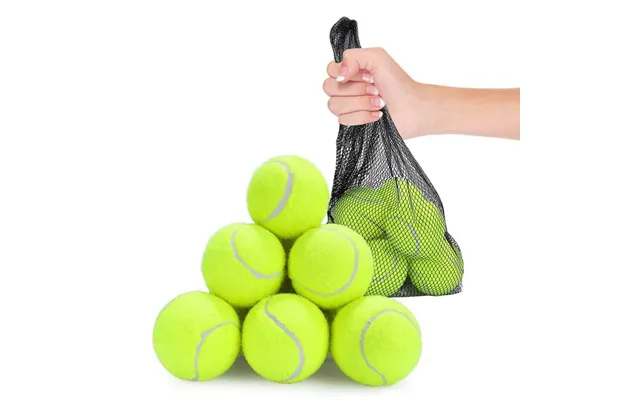
When you’re drilling for hours, durability and cost per play are king. Pressureless or recycled-felt balls bought in bulk often give you the best value. Coaches often stock up on bulk boxes — 24, 36, or even larger counts — because these balls can be used for many sessions without losing playability. Some brands also offer “practice” labeled lines with extra tough felt. If you’re saving for expensive strings or lessons, bulk practice balls help stretch your budget without sacrificing session time.
Your level changes which ball suits you best. Beginners benefit from slightly slower, larger-diameter low-compression balls that give extra time to react, whereas advanced players want true, fast bounces and sensitive response for spin and power. Kids and absolute beginners often use red, orange, and green low-compression balls that travel slower and bounce lower, making rallying and learning strokes easier and safer.
Low-compression balls are a game-changer for new players. They move slower and don’t fly off the racket like standard balls, so rallies last longer and learning feels more rewarding. These balls are commonly used in coaching programs and junior leagues — think of them as training wheels that help technique blossom without frustration.
Advanced players want the quickest response, maximum spin, and consistent bounce. Pressurized championship balls with crisp felt are the right pick. Look for balls that maintain roundness and pressure throughout a match; that predictable behavior supports aggressive net play, fast serves, and precise footwork.
How you buy matters as much as what you buy. Cans of three are standard for pressurized balls because they preserve pressure until opened. Sleeves of four are common in stores, and bulk packs of 24 or more are the most economical for clubs and heavy users. If you aim to save money per ball, bulk is usually cheaper — just be mindful that pressurized balls in bulk lose pressure faster after opening unless they’re stored carefully.
Altitude changes air pressure, and tennis balls behave differently when the air is thin. At higher elevations, balls can fly faster and bounce higher. Some manufacturers produce “high altitude” balls tuned to reduce liveliness and keep play predictable above certain elevations. If you play in the mountains or travel to high-altitude venues, consider packing a high-altitude model to avoid surprise bounces and blistering serves.
If you care about sustainability, look for balls with recycled felt or eco-friendly packaging. Some newer brands are experimenting with biodegradable materials and felt made from recycled plastics. While these balls may cost a bit more, they reduce landfill waste and appeal to players who want to lower their environmental footprint without sacrificing play quality. Clubs and eco-conscious players are starting to prioritize these alternatives when comparing options.
Store pressurized balls in a cool, dry place and keep cans sealed until you need them. A common trick is to use a pressure-saving device or specialized container to keep opened balls pressurized. For pressureless balls, storage is less critical, but keeping them out of direct sunlight and away from extreme heat preserves the rubber. Treat your balls a bit like expensive gear — small storage habits can buy you more playtime and better performance per ball.
Comparing prices for tennis balls is where smart shopping pays off. Look at price per ball and factor in whether the pack is pressurized or pressureless, and how many cans or sleeves are included. Comparison sites make it easier to scan offers, read model comparisons, and find seasonal deals. Remember to check if a “discount” is actually a smaller pack at a higher price per ball — math matters. Bulk discounts typically win for practice, while smaller cans make sense if you need fresh pressurized balls for matches.
Here’s a quick shortlist to match common needs: For match play, Wilson US Open Extra Duty and Penn Championship are reliable choices; for practice durability, look at pressureless Dunlop or Penn practice lines; for grass, Slazenger Wimbledon; for juniors, low-compression red/orange/green balls from major brands. Each of these options balances durability, feel, and price differently, so prioritize based on whether you want feel, longevity, or savings.
Sign up for seasonal alerts, buy off-season for big savings, and consider mixed packs to test before committing to bulk. If you only play matches occasionally, buying cans of three keeps you fresh. If you coach or practice daily, bulk pressureless balls reduce cost-per-use. Finally, read reviews for felt wear and felt shedding — these are the real-world signs that a ball will last through many sessions.
Choosing the right tennis ball comes down to knowing your priorities: match feel or long-lasting practice value, the surface you play on, and how much you want to spend per session. Pressurized balls like Wilson US Open and Penn Championship give that tournament-ready bounce, while pressureless and recycled options offer durability and sustainability. Use cans for freshness, buy bulk for value, and match the ball to your surface and skill level. With a little comparison and the right selection, you’ll get more consistent rallies, better practice sessions, and more fun on the court.