

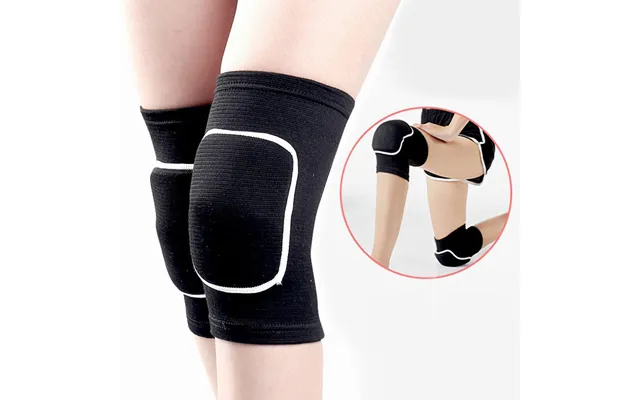
Volleyball Protective Gear price list
Last updated Tuesday, 24 Nov 2026
| Volleyball Protective Gear | Price |
|---|---|
| 1pair Dancing Knee Pads For Volleyball Yoga Women Kids Men Patella Brace Support Eva Kneepad Fitness Protector Work Gear | £8.64 |

Loading...
Last updated Tuesday, 24 Nov 2026
| Volleyball Protective Gear | Price |
|---|---|
| 1pair Dancing Knee Pads For Volleyball Yoga Women Kids Men Patella Brace Support Eva Kneepad Fitness Protector Work Gear | £8.64 |
If you play volleyball regularly, you know the game moves fast and hits harder than it looks. Wearing the right protective gear isn't about being cautious for the sake of it — it's about staying on the court longer, reducing downtime from injuries, and playing with confidence. From hard dives to awkward landings, protective equipment absorbs shock, stabilizes joints, and protects delicate fingers and teeth. Think of it as a safety net that lets you take smart risks without paying a heavy price later.
Knee pads are the single most recognizable piece of volleyball gear, and for good reason. They cushion slides, prevent scrapes, and can reduce the impact when you land on the floor. Look for pads with at least 1/2 inch to 1 inch of foam in the front, a snug elastic band to keep them from sliding down, and a contoured shape that follows the knee. If you dive a lot or play libero, a thicker pad with reinforced stitching is a wise choice.
Ankle injuries are common in volleyball, especially on hard landings or when landing on another player's foot. Ankle braces add stability and limit risky motions without killing your mobility. Choose lace-up or strap-style braces that fit under or over your shoes. Pair these with high-top volleyball shoes that support the ankle while still allowing you to move quickly — aim for shoes that weigh about 9 to 12 ounces for a good balance of support and speed.
Your shoes are where traction, cushioning, and durability meet. Look for shoes with gum rubber soles for excellent grip on indoor courts, and midsole cushioning that absorbs impact without compressing too much. A good volleyball shoe should flex at the ball of your foot and provide lateral support to reduce roll. Replace shoes once the tread wears flat or cushioning feels squashed; typically a dedicated player changes shoes every 6 to 12 months depending on play frequency.
Elbow pads help protect when you land awkwardly or pancake-block, while compression sleeves offer a combo of light protection, warmth, and muscle support. Compression sleeves can also reduce post-game soreness by improving circulation. If you want to prevent mat burns and minor cuts, a thin elbow pad or sleeve with a padded elbow cap is ideal. For players prone to elbow friction, choose sleeves made from breathable, moisture-wicking fabrics.
Fingers take a beating in volleyball — from ball contact to contact with other players. Taping fingers or using neoprene finger sleeves can significantly reduce sprains and hyperextensions. Consider flexible splints for players who have had previous finger injuries; they keep joints protected while allowing enough movement for setting and digging. Keep spare tape in your bag — a quick wrap before a match can make a world of difference.
Though less common than knee pads, mouthguards and eyewear add an extra layer of safety. A mouthguard protects teeth and soft tissue if a stray elbow or ball hits your face, while shatterproof sports goggles are smart for players who wear glasses or who play at a high level and want to reduce facial injuries. Choose a mouthguard that fits snugly and doesn't block breathing, and eyewear certified for sports impact protection.
Getting the correct fit is half the battle. Knee pad sizes usually depend on thigh circumference measured about 4 inches above the knee; for example, a 14 to 15 inch measurement might correspond to a medium pad in many brands. Ankle braces should fit snugly without cutting off circulation — measure around the narrowest part of the ankle in inches. Shoes require trying them on with the socks you'll actually wear in games; allow roughly 1/4 to 1/2 inch of space between your longest toe and the shoe tip. When in doubt, refer to brand-specific size charts and read customer reviews about stretch and fit.
Quality gear relies on sensible materials. For knee pads, dense EVA foam and durable outer fabrics stand up to repeated impacts and court friction. Shoes with synthetic uppers plus mesh panels provide both durability and breathability; look for non-marking rubber soles. Compression garments made from a blend of nylon and spandex will hold up to stretching without losing shape. Reinforced stitching and layered construction point to longer-lasting equipment, which often saves money in the long run.
Several well-known brands make reliable volleyball protective gear. Mizuno and ASICS are often praised for shoes and knee pads, offering comfortable fits and good traction. Nike and Adidas produce lightweight shoes with strong lateral support. For supportive braces and sleeves, brands like McDavid and Bauerfeind offer medical-grade options that serious players and rehab patients trust. Shock Doctor is a go-to for mouthguards and protective face guards. When you compare, check product specs, user reviews, and any certification for impact protection to find the best match for your game.
Not every player needs top-of-the-line gear, but there are times when paying more upfront is smart. Budget knee pads under $20 are fine for casual play, but they may compress faster and slip down during intense matches. Midrange pads around $30 to $60 typically offer better foam density and longer life. Shoes vary widely — you can find decent models in the $50 to $80 range, while elite performance shoes often cost $100 or more. For ankle braces and compression sleeves, mid-tier is often adequate; reserve premium purchases for items you'll use every day or for rehab-grade supports recommended by a professional.
Keeping gear clean and in good shape extends its lifespan. Wash knee pads and sleeves in cold water on a gentle cycle and air-dry to prevent shrinkage and foam breakdown. Remove insoles from shoes and air them out to reduce odor; use a mild disinfectant spray if needed. Inspect braces and straps for fraying, and replace tape often to maintain support levels. Small acts of maintenance can replace the need to buy new gear prematurely and keep your equipment performing like new.
Pack like a pro to avoid last-minute panics. Your game bag should include knee pads, at least one ankle brace, shoes, spare socks, a set of finger tape, a mouthguard, and a lightweight first-aid kit with ice packs and adhesive bandages. Add a microfiber towel, a refillable water bottle, and an extra pair of shoes if you're playing outdoors afterward. If you travel to tournaments, bring duplicates of your most essential items so a quick laundry mishap won't bench you.
Players often make avoidable errors with protective gear. Wearing gear that’s too loose defeats the purpose — pads that slip in play won't protect when it matters. Another misstep is relying solely on padding and neglecting strength training; gear protects, but strong muscles prevent many injuries. Also, ignoring wear and tear is common; old, compressed pads and worn-out shoes won't perform the same as fresh ones. Finally, using the wrong product type — like outdoor shoes on indoor courts — can lead to faster gear failure and increased injury risk.
Beyond safety, the right gear can boost performance. Confident players charge the net harder and dive more decisively because they trust their equipment. Compression sleeves can reduce muscle vibration and fatigue, knee pads cut recovery time after dives, and stable shoes improve quick lateral movement. In short, good gear supports both your body and your mental edge, helping you play more aggressively and consistently.
Before buying, compare prices on multiple platforms. Use search filters for brand, size, and customer ratings, and check product specs to confirm you're comparing like with like. Comparison tools and review sites aggregate deals so you can spot seasonal promotions and clearance items. Also look for bundles that package knee pads with ankle braces or gloves — these bundles can save you money and ensure coordinated fit and performance.
Follow a straightforward process when upgrading your gear: first, identify what limits your game — pain, slipping, or lack of traction — then read reviews for products that target that problem, try on gear whenever possible, and finally compare prices across a few reputable sellers. Test new items in practice before taking them into a competitive match. That slow roll-out lets you confirm comfort and function without risking your performance on game day.
Players and coaches often stress consistency in gear choice. If a particular brand or model has served you well, stick with it and buy the next pair before the old ones fail. Coaches recommend investing in a good pair of shoes and solid knee pads first — these deliver the most immediate protection and performance benefits. Lastly, pay attention to your body: if gear feels uncomfortable in a way that doesn’t improve after a few sessions, it’s probably the wrong fit or style for you.
Volleyball protective gear blends safety, comfort, and performance. From knee pads that soften your landings to ankle braces that stabilize every step, the right selections keep you playing longer and better. Prioritize fit, materials, and purpose when shopping, and balance budget against durability. With a bit of research, testing, and routine care, your gear will become a trusted part of your game-day routine — letting you focus on the play instead of the pain.