All categories
Business & Offices
Electronics & Media
Fashion & Accessories
Groceries & Essentials
Health & Personal Care
Home & Living
Kids & Family
Sports & Outdoors
Search in ZoneOffer
Loading...
Picking the right exercise mat is like choosing the right shoes for a run — it changes the whole experience. Whether you’re rolling out for yoga, dropping into deadlifts, or parking a treadmill in the corner, the mat you choose protects your floor, cushions your joints, and improves safety. A poor mat can slip, compress too much, or wear out fast, leaving you with noise, marks, and a sore body. Investing time to pick the best mat pays back in quieter workouts, fewer dents in the floor, and better performance.
Not all mats are created equal. There are lightweight yoga mats, thick gym mats, interlocking tiles, and heavy-duty equipment mats — each designed for different activities. Knowing the types helps you match the mat to the job: gentle cushioning for floor exercises, tough protection under machines, or anti-fatigue mats for standing work. If you’ve ever tried to do planks on a thin towel, you already know why type matters.
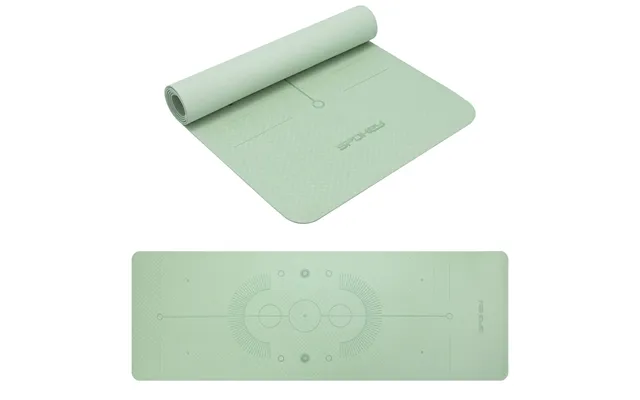
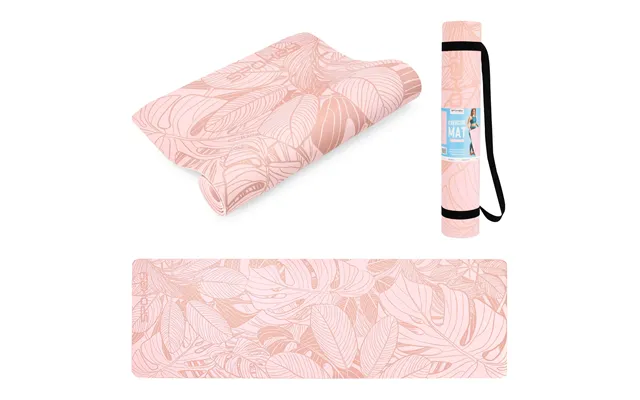
Yoga and Pilates mats are typically thin and portable, often between 1/8 inch and 1/4 inch thick. They focus on grip and tactile feedback so you stay stable during poses. Look for mats with textured surfaces and moderate density to avoid sliding when things get sweaty. Standard sizes often run 68–72 inches long and 24 inches wide, but travel or oversized options are available if you need extra length or portability.
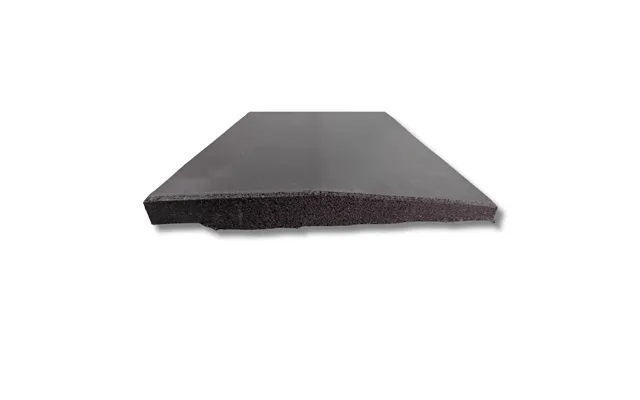
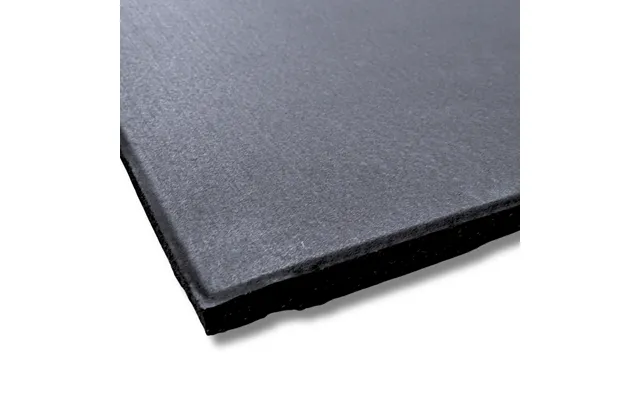
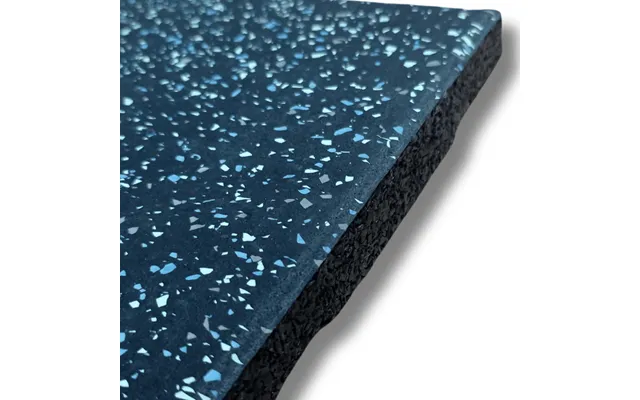
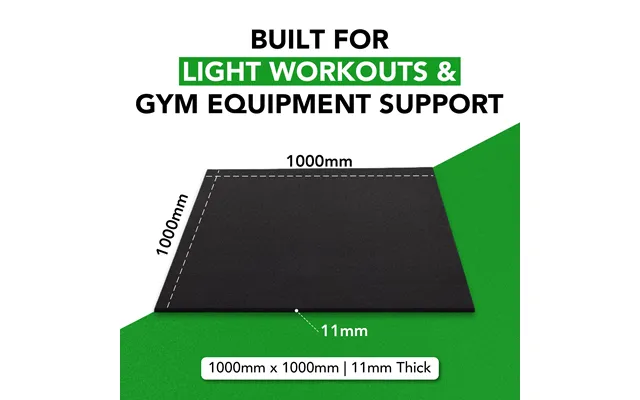
High-impact mats are designed for activities that involve jumping, heavy weights, or machines. These mats tend to be 3/8 inch to 1/2 inch thick or thicker, and are made from dense rubber or layered foam to absorb shock and protect subfloors. If you’re dropping kettlebells or doing plyometrics, this is the category to focus on — it’s like giving your floor a protective armor.
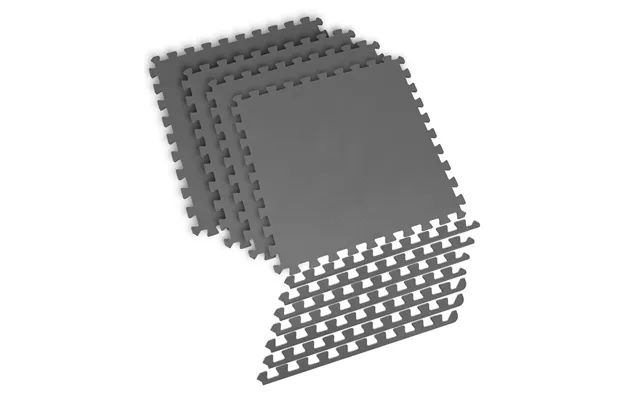
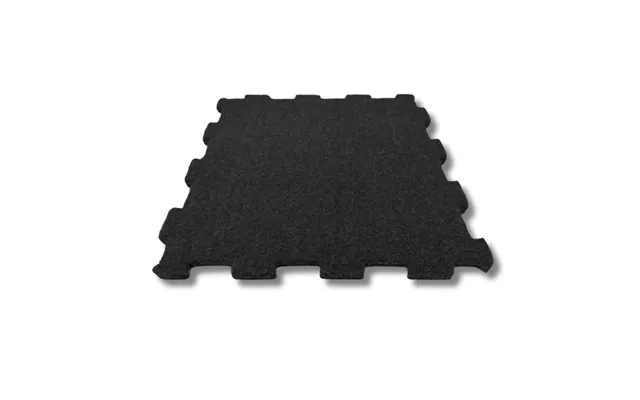
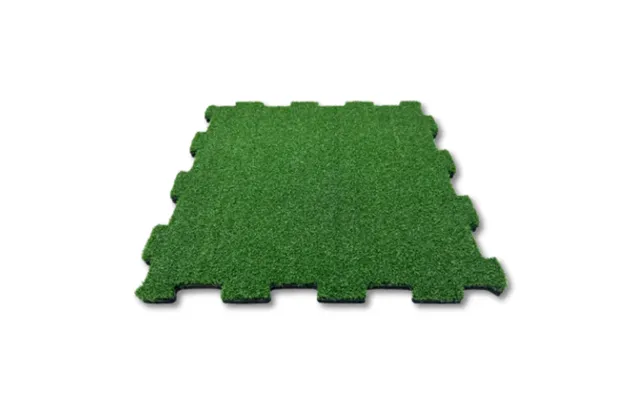
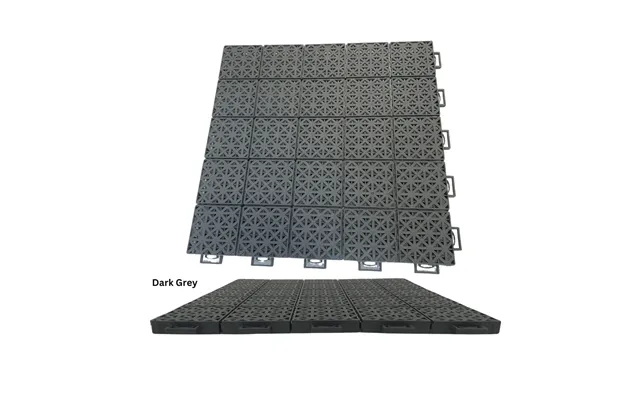
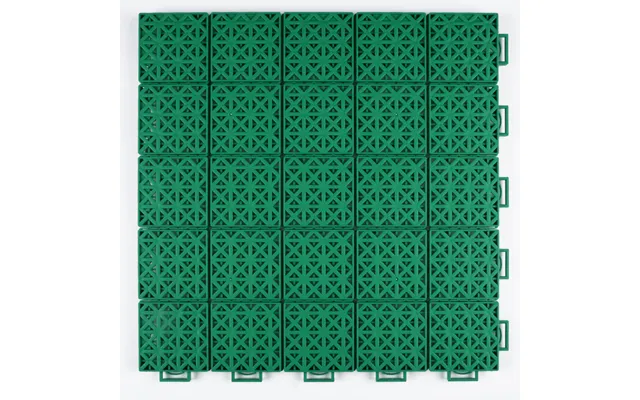
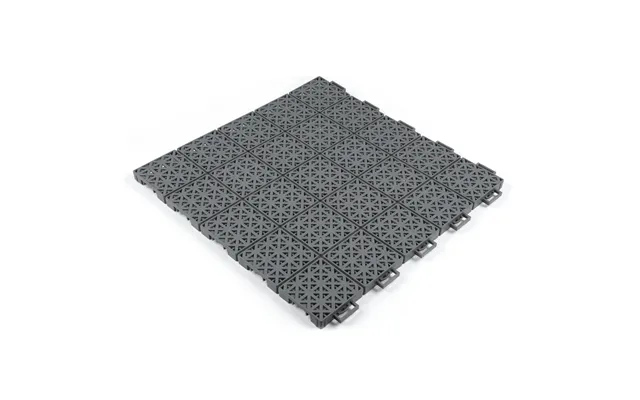
Interlocking foam tiles are the modular flooring you see in garages and home gyms. They usually come in 3/8 inch to 1 inch thickness and snap together like puzzle pieces, covering large areas easily. These are great if you want to convert a whole room into workout space because they create a uniform surface that’s warmer underfoot and helps reduce echo and vibration.
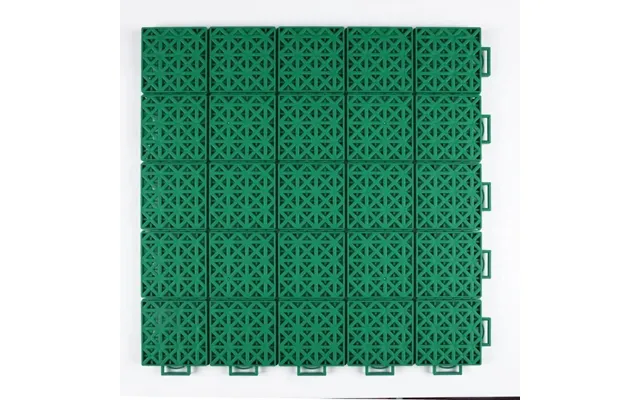
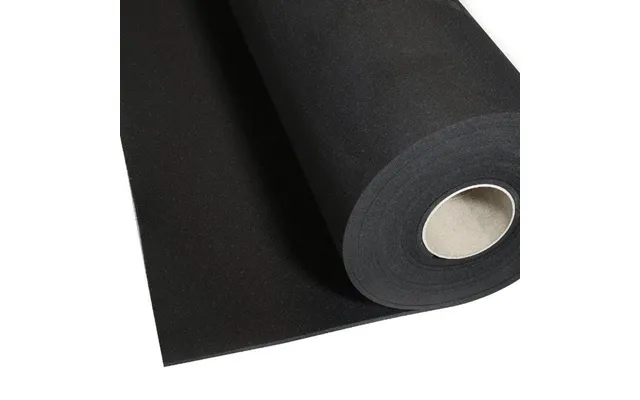
Treadmill mats are thicker, denser rubber or PVC sheets specifically built to sit beneath cardio machines and weight benches. They are typically in the range of 1/8 inch to 1/4 inch for lightweight units, but heavy equipment often benefits from 3/8 inch or thicker mats. These mats reduce noise, prevent floor scuffs, and keep your machine from sliding — think of them as shock absorbers for both your floor and your fitness gear.
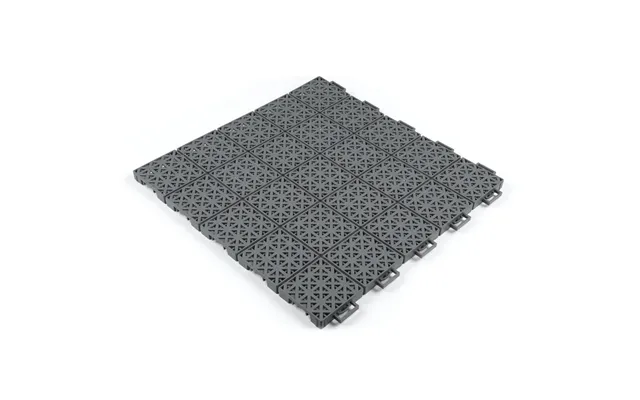
The material defines how a mat feels, how durable it is, and how it performs over time. Common materials include rubber, PVC, EVA foam, and natural cork. Each has pros and cons — for example, rubber offers durability and grip, while EVA foam is lightweight and budget-friendly. Consider where you’ll use the mat, how often, and whether smell, eco-credentials, or stain resistance matter to you.
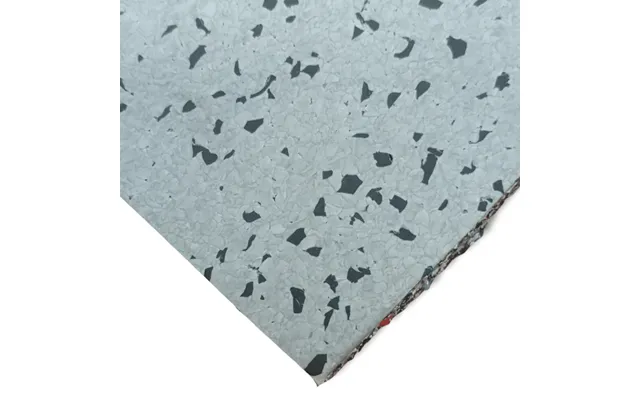
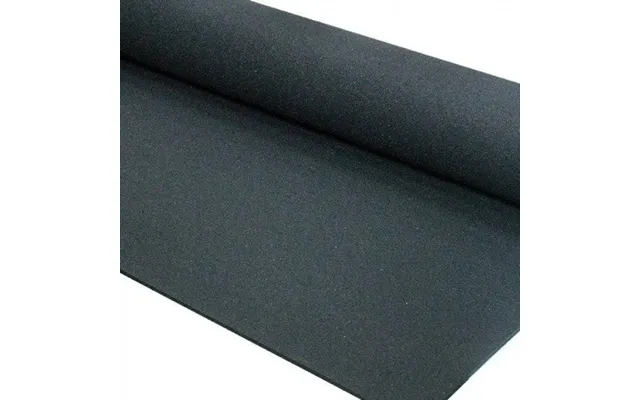
Rubber mats are the heavyweights of the mat world. They resist compression, don’t slip easily, and can survive years of heavy use. If you’re protecting hardwood or tile beneath dumbbells or weight machines, rubber is a solid choice. They can be heavy to move and sometimes give off a rubber smell initially, but they’re tough and long-lasting, like a reliable pair of work boots.
PVC and EVA foam are lighter and often cheaper, making them popular for yoga mats and interlocking tiles. They’re great for portability and beginner workouts, but they might compress under heavy weights. If you want a cushioned feel for stretches and floor routines without spending much, foam mats fit the bill. Just avoid relying on thin foam when you’re dropping heavy kettlebells or plates.
Cork is gaining fans for its natural anti-microbial properties and decent grip when wet. These mats are usually paired with a thin foam or rubber backing for cushioning. If sustainability and odor resistance matter to you, cork or natural rubber options make sense. They blend performance with a cleaner environmental footprint compared to some plastics.
Thickness and density are the two most important specs when shopping for mats. Thickness is measured in inches — common choices range from 1/8 inch for travel mats up to 1 inch for heavy-duty tiles. Density determines whether a mat will compress under load; a thick, low-density mat can feel spongy and unstable, while a thinner, high-density mat can handle heavy equipment better. Measure your workout area in feet and inches so you buy a mat that fits — for example, a treadmill mat might be 72 inches by 36 inches, whereas a yoga mat is typically 68 inches by 24 inches.
Safety starts with traction. Look for mats with textured surfaces or coatings that enhance grip. Anti-slip backing is just as important; nothing kills a kettlebell session faster than a moving mat. If you sweat heavily, choose mats advertised as “non-slip when wet” or with superior grip profiles. It’s also worth testing a mat for slippage on the specific floor you own — hardwood behaves differently than low-pile carpet or concrete.
Cleaning and upkeep determine how long your mat will stay functional and fresh. Rubber and PVC mats wipe clean with mild soap and water, while cork needs gentler care and quick drying. Foam mats can trap sweat and odors, so airing them regularly helps. Avoid harsh chemicals that degrade material; instead, use diluted soap solutions and a soft cloth for spot cleaning. Storing mats rolled up in a dry spot extends their life — think of maintenance as basic mat hygiene that pays dividends.
Match your mat to your workout routine for best results. A yoga enthusiast probably wants a 1/8 inch to 1/4 inch mat with great grip and a textured surface. Strength trainers need 3/8 inch or thicker rubber mats or interlocking tiles that handle drops and heavy loads. If you run indoors, a treadmill mat around 72 inches long and 36 inches wide with at least 1/8 inch thickness helps dampen noise and vibration. For garage gyms, covering the floor with 1/2 inch to 1 inch interlocking tiles creates a durable, comfortable training surface.
For yoga and mobility work, opt for a sticky, medium-density mat 1/8 inch to 1/4 inch thick. It should be long enough so your head and heels don’t hang over the ends during stretches. If you practice hot yoga or sweat a lot, pick materials that resist slipping and dry quickly — cork or certain PVC blends work well here.
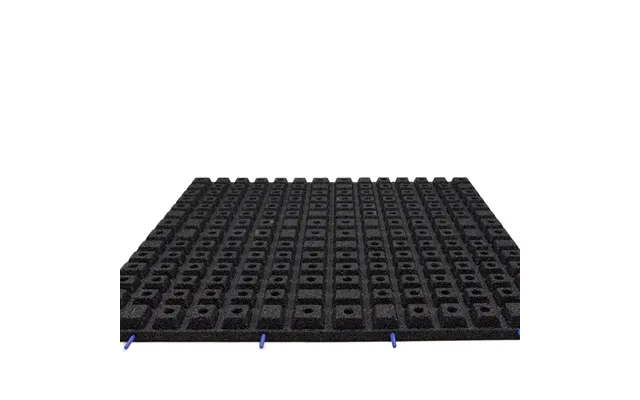
If you train with heavy free weights or fixed machines, prioritize durability and impact absorption. A 3/8 inch to 1/2 inch dense rubber mat or interlocking tiles will protect your floor from dents and reduce noise. When assembling a platform, combine a thin plywood base with thick rubber tiles for ultimate protection and stability.
Budget is always part of the equation. Decide whether portability or durability is your priority. A cheap foam mat is fine for occasional home yoga, but it will wear out quickly with daily heavy use. If your workouts are frequent and intense, spend more on dense rubber or professional-grade tiles — fewer replacements over time mean better value. Look for bundles or multi-pack tiles to cover larger areas affordably and compare prices across retailers and comparison sites to spot the best deals.
Consider accessories that extend a mat’s usefulness. A mat vacuum or lint roller keeps foam tiles free of debris, while edge guards prevent curling. For equipment mats, adding rubber studs or anti-vibration pads under machines can further minimize noise. Storage straps or carry bags make transporting thin mats to classes simpler. Little add-ons can dramatically boost convenience and longevity.
There are loads of online and local sellers offering mats, from specialty fitness brands to mass-market retailers. Before you click “buy,” use comparison sites to view price lists, specifications, and user reviews side-by-side. Watch for seasonal sales, bundle offers, and free-shipping deals to get more for your money. Checking multiple sources helps you avoid mismatched expectations — you’ll know exactly how thick, long, and dense the mat is before it arrives at your door.
Don’t buy the cheapest mat for everything — that’s a mistake many people make. Thin, cheap foam may be fine for stretching, but it fails quickly under heavy equipment. Also, ignore scent warnings on rubber products if you’re sensitive — some require airing out for a few days. Finally, measure your space before buying; a mat that’s too small for your treadmill or too narrow for your yoga flow will be frustrating to use.
If sustainability matters, look for natural rubber, cork, or mats labeled low-VOC. Eco options often cost more but provide lower environmental impact and fewer chemical odors. Keep in mind that natural materials can require more gentle care, but for many people the trade-off is worth it — you get a cleaner feel and fewer synthetic additives underfoot.
Before you purchase, run through a quick checklist: What’s your primary use? How large is your workout space in feet and inches? How much weight will the mat need to handle? Do you prefer portability or permanence? What’s your budget in dollars? Answering these questions narrows the field fast and helps you choose a mat that fits your life rather than forcing you to change your workouts to suit the mat.
Common mat sizes include 68 inches by 24 inches for yoga, 72 inches by 36 inches for treadmill mats, and interlocking tiles commonly come in 24-inch squares. Prices vary: budget yoga mats start around $20, mid-range sticky mats run $40–$80, while heavy-duty rubber equipment mats or interlocking tile sets can range from $50 to several hundred dollars depending on area covered. Always compare specifications as well as price so you don’t trade short-term savings for early replacement costs.
Choosing the right exercise mat transforms your workout space from makeshift to dependable. Think about the type of exercise you do, the floor you’re protecting, and how portable or permanent you want the setup to be. Whether you opt for a sticky yoga mat, dense rubber tiles for heavy lifts, or a protective treadmill mat, the right choice increases comfort, safety, and longevity. Shop smart by comparing specs, checking dimensions in feet and inches, and considering material and thickness — that way you’ll end up with a mat that truly works for you.
| Exercise Equipment Mats | Price | |
|---|---|---|
| Spokey Scrab Puzzle - Fitness Equipment Mat | £ 15,70 | |
| Spokey Mandala - Exercise Mat | £ 23,50 |