
Pilates Machines price list
Last updated Friday, Sep 4, 2026





View 10 Offers
Loading...
Last updated Friday, Sep 4, 2026
If you’ve been doing mat Pilates and feel ready to upgrade, a Pilates machine opens an entirely new level of resistance, precision, and variety. Think of a reformer as a gym for your core and a mobility studio wrapped into one long, sliding carriage. It helps with strength, posture, injury rehab, and flexibility in ways that bodyweight alone sometimes can’t match. Plus, a machine keeps exercises consistent—perfect if you want measurable progress.
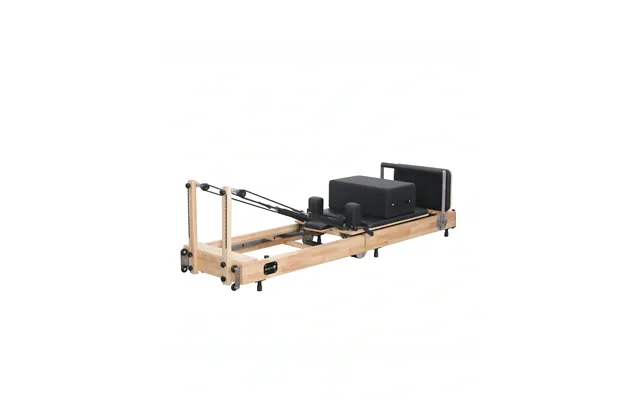
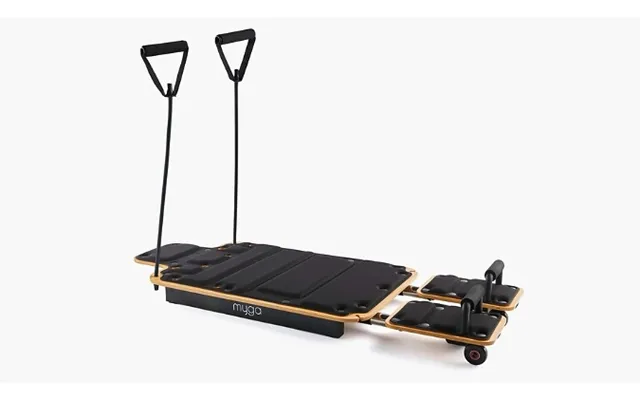
The reformer is the poster child of Pilates equipment: a flat carriage that rolls along rails with springs for resistance, a footbar, and adjustable straps. Typical full-length reformers are about 90 to 100 inches long and 24 to 28 inches wide, making them substantial but central to most home and studio setups. They’re extremely versatile, offering everything from gentle rehab work to advanced athletic conditioning.
The Cadillac, or trapeze table, is like a reformer’s taller cousin—an open bed with a canopy of bars and springs. It lets you do hanging, traction, and full-range-of-motion moves safely. Cadillacs are more common in studios due to their footprint, with frames often standing around 7 feet high, so they’re a commitment but unbeatable for range and rehab options.
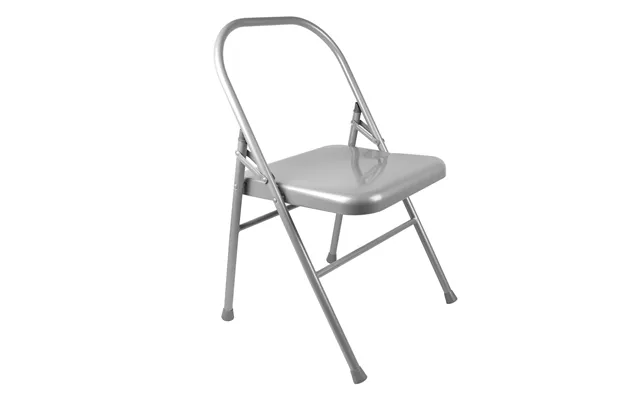
The Wunda chair is a compact, powerful tool—imagine a small box with a pedal and springs. It’s brilliant for targeted work, balance, and leg and core strength. Because a chair’s footprint can be as little as 18 to 24 inches across, it’s a smart choice if you need a space-saving option that still packs intensity.
Barrels and spine correctors are curved pieces that support your torso for deep stretching and mobility work. They’re small, lightweight, and wonderful for improving thoracic mobility and shaping the back muscles. Expect them to be under 40 inches in length and very easy to tuck away.
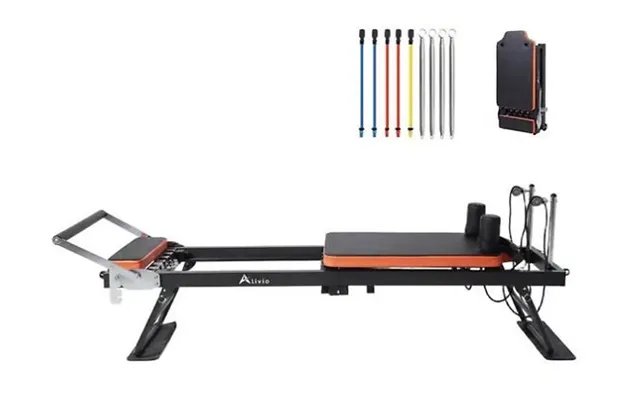
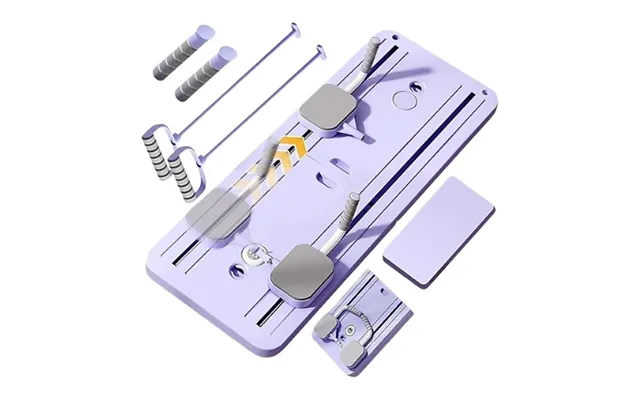
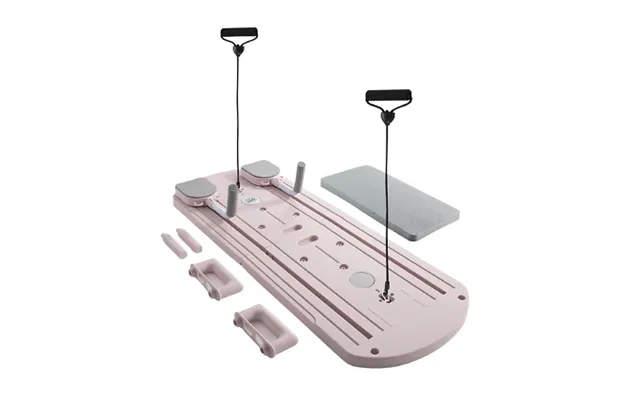
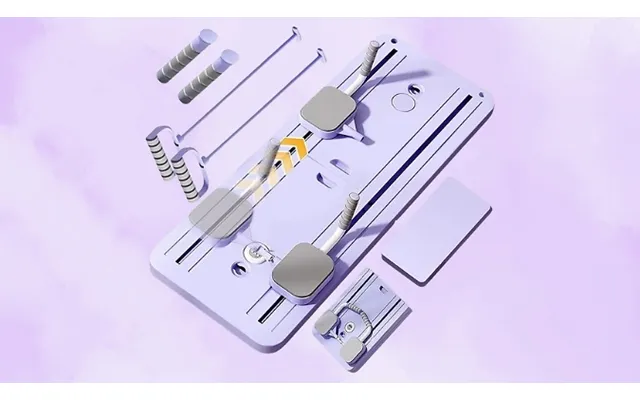
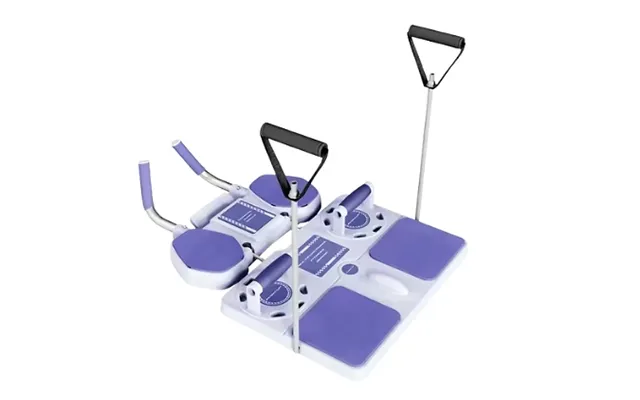
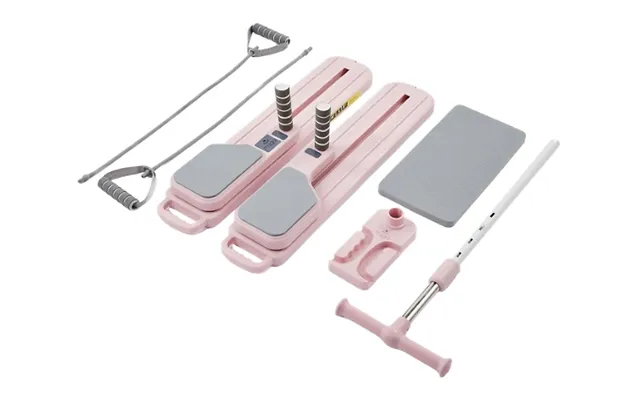
Not everyone can accommodate a 9-foot machine. Portable reformers and folding units offer a compromise—shorter rails, lighter frames, and lower price points. They tend to be 60 to 80 inches in length and may weigh 30 to 80 pounds, making them easier to store. While they may lack some features of full-size studio reformers, they’re excellent for home users who value convenience.
Aluminum frames are lighter and easier to move, while steel or hardwood frames offer a sturdier feel and longevity. If you plan to use the machine frequently or within a studio, prioritize durability. A well-built reformer should feel solid under load and not creak when you press against the footbar.
Look for adjustable spring systems with a range from light to heavy resistance. Springs are often rated by tension rather than exact pounds, but a good reformer will let you stack springs or change their anchor points to scale from gentle rehab to intense work. If you’re tall or strong, find a machine that supports more tension options and a higher maximum load—many quality machines support 350 to 600 pounds.
A smooth carriage glide is essential—steel rails with ball bearings give a silkier glide than plain aluminum. Also check the width and padding of the carriage and how the footbar adjusts for different exercises and heights. A multi-position footbar adds versatility for standing and seated work.
Measure before you buy. Full reformers are usually 90 to 100 inches long and 24 to 28 inches wide; add room at the ends for mounting and exercises—plan for at least 6 to 8 feet of clear length. Chairs and barrels are compact—often under 3 feet across—making them ideal for tighter spaces.
Useful extras include convertible towers, jump boards, reformer boxes, adjustable headrests, and extra straps. Decide which accessories matter: a jump board is great for cardio and plyometrics, while a box expands seated and standing options. Accessories increase versatility but also the total cost.
When choosing a home machine, think about your goals, space, and budget. Budget-friendly compact reformers and foldable options serve beginners and casual users well, while mid-range machines offer a strong balance of durability and features. High-end models mimic studio-grade performance and are best for serious practitioners or a household with multiple users. Expect entry-level reformers to start around $400 to $1,200, mid-range $1,200 to $3,000, and premium studio-quality reformers $3,000 and up.
Studios need machines that withstand daily, heavy use. Look for commercial-grade reformers with hardwood or reinforced steel frames, heavy-duty springs, and professional warranties. Studio equipment often includes integrated towers and Cadillac attachments to maximize class variety. If you teach, prioritize machines that are easy to maintain and that provide a consistent feel for clients across different classes.
Footwork is often the first sequence on a reformer. It teaches you breath control, carriage timing, and lower-body alignment. Start with your heels on the footbar, carriage neutral, and perform slow presses out and in. The resistance of the springs adds eccentric control that’s hard to replicate on the mat.
With straps on the feet, leg circles (or “frog” variations) teach hip mobility and pelvic stability. The reformer supports the spine while letting the legs move through full ranges, so you learn control and balance in all directions.
Sitting up on a box placed on the carriage, the Short Box series targets spinal articulation and oblique strength. Think of it as a portable ab bench that forces you to move with precision—great for beginners and advanced users alike.
These standing sequences train shoulder stability and core compression. The long stretch mimics a plank with dynamic carriage movement; the elephant emphasizes hamstring stretch and spinal length. Both demand coordination between breath and movement.
Accessories turn a basic reformer into a full studio. A reformer box expands seated and standing options. A jump board adds cardio and athletic training. Straps and handles should be comfortable and adjustable. Consider grippy socks for better traction, a head cushion for neck comfort, and a padded cover to protect upholstery. If you travel or teach on the go, a lightweight, portable reformer with a carry case becomes invaluable.
Check springs, straps, and attachments weekly if you use the machine often. Look for fraying on straps, rust or deformity on springs, and loose bolts. Replacing a worn strap or spring early keeps small problems from becoming expensive repairs.
Use a gentle, non-abrasive cleaner on upholstery and wipe down rails after sweaty sessions to prevent build-up. If you fold or store the machine, keep it in a dry spot—moisture can damage wood and metal components. For long-term storage, remove high-tension springs and loosen adjustable straps.
Springs lose tension over time. Replace them if they feel slack or if you notice inconsistent resistance. Keep a spare set on hand if you teach; a broken spring during a session is avoidable and costly. Straps should be swapped when threads start to show—most quality manufacturers sell replacement kits with straightforward instructions.
Ask yourself three questions: What are my primary goals—rehab, strength, mobility, or athletic conditioning? How much space do I have—can I fit a 9-foot reformer or do I need a portable unit? What’s my budget—do I want an entry-level model or an investment in studio-grade equipment? If your goal is general fitness or rehab, a mid-range reformer or a Wunda chair plus a barrel can cover most needs. If you’re training athletes or teaching classes, invest in commercial-grade reformers and towers.
One myth is that machines are only for advanced users. Not true—machines can be gentler than mat work due to spring assistance and support. Another myth: you’ll bulk up. Pilates tends to produce lean strength and better muscle tone, not bulky muscles. Finally, portable reformers are sometimes dismissed as inferior; while they may lack some features, many portable units deliver excellent results for most users.
Your budget should reflect use and goals. If the machine will be used several times a week by one person, a solid mid-range reformer in the $1,200 to $2,500 range often offers excellent durability and performance. For a family or light use, a $400 to $1,000 portable or compact model can be perfect. Studios should plan to invest at least $2,500 to $4,000 per machine for durable, commercial-grade equipment.
Think beyond the machine’s boxed dimensions. You’ll need room to mount, dismount, and perform exercises at both ends of the reformer; plan for 1 to 2 feet of clearance beyond the carriage length on both ends. If you’re not comfortable assembling a large frame, consider shipping and professional setup—many dealers offer this for an extra fee. Also remember floor protection: a mat or rubber tiles help reduce noise and protect flooring from heavy frames.
Once you have a machine, invest in guidance. Private sessions with a certified instructor accelerate progress and reduce injury risk. Supplement with online video classes tailored to your machine type—many instructors demonstrate routines for specific reformer setups. If you teach or plan to, instructor certification courses provide the technical knowledge to use the machine safely and creatively.
Choosing a Pilates machine is like choosing a partner in fitness: it should fit your space, challenge your body, and support your long-term goals. Small homes might favor compact reformers or chairs; busy households might want durable, mid-range machines; studios should prioritize commercial-grade frames and easy maintenance. No matter the choice, consistent use will reward you with better posture, stronger core muscles, and increased mobility—results you’ll feel in everyday life.
Conclusion: Investing in a reformer, Cadillac, or chair is a commitment to long-term movement quality. Whether you’re rehabbing an injury or chasing athletic edges, the right machine and thoughtful practice make Pilates a transformative tool. Measure your space, set your budget, and prioritize features that matter to your goals—then enjoy the journey of steady, measurable progress.