
Ping Pong - Other price list
Last updated Saturday, 19 Sept 2026
| Ping Pong - Other | Price |
|---|---|
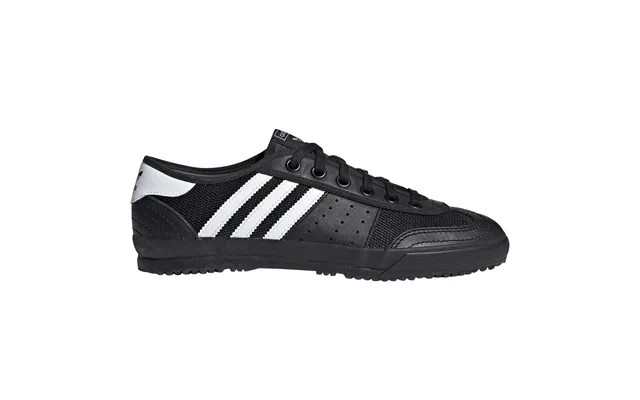
| Adidas Originals Tischtennis Shoes - Black | £59.99 |
| 3.8mm Sports Vinyl Flooring For Table Tennis | £1,615.44 |




Loading...
Last updated Saturday, 19 Sept 2026
| Ping Pong - Other | Price |
|---|---|
| Adidas Originals Tischtennis Shoes - Black | £59.99 |
| 3.8mm Sports Vinyl Flooring For Table Tennis | £1,615.44 |
If you’re looking for a sport that blends speed, strategy, and social fun without needing a gym membership, ping pong is a top pick. It’s fast-paced enough to get your heart pumping but gentle on the joints, making it ideal for mixed-age households and flatmates. Think of it like chess that you can sweat to — quick decisions, precise movement, and instant feedback from every shot. Whether you want competitive training, casual weekend rallies, or a way to entertain guests, a good table and set of paddles transform any spare room into a lively playground.
Indoor table tennis is also space-efficient. A full-size table takes up about 9 feet by 5 feet, but there are compact and foldable options that shrink the footprint dramatically. And because the sport is weather-proof, you can play year-round without worrying about rain or wind. That makes ping pong especially appealing if you live in a climate where outdoor sports often take a rain check.
Before you splurge on the fanciest paddle, it helps to understand the main components that affect play. The three pillars are the table, the paddle (often called a racket or bat), and the ball. Each one affects speed, spin, and control. The net and post set, while small, also matter for regulation play. Beyond these basics, training aids like robots, rebound nets, and coaching apps can seriously accelerate improvement.
Shopping smart means matching gear to your goals. Are you after tournament-level bounce and true spin? Or do you want a budget setup for occasional family matches? Recognizing the differences saves money and avoids disappointment. Below we break down what to look for in each category and highlight top products commonly found in current UK online offers.
A standard table tennis table measures about 9 feet long by 5 feet wide and stands 30 inches high. That surface gives the familiar bounce players expect in league play. But not every home can spare that footprint—so look at half-tables and foldable designs that can stand upright for storage. Surface thickness is a key spec: a 1/2-inch top (commonly called 12 mm) offers decent bounce for casual play; 3/4-inch (18 mm) or thicker tops give more consistent, tournament-level bounce.
Portability features are important if you need to move the table through doors or stash it in a closet. Wheels, fold-up playback positions (so one half can be used for solo practice), and light frames make life easier. If you plan to keep the table outdoors, choose outdoor-rated materials like aluminum composite or weatherproof MDF to protect against damp and warping.
Paddles come in countless combinations of blade (the wooden core), rubbers on both sides, and sponge thickness. A heavier paddle—something in the 6 to 8 ounce range—tends to generate more power, but a lighter paddle gives quicker wrist action for spin. Most players sit comfortably in the 5 to 7 ounce band. Blade material matters too: pure wood blades provide a classic feel and better control, while carbon or composite layers add stiffness and speed.
Grip type is another personalization point. Shakehand grips mimic a tennis forehand and are widely used in Europe, while penhold grips favor a different wrist action common among some Asian players. If you’re unsure, a balanced all-round paddle with medium sponge thickness is an excellent starting point and often found in value packs during seasonal offers.
The modern table tennis ball is about 1.57 inches in diameter, and most competitive play uses 40 mm balls. Balls come in different speeds and quality grades; three-star balls are tournament-quality and last longer, while one- or two-star balls are cheaper and fine for practice. Newer plastic (poly) balls resist cracking more than older celluloid balls and often have a slightly different bounce and spin profile.
Buying balls in packs of 6, 12, or 72 is common — stock up if you play a lot, because a rogue fast serve can end a ball’s life quickly. For training, a mix of regular balls and slower practice balls can help you focus on technique under varied conditions.
When hunting for a great deal, look for brands with solid reputations and read product specs closely. Brands like STIGA, JOOLA, Butterfly, Cornilleau, and Donic often appear in mid- to high-tier categories, while budget-friendly options from lesser-known makers can deliver surprising value. Below are practical recommendations across price points and intentions: tournament play, home recreation, and compact urban setups.
If you want a table that performs like a club level surface, look for tops at least 3/4 inch thick and a robust frame with anti-tilt wheels. Cornilleau and Butterfly produce models that handle heavy use and provide a true, predictable bounce. These tables typically weigh more (often over 180 pounds) and may come with locking wheels and heavy frames to resist wobble in fast rallies.
Expect to pay more for true premium tables, but they are worth it if you organize regular competitions or host dedicated practice sessions. Many premium tables also come with weatherproof options so you can place them in covered outdoor areas without worry.
For casual play and space-limited homes, compact or folding tables are lifesavers. Look for a playback position so one half can be propped vertically for solo practice, and choose a model with a lighter weight and narrower profile for easy storage. Many value models weigh 70 to 110 pounds and are easy to wheel into a corner.
Budget tables often have thinner tops (around 1/2 inch), which reduces bounce but keeps cost down. If you mainly play for fun, these are great. If you plan to train seriously, consider upgrading the net and paddles instead of the table first—better rubbers on paddles make a more immediate difference to play quality than a slightly thicker tabletop.
Here’s a quick guide: beginners should opt for all-round paddles with medium sponge (about 1.5 mm to 2.0 mm), intermediate players benefit from specialized rubber for spin or speed, and advanced players often buy custom blades and rubbers separately to dial in their preferred balance. Popular ready-to-play paddles from STIGA and JOOLA strike a good balance and are widely available in current offers across comparison sites.
For families, packs that include two paddles and several balls are often the smartest buy. They cost less per item and get you playing right away. If you’re turning serious, check blade construction and rubber specs—composite layers and thicker sponge equal more power, while tacky rubbers help grip the ball for heavy spin.
Training robots are a game-changer for solo practice. Basic units feed a steady ball at fixed intervals, while advanced robots offer variable spin, speed, and placement. Robots range from lightweight desktop models to full-size units that sit beside the table and can cost from a few hundred to several thousand dollars. Consider how realistic you need the feed to be before splurging.
Other aids like rebound nets, ball catchers, coaching apps, and clip-on nets for temporary tables can enhance practice without major investment. If you’re in a small space, a rebound net turns a wall into a practice partner and costs a fraction of a fancy robot.
Deals are everywhere, but a clever shopper looks beyond the headline price. Check what’s included: does the table come with a net, or are paddles and balls bundled? What are the shipping or assembly terms? Compare product specs like tabletop thickness, wheel locks, paddle weight, and ball grade. A low price that omits essential parts might cost more in the long run.
Seasonal sales — like those around New Year, summer, or major sports events — often feature good bundles. Use a comparison mindset: match the spec list across sellers and prioritize features you’ll use. If you need portability, a lighter table with foldable legs and small wheels trumps an expensive heavy model that’s impossible to move through narrow doors.
Taking simple care steps makes your gear last. Keep paddles in protective cases to prevent dents and maintain rubber tackiness; avoid leaving them in direct sunlight or extreme cold. Wipe the table surface with a damp cloth and mild soap — harsh chemicals can strip the finish and ruin bounce. For outdoor tables, invest in a fitted cover or move the table into dry storage during prolonged wet spells.
Balls are fragile, so store them in a protective container to avoid cracking. Inspect the net posts and wheel locks periodically; tightening loose screws and lubricating moving parts keeps assembly smooth and prevents wobble during intense rallies.
Designing a fun and functional play area is about more than the table itself. Aim for at least 5 feet of clearance behind each baseline and 3 feet at the sides for recreational play; if you’re more serious, expand that space. Good lighting is essential — a single overhead fixture can cast shadows, so consider multiple light sources or daylight-balanced bulbs to keep visibility even across the table.
Flooring matters: a slightly grippy surface helps footwork, while slippery floors increase injury risk. If you’re short on permanent space, consider a folding table that you can wheel out for matches and store upright afterward. Add a wall-mounted rack for paddles and balls so your corner always looks tidy and invites spontaneous play.
The most common error is prioritizing brand over specs. A reputable logo doesn’t replace missing features like proper tabletop thickness or stable frames. Another mistake is underestimating assembly time — many tables arrive in large boxes and can take an hour or more to set up without help. Finally, buyers sometimes skimp on paddles, thinking the table alone will make them play better; in reality, a decent paddle and practice routine improve performance faster than a marginally better table.
Also watch out for shipping costs and return conditions when ordering bulky items. A “free shipping” claim might mask a heavy handling fee at checkout. Read product reviews for real-world feedback on durability and assembly quirks; other buyers often flag recurring issues that the spec sheet won’t reveal.
Comparison shopping is your friend. Look for seasonal discounts and bundled offers that include paddles, nets, and balls. Retailers often list clearance models or floor samples at steep discounts. If you’re buying used, inspect the tabletop for warping and the frame for rust—dings and superficial scratches are cosmetic, but structural damage harms play quality.
Finally, consider total value rather than the lowest ticket price. A slightly more expensive table with a thicker top and better frame will stay playable longer and avoid replacement costs. For paddles, investing in a mid-range option with replaceable rubbers lets you upgrade performance incrementally without buying whole new bats.
Conclusion: With the right mix of table, paddles, and practice tools, you can build a home ping pong setup that fits your space, budget, and ambitions. Whether you’re chasing tournament accuracy or weekend fun, informed choices and a few clever buys make all the difference.