











All categories
Business & Offices
Electronics & Media
Fashion & Accessories
Groceries & Essentials
Health & Personal Care
Home & Living
Kids & Family
Sports & Outdoors
Search in ZoneOffer

Loading...
If you love the crack of a perfect treble and the hush that falls when someone hits a double, you know darts is part sport, part ritual. Whether you’re hunting bargains on throwing darts or upgrading your setup, the right gear can shave points off your opponent and add polish to your practice. This guide walks you through the types of darts, what to look for in a purchase, how to set up a pro-level home board, and where the smartest deals tend to hide. Ready to sharpen your aim and your shopping sense?
Choosing the right dart isn’t just about looks — it’s about consistency, comfort, and confidence. A well-balanced dart fits your grip and flight pattern like a glove, translating small wrist twitches into predictable arcs. If you’re frustrated by scattershot scores or you find yourself constantly adjusting mid-game, it might not be your skill that’s the problem: it could be the dart. Picking the right barrel, weight, and flight shape will make practice more effective and matches more satisfying.
Dart weight is a game-changer and often comes down to personal feel. Most players choose darts between 16 and 30 grams, but since we’re using imperial units, that’s roughly 0.6 to 1.06 ounces. Lighter darts (around 0.6–0.8 ounces) fly faster and demand a firmer release, while heavier darts (around 0.9–1.06 ounces) tend to hold a straighter line and are more forgiving. Try a few weights at your local club or with a practice set at home to see what feels like an extension of your hand.
The material of the barrel influences grip, durability, and how tightly darts can be grouped. Tungsten is the pro favorite because it’s dense — you get thinner barrels for the same weight, allowing tighter groupings on the board. Brass darts are cheaper and bulkier; they’re great for beginners or casual players who want value. When you’re hunting deals, look at tungsten percentages: higher tungsten content usually means slimmer barrels and a premium finish, but it also raises the price.
Not all darts are created equal. From steel tip to soft tip and specialty practice models, the type you choose depends on where you play and what board you own. Knowing the difference helps you avoid mismatched equipment and ensures your money goes toward gear that improves your game. Here’s a quick tour of the main dart types and when to pick each.
Steel tip darts are the standard for bristle boards and league play. They offer the tactile feedback players love and usually come in heavier weights than soft tips. If you’re setting up a traditional sisal board in the garage or joining a local pub league, steel tips are the way to go. They require occasional sharpening and are less forgiving if you hit the wire, but performance is top-tier for scoring consistency.
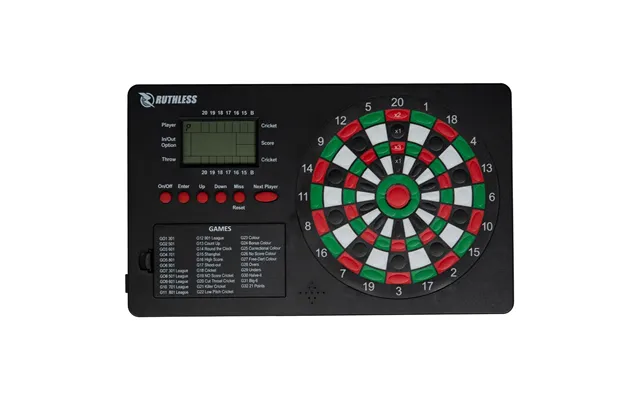
Soft tip darts pair with electronic boards and are increasingly popular for home setups because they’re safer and often work with automatic scoring systems. Soft tip barrels can be lighter and more varied in design. If you like tracking stats or playing with friends who prefer an electronic scoreboard, soft tip sets are a smart pick. They do tend to break tips from time to time, so having spares is a good idea.
Practice and specialty darts — like heavy training darts or trick-shot models — help players focus on a specific skill, such as grouping or release control. Some training darts are weighted differently to enforce a consistent throw, while others mimic professional balance for technique development. These are great for focused practice sessions when you want to build muscle memory fast.
Scoring a bargain on darts is a fun part of the hobby. UK retailers and online platforms regularly rotate stock and promotions, so timing can make a huge difference. Look for end-of-season clearance, manufacturer closeouts, and bundle deals that include flights, shafts, and a case. Comparison shopping helps you spot genuine discounts versus marketing hype.
Major sales windows like late summer clearance, Black Friday, and New Year promotions often feature solid discounts on throwing darts and accessories. If you don’t need something immediately, set price alerts and watch for limited-time coupons. Many retailers announce seasonal markdowns on social media first, so following a few specialty dart shops can give you a head start.
Comparing prices across sellers is the quickest way to get a better deal. Look beyond the headline price: factor in shipping, returns, and included extras like spare flights or a case. Product reviews and seller ratings are crucial too — a cheap set that bends after a couple of games isn’t a bargain. Use comparison tools to filter by brand, weight, and material, and keep an eye out for refurbished or open-box sets for savings.
Accessories are the unsung heroes of your playing experience. A high-quality case protects your investment, reliable flights stabilize your throw, and good shafts hold everything together. Even small upgrades can tighten your grouping and cut down on mid-game frustrations. Here’s what to keep in your toolkit for consistent play.
Flights and shafts control drag and stability. Flights come in shapes like standard, slim, and pear — each modifies the dart’s flight profile slightly. Shafts vary in length and material; longer shafts can stabilize slower throws while shorter ones reduce wobble for faster releases. Try combinations until you find one that complements your release speed and grip style. Keep a stash of spare flights and shafts in your kit because accidents happen.
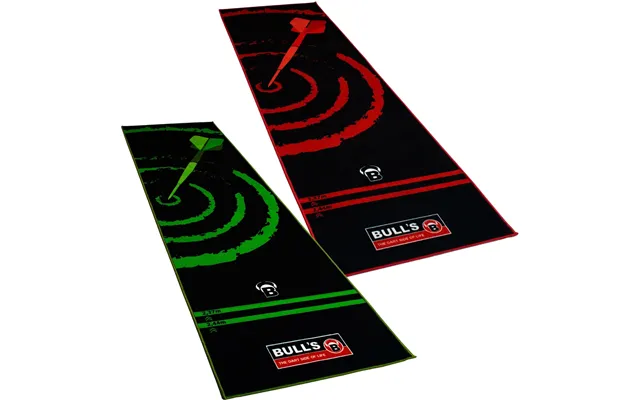
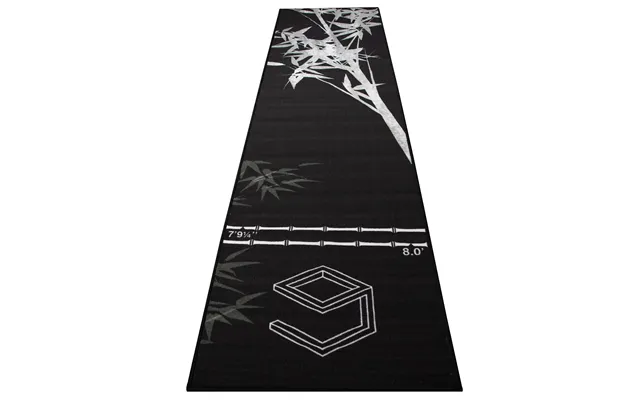
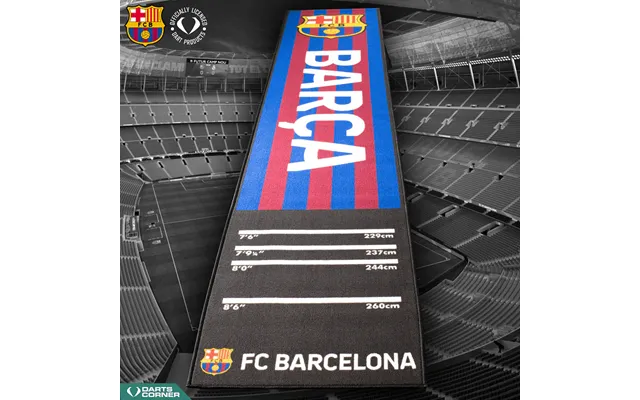
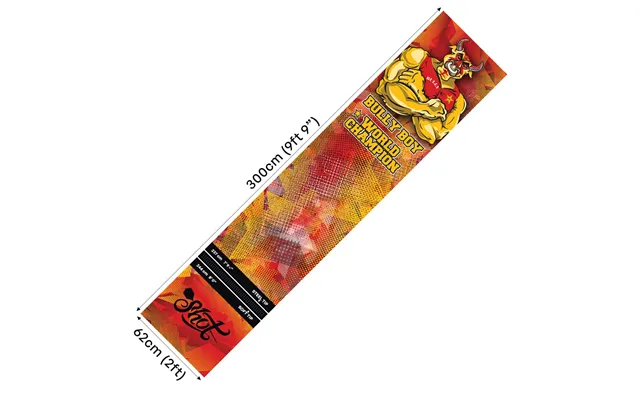
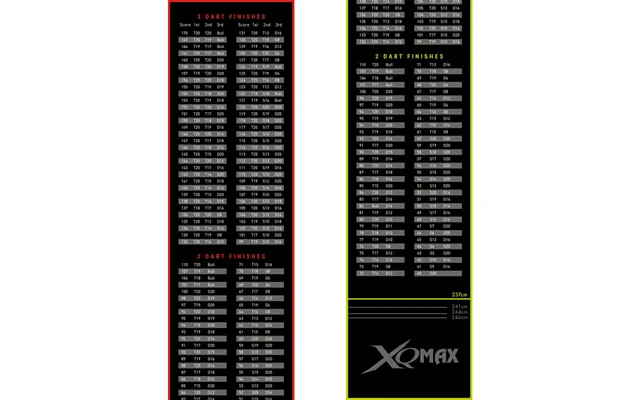
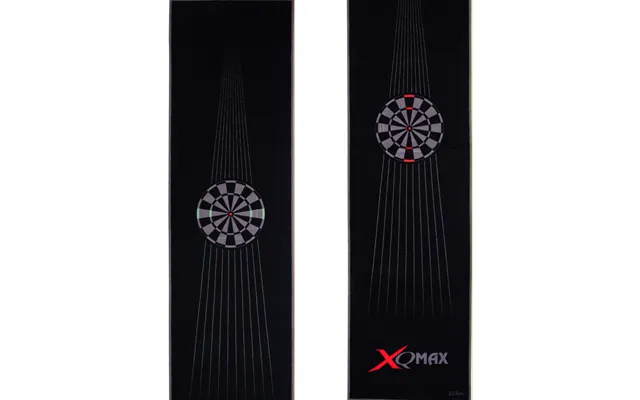
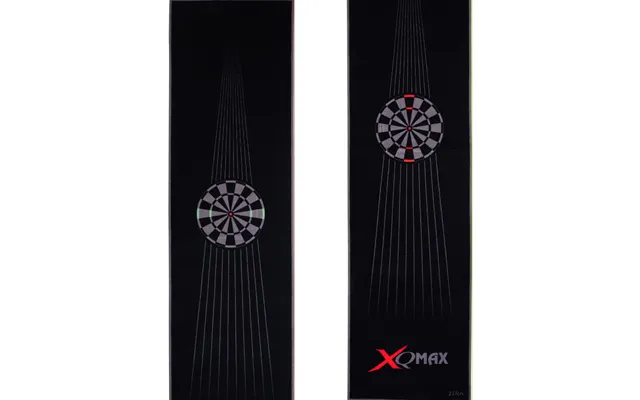
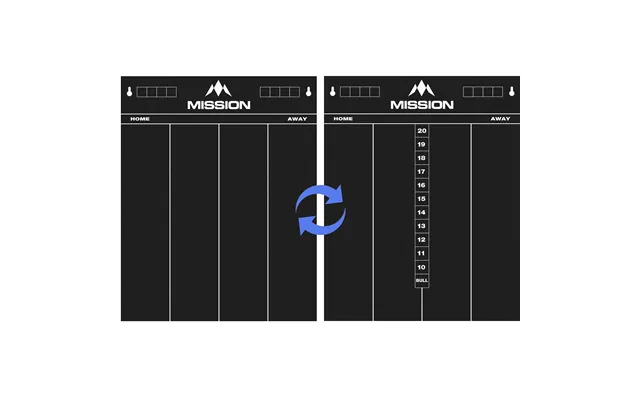
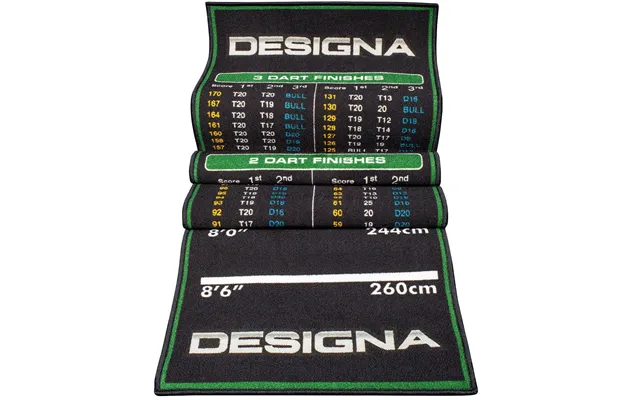
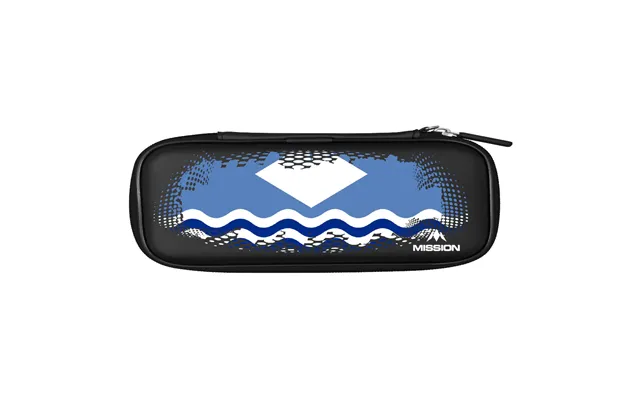
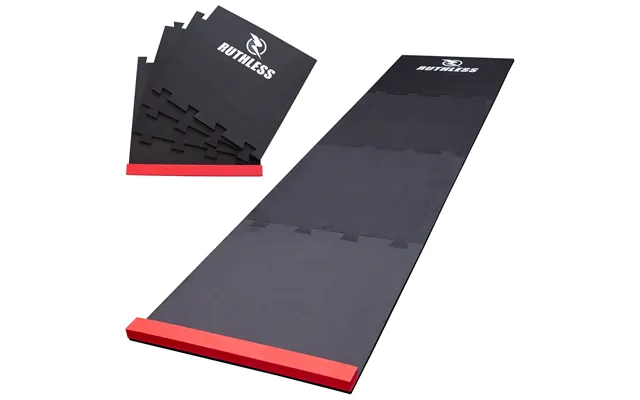
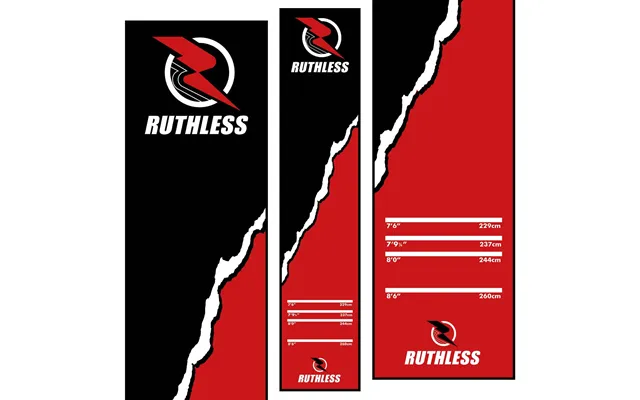
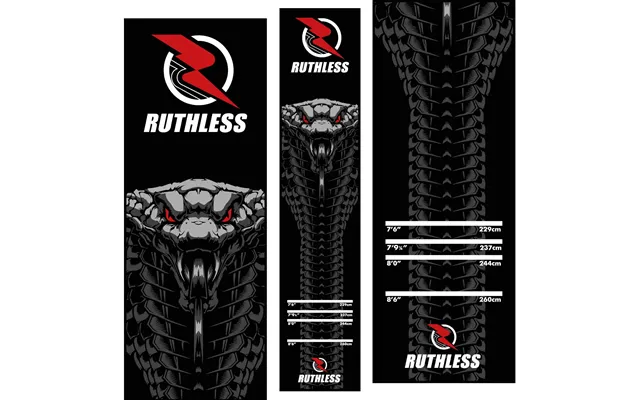
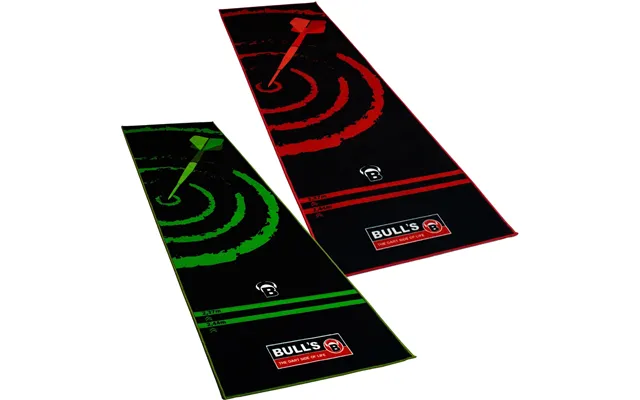
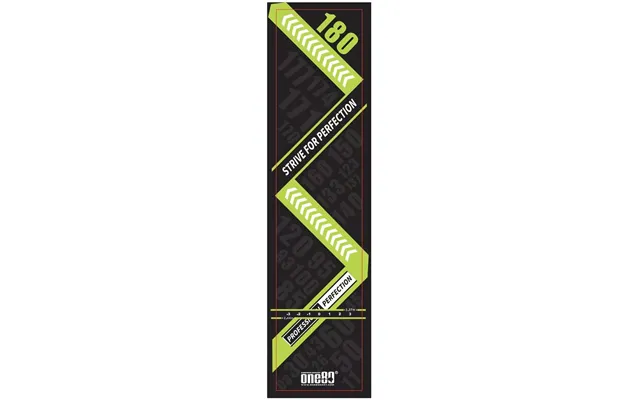
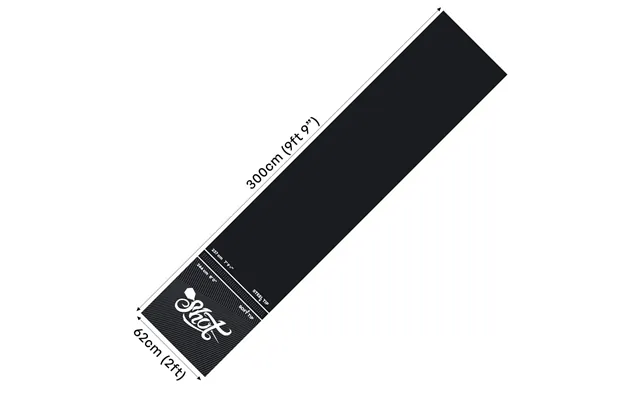
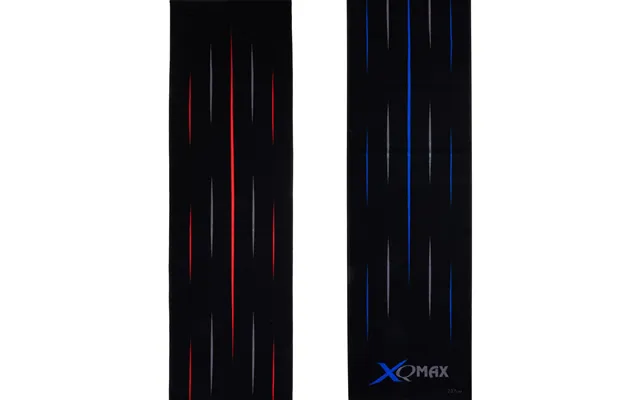
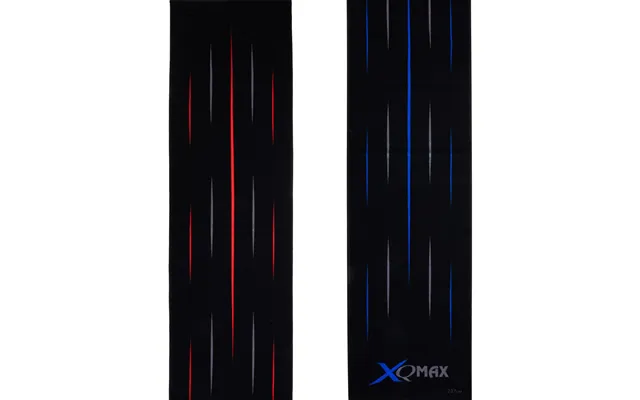
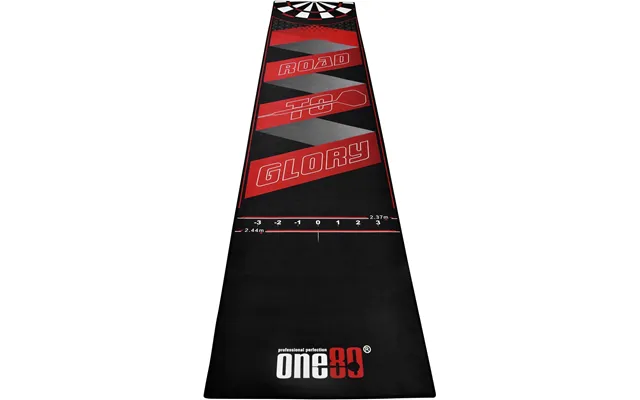
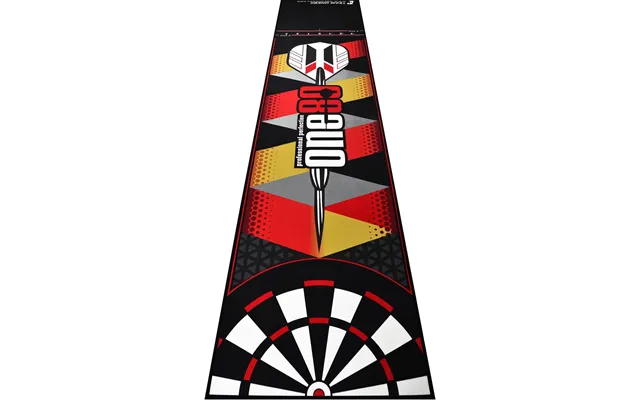
A sturdy case prevents dings and keeps a few spare parts organized. A sharpener for steel tips helps maintain grip and penetration on bristle boards, while a quality oche mat protects flooring and clearly marks the throwing distance. Even a simple scoreboard pad can make practice sessions more structured. When buying deals, check whether accessories are bundled — bundles often deliver the best value per dollar spent.
Getting the geometry right transforms casual tossing into serious practice. Professional setup is straightforward, but easy mistakes — wrong height, wobbly mounts, poor lighting — lead to bad habits. Use proper measurements and simple tweaks to create a reliable practice environment that mirrors competitive conditions.
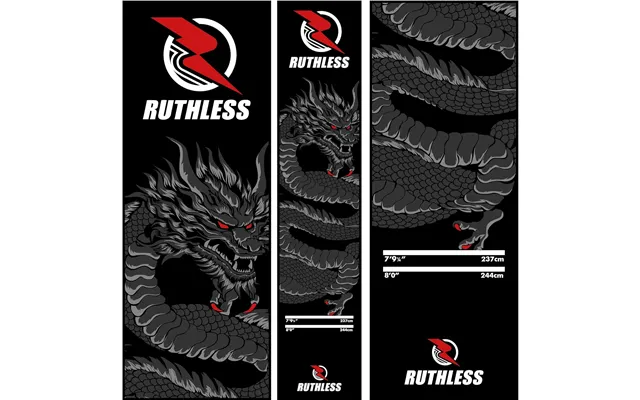
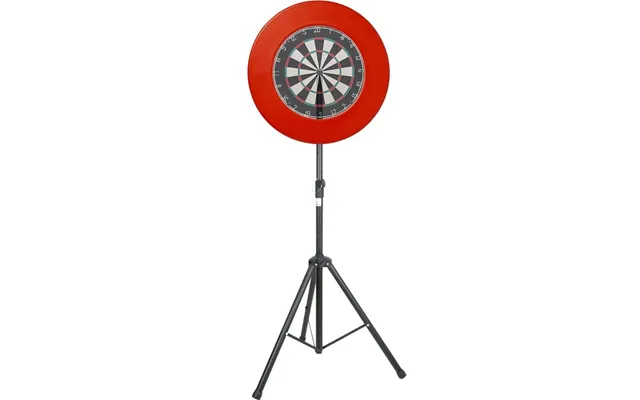
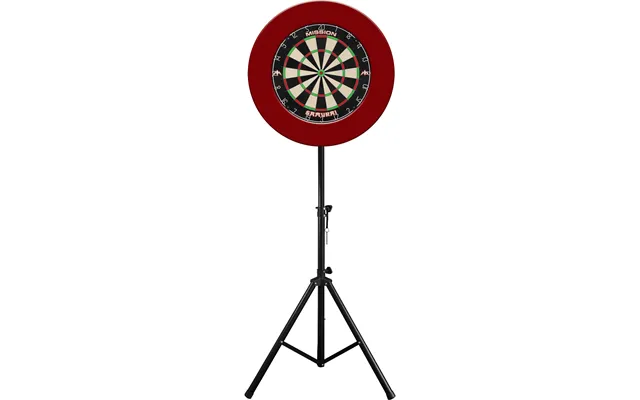
The official throwing line, or oche, is 7 feet 9 and one-quarter inches from the face of the dartboard for steel tip play. Hang the board so the bullseye sits 5 feet 8 inches from the floor. Those exact measures create the same sightlines and angles you’ll face in league matches. Mark the oche clearly on the floor — tape or a thin rubber mat works well — and practice from the same spot every session.
Good lighting reduces glare and helps your eye read the board. Aim for even, shadow-free illumination directly above or slightly forward of the board. Secure mounting prevents wobble; use a stud or heavy-duty anchor, and test the board after tightening. Give yourself comfortable elbow room — about 3 feet behind the oche is ideal for follow-through — and keep the area clear so you can focus on your throw.
Your experience level should guide your shopping list. Beginners benefit from simple, forgiving darts that teach fundamentals, while more advanced players will want precision-engineered sets built for consistency. Here’s how to match gear to your current game and what to upgrade next.
If you’re just starting, look for mid-weight brass or tungsten-blend darts around 0.7–0.85 ounces that offer good grip without being too expensive. Sets that include spare flights and a basic case offer the best value. Avoid overly slim, expensive tungsten darts at first; learn your release and stance on durable, affordable gear before investing in high-end models that require a precise throw to shine.
Intermediate players usually move toward higher tungsten content and experiment with shapes, weights, and grip patterns to refine grouping. Pros favor darts with 80–95% tungsten content because the thinner barrels reduce deflections and help tight clusters. At this level, small upgrades to shaft materials or flight profile can produce noticeable improvements in scoring consistency.
Like any precision tool, darts need care. Regular maintenance keeps them flying true and extends their lifespan, so you spend more time practicing and less time fighting wonky flights or loose shafts. Simple routines after each session make a big difference over time.
Wipe barrels and shafts with a soft cloth after play to remove oils and sweat. Check threads and replace worn shafts to avoid mid-game loosening. For steel tips, use a small file or sharpener to maintain a point that penetrates the board cleanly; blunt tips cause bounce-outs. Replace flights when they show creases or fraying — worn flights are a leading cause of erratic throws.
Darts don’t last forever. If the barrel is visibly worn, the balance changes, or repeated repairs don’t restore performance, it’s time to upgrade. Most casual players find a reliable set lasts several seasons, while heavy club players might cycle more frequently. Think of it like replacing a well-loved running shoe: you can push it, but performance and comfort eventually suffer.
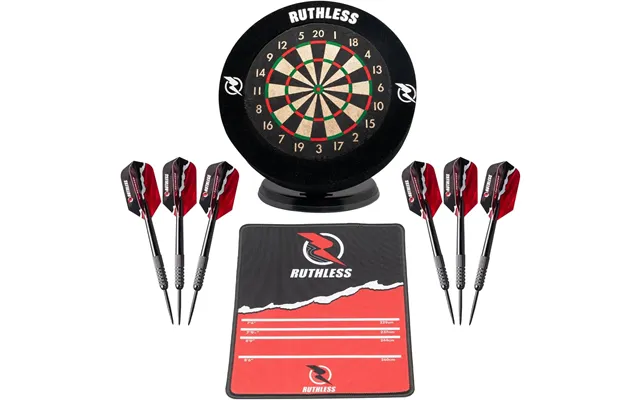
When browsing for throwing darts and related gear, prioritize value over flash. A good deal pairs durable construction (like high-tungsten barrels or reinforced shafts) with included extras — flights, a case, and replacement tips. Electronic board bundles can be excellent for family setups, while single high-quality tungsten sets pay off for competitive players. Below are the product types worth tracking.
For competitive play, aim for darts with 80–95% tungsten content and weights between 0.8 and 1.06 ounces depending on your preference. Beginner-friendly tungsten blends with 60–75% content are a smart mid-range option. Expect price ranges from value sets at around a modest budget to premium pro sets commanding higher prices — but bundles that include accessories often deliver the best overall value per dollar.
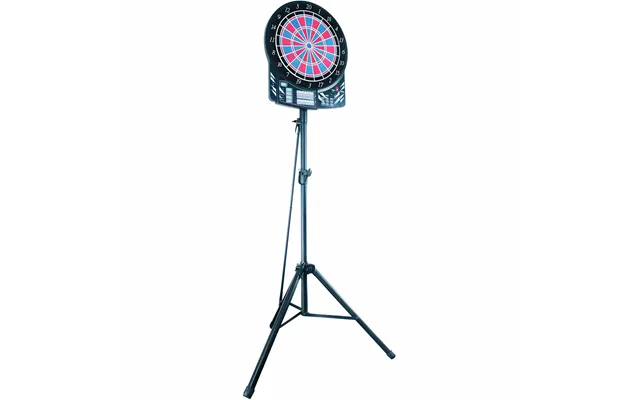
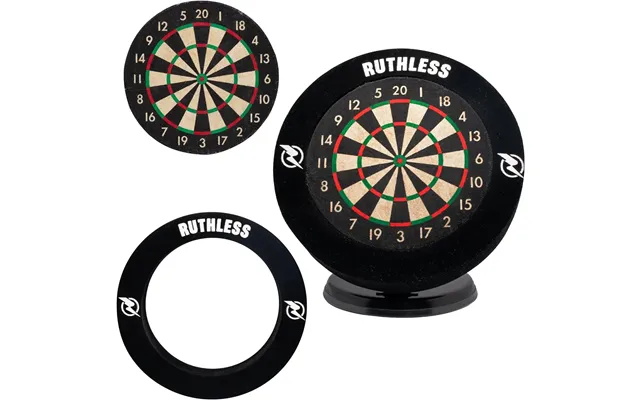
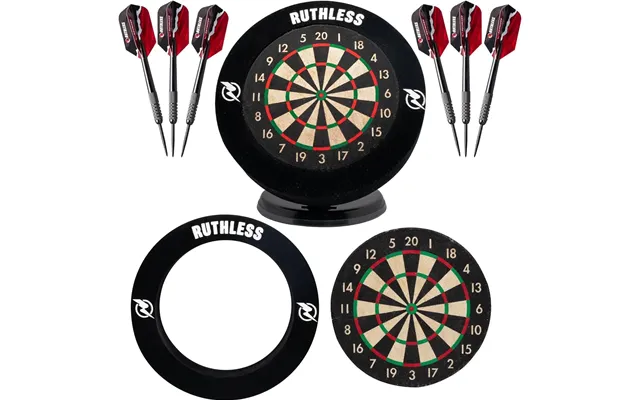
Electronic boards (soft tip) are family-friendly, offer automatic scoring, and often come in kits with multiple darts and spare tips — excellent for home entertainment. Bristle boards (steel tip) provide authentic league-level feedback and longer-term durability. If you split practice between both formats, consider owning one of each, or choose a bristle board if you plan to join leagues. Deals on complete sets or seasonal sales can make either option very affordable.
Whether you’re a weekend warrior or a league regular, the market for throwing darts in the UK is rich with options. Pay attention to barrel material, weight, and accessory quality, and use comparison shopping and seasonal timing to find the best deals. With the right setup and a little practice, you’ll see your scores climb and your matches become much more satisfying.
Ready to shop smart? Make a list of what matters most to your game — weight, tungsten content, tip type — and hunt for bundles that meet those needs. A little planning pays off in better performance and better value.
Good luck, and may your treble twenty be true.
| Throwing Darts - Other | Price | |
|---|---|---|
| Cosmo Darts - Darts Holder | £ 9,95 | |
| Cosmo Darts - Darts Holder | £ 9,95 | |
| Cosmo Darts - Darts Holder | £ 9,95 | |
| Cosmo Darts - Darts Holder | £ 9,95 | |
| Cosmo Darts - Darts Holder | £ 9,95 | |
| Alchemy Dart Case - Official Licensed | £ 19,95 | |
| Ruthless Puzzle Dart Mat - For Beginners & Professionals | £ 20,95 | |
| Fc Barcelona - Official Licensed Barça | £ 22,95 | |
| Xqmax Nylon Dart Mat - Hd Printed Design | £ 26,95 | |
| Mission Carpet Darts Mat - Non Slip Back | £ 34,95 |
