
Watercraft Storage Racks price list
Last updated Friday, 18 Sept 2026





View 16 Offers
Loading...
Last updated Friday, 18 Sept 2026
If you love paddling, you know that storing a kayak, canoe, or stand-up paddleboard (SUP) improperly is like leaving a classic car out in a storm. It slowly eats away at value, performance, and the joy you get from your craft. This guide walks you through the smart choices for watercraft storage racks — from wall mounts and ceiling hoists to roof carriers and dock racks — so your boats stay safe, dry, and ready for the next adventure.
Think of your kayak like a dog: it needs shelter, attention, and a spot that fits its personality. Proper storage prevents hull warping, UV damage, and accidental dings. It also saves space in your garage, keeps gear organized, and can extend the life of expensive accessories like rudders, skegs, or electronics. If you want your boat to feel like it did on day one, investing in the right rack is non-negotiable.
No two paddlers are the same, and rack systems reflect that. Some people want a space-saving vertical solution; others prefer quick-access ceiling hoists. Below are the common types and when they make sense.
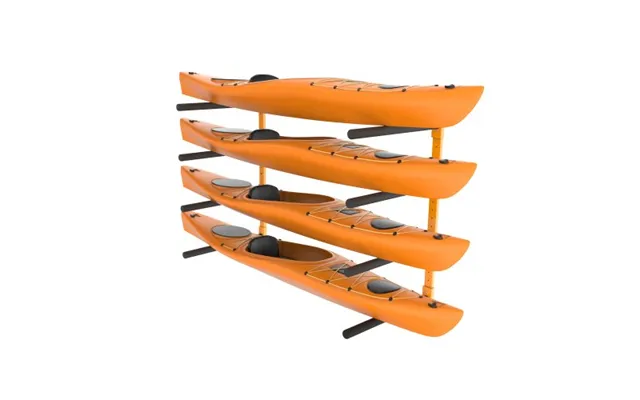
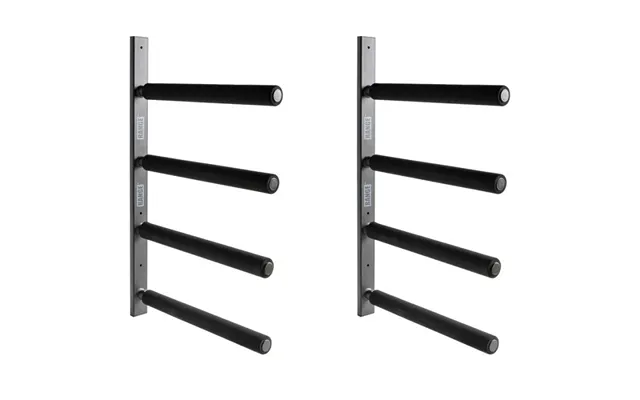
Wall racks are a go-to for garages and sheds. They come in single-arm cradles, J-style hooks, and padded saddles and are great if you want your boat horizontal and out of the way. A properly mounted wall rack holds a kayak or canoe securely and keeps the hull supported along a broad area to reduce pressure points. Ideal when floor space is tight but wall space is plentiful.
Ceiling hoists use pulleys, straps, or rope-and-pulley blocks to lift watercraft up and out of the way. They’re a top choice for garages with good ceiling joists. Hoists make seasonal storage and access easy: lift when you’re done, lower when you’re ready. They keep boats off the floor and away from pets or damp concrete, but you’ll need enough clearance so the boat doesn’t hit lights or beams when raised.
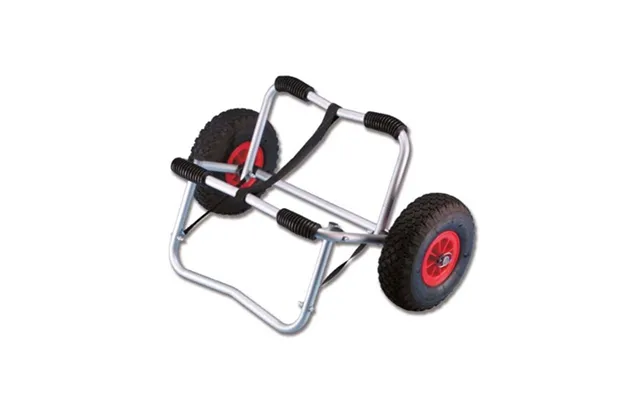
Freestanding racks sit on the floor and often store multiple boats vertically or horizontally. Rolling racks add wheels for mobility, which is brilliant if you frequently rearrange gear or work on boats in the driveway. These systems are great for basements, garages, or boathouses where you don’t want to drill into walls or ceilings.
Vertical racks store kayaks or SUPs standing on their sterns, saving a ton of floor space. They often use padded legs and a small footprint, making them perfect for tight spaces or small garages. Just check that the stern and keel are supported properly to prevent deformation over time.
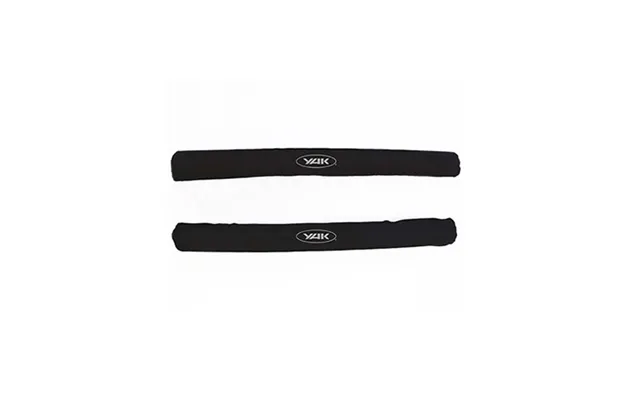
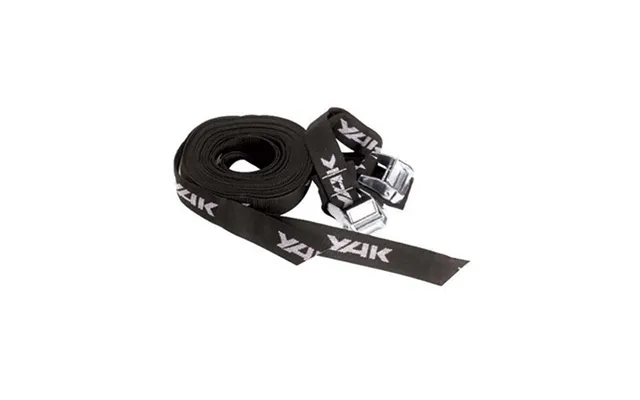
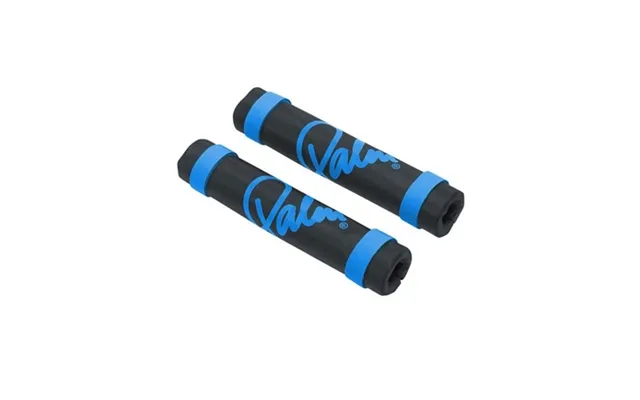
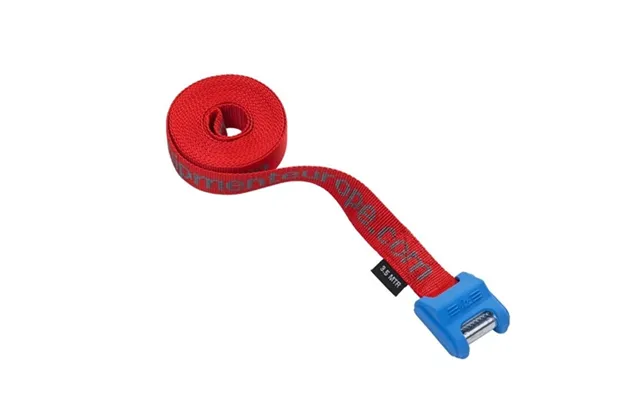
Roof carriers are essential if you drive to launch points. These systems range from foam blocks and cam straps to dedicated cradle systems that bolt onto crossbars. Some roof carriers are designed specifically for tandem canoes or wide kayaks. They’re all about secure transport, easy loading, and protecting the hull from road vibrations and wind lift.
Dock racks sit at the water’s edge and are perfect for waterfront properties. They lift boats out of the water, reducing algae growth and hull wear from constant wetting and drying. Materials need to resist salt and freshwater corrosion, and proper drainage and ventilation are important to prevent mildew.
Racks are typically made from steel, aluminum, or molded plastic. Steel is strong but needs a corrosion-resistant coating — think powder coat or galvanized finish — especially for coastal or dock use. Aluminum resists rust and is lighter, but can bend under extreme loads if under-engineered. UV-resistant plastics and composites are lightweight and won’t rust, though they may degrade slowly under prolonged sun exposure. Choose material based on where you’ll use the rack and how much weight it needs to carry.
Before buying, measure your boat in feet and inches. Kayaks are often 8–18 feet long; canoes commonly range from 12–17 feet. Check the rack’s weight rating in pounds — a single recreational kayak often weighs 30–70 lb, while heavy touring or tandem craft can exceed 100–150 lb. Always add a safety margin: if your boat weighs 80 lb, pick a rack rated for at least 120–150 lb per cradle. Also consider beam width (boat width) so the rack can support the hull evenly without tipping.
Installing a rack is straightforward, but it matters where and how you anchor it. For wall or ceiling mounts, locate solid joists or studs and use lag bolts sized for the load. Use a stud finder, and if in doubt, consult a builder or a pro. For roof systems, secure crossbars correctly and use cam straps that won’t abrade the hull. Always test load-bearing systems with a gradual weight test before fully relying on them — better safe than sorry.
Even an indoor garage can be damp, and outdoor racks face rain, UV, and salt. Use UV-resistant straps, stainless steel hardware, and protective pads to minimize scrapes. For metal racks, inspect fasteners for rust and replace with stainless steel or galvanized parts. For boats stored outdoors, apply a UV protectant to the hull every few months and use breathable covers so condensation doesn’t build up under the fabric.
If your boat is stored outside or at a shared dock, security matters. Heavy-duty cable locks or keyed locks threaded through the hull handles and anchored to a fixed point deter opportunistic thieves. For garage or shed storage, secure doors with robust deadbolts and consider motion-sensor lighting. Insurance often favors owners who demonstrate secure storage — it can help with claims and lower premiums in some cases.
Little additions can make a big difference. Padded cradles reduce pressure marks; cam straps with soft loops protect the hull; keel rollers and bow tie-downs keep boats snug during transport. Shelf brackets that double as kayak holders, wall-mounted accessory racks for paddles and PFDs, and small workbenches nearby can make maintenance painless. Think of accessories as tools that save time and prevent accidents.
When you’re comparing options, use this mental checklist: How much weight does the rack support in pounds? Will it fit the boat’s length and beam in feet and inches? Is it rated for indoor or outdoor use? Is installation simple enough for your space and skill level? Does it protect the hull from point loading and UV damage? Once you answer these, the right rack will pop out from the pile of options like a friendly face in a crowd.
Below are well-regarded rack styles and brands to consider. These suggestions cover different budgets and use cases: garage storage, roof transport, dockside lifting, and mobile solutions. They’re meant to help you compare rather than endorse a single retailer.
Ideal for weekend paddlers who drive to launch sites. Foam block systems are cheap and lightweight and work for short trips, but cradle-style carriers and J-style racks provide better support for long hauls. Most premium roof systems handle 100–150 lb per kayak and include straps and bow/stern tie-downs for secure transport.
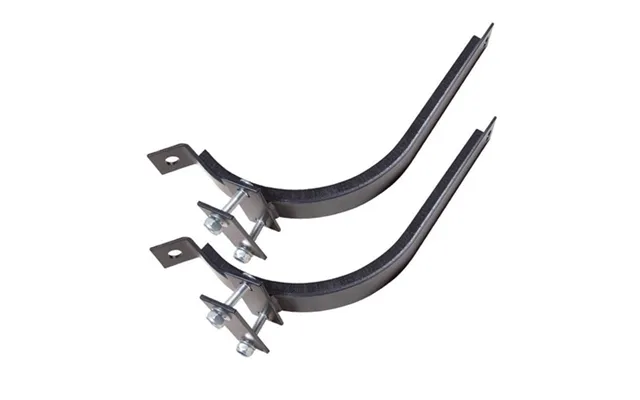
J-cradles are popular because they let you store two boats in the space normally occupied by one when mounted offset. They’re easy to use and generally work for kayaks 8–14 feet long and up to about 80–120 lb. Look for padded contact points and corrosion-resistant hardware for longevity.
Ceiling hoists are the friend of anyone with a busy garage. These systems usually come with straps rated for 150–200 lb and allow quick one-person operation. They’re great for boats up to 16 feet long, provided your ceiling height gives enough clearance when lifting.
Vertical towers are a godsend in small spaces. They take a kayak’s footprint down to a few square feet and often support weights up to 100–150 lb. Make sure the base is stable and the contact points are padded to avoid deforming the keel over time.
For waterfront owners, dockside lifts lift and cradle the hull out of the water and often include adjustable supports. These systems are engineered for marine conditions, with stainless or galvanized components and capacity for boats from 100 lb to over 500 lb, depending on size. They reduce growth on the hull and prevent damage from waves and debris.
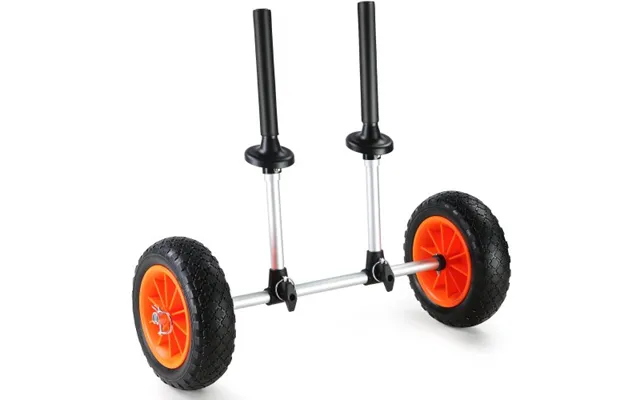
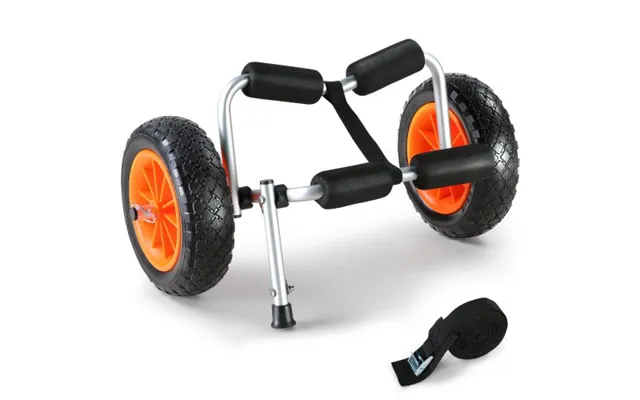
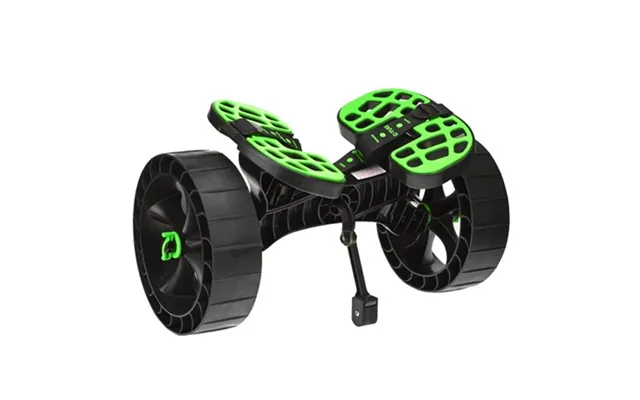
If you attend group paddles or need a rack you can store away, folding and wheeled racks are a flexible option. They collapse when not in use and can support multiple boats. Capacity varies, so check pound ratings before loading heavy craft.
You don’t always need top-dollar gear. Spend on structural components and corrosion resistance — those are safety and longevity items. Save on extras like fancy straps if you can get durable, UV-rated replacements for less. A solid mid-range rack often outperforms a cheap one because of better materials and mounting hardware, so weigh initial cost against expected lifespan in years.
Storing a boat at a saltwater dock demands different choices than a temperate, dry garage. For seaside locations pick stainless hardware and thicker protective coatings. In a chilly climate, allow room for drying to prevent frost-related expansion. For urban garages, vertical or ceiling storage maximizes space. Always tailor your system to the environment you use most often.
Don’t skimp on anchoring — a poorly mounted rack can let a boat fall and get damaged. Avoid storing boats directly on concrete for long periods, especially in damp basements; use pallets or risers. Don’t leave straps tight enough to dent the hull; instead, support the boat fully and use soft loops under straps to distribute pressure. And don’t forget periodic checks: fasteners loosen and pads degrade over time.
Answer three questions: Where will you store (garage, dock, vehicle)? How often will you access the boat (daily, seasonally)? What’s the heaviest boat you own in pounds? Combine those answers to choose between wall, ceiling, vertical, or dock systems. When in doubt, choose a system with a higher weight rating and replaceable contact points — it gives you flexibility if your fleet grows.
Choosing the right watercraft storage rack keeps your boats safe, extends their life, and makes paddling more enjoyable. Whether you opt for a wall-mounted J-cradle, a ceiling hoist, a roof carrier for road trips, or a dockside lift, the key is matching the rack’s capacity and materials to your environment and craft. Invest in quality where it matters — mounting hardware, corrosion resistance, and hull protection — and you’ll be rewarded with years of trouble-free storage and quick, easy access to the water.