




All categories
Business & Offices
Electronics & Media
Fashion & Accessories
Groceries & Essentials
Health & Personal Care
Home & Living
Kids & Family
Sports & Outdoors
Search in ZoneOffer
Loading...
If you climb, you already know the rope is more than a length of cord—it's your lifeline. Choosing the wrong rope can make a route harder, add unnecessary weight to your pack, or worse, compromise safety. This guide walks you through the rope types, diameters, lengths, treatments, and real-world picks so you can make confident choices whether you sport-climb, trad-climb, ice-climb, or top-rope at your local gym.
First off, you need to understand the difference between dynamic and static ropes. Dynamic ropes stretch under load to absorb the force of a fall, making them the go-to for lead climbing and top-roping. Static ropes stretch very little, which is why they’re used for hauling gear, rappelling, rescue, or fixed lines. Most climbers keep at least one dynamic rope for climbing and a static or half-length static for rigging or hauling.
Dynamic ropes are essential if you expect to take falls. They smooth out the shock of a fall, reducing force on both you and your protection. For sport and trad lead climbing, look for a single dynamic rope rated for single-rope use. They’re versatile enough for gym sessions, multipitch routes, and many outdoor objectives.
Static ropes are perfect for fixed lines, hauling, and rescuing. They won’t stretch like a dynamic rope, so they’re more predictable for lowering loads or for ascents using mechanical devices. Keep one in your kit for anchors, rappels, or rescue practice.
Climbing ropes come in single, half (also called double), and twin classifications. Single ropes are designed to be used alone, half ropes are clipped alternately to protection for wandering lines, and twin ropes are always used together and clipped through the same protection points. Each system has pros and cons depending on the route complexity and your objectives.
Single ropes are easy to manage and often the lightest choice for sport climbing and most trad routes. If you expect long pitches, a single rope in a longer length gives you the ability to lower to the ground without tying knots mid-descent. For general use, choose a single rope around 200 ft to 230 ft depending on the crag.
Half ropes reduce rope drag on wandering multipitch routes and give redundancy in the event of sharp-edge contact. Twin ropes are great for glacier travel and mixed ice where you want to spread the load and back up an anchor system. Both systems add complexity—so make sure your belay technique and devices are compatible.
Rope diameter affects everything from handling to durability and weight. Thicker ropes (around 0.40 inch and up) tend to last longer and feel stiffer, which some climbers like for sport climbing because they’re easier to clip. Thinner ropes (around 3/8 inch) are lighter and move faster through ropes devices, making them a favorite for alpine objectives where every ounce counts.
If you’re picking a rope for gym and sport climbing, consider something between about 0.39 inch and 0.43 inch. For alpine or long approaches where weight is critical, ropes around 3/8 inch are popular. Keep in mind that thinner ropes can be less durable on rough rock and may require more frequent retirement.
Rope length affects how many pitches you can climb and whether you can lower from the top. Common rope lengths you’ll see are around 165 ft, 200 ft, and 230 ft. A 200 ft rope is the sweet spot for many crags—it allows for long sport pitches and most multipitch routes. If your area has longer pitches or you want to avoid simul-climbing rappels, a 230 ft rope gives extra margin.
Think about the routes you climb most. If most routes are short single-pitch sport climbs, a 165 ft rope can save weight and bulk. For trad and multipitch areas, 200 ft or 230 ft is safer. Also consider rope management: longer ropes can be heavier and bulkier at your harness.
If you climb in wet or snowy conditions, dry treatment on the sheath and sometimes the core can be a game-changer. A dry-treated rope resists absorbing water, which keeps it lighter and slower to freeze in cold weather. That matters for ice climbing, mixed routes, and damp sea-cliffs. Even if you mostly climb in dry conditions, a dry treatment can add years to a rope’s life.
Dry-treated ropes are often a bit pricier, and the treatment can wear off over time—especially if you frequently drag the rope over abrasive rock. If you do a lot of wet-weather or winter climbing, the added cost is usually worth it. For indoor climbers, the difference is less significant.
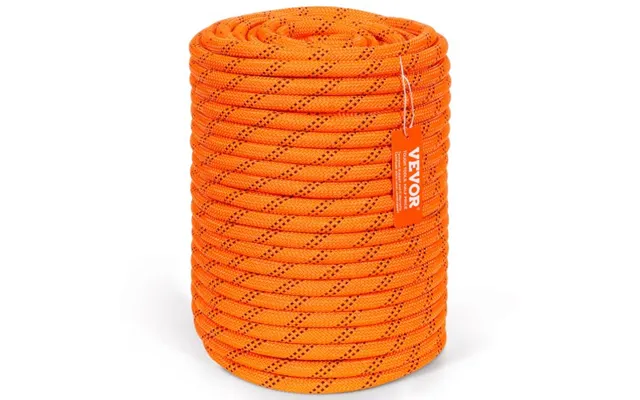
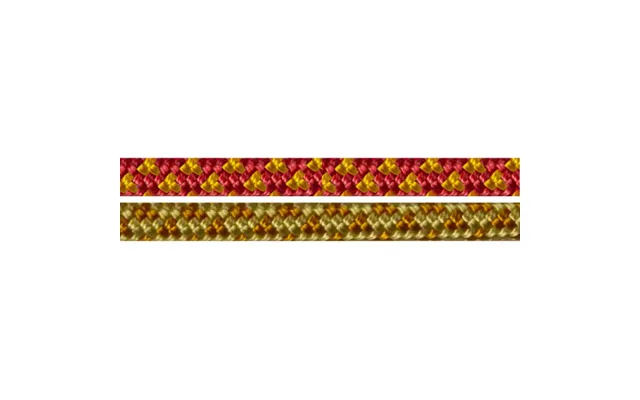
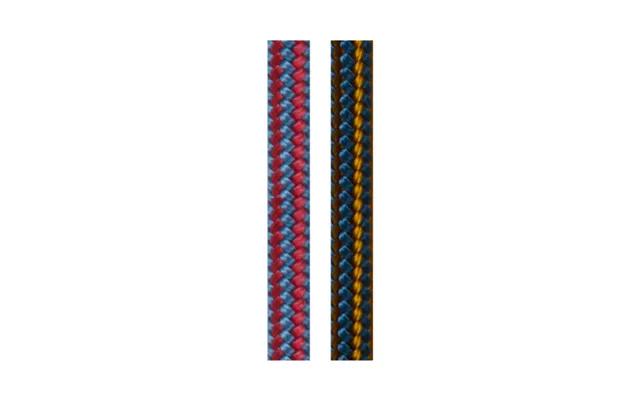
The vast majority of modern climbing ropes use kernmantle construction: a core (kern) that carries the load, and a woven sheath (mantle) that protects the core and provides handling. When shopping, pay attention to sheath percentage, weave tightness, and any special coatings. A tightly woven sheath resists abrasion better but may feel stiffer.
On a new rope, the sheath should be smooth without bulges, the core should not be visible anywhere, and the weave should be even. As ropes age, watch for flat spots, soft or spongy sections, fuzzing of the sheath, or visible core strands—those are signs it’s time to retire the rope.
Different belay devices work best with specific rope diameters. Tubers and assisted-braking devices commonly handle a range from about 3/8 inch up to 0.43 inch. If you plan to climb with very thin ropes, double-check that your belay device and carabiners are compatible. Some devices offer better control with thin ropes, while others are optimized for thicker, stiffer ropes.
Try belaying with a new rope at the gym before taking it outdoors. That way you can get comfortable with how it runs through your device and practice lowering with the rope under different loads. It’s a small step that pays off in safety and confidence.
Take care of your rope and it will take care of you. Keep it clean by brushing off grit and washing in lukewarm water with a rope cleaner when needed. Dry it away from direct heat and sunlight. Store it coiled in a cool, dry place—avoid leaving it in a hot car or in UV-heavy sunlight for long periods.
There’s no single rule for rope retirement, but common triggers include a major fall on a thin or old rope, visible core exposure, soft or mushy sections, or fuzzy sheaths with significant wear. For everyday gym ropes, replace more frequently; for weekend trad ropes, inspect carefully after every heavy fall or significant abrasion. When in doubt, err on the side of caution—your life is worth more than the rope price.
Knots can weaken a rope slightly but are unavoidable. Learn the figure-eight follow-through for tying into a harness, and use a stopper knot when needed. For protection, avoid sharp edges or use edge pads. When rappelling, use a backup knot or an autoblock to add redundancy.
Practice knots until you can tie them without thinking, and always double-check before clipping in or reversing rappels. Use brightly colored rope ends or sewn-in markers to help with tying and to quickly inspect the rope’s condition at a glance.
There are many great ropes on the market, and which one is right depends on your goals. Here are a few well-known options you might see while comparing deals on a comparison site like ZoneOffer—remember to verify specifications and certifications before buying.
If you want something light for long approaches and quick simul-climbing, look at single ropes that sit near the 3/8 inch mark in diameter. These ropes shave ounces off your pack and make long routes feel less tedious. Expect a trade-off in abrasion resistance compared to thicker ropes.
For a do-it-all rope, aim for something around 0.39 inch to 0.41 inch. These ropes balance handling, durability, and weight, making them popular choices for sport and trad climbers who want a single rope to do it all.
If you’re routinely wandering lines on multipitch routes or heading into mixed ice, half and twin rope systems give you redundancy and less drag. They let you clip alternate gear, and can split the load during rappels or in case of sharp-edge contact.
When you’re comparing offers, focus on rope type, diameter in inches, length in feet, dry treatment, and any certifications like UIAA or CE compliance. Compare warranties, included accessories (like stuff sacks or sewn ends), and vendor reputation. A comparison site can surface price differences across retailers, but always check return and warranty terms before purchase.
Avoid ropes without clear certification information, vague product specs, or sellers who can’t provide proof of authenticity. Very cheap ropes from unknown brands might be tempting, but they could lack quality control or proper testing. Spend a little more on a rope you trust—it's the most important safety item you own.
Don’t forget the small extras that keep your rope performing: a proper rope bag, a biodegradable rope cleaner, and a soft carry strap to protect the rope from rough ground. A rope brush helps clean grit from the sheath, and a lightweight rope tarp keeps the rope off the dirt while you belay.
A rope bag prevents dirt from building up and makes carrying long lengths easier. Many bags have a separate compartment for shoes or quickdraws, which keeps your gear tidy and reduces the chance of mud or grit abrading the sheath while you climb.
Before you click buy, ask yourself: what routes do I climb most? Do I need a dry-treated rope? Am I willing to trade durability for weight savings? If you’re switching from a thicker to a thinner rope, practice with it at the gym to get used to the different feel. And if you’re unsure, lean toward a slightly thicker mid-diameter single rope for versatility.
If possible, talk to local climbers and handle ropes in a shop or demo event. Nothing replaces the feel of a rope in your hands: how it feeds through your device, how it knots, and how it takes a fall. Use those hands-on minutes to inform your purchase.
Use this short checklist to keep your shopping focused: rope type (dynamic vs static), system (single/half/twin), diameter in inches, length in feet, dry treatment, certifications, and compatibility with your belay device. Add brand reputation and price comparisons to round out your decision.
Armed with the right info, you’ll pick a rope that fits your climbing style and keeps you safe on the rock. Happy climbing—and remember: practice good rope care and inspect before every climb.
| Climbing Rope | Price | |
|---|---|---|
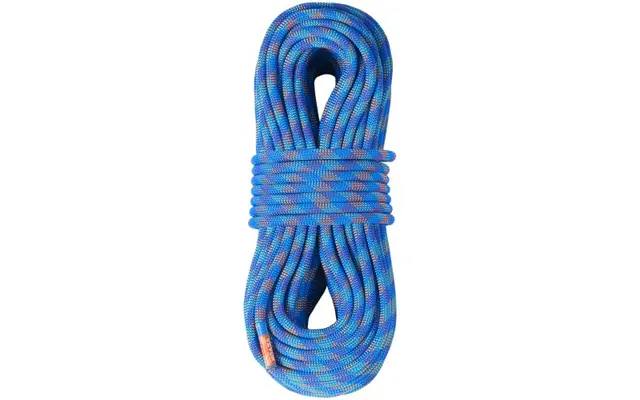
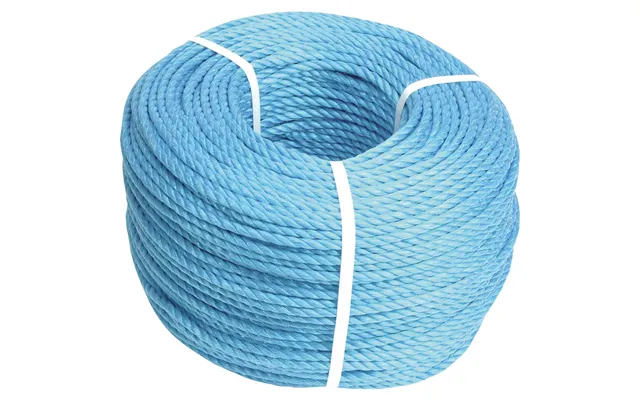
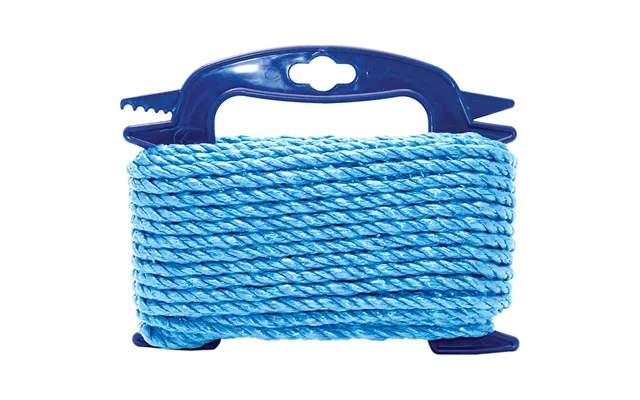
| Faithfull Blue Poly Rope 10mm 10m | £ 7,49 | |
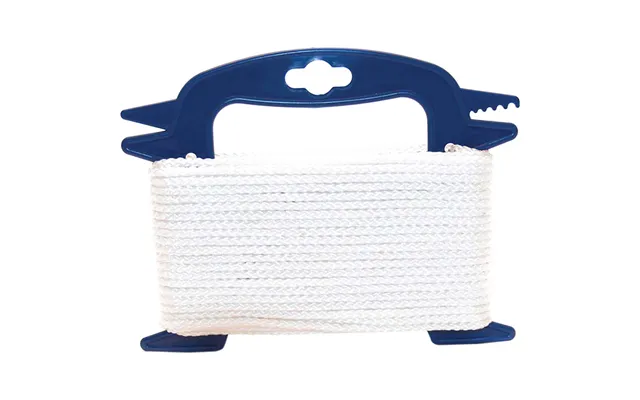
| Faithfull Multi Function Rope 6mm 20m | £ 8,49 | |
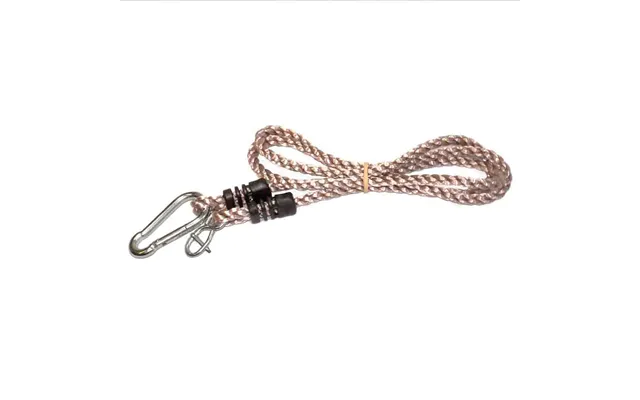
| Tree Swing Conversion Rope - Swing Rope | £ 8,49 | |
| Faithfull Blue Poly Rope 12mm 30m | £ 17,95 | |
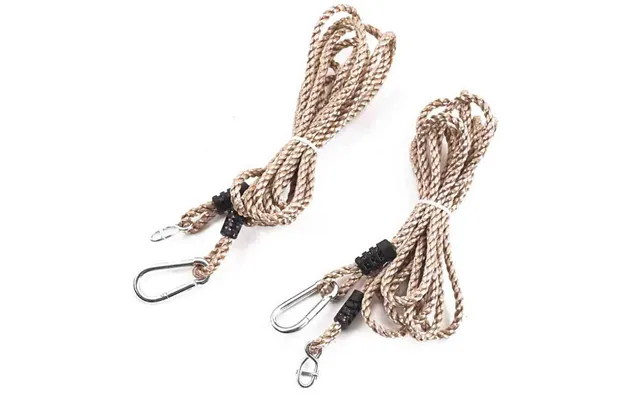
| Tree Swing Conversion Rope - Swing Rope | £ 18,69 | |
| Faithfull Blue Poly Rope 6mm 220m | £ 24,95 | |
| Sealey Polypropylene Rope 10mm 220m | £ 57,95 | |
| Kratos Fall Arrester On Kernmantle Rope 10m White Green Hsfa2010210 | £ 186,06 |


