

Bite Alarms price list
Last updated Friday, 9 Oct 2026
| Bite Alarms | Price |
|---|---|
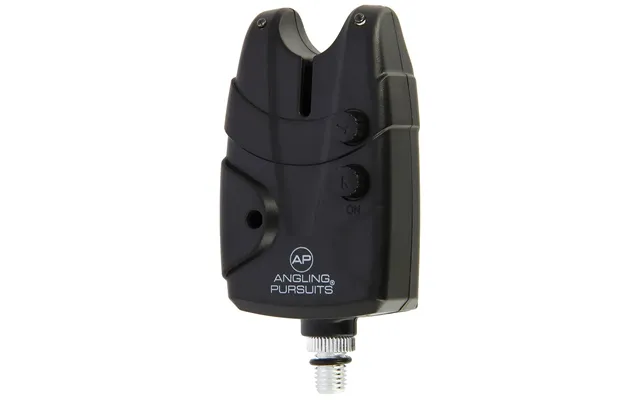
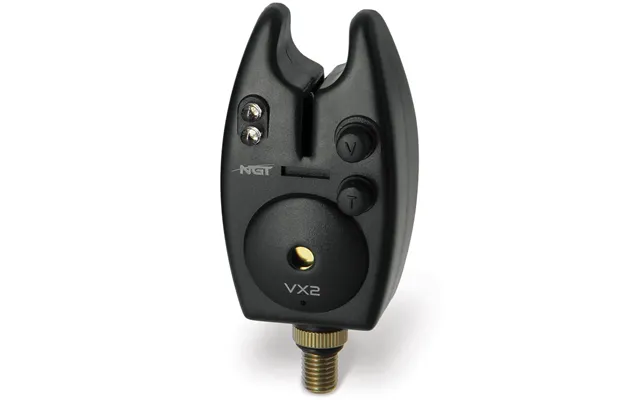
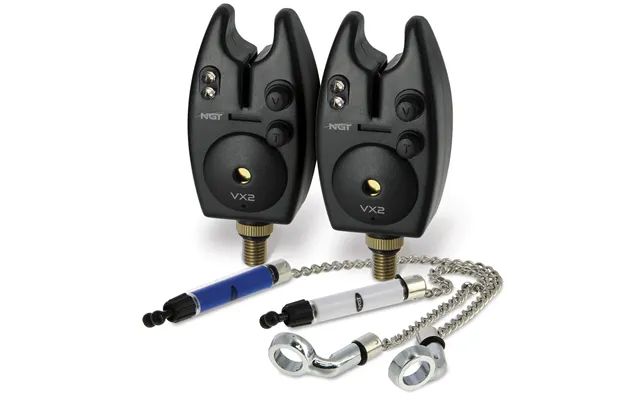
| Ngt Carp Fishing Black Vx2 Twin Bite Alarm And Indicator Set With Batteries | £24.99 |





View 4 Offers
Loading...
Last updated Friday, 9 Oct 2026
| Bite Alarms | Price |
|---|---|
| Ngt Carp Fishing Black Vx2 Twin Bite Alarm And Indicator Set With Batteries | £24.99 |
If you’re serious about night fishing or want to avoid missing a single tap when you’re waiting by the bank, bite alarms are the difference between guessing and knowing. A good bite alarm acts like a second pair of eyes and ears, alerting you the instant a fish takes the line so you can react in seconds rather than minutes. Think of them as a security system for your rod tips — they give you confidence, especially when you’re spread across multiple rods or when it’s dark and visibility is low.
There’s more than one way to get an alert. Modern anglers commonly choose between electronic alarms, mechanical indicators like clackers, and bobbins or swingers that offer a visual cue. Each style has its place depending on water conditions, the species you’re targeting, and your budget.
Electronic alarms are the go-to for many carp anglers. They clip onto a rod rest or buzz bar and detect line movement via a roller or sensor. Most models offer adjustable sensitivity, volume control, and a tone selector so you can tune each unit to a specific rod. They’re ideal when you fish multiple rods and want immediate audible alerts, plus many models pair with wireless receivers so you can roam up to hundreds of yards without missing a bite.
Mechanical options like bobbins and swingers are simple, reliable, and don’t need batteries. A bobbin hangs on the line between the rod tip and the reel — when a fish takes the bait, it drops or jerks, giving a clear visual cue. Swingers and clackers can be tuned by hand and are favored where electronic noise might be an issue, or when matching the natural feel of a rod tip is preferred.
When shopping, focus on sensitivity, tone options, battery life, build quality, and whether the alarm is waterproof. Do you plan to fish in heavy rain or from a bivvy? Make sure the unit can handle splashes and persistent damp. And if you’re using multiple rods, defaulting to models with wireless receivers is a smart move — they save you from sitting glued to your swim.
Sensitivity determines how small a movement the alarm will register. High sensitivity picks up subtle takes — great for wary carp — but can also trigger false alarms from wind or snags. Pitch or tone is useful when you run several alarms on a bank; assign different tones so you can tell which rod has been taken without looking.
Volume matters at dawn or during a windy night. Look for alarms with adjustable volume and clear, bright LEDs so you can see which rod is going off from a distance of several yards. LED visibility is especially handy for quick checks without switching on a headlamp and spooking fish.
Durability and battery performance go hand in hand. Consumers often report that a unit with a real IPX rating lasts longer and keeps working after heavy showers. For battery life, expect anywhere from 100 to 400 hours depending on model and usage; many anglers prefer alarms that run on standard AA or AAA batteries so spares are easy to source in the field.
There’s a wide range of options from premium to budget-friendly. Certain brands have become synonymous with reliability and feature-rich design. You don’t always need the most expensive model to get excellent performance, but understanding the brand strengths helps you match the right alarm to your style.
High-end units, often associated with British carp fishing, focus on ultra-sensitive detection and long-range wireless receivers. These are the alarms anglers choose when they need pinpoint sensitivity and advanced features like adjustable tone, multi-channel receivers, and robust waterproofing. If you’re targeting big carp in pressured waters, a premium alarm can make a measurable difference.
Brands like Fox and Nash bridge the gap between price and professional features. They typically offer rugged construction, good sensitivity, and handy extras—think LED colour choices and receiver compatibility—without pushing into top-tier price points. For many anglers, these strike the best balance when outfitting a 3-rod set.
If you’re on a budget or want a reliable second set, look at products from Sonik, Prologic, and Korda. These provide essential functions like sensitivity adjustment, volume control, and decent battery life at a lower cost. They’re perfect for beginners or anglers who fish casually but still want dependable alerts.
Bite alarms are only part of the setup. Pairing them with the right accessories—receivers, rod pods, chargers, and spare batteries—ensures you’re ready for any situation on the bank. A small investment in quality accessories often provides more value than upgrading the alarm itself.
Wireless receivers extend your range and let you carry alarms in your bivvy while you stroll the swim. Typical receiver ranges are listed at around 300 yards or more, but actual distance depends on terrain and obstacles. Receivers with multi-channel memory and rechargeable packs are a solid convenience upgrade.
How you present the rod affects both bite detection and hook setting. A sturdy rod pod keeps everything stable across wind and water action, while quality banksticks and buzz bars give secure mounting points for alarms. Opt for corrosion-resistant metals and the ability to fine-tune rod angle — small adjustments can reduce false alarms and improve hook-ups.
A protective case keeps alarms safe between sessions and simplifies transport. Rechargeable battery kits and USB chargers can save money over time, but also carry a couple of spare disposable batteries in case you’re stuck on a long weekend and can’t charge up. Organization here is like packing a small survival kit — you’ll thank yourself when something unexpected happens.
Night fishing changes everything: sound becomes more important than sight, and subtlety can win or lose the session. Proper setup minimizes false alarms and maximizes your ability to respond fast when a fish takes the bait.
Place rods so that the line runs smoothly from reel to tip with no sharp bends that could affect sensitivity. Most carp rods are between 10 and 13 feet long — aim to set them so the tip sits level with your alarm and the line sits on the roller cleanly. If you run multiple rods, space them so that each unit has its own sound identity and isn’t affected by line crossing or tangles.
At night you’ll likely want higher sensitivity to catch the softest takes, but wind and surface ripple can cause false positives. Try a middle-ground setting and adjust a touch until you’ve found the threshold that catches real takes without constant nuisance alarms. A quick test: pull the line gently to simulate a take and tune until the alarm responds consistently at the desired pull strength.
Even the best alarms can misbehave occasionally. Familiarity with common issues and quick fixes keeps you fishing instead of fiddling with gear.
False alarms often stem from wind, slack line, or poor rod placement. Tighten the line a touch, lower sensitivity, or change the rod angle to reduce false triggers. Using a bobbin or swinger in tandem with electronics can filter out light line movement while still alerting you to solid takes.
If your alarms or receiver lose connection, check batteries and antenna positioning first. Replace weak batteries and ensure receivers are within the manufacturer’s recommended range — hilly terrain and buildings can cut that advertised 300-yard range down significantly. For recurring connection problems, a hard reset or re-pairing sequence usually restores proper function.
You don’t need to spend a fortune to get a reliable setup, but there are clear moments where spending more pays off. Match your purchase to your fishing frequency, target species, and the conditions you fish most often.
Invest in high-end alarms if you fish pressured waters for trophy carp, spend long nights in bivvies, or require extremely sensitive detection. Premium units often come with superior sensitivity, customizable tone patterns, and robust wireless systems that give you a real edge on tough lakes.
If you’re starting out, buy a mid-range alarm and invest more in a good rod pod and receiver or rechargeable battery pack. Buying a set (three alarms and a receiver) is usually cheaper than buying single units over time, and seasonal sales often drop prices by a noticeable percentage. Also consider buying last-year’s model — features rarely change dramatically from one year to the next, but prices can fall significantly.
Choosing the right bite alarm boils down to matching features to needs. Are you a weekend angler who wants dependable alerts at a low cost? Go for a solid mid-range set. Night-time specialist who chases big carp in pressured waters? A high-end, ultra-sensitive system with a long-range receiver is worth considering. And remember: the perfect setup includes accessories — good banksticks, a stable rod pod, reliable batteries, and a small number of spares will keep you fishing longer and stress-free.
At the end of the day, bite alarms are about peace of mind. They remove guesswork, help you cover more rods, and increase your chances of hooking fish when it matters. Take your time to test sensitivity and tone, practice setting rods in different wind conditions, and don’t be afraid to mix mechanical and electronic solutions to get the best of both worlds.
Now that you’ve got the lowdown, next time you’re comparing options online or in-store, you’ll know which features to look for and where to save versus where to splurge. Tight lines!