All categories
Business & Offices
Electronics & Media
Fashion & Accessories
Groceries & Essentials
Health & Personal Care
Home & Living
Kids & Family
Sports & Outdoors
Search in ZoneOffer

Loading...
Think of your fishing tackle as the toolbox that decides whether a quiet afternoon on the bank becomes a story-worthy catch or a day of missed chances. The right rod, reel, line, and lures work together like a well-rehearsed band — when one instrument is out of tune, the whole song suffers. Choosing tackle that matches the species you’re chasing, the water you fish, and your casting style makes rod control easier, increases hook-ups, and reduces frustration. Plus, smart gear choices help you spot and take advantage of deals and bundles without sacrificing performance.
Action and power are the rod’s personality. Action tells you where the rod bends — fast action bends near the tip, offering quick hook sets and sensitivity. Power is the rod’s lifting strength — light rods are ideal for panfish and trout, medium for bass, and heavy rods for bigger saltwater fighters. If you’re unsure, a medium-light to medium rod around 6'6" is a versatile starting point that handles a wide range of freshwater situations.
Shorter rods (around 5'6" to 6'6") give accurate casts and better control in tight cover, while longer rods (7' to 8' or more) deliver longer casts and improved line control for windy or open-water situations. Graphite rods offer sensitivity and light weight, while composite or fiberglass rods give durability and a smoother bend. Match the rod length to your casting distance needs and the cover you’ll fish in.
Spinning reels are beginner-friendly and handle lighter lines and lures well. They’re forgiving on line twists and make long casts with light baits simple. For most anglers getting started or fishing light tackle, a quality spinning reel in the 2000–4000 size class is a reliable choice. Look for smooth drag systems and sealed bearings if you fish around saltwater or rough conditions.
Baitcasters shine when you need control, heavier line, and stronger drag for big fish. They excel with heavier lures and in situations where you want pinpoint placement. They do have a learning curve — mastering the thumb control to prevent backlashes takes practice — but once you’ve got it, a baitcaster is unmatched for power and accuracy in many bass and inshore saltwater scenarios.
Mono is an affordable, all-purpose line that stretches to absorb shocks, making it ideal for beginners and live-bait fishing. It’s also easy to knot and floats, which is great for topwater rigs. Typical pound-test choices for general freshwater range from 6 lb to 12 lb (pound-test). For heavier cover or larger species, scale up accordingly.
Fluorocarbon sinks and is less visible underwater, making it preferred for clear-water or finicky fish. It resists abrasion around rocks and structure better than mono, so many anglers use it as a leader material. A 6 lb to 10 lb fluorocarbon leader works well for trout and bass, while 12 lb+ is common for larger species.
Braided line has almost no stretch, giving excellent feel and direct hooksets. It has superior strength for its diameter, letting you spool more line and use lighter rods for heavier fish. Pair braid with a fluorocarbon leader to hide line visibility when fish are line-shy. Braid sizes are often listed in pounds equivalent, such as 30 lb braid for heavier freshwater or light saltwater work.
Hard lures cover different depths and actions. Crankbaits dive to set depths and are great for covering water quickly. Jerkbaits imitate wounded baitfish and trigger aggressive strikes when twitched. Topwaters create explosive surface action and are some of the most exciting lures to fish because you can see the strike. Match the lure size to the forage in your water — smaller lures for panfish and trout, larger for bass and pike.
Soft plastics offer versatility — wacky rigs, Texas rigs, drop-shot rigs, and swimbaits can all be adapted for different depth and structure. For pressured waters, small soft plastics on light jigheads can be deadly. Keep a few colors and sizes handy and experiment; the bite often comes down to subtle differences.
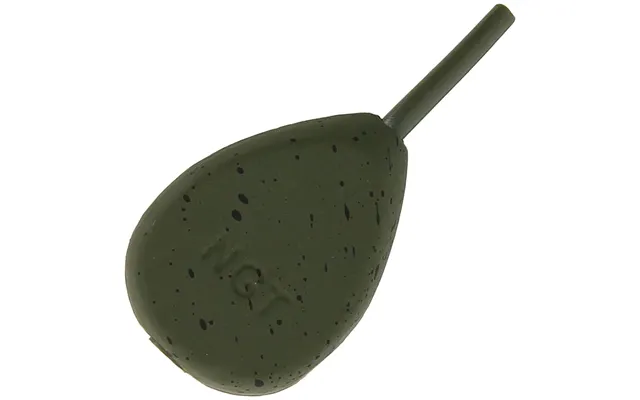
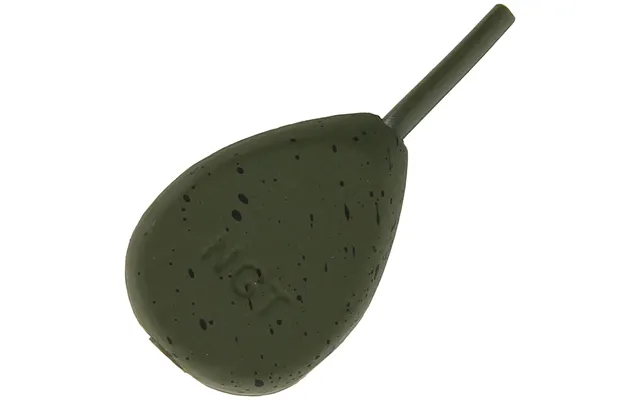
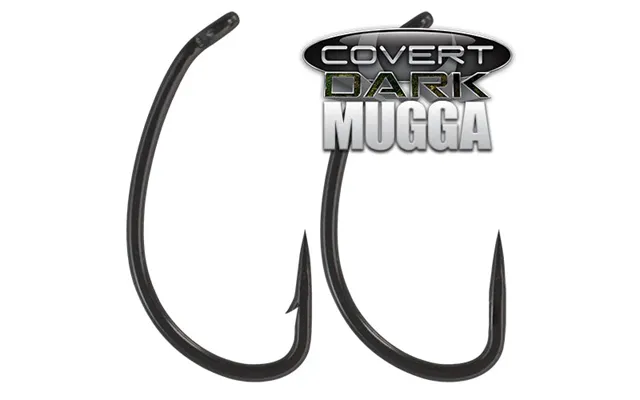
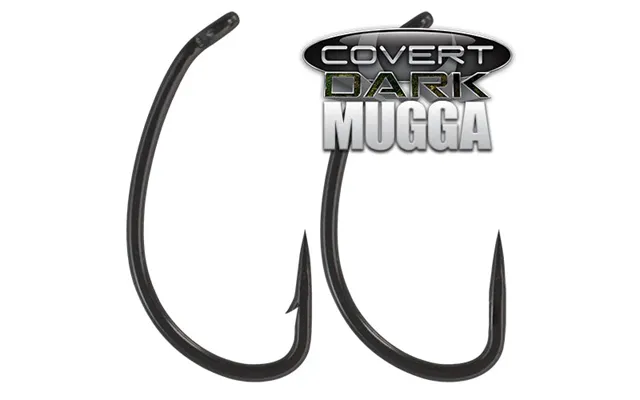
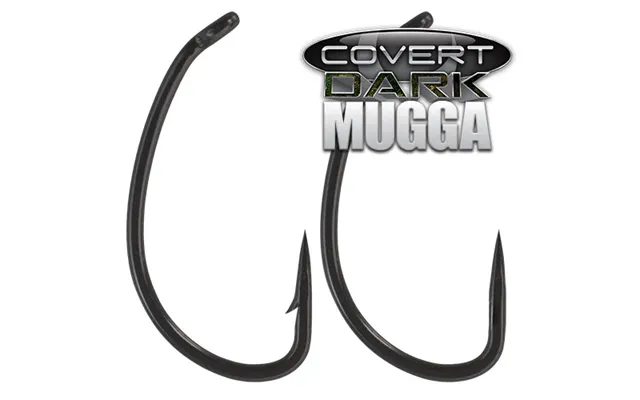
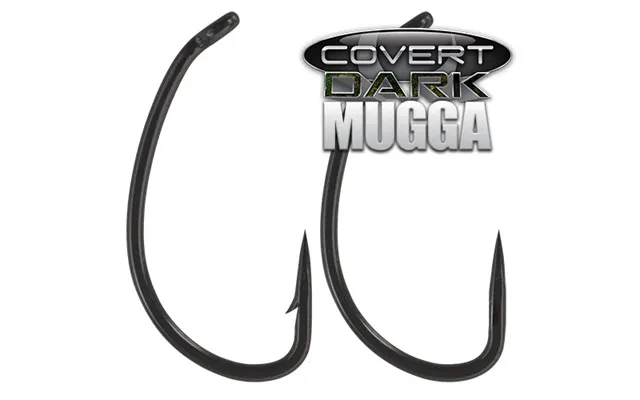
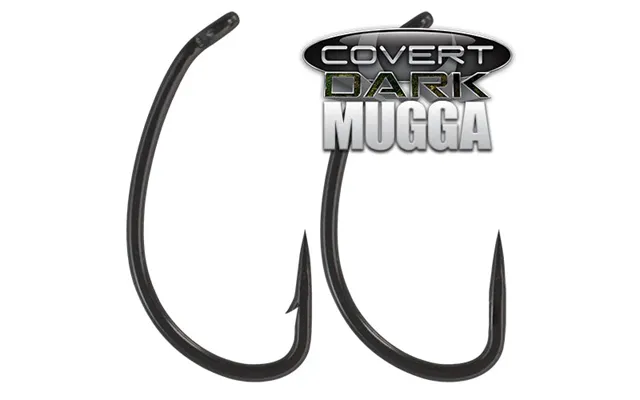
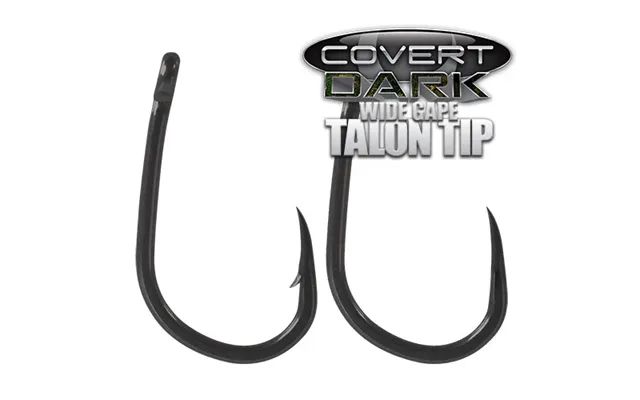
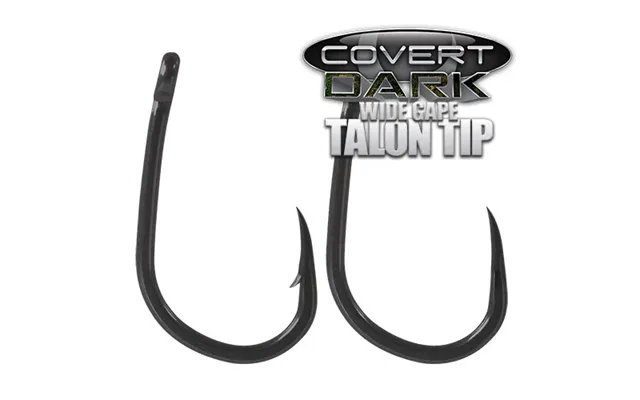
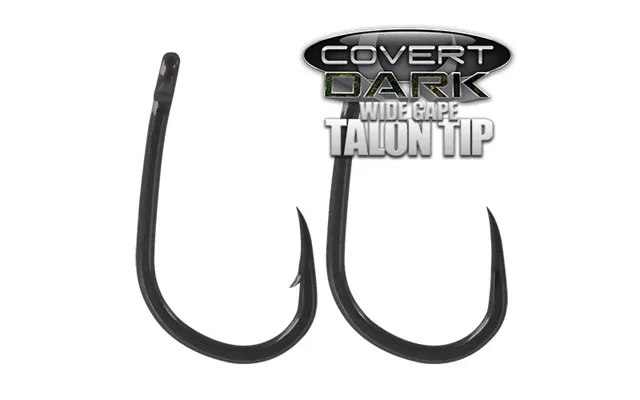
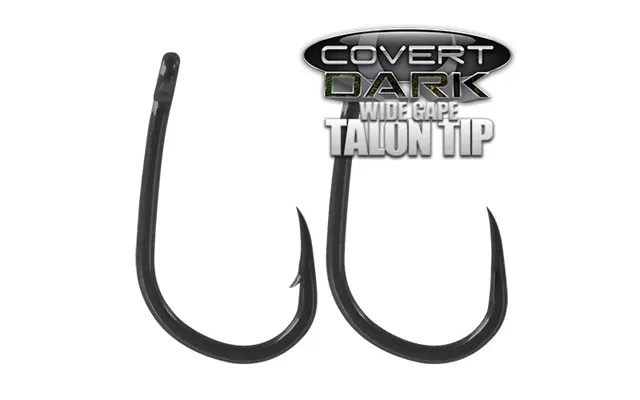
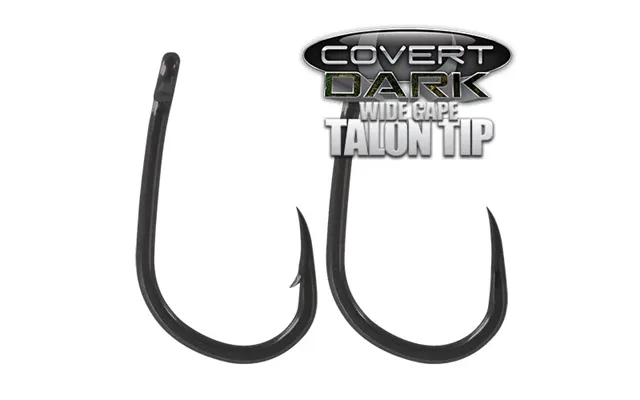
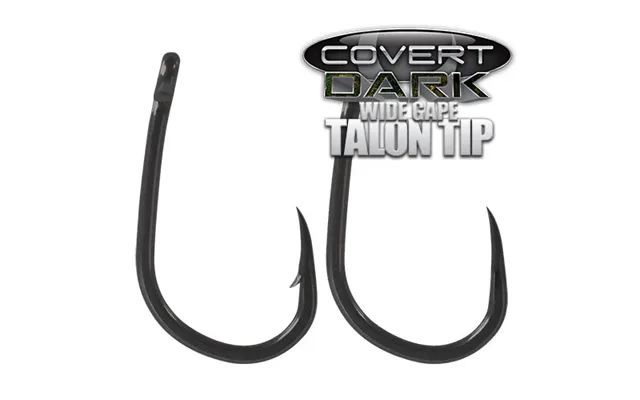
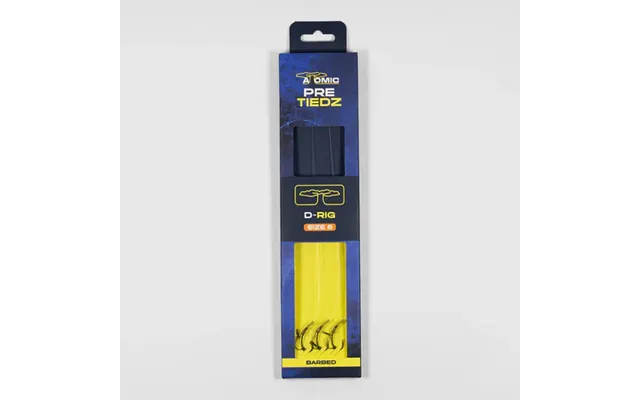
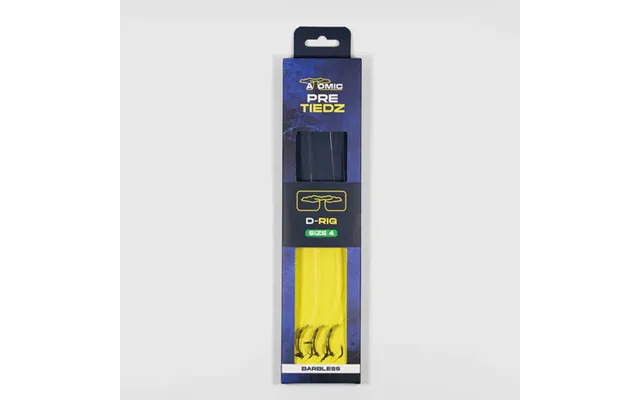
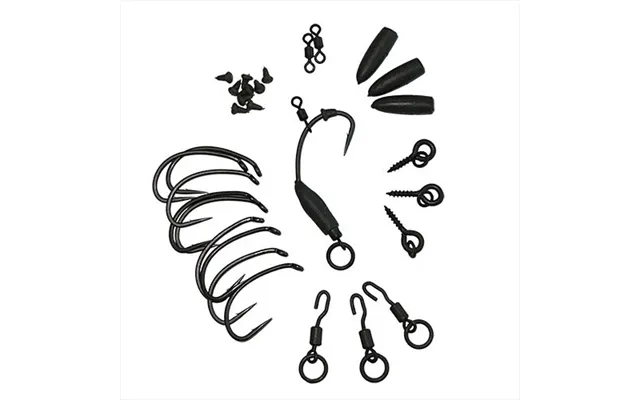
Don’t overlook the basics. Sharp hooks, the right weights, and reliable swivels make rigging dependable. Use lighter weights for finesse presentations and heavier ones when fishing deep or in current. Make sure to carry a selection of hook sizes and styles — from tiny dry-fly hooks to stout circle or J-hooks for larger species.
Hard tackle boxes with adjustable trays keep lures organized and protected, ideal for boat anglers or those who prefer tidy storage. Soft tackle bags are lighter and often have shoulder straps and pockets for quick access and mobility. Choose based on how you move: if you hike to remote banks, a lightweight bag beats a bulky box.
Group lures by species or action — topwaters together, soft plastics together — and label compartments if needed. Use zip-lock bags for spare hooks and swivels to prevent rusting, and keep spare spools of line in a dry pocket. A small tackle checklist helps before heading out so you don’t forget essentials like pliers, leaders, and spare hooks.
A landing net with a rubberized mesh reduces harm to fish and keeps hooks from tangling. Long-nose pliers are invaluable for hook removal, cutting line, and crimping. A compact digital scale keeps track of your personal bests; look for a scale that measures in pounds and ounces so you stay consistent with imperial units.
Fish finders let you quickly locate structure and fish on larger lakes or from a boat. Even a budget sonar can improve your efficiency. Line cutters and a quality reel maintenance kit extend the life of your gear so you spend more time fishing and less time fixing problems on the water.
Deals are everywhere, but the trick is separating a good price from a poor-quality item. Use comparison sites and read user reviews to see how gear performs in real-world conditions. Pay attention to comments about durability and warranty — a slightly more expensive reel with a good warranty can be cheaper in the long run than replacing a bargain reel every season.
Seasonal sales often mean big savings: winter closeouts on summer lures, or end-of-season discounts on rods and reels. Holiday weekends and annual fishing expos are also good times to pick up bundles. Buying last year’s color or model often nets a discount without losing performance.
If you’re just starting, a 6'6" medium-power spinning rod with a 2500-size spinning reel spooled with 8 lb mono is a flexible and forgiving setup for lakes and streams. Pair it with a selection of soft plastics, a couple of crankbaits, and a topwater lure — this covers most freshwater scenarios and teaches you casting, retrieval, and rigging basics.
Bass anglers often carry both a 7' medium-heavy baitcasting rod for flipping and a 6'6" medium spinning rod for finesse work. A 150-size baitcaster with 30 lb braid and a 12 lb fluorocarbon leader handles heavy cover and big largemouths. Add a few heavy jigs, creature baits, and spinnerbaits to cover dense vegetation and open water.
For inshore work, try a 7' medium-heavy rod with a corrosion-resistant spinning reel rated for saltwater, spooled with 20 lb braid. Use 20–30 lb fluorocarbon leaders for toothy species and rocky structure. Lures like soft plastic paddle tails, topwater plugs, and bucktail jigs cover many inshore situations. Always rinse gear with fresh water after saltwater use to extend life.
After each session, wipe down rods and reels and rinse with fresh water if you’ve been in salt. Loosen the drag before storage to preserve washers, and periodically remove the spool to clean and lubricate bearings and gears. Inspect your line for nicks and sun damage — replace line on a schedule based on how often you fish, or whenever you notice fraying.
Store rods horizontally or in rod racks to avoid warping. Keep lures in a cool, dry place away from direct sunlight to prevent plastics from melting or colors fading. Use silica gel packs in tackle boxes to reduce moisture and corrosion. These small steps add years to your gear’s lifespan and save money in the long run.
Fishing tackle isn’t just gear; it’s the toolkit that shapes your time on the water. Invest in the right rod, reel, line, and lures for the species and situations you fish most. Organize and maintain your tackle, and shop smart by comparing prices and timing purchases to snag deals. Whether you’re rigging a beginner freshwater setup or assembling a heavy inshore kit, the right choices make fishing easier, more fun, and far more productive. Get out, try combinations, learn from each cast, and tweak your setup until it matches your style — that’s half the joy of fishing.