

Kite Buggying - Other price list
Last updated Saturday, 10 Oct 2026
| Kite Buggying - Other | Price |
|---|---|
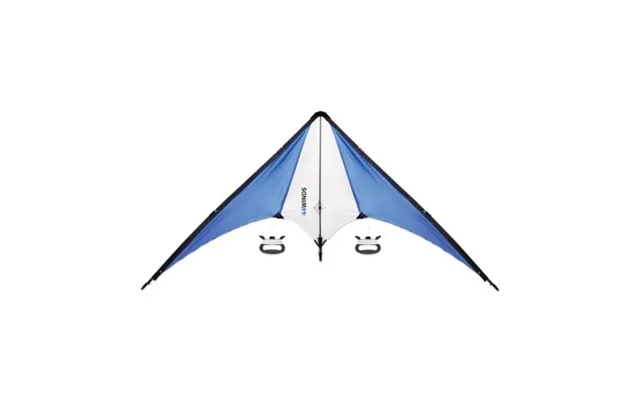
| Promotional Delta Kite Royal Blue Custom Branded Merch With Logo For Bulk Corporate Gifts | £6.94 |




Loading...
Last updated Saturday, 10 Oct 2026
| Kite Buggying - Other | Price |
|---|---|
| Promotional Delta Kite Royal Blue Custom Branded Merch With Logo For Bulk Corporate Gifts | £6.94 |
Kite buggying is a high-adrenaline outdoor sport where a rider sits in a three-wheeled buggy and is propelled across the sand, grass, or hard-packed dirt by a traction kite. Think of it as a blend of sailing, cycling, and kiteboarding on land — except you’re in control of a powerful wing that can pull you into smooth, flat-out runs or playful carving. Once you feel that first pull and the buggy surges forward, it’s easy to see why people get hooked. It’s simple to learn the basics, yet the learning curve keeps giving, with stunts, speed runs, and long-distance beach cruises to master.
Not all buggies are built the same. Your choice depends on whether you want a beginner-friendly, stable ride or a lightweight racer for top speed. The three most common types are recreational buggies, freestyle buggies, and race buggies — each with its own design philosophy and ideal rider profile.
Recreational buggies are typically wider, heavier, and built with user-friendly steering and a low center of gravity. They often come with wider tires or balloon wheels for soft sand and have a sturdy frame, so they’re perfect if you’re learning or want relaxed rides on the beach. Expect a weight around 40 to 70 pounds and a width of 48 to 60 inches for comfortable stability.
Freestyle buggies trade a bit of stability for agility. They’re lighter — sometimes in the 30 to 45 pound range — and feature responsive steering and compact frames to make jumps and tricks easier. If you plan to play in tight spaces or try airs and wheelies, a freestyle buggy is the go-to choice.
Race buggies are engineered for velocity. Narrower frames, streamlined seats, and lightweight alloys or carbon components bring weight down to the high 20s to mid 30s in pounds, and widths can be 36 to 44 inches. If you’re chasing top speed on a long, flat beach and are comfortable with less forgiveness, a race buggy will deliver the thrills.
The kite is your engine. Traction kites come in several shapes — foil kites, LEI (leading edge inflatable) kites, and especially designed rolling or power kites — each with different handling, depower, and relaunch characteristics. Choosing the right kite size and type is essential for control and safety.
Foil kites are lightweight, pack small, and excel in lighter winds, but they don’t relaunch easily from water. LEI kites are inflatable, relaunch smoothly, and handle gusts well, making them a popular choice for buggying on beaches where quick relaunching might be needed. For most land riders, a stable, medium-porous LEI or hybrid traction kite is a reliable pick.
Kite sizes are often chosen by wind speed and rider weight. A general rule is: lighter winds and heavier riders need more kite area. For most adult riders, kites in the range of 60 to 150 square feet work for typical conditions, with smaller kites around 40 to 80 square feet for stronger wind, and larger wings up to 160 square feet for light wind days. Always check a kite’s wind range in miles per hour to match your local conditions.
Safety gear in kite buggying is non-negotiable. You’re harnessing a lot of power over a small vehicle, so helmets, protective clothing, and quick-release systems matter. Invest in equipment that fits well and is rated for high-impact protection.
A full-face helmet or a high-quality open-face helmet with a chin guard offers the best protection against sand, wheel strikes, and high-speed tumbles. Add a back protector or stiff spine pad if you plan to hit higher speeds or try jumps — these can save your neck and back from severe impacts. Elbow and knee pads are lightweight extras that reduce scrapes and bruises.
Always use a kite with a reliable quick-release on the control bar or handles. Practice using it until it’s second nature. A kill switch on the kite lines or a leash with a disconnect point lets you depower the kite in an emergency and prevents being dragged by a full-powered wing across the beach.
Your control setup is the cockpit of your kite buggy. Lines in lengths from 30 to 100 feet are common; shorter lines give quicker steering response, while longer lines offer smoother, more forgiving power. Decide what feels best for your riding style and local wind conditions.
Most buggy pilots favor lines between 40 and 55 feet for a blend of responsiveness and safety. High-modulus lines reduce stretch and improve feel but can be more abrupt with gusts. Use durable braided lines rated for higher tensile strength — many are rated in the thousands of pounds to handle sudden loads without snapping.
Two-line systems are simple and rugged, ideal for raw pulling power and straightforward control. Four-line systems add depower and better angle control, giving you finer power modulation during gusts. If you’re a beginner, start with a user-friendly four-line kite that offers safety through depower.
Small upgrades often yield the biggest gains in comfort and performance. Swapping to a lightweight carbon seat, upgrading to sealed bearings, or fitting bigger balloon wheels for soft sand can transform your rides from okay to outstanding.
Wheel size matters. Big balloon wheels — 12 to 24 inches in diameter — roll smoothly over soft, rough beach terrain and reduce the risk of getting stuck. Conversely, smaller 8 to 12 inch wheels on slick surfaces like hard-packed sand or grass provide more precise handling. Choose based on where you ride most often.
A comfortable seat reduces fatigue on longer sessions and helps you focus on technique instead of discomfort. Look for ergonomic seats with breathable padding and good lumbar support. Some riders add a small harness around the waist to spread load and reduce strain on the arms during long runs.
Where you ride is as important as what you ride. Smooth, flat beach sections are classic, but dry lakebeds, firm grasslands, and large open fields can also be excellent. Always check local regulations — some beaches prohibit traction kites during certain seasons or in protected wildlife zones.
Look for steady, cross or side-onshore winds in the 10 to 25 mph range for most buggying. Gusty winds above 30 mph can be exciting but dangerous for beginners. Inspect the surface for hidden ruts, debris, holes, or soft patches — hitting one at speed can flip the buggy in a heartbeat.
Starting out can feel intimidating, but with the right approach you’ll be rolling solo quickly. Begin with a trainer kite or small traction kite to learn kite control on foot before introducing the buggy. Practice body-dragging or small sprints to understand how power builds as the kite moves through the wind window.
Start with short sessions focused on kite handling: launches, landings, and steering. Once comfortable, add the buggy but stay in low gear — literally and figuratively — using a smaller kite and low speed. Gradually increase kite size and speed as your skill and confidence grow. Never skip practicing your quick-release drills; muscle memory saves you in panic situations.
Regular maintenance extends the life of both kite and buggy. Salt, sand, and sun are the three big enemies. Rinse off kites and frames with fresh water after beach days, dry them completely before storage, and lubricate bearings and moving parts periodically to prevent rust.
Inspect welds, bolts, and frame joints before each session. Tighten loose fasteners and replace worn tires or bearings to avoid a mid-session breakdown. If you store a buggy for the off-season, keep it covered in a dry place and consider using a frame protector or padded bag to prevent dings during transport.
Deciding between new and used gear depends on budget and willingness to tinker. New gear offers warranty and the latest materials, while used equipment can be a bargain if inspected carefully. Key checks include frame straightness, weld integrity, bearing condition, and kite canopy wear or repaired tears.
Value means matching features to your needs. A lighter carbon frame might shave off 10 to 20 pounds and improve acceleration, but it comes at a premium. If you’re a casual rider, a well-built alloy buggy with quality wheels and a reliable kite might deliver the best ride-per-dollar ratio. Read reviews, compare specs, and if possible test-ride before buying.
Tech accessories bring a new layer to buggying. A small GPS unit or smartphone mount can track top speed, distance, and routes — great for improvement and bragging rights. Action cameras let you capture runs in POV, making it easy to analyze technique or share epic moments with friends.
Consider a tether alarm that activates if the kite is overpowered or a line breaks. Some pilots use small audible alarms that trigger if a harness or quick-release is engaged, reminding them to check connections. These small investments can prevent larger problems when conditions change suddenly.
Kite buggying is a mix of technical gear, physical skill, and an appetite for adventure. Start slowly, invest in essential safety gear, and practice in safe, controlled environments. With patience you’ll expand your kit to include higher-performance kites and specialized buggies, unlocking new levels of speed and creativity. Like learning to dance with the wind, every session teaches you something new.
Whether you want to cruise calmly along the shoreline, chase top speed on a long flat beach, or learn tricks and jumps, there’s a setup that suits your goals. Keep safety as your baseline, and build your kit around where and how you ride most often — that’s the smarter way to enjoy kite buggying for years to come.
Conclusion: Kite buggying delivers a unique blend of speed, skill, and outdoor freedom. Pick the right buggy, match it with the right kite, gear up safely, and practice deliberately. In time you’ll find the sweet spot where control and power meet — and that’s when the real fun begins.