


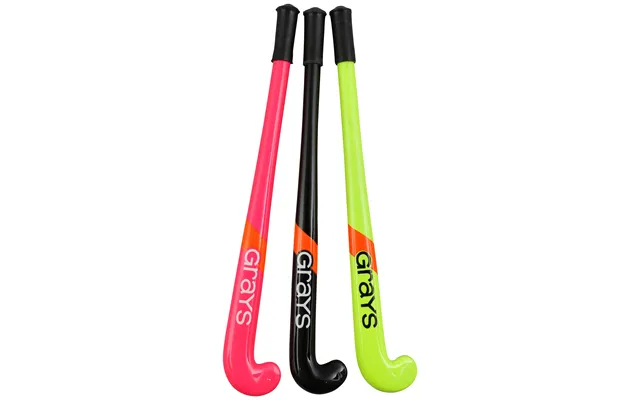
Grays Hockey price list
Last updated Sunday, 27 Sept 2026



Loading...
Last updated Sunday, 27 Sept 2026
Choosing the right hockey equipment can change the way you play. A stick that feels balanced, shoes that support every sprint, and protective gear that stays comfortable during a tense match can all make a real difference. In the United Kingdom, Grays Hockey remains one of the best-known names for players who care about performance, reliability, and tradition.
Grays Hockey has built a strong reputation across field hockey and indoor hockey. The brand is recognised by beginners, school teams, club players, coaches, and experienced athletes alike. Its product range covers much more than hockey sticks. You can also find footwear, gloves, bags, clothing, guards, balls, and training accessories designed for the modern game.
Whether you are buying your first stick or replacing a trusted match-day bag, shopping at Grays Hockey gives you access to equipment created with hockey in mind. But what makes this UK hockey store worth considering? How do you choose the right products? And what should you know before placing an order?
Grays Hockey has a long connection with the sport. That history matters because hockey equipment is not something you can design well without understanding how the game works. Players need speed, control, accuracy, and protection. Equipment must respond quickly while coping with hard surfaces, wet conditions, repeated impacts, and demanding training sessions.
The brand’s appeal comes from this balance between heritage and progress. Grays is associated with classic craftsmanship, yet its equipment is developed for the faster and more technical style of hockey played today. Modern players expect lighter sticks, improved grip, sharper ball control, and greater comfort. Grays Hockey aims to meet those expectations without losing the dependable feel that many players value.
For UK customers, the brand also feels familiar. Hockey is played widely in schools, universities, local clubs, regional leagues, and national competitions. Grays products are seen across these levels, which gives shoppers a useful sense of trust. You do not have to be an elite player to benefit from well-designed equipment.
One of the strongest features of Grays Hockey is the range available for different types of players. A young beginner may need a forgiving stick with a comfortable handle. A developing junior could be looking for a lighter model that supports quick skills. An advanced player may want a specialist stick built for power, drag flicking, control, or precise passing.
This variety makes shopping easier because you can stay with one familiar brand as your game develops. Your needs may change over time, but Grays Hockey offers products that can grow with your experience. Think of it as building a kit around your style rather than simply buying the most expensive equipment on the shelf.
For most hockey players, the stick is the centre of the kit. It is the tool that connects you to the ball. A good hockey stick should feel natural in your hands, respond to small movements, and give you confidence when the match becomes fast and physical.
Grays Hockey offers sticks in various sizes, weights, compositions, and bow profiles. These features affect how the stick feels and how it performs. There is no single “best” stick for every player. The right choice depends on your position, technique, strength, playing surface, and personal preference.
Many modern hockey sticks use a blend of carbon, fibreglass, aramid, and other materials. Carbon usually adds stiffness and power. Fibreglass can help create a softer feel and may offer useful durability. A stick with more carbon often suits experienced players who can control a powerful response, while a lower-carbon model may feel more forgiving for beginners and developing athletes.
That does not mean a high-carbon stick will automatically improve your game. A powerful stick is only helpful when you can control it. If your passes lack accuracy or your receiving technique is still developing, a slightly softer stick may help you build confidence. The best equipment supports your skill instead of trying to replace it.
Stick length affects comfort, reach, and control. A stick that is too long can feel awkward and slow during close skills. One that is too short may force you into an uncomfortable posture. Players should consider their height, playing position, and preferred style when selecting a size.
Weight also matters. Lighter sticks can feel quick and agile, which may suit midfielders or players who rely on fast handling. Heavier sticks can provide stability and power, which some defenders and powerful hitters prefer. Your ideal weight should allow you to control the stick comfortably through a full training session, not just for a few minutes in a shop.
The shape of a stick, often called its bow, influences skills such as aerial passing, drag flicking, lifting, and ball control. A more conventional bow may suit players who want a balanced feel for passing and receiving. A more pronounced bow can help advanced players with specialist techniques.
If you are new to hockey, avoid choosing a stick only because it looks impressive. Ask yourself how you normally play. Do you spend most of your time making short passes? Do you drive the ball from the back? Are you developing attacking skills? Matching the stick to your role can make your kit feel more natural from the first session.
Hockey is a game of sharp turns, sudden stops, rapid acceleration, and repeated changes of direction. Your footwear needs to handle all of that while keeping your feet secure. Grays Hockey footwear is designed for players who need grip, cushioning, and support on hockey surfaces.
Outdoor hockey often takes place in cool, damp, and unpredictable UK weather. A pitch can feel very different after rain, so reliable traction matters. Shoes should help you stay stable without restricting movement. They should also provide enough cushioning to reduce the strain caused by frequent running and hard landings.
When shopping for hockey shoes, pay attention to fit. Your heel should feel secure, while your toes need enough room to move naturally. Do not assume that a tight shoe will become comfortable later. Hockey sessions can last well over an hour, and small pressure points may become painful before the final whistle.
A well-designed hockey shoe works like a firm foundation for a house. If the base is unstable, everything above it suffers. Look for a supportive upper, a sole designed for your playing surface, and cushioning that matches your needs. Players who train frequently should also consider durability, since repeated use can quickly expose weak stitching or worn soles.
It is worth trying shoes with the socks you normally wear for hockey. This simple step can prevent sizing mistakes. Remember that comfort is not a luxury. Comfortable footwear helps you focus on positioning, passing, and teamwork instead of thinking about sore feet.
Hockey is a skilful sport, but the ball and sticks can travel quickly. Protective equipment helps reduce risk during training and competition. Depending on your role and league requirements, you may need a mouthguard, shin guards, gloves, or additional protection.
Shin guards are especially important because the lower legs are exposed to stray balls and stick contact. A good pair should cover the right area without sliding around. If guards move during a match, players often adjust them repeatedly, and that can become distracting. Look for comfortable straps, a secure shape, and ventilation where possible.
Hockey gloves can protect the hand from impacts while maintaining enough flexibility for stick control. Some players prefer a larger glove for added coverage, while others choose a lighter design for a more direct feel. Your position can influence this decision. Defenders who block and challenge often place different demands on their hands than attacking players.
Parents buying hockey equipment for children should focus on fit, comfort, and safety rather than appearance alone. Children grow quickly, but oversized equipment can affect movement and control. A stick that is too long or heavy may make basic skills harder to learn. Protective gear should fit securely without causing discomfort.
It is also sensible to check the rules of your child’s school, club, or league. Some competitions may have specific requirements for mouthguards, shin guards, goalkeeper protection, or stick specifications. A quick conversation with a coach can prevent an expensive mistake.
Good hockey clothing helps you stay comfortable through warm-ups, matches, and long training sessions. Grays Hockey products can form part of a practical kit that works across changing UK conditions. Base layers may help in cold weather, while breathable shirts and shorts can keep you cooler during intense play.
A hockey bag is another important purchase. Players often carry sticks, shoes, protective equipment, spare clothing, water, and personal items. A well-organised bag saves time and protects your kit. Look for separate compartments, sturdy handles, strong zips, and enough room for everything you actually use.
Accessories may seem small, but they can improve your routine. Hockey balls, grips, replacement laces, stick bags, water bottles, and training aids all have a place in a well-prepared player’s kit. You do not need to buy everything at once. Start with the essentials, then add items as your needs become clearer.
Organisation is especially useful when you play several times a week. Keep protective items together, store shoes where they can dry, and check your stick regularly for damage. A simple routine after every session can extend the life of your equipment.
Do not leave wet clothing or muddy shoes sealed inside a bag for days. Air them out as soon as possible. This reduces unpleasant smells and helps materials last longer. Your kit may not thank you out loud, but it will perform better for longer.
Shopping online is convenient, especially when you already know the product type and size you need. The Grays Hockey range can help you compare different sticks, shoes, bags, and accessories without travelling between several sports shops. Product descriptions, images, and specifications make it easier to create a shortlist.
Still, online shopping works best when you do a little preparation. Measure carefully, check the product details, and consider how the item fits your playing style. If you are unsure about a stick, speak with a coach or an experienced club player. Their advice may help you avoid choosing based on price or appearance alone.
Sizes can vary between products, so do not rely on assumptions. Read the size guide and check the measurements where provided. For clothing and footwear, think about whether you prefer a close athletic fit or a little extra room for layering.
For sticks, pay attention to length, weight, composition, and bow position. These details tell you more than the design printed on the shaft. A bright colour may catch your eye, but the technical features determine whether the stick feels right during play.
Buying the cheapest product can seem sensible, particularly for beginners. However, low price does not always mean good value. If an item wears out quickly or feels uncomfortable, you may end up spending more on a replacement. At the same time, the most expensive option is not automatically the best choice.
Good value means finding equipment that suits your ability, frequency of play, and budget. A recreational player may not need a top-level carbon stick. A regular club player might benefit from investing in durable footwear or a higher-quality stick. Match the product to your real needs.
Looking after your equipment protects your investment. Clean your stick after muddy sessions and inspect it for cracks, chips, or serious wear. Small marks are normal, but visible damage may affect performance and safety. If the grip becomes worn or slippery, replacing it can restore comfort and control.
Clean shin guards and gloves regularly according to the care instructions. Allow them to dry naturally rather than placing them directly against a radiator or strong heat source. Excessive heat can damage materials and affect their shape.
Store your hockey stick away from extreme temperatures and damp spaces. Your garage may seem convenient, but cold and moisture can be hard on equipment over time. A dry, moderate environment is usually a better option.
There is no fixed replacement date for every player. Some sticks last for seasons, while frequent players may wear them out sooner. Signs of decline include reduced control, unusual vibration, cracks, a damaged head, or a grip that no longer feels secure.
You may also replace a stick because your game has changed. Perhaps you have moved from beginner skills to competitive play, or you now need a different balance for your position. Equipment should evolve with you. The stick that helped you learn may not be the stick that helps you reach your next level.
Grays Hockey fits naturally into the UK hockey scene because it understands the demands of the sport at every level. Players need equipment that can cope with regular training, wet weather, hard pitches, school sessions, weekend fixtures, and busy club schedules. They also need choice, because a junior beginner and a national-level athlete do not shop in the same way.
The brand offers a broad route into hockey. You can begin with a practical stick and basic protection, then upgrade as your confidence improves. You can also build a complete match-day setup around products designed to work together. That sense of continuity is useful. It takes some guesswork out of shopping.
Most importantly, the right equipment makes hockey more enjoyable. When your shoes grip, your stick responds, and your protective kit stays in place, you can concentrate on reading the game. You can make the pass, chase the ball, and take the shot without unnecessary distractions.
Grays Hockey remains a strong choice for players across the UK who want dependable hockey equipment from a recognised specialist brand. From sticks and shoes to protective gear, clothing, and bags, the range supports beginners, juniors, club players, and experienced athletes. Take time to understand your needs, choose products that suit your style, and care for them properly. With the right kit in your hands and confidence in your movement, every training session can become a step towards better hockey.