



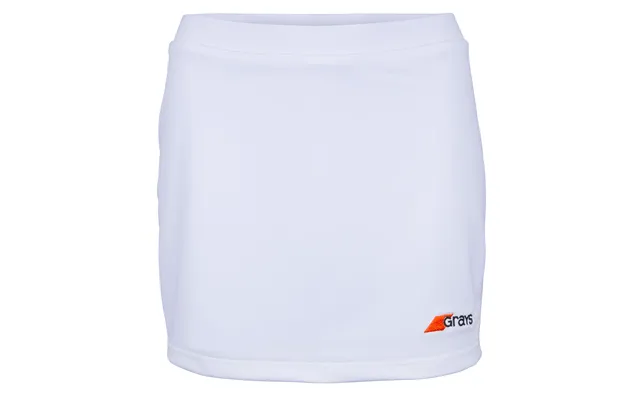
Grays Hockey price list
Last updated Monday, 19 Oct 2026





| Store | Status | today | distance |
|---|
Loading...
Loading...
Last updated Monday, 19 Oct 2026
Grays Hockey has been part of British field hockey for more than a century and a half. The name is linked with traditional craftsmanship, trusted equipment and a sport that has changed dramatically over time. From early handmade bats and sticks to modern carbon hockey equipment, Grays has followed the game through every major stage of its development.
Today, players can buy Grays hockey sticks, shoes, bags, gloves, balls and protective equipment from specialist retailers and online stores across the UK. The brand competes with familiar names such as adidas, Dita, Osaka, Ritual and Princess. Yet Grays still carries something many newer brands cannot easily copy: a long, visible connection with British sport.
So, how did Grays Hockey become such a recognised name? What makes its products different? And how does it compare with other hockey stores and brands available to UK players? This guide explores the company’s history, its place in the modern market and the reasons players still return to the Grays name.
The Grays story began in Cambridge in 1855. William Gray established the business during a period when sport was becoming more organised across Britain. Cricket was the company’s early focus, and the firm developed a reputation for producing sporting equipment with care and consistency.
At the time, manufacturing was far less automated than it is today. Skilled workers shaped wood by hand, inspected each piece and adjusted products for performance. A cricket bat was not simply a mass-produced item. Its balance, weight and grain mattered. This attention to detail later became central to the Grays approach to hockey equipment.
Field hockey was also developing during the nineteenth century. Rules were becoming clearer, clubs were forming and schools were introducing the game to more players. As demand increased, manufacturers began creating equipment specifically for hockey rather than adapting other sporting tools.
Grays gradually became involved in this growing market. The company’s knowledge of wood, shaping and sporting design gave it a useful advantage. A hockey stick needed to be strong, balanced and comfortable to control. It also needed to withstand hard contact with the ball and the surface. These demands suited the skills Grays had built over several decades.
Early hockey sticks were very different from the lightweight composite models used today. They were generally made from wood and had a simple shape. Players relied more on touch, positioning and timing than on advanced stick technology.
Grays became known for producing equipment that felt dependable in the hands. That reputation mattered. A player might not have had dozens of technical specifications to compare, but they understood whether a stick felt balanced and whether it survived a full season of training and matches.
The company’s early success was based on a straightforward idea: make reliable equipment and earn the trust of clubs, schools and players. That principle helped Grays grow as hockey became more popular in Britain and overseas.
During the twentieth century, field hockey moved from a largely amateur pastime towards a more structured and competitive sport. Clubs improved their training methods. International tournaments gained attention. Women’s hockey expanded rapidly. Schools and universities also played a major role in introducing new generations to the game.
Grays developed alongside these changes. The brand supplied equipment for different levels of play, from beginners learning basic skills to experienced athletes demanding more precise performance. This broad appeal helped it become a familiar name in British hockey shops.
For many years, wooden hockey sticks dominated the market. Their feel was natural and forgiving, especially for players who valued touch and control. Grays became strongly associated with this traditional style. However, the sport eventually moved towards composite materials, including fiberglass, aramid and carbon.
Composite construction changed hockey. Manufacturers could create sticks with different levels of stiffness, weight and power. Players could select equipment based on their position and style. A defender might prefer a strong stick with a solid receiving feel, while an attacking player might seek a lighter model for quick skills and rapid changes of direction.
Grays responded by expanding its technology and product range. The brand retained its traditional identity but introduced modern materials and designs. This balance remains important to its image. Grays is not simply a heritage label selling old-fashioned equipment. It is a longstanding hockey company that has had to adapt as the game became faster and more technical.
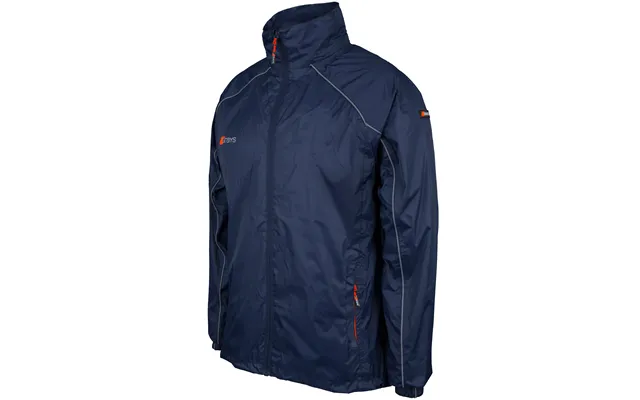
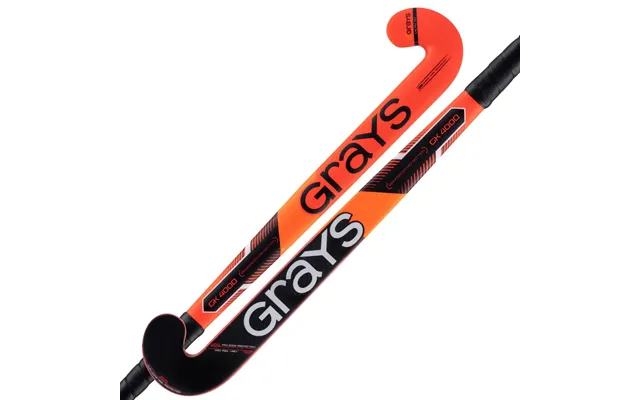
When people search for Grays Hockey in the UK, they may mean the brand itself or a retailer selling Grays products. The range usually covers most of the equipment a field hockey player needs. Hockey sticks remain the centre of the collection, but the wider product line also supports training, match play and travel.
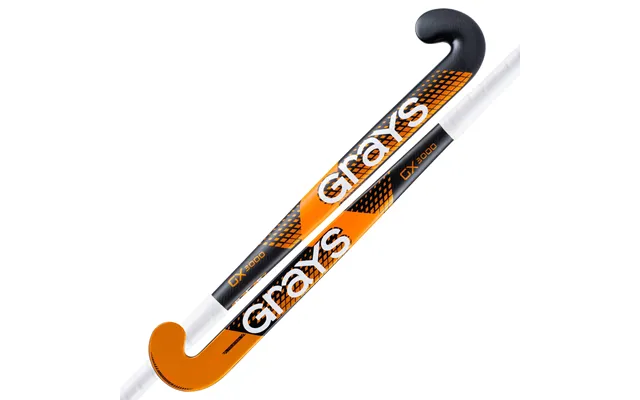
Grays hockey sticks are available in different profiles, weights, lengths and material combinations. Some are designed for beginners who need control and comfort. Others target advanced players who want speed, power and a more responsive touch.
The bow position is one of the key features. A low bow can help with aerial skills, drag flicking and advanced ball control. A mid bow often offers a more balanced feel for passing, receiving and general play. Beginners may find a traditional or mid-bow design easier to manage while learning the basics.
Carbon content also affects performance. Higher carbon can increase power, but it may create a harder touch and a less forgiving response. Lower-carbon sticks often feel softer and easier to control. Grays gives players options rather than forcing everyone into one formula.
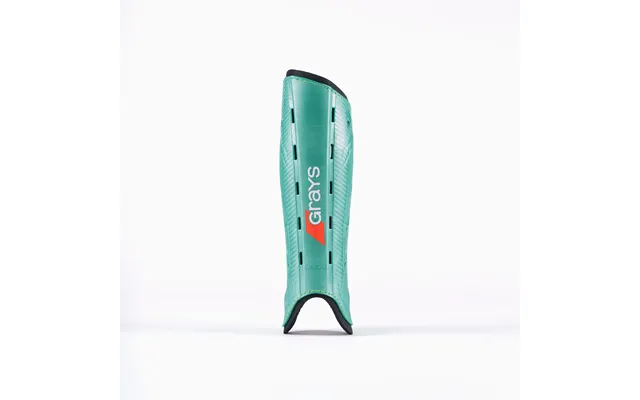
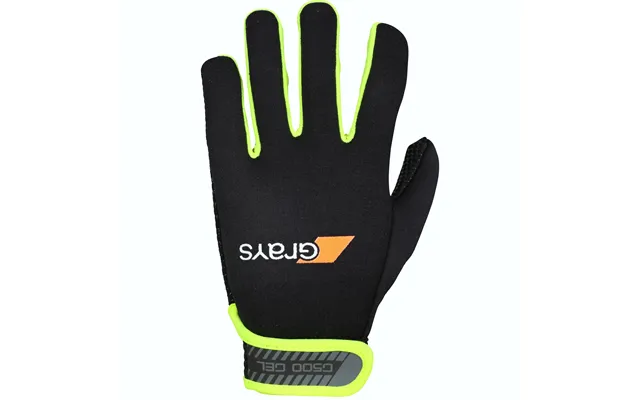
Grays also produces hockey bags, gloves, shin guards, grip tape, hockey balls and related accessories. These products may not attract as much attention as a new stick, but they influence the everyday experience of playing hockey.
A practical stick bag protects equipment and makes travel easier. A reliable glove can reduce the sting of a hard pass. Good grips help players maintain control during wet conditions or long training sessions. For parents, schools and clubs, dependable accessories can also offer better value over time.
The brand has traditionally appealed to players who want a complete and consistent equipment setup. Buying several items from one established manufacturer can feel simpler, especially when a player already knows how the brand fits and performs.
Grays benefits from a strong heritage, but history alone does not guarantee success. Players still have plenty of choice. They can walk into a specialist hockey shop, browse a large online retailer or buy directly from an international sports brand.
The lasting appeal of Grays comes from familiarity. Many British players first encounter the brand at school or through a local club. A coach may recommend a Grays stick. A parent may remember using one years earlier. A teammate may bring a Grays bag to training. These small moments build trust.
The company also feels closely connected to the culture of British hockey. It is not merely borrowing the sport’s identity for marketing. Its history grew alongside clubs, schools and competitions. That gives the brand emotional weight, rather like an old stadium that has seen several generations of supporters.
Grays also tends to offer products across a wide price range. This matters in a sport where families may need to buy equipment for fast-growing children. A beginner does not always need the most expensive high-carbon stick. A trusted entry-level model can be a smarter purchase.
Adidas is one of the largest sports brands in the world, and its hockey range benefits from enormous design, marketing and research resources. The company is especially visible among elite players and international teams. Its products often have a modern appearance and a strong focus on speed, power and technical features.
Compared with adidas, Grays feels more specialised. Hockey is central to the Grays identity, while adidas serves football, running, training and many other sports. That narrow focus can appeal to players who prefer a dedicated hockey manufacturer.
Adidas may have an advantage in global visibility, athlete sponsorship and cutting-edge image. Grays counters with heritage, broad hockey experience and a more traditional sense of trust. Price also varies by model, but Grays can be attractive to families seeking dependable equipment without paying only for a famous global logo.
Dita is another established hockey brand with strong recognition in Europe and the UK. It offers sticks, footwear, bags, protective products and clothing. Like Grays, Dita has experience across different levels of the game and understands the practical needs of club players.
The two brands are similar in their broad product coverage. Both provide equipment for beginners, school players and experienced athletes. Both also offer sticks with different bows, weights and carbon levels.
The difference is often one of identity and design language. Grays tends to carry a distinctly British heritage, while Dita often presents a more international and performance-focused image. The best choice comes down to the individual product. A player should compare the grip, balance, bow, stiffness and price rather than choosing based only on the logo.
Osaka has made a major impact on modern hockey through bold designs, strong branding and a clear focus on contemporary performance. Its sticks are popular with players who enjoy a powerful, stylish and highly technical feel. The brand has helped give hockey equipment a sharper lifestyle image.
Compared with Osaka, Grays often appears more traditional and understated. Osaka speaks strongly to players who want a modern identity, eye-catching graphics and an aggressive performance profile. Grays is more likely to attract someone who values proven design and a connection with the sport’s history.
Osaka products can be positioned at the premium end of the market, depending on the model. Grays offers premium options too, but its wider range may make it easier for new players and developing juniors to find a suitable product.
Ritual has earned attention through innovative stick shapes, specialist designs and a strong performance message. It is often associated with advanced players who want equipment built around modern attacking skills. Princess also offers a wide selection of hockey sticks and accessories, with a strong presence among club and youth players.
These brands may appear more specialised in certain areas, particularly stick technology and visual design. They appeal to players who enjoy testing newer concepts. Grays, by contrast, offers a reassuring middle ground. It combines modern features with a long history of producing equipment for ordinary club players.
For a serious buyer, the comparison should include warranty terms, fitting advice, availability and after-sales service. A technically impressive stick is not automatically the best choice if it feels uncomfortable or does not suit the player’s level.
Grays products are sold through specialist hockey retailers across the UK. These stores may stock several competing brands, allowing customers to compare equipment in one place. Examples include dedicated hockey shops and larger sports retailers with online hockey departments.
A specialist retailer can offer an advantage over buying directly from a single brand. Staff may explain the differences between stick profiles and help a player choose the correct length. Some stores provide stick testing, personal advice, club discounts or bundle deals.
Buying from the Grays brand or an authorised seller may offer a more focused experience. The product range is easier to understand, and customers can search by Grays model or specification. However, comparison shopping is still wise. Prices can change during the season, especially around end-of-line sales, new product launches and back-to-school periods.
Online marketplaces may show lower prices, but buyers should check that the seller is reputable. A suspiciously cheap stick could be an old model, a returned item or a product without useful UK support. Good retailers clearly explain delivery, returns and warranty arrangements.
Choosing a stick is a personal decision. Your position matters, but it is not the only factor. A midfielder may want an all-round model, while a forward may prefer a lighter stick for quick skills. A defender might value strength and powerful clearances.
The correct length helps the player maintain control without bending awkwardly. Children should not automatically use an adult stick simply because they want to grow into it. A stick that is too long or heavy can slow development and make basic skills harder.
Weight affects movement and power. A lighter stick can feel fast and agile, while a heavier model may provide stability and stronger hitting. Neither is universally better. The right choice depends on strength, technique and personal preference.
Carbon content is often highlighted on modern hockey sticks, but more is not always better. High-carbon models can produce impressive power, particularly for strong and experienced players. They may also feel firm and less forgiving when receiving the ball.
Players still developing their touch may prefer a stick with more fiberglass or another softer material mix. It can make trapping and passing feel smoother. If possible, test several sticks before buying. Numbers are useful, but your hands provide the final verdict.
Grays faces a competitive UK market. New brands attract attention with social media, eye-catching graphics and direct online sales. International manufacturers continue to invest heavily in research and elite sponsorship. Consumer expectations are also rising. Buyers want good performance, attractive design, fair pricing and responsible manufacturing.
Grays has a valuable foundation. Its challenge is to keep the trust created by its heritage while remaining relevant to younger players. That means developing modern materials, improving online shopping, offering clear product advice and communicating with the hockey community in a fresh voice.
Sustainability may also become more important. Hockey equipment uses composite materials, plastics and synthetic fabrics, which can be difficult to recycle. Brands that reduce waste, improve product durability and explain their manufacturing choices may gain an advantage with environmentally aware customers.
The future is unlikely to involve a choice between tradition and technology. The strongest Grays products will probably combine both. A stick can use modern construction while still reflecting the brand’s belief in dependable sporting equipment.
Grays Hockey has survived because it understands a simple truth: players want equipment they can trust when the match becomes fast, wet and demanding. Its history began with traditional craftsmanship, but its relevance comes from continued adaptation. Against adidas, Dita, Osaka, Ritual, Princess and specialist UK retailers, Grays may not always be the loudest name. It remains, however, one of the most recognisable and experienced names in British hockey. For beginners, families and committed club players, that combination of heritage, choice and practical performance makes Grays worth considering.