All categories

Business & Offices

Electronics & Media
Fashion & Accessories
Groceries & Essentials
Health & Personal Care
Home & Living
Kids & Family
Sports & Outdoors
Search in ZoneOffer

Loading...
New parents quickly learn that baby health basics—thermometers, nasal aspirators, gentle creams, and humidifiers—aren’t “nice to have,” they’re must-haves. Little ones can go from fine to fussy in a heartbeat, and having the right tools on hand turns panic into a plan. The good news? You don’t need to overspend to build a reliable kit. With seasoned buying strategies and smart comparisons, you can grab popular offers on the essentials that truly make a difference day and night.
Because this category spans “everything else” in baby health, it’s easy to feel overwhelmed. Think of it like a toolbox: each item solves a specific job—clearing tiny noses, soothing sore gums, checking temperatures, calming tummies, and keeping skin comfortable. In the sections below, we’ll break down how to choose well, what features actually matter, and where to find value without compromising safety or quality.
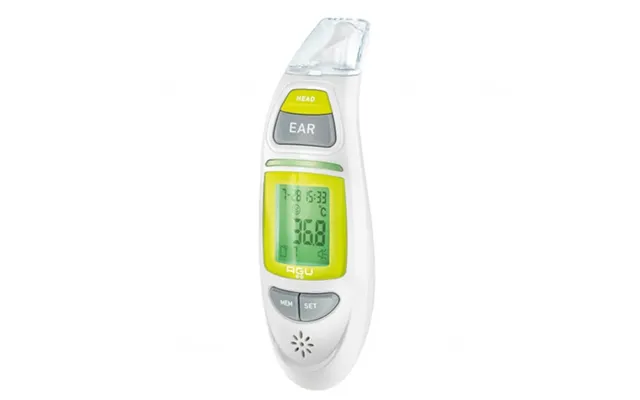
Choosing a thermometer becomes a lot easier once you think about comfort, speed, and accuracy. Ear (tympanic) thermometers are quick and often a favorite for squirmy babies, but you’ll need to position the probe correctly. Forehead (temporal) thermometers are contactless or lightly touching, which can feel less intrusive—perfect for midnight checks. Underarm thermometers are simple and budget-friendly; they’re slower but reliable when used correctly. For newborns, many parents prefer forehead or underarm options to keep the process calm and gentle.
Backlit displays, silent modes, and color-coded fever alerts earn their keep during sleepy-night readings. Memory recall helps you track trends across hours, not just a single reading. If you can, look for models offering both Fahrenheit and clear guidelines for proper placement. And while extra features are nice, accuracy and consistency are the heroes—glossy extras won’t help if results bounce around unpredictably.
Take two readings if your little one is wiggly and average them. Clean the sensor before use, wait a few minutes after a warm bath, and stick to one method for consistency. If a reading seems off but your instincts say otherwise, recheck and look at overall symptoms. A reliable thermometer is your decision-making compass; treat it kindly and it will pay you back in peace of mind.
Stuffy noses and tiny airways don’t mix, which is why nasal aspirators are a lifesaver. Manual models give you full control and are easy to clean. Electric aspirators add speed and consistency—handy when your baby is not thrilled about the process. Either way, you want soft silicone tips, gentle suction, and easy disassembly for thorough cleaning. Many parents keep both on hand: manual for travel, electric for everyday congestion.
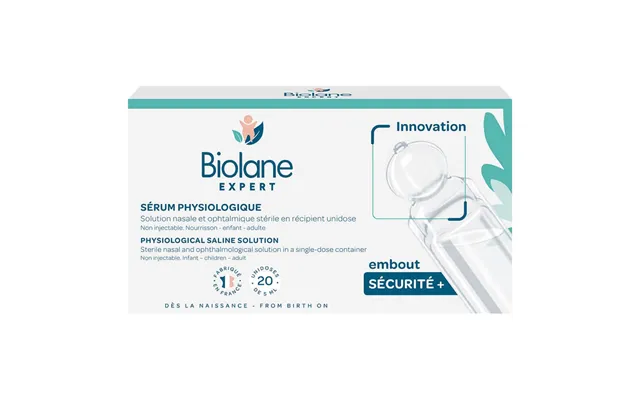
Saline is the unsung hero of nasal care, loosening mucus so it’s easier to clear without harshness. Sprays are convenient for older babies, while drops can be simpler for newborns. Look for preservative-free options, and remember a few drops go a long way. Pairing saline with an aspirator is a simple two-step routine that often restores calm in minutes.
If your aspirator uses filters, keep spares stocked—once they’re damp, suction can drop and hygiene risks creep in. Wash and air-dry components after each use, and store everything in a clean pouch. A little routine makes a big difference, especially during cold season when the aspirator sees daily action.
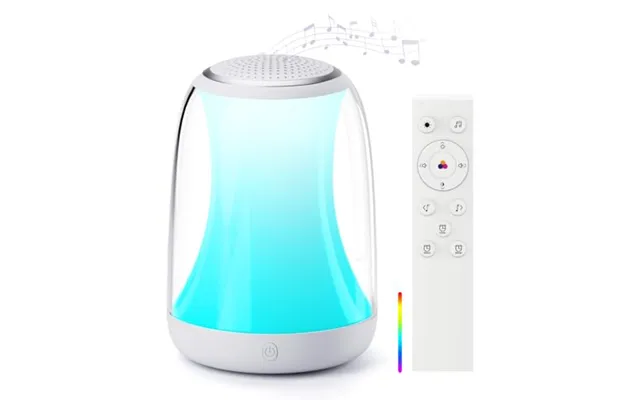
Dry air can make congestion, coughs, and dry skin worse. Cool-mist humidifiers are widely recommended for nurseries because they’re effective without the burn risk of warm-mist models. Aim for a unit with simple controls, a tank that’s easy to refill, and a quiet motor you can sleep through. Built-in night-lights are a bonus if you prefer a soft glow for late checks.
Match the humidifier to your nursery’s size—most brands list a square-foot guideline. For a small nursery, a compact unit does the job; for larger spaces, step up to a bigger tank so you’re not refilling constantly. Cleanliness is nonnegotiable: empty the tank daily and deep-clean several times a week to avoid buildup. If your model uses filters, mark a reminder to replace them on schedule.
Night-lights can be soothing, but go easy on scented add-ons. Essential oils and aromas are not recommended for infants unless your pediatrician gives the thumbs-up. When in doubt, keep it simple: pure water, clean tank, and consistent humidity make the biggest difference.
When tummy bubbles strike, you feel it right along with your baby. Many families try gripe water or simethicone drops to gently ease gas. The key is choosing reputable formulas designed for infants, checking dosage tools, and following age guidance. Keep expectations realistic—these aids can help, but they’re not magic wands. If symptoms persist or worsen, call your pediatrician for tailored advice.
Sometimes the best “tummy remedy” is simply reducing swallowed air. Bottles with vented systems and slow-flow nipples can make a noticeable difference for gassy or reflux-prone babies. Try one change at a time so you can tell what’s actually helping. And remember, latch and feeding position matter: keep baby at a slight incline and burp frequently.
Never underestimate the power of a good burp cloth lineup. Keeping a stack within arm’s reach encourages frequent burping, which reduces discomfort later. For positional support after feeds, hold your baby upright for at least 15–20 minutes. Avoid devices that promise “hands-free” positioning after feeds—safe, supported holding is still best.
Think of barrier creams as raincoats for baby skin. Zinc oxide and petroleum-based ointments can protect against moisture and soothe irritation. Choose fragrance-free, hypoallergenic options to minimize the risk of flare-ups. A thin, consistent layer during each diaper change often prevents rashes before they start, especially overnight when changes are less frequent.
A well-stocked kit saves the day more often than you’d expect. Include adhesive bandages in multiple sizes, a digital thermometer, infant nail clippers, alcohol-free wipes, sterile gauze, blunt-tipped scissors, a nasal aspirator, saline drops, and a medicine syringe. Add a small flashlight and a simple guide card with emergency numbers and dosing reminders. Keep it in a dedicated pouch so everything stays together when you’re half-asleep and in a hurry.
When skin is cranky, shorter baths with lukewarm water and a fragrance-free cleanser work wonders. For flare-ups, ask your pediatrician about oatmeal soaks or soothing balms. After bathing, pat (don’t rub) skin dry and apply moisturizer within a few minutes to lock in hydration. Small tweaks create big comfort gains.
Vitamin D is often recommended for breastfed infants—always check with your pediatrician for the right dose. Look for drops with a clear dosing tool, simple ingredients, and easy-to-read labels. One-drop-per-day formulas reduce guesswork during those bleary mornings when “Did I give it already?” runs through your mind.
Probiotics for infants may support gut balance, especially during or after antibiotic use—again, consult your pediatrician before starting. If you go ahead, choose brands that list specific strains and storage needs (some require refrigeration). Consistency matters more than novelty; a steady routine beats hopping between fancy-sounding formulas.
Teething can turn a sunny day stormy fast. Silicone rings that can be chilled (not frozen solid) provide safe, soothing pressure. Textured toys keep little hands busy and offer a gentle massage for gums. Avoid liquid-filled teethers that can leak, and skip products with questionable additives—simple, food-grade silicone is your friend.
Ask your pediatrician about teething gels appropriate for infants if you’re considering them. Often, a clean finger or soft silicone brush massaging the gums works just as well. Combine that with a chilled teether, cuddles, and a quiet corner, and you’ve got a trusty recipe for relief.
A home baby scale can be reassuring when you’re monitoring feeding progress. Choose a model with a stable tray and accuracy down to small fractions of an ounce. Track weight on the same scale and at similar times of day to get a real picture rather than random spikes. Always bring any concerns to your pediatrician, who’ll place readings in context.
Modern monitors can do more than transmit sound. Some track room temperature in Fahrenheit, offer two-way talk, lullabies, and even breathing motion alerts. Decide what you’ll truly use—sometimes a rock-solid audio monitor with temperature display is more dependable than a high-tech system you rarely check. Reliability and signal range beat flashy features every time.
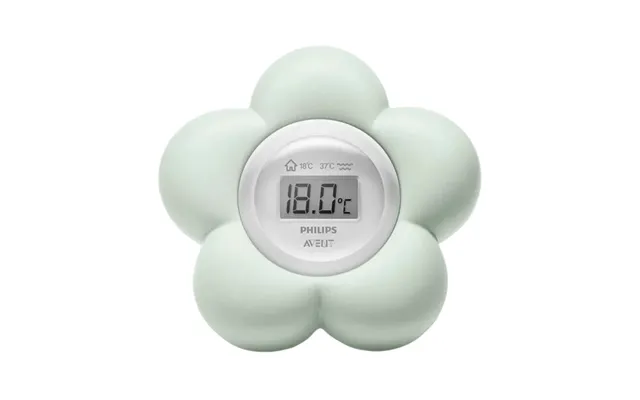
Babies’ skin is sensitive, so a bath thermometer helps prevent water that’s too hot or too cold. Aim for pleasantly warm, not hot, and always test with your elbow as a backup. Keep soaps minimal and slip-resistant mats underfoot. A calm bath routine sets the stage for smoother bedtimes.
Accurate dosing tools make all the difference. Oral syringes with clear markings are the gold standard. Some parents like pacifier-style dispensers for reluctant babies—whatever helps you deliver the right amount without spills. Give tiny sips toward the inside cheek and go slow. It’s a small technique tweak that leads to smoother medicine moments.
Flavored infant medicines can reduce battles, but check labels carefully for age and dosing guidance. Store as directed, keep tops tightly sealed, and glance at expiration dates every few weeks. When in doubt, ask your pharmacist. A tidy medicine basket with a visible list of dosages for your baby’s current weight saves time when stress is high.
Price comparison platforms like ZoneOffer help you spot standout deals across multiple retailers in seconds. Search by product type—thermometer, nasal aspirator, humidifier—and filter by features you really need. Watch the historical price trend when possible, and set alerts so you’re notified when the price dips. Comparison browsing keeps you from impulse buys and nudges you toward the best value.
For consumables like saline, wipes, and filters, multi-packs cut costs without sacrificing quality. Subscribe-and-save programs reduce the risk of running out at 11 p.m. You’ll also see strong seasonal offers around big retail events. Stock up on staples when prices are low, but skip bulk purchases of anything with a short shelf life unless you know you’ll use it.
Be cautious with products that promise miracle fixes or lack clear labeling. If safety certifications, age guidance, or ingredients are vague, move on. Check real-world reviews, but focus on detailed feedback rather than star counts alone. And when a deal looks too good to be true, verify the brand, seller reputation, and warranty information before you click.
Comfortable room conditions support calmer sleep. Many families aim for around 68–72°F with stable humidity. Keep the crib area tidy and free from clutter, and dress your baby in breathable layers you can adjust. A simple routine—humidifier cleaned, thermometer handy, nasal tools stocked—turns nerves into a confident nightly rhythm.
Adults’ hands are like delivery trucks for germs. A quick hand wash or alcohol-based sanitizer before handling baby’s face or feeding tools can reduce sniffles and sore tummies. Wipe high-touch surfaces regularly, and keep your baby’s health kit separate from cosmetics or household cleaners. Small boundaries keep essentials safe and ready.
Ever rummaged for saline at 3 a.m.? A compact caddy ends the scavenger hunt. Include a thermometer, saline, nasal aspirator, dosing syringe, barrier cream, bandages, and a tiny flashlight. Label compartments or use clear pouches. The goal: find what you need in seconds, even with one hand and half-closed eyes.
Refillable humidifiers, washable nasal aspirator parts, silicone teethers, and reusable cloths all cut waste and save money over time. Look for BPA-free, phthalate-free materials and durable designs you can clean thoroughly. Sustainable doesn’t have to be expensive; durability is the real budget hero here.
Splurge where accuracy and durability matter: thermometers, humidifiers, and monitors. Save on consumables: saline, wipes, filters, and creams—just keep an eye on ingredients and safety. A balanced approach builds a kit that lasts without draining your wallet.
Start with saline drops, wait a minute, then use the nasal aspirator gently. Run the cool-mist humidifier and elevate baby slightly during feeds. Keep tissues and a soft cloth handy. With a calm approach, you’ll both be back to sleep sooner than you think.
Confirm with a reliable thermometer and monitor behavior—alertness, feeding, and hydration matter. Dress lightly, keep the room around comfortable temperature, and offer fluids if age-appropriate. Follow your pediatrician’s guidance for medication and dosage if recommended. Trust your instincts and call for help whenever something feels off.
Clean gently, pat dry, and apply a thick barrier layer at each change. Consider more frequent changes and some diaper-free time to let skin breathe. If a rash doesn’t improve, grows, or looks unusual, seek medical advice. Comfort today, prevention tomorrow—that’s the cycle.
Start with a trustworthy thermometer, a nasal aspirator (manual or electric), saline drops, a cool-mist humidifier, barrier cream, a medicine syringe, and a small first-aid kit. Add teething rings, a gentle cleanser, and a soft brush for cradle cap care if needed. With these in place, most common hiccups feel manageable.
Consider a baby scale for feeding transitions, a room temperature monitor, extra humidifier filters, and a backup aspirator for travel. If your baby is prone to congestion, a second set of nasal tips and an extra saline bottle ensure you’re never caught short.
Label dosing tools, keep instructions or quick tips in a zip bag, and set calendar notes to replace filters and check expirations. A little maintenance today prevents last-minute scrambles tomorrow. It’s like keeping the car gassed up—you barely think about it until it saves you.
Scan for clear age ranges, dosing instructions, and simple ingredient lists. For skincare, fragrance-free usually plays nicest with baby skin. For anything ingestible, ensure it’s infant-formulated and talk to your pediatrician if you’re unsure.
Safety seals should be intact, and lot numbers visible for reference. Some probiotics and vitamins require cool, dark storage; others are shelf-stable. Read once, store right, and you’re set. If the label is vague or confusing, it’s a hard pass.
When your kit is prepped and you’ve chosen dependable tools, everyday bumps feel like bumps—not mountains. You’ll move from guessing to acting: saline, aspirator, humidifier; thermometer, log, rest; cream, air time, gentle wash. That rhythm turns long nights into manageable moments.
Comparing prices before you buy is like turning on headlights in the dark—you instantly see the road ahead. Check models side by side, filter for must-have features, and let price history guide your timing. With a little patience, great deals on trusted baby health products are surprisingly common.
Baby health essentials don’t have to be confusing or costly. Focus on accurate tools (like a solid thermometer), gentle solutions (saline and barrier creams), and comfort boosters (cool-mist humidifiers and soft teething aids). Add clear dosing tools, a tidy first-aid kit, and a calm routine, and you’ll handle the usual ups and downs with confidence. Use comparison sites to spot popular offers and stretch your budget, and always lean on your pediatrician for personalized advice. Prepared is powerful—and your future 2 a.m. self will thank you.